


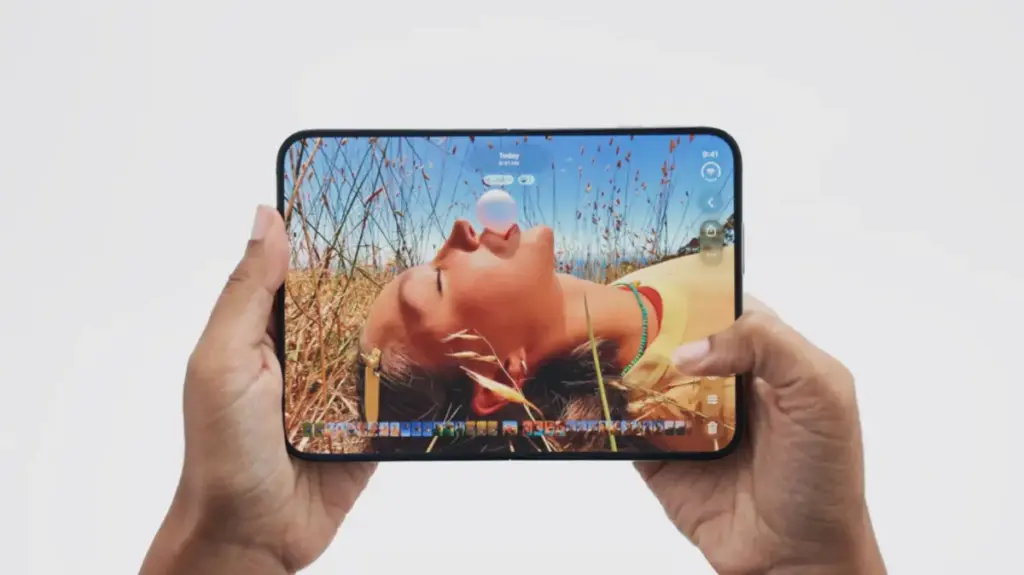
The long-rumored foldable Apple iPhone Duo is finally real, and its arrival marks a monumental shift for the smartphone industry as Apple officially enters the foldable device category. Coming with a staggering $1,999 price tag, the iPhone Duo eclipses both standard iPhones released recently and positions itself at the ultra-premium end of the market. This starting price undercuts the newly launched Samsung Galaxy Z Fold 8 Ultra by roughly $100, though specs-wise, the Apple foldable is widely viewed as a direct competitor to Samsung’s highest-tier folding hardware. With a device carrying a $2,000-plus investment out of the gate, early adopters will inevitably face a pressing question: what is the best way to protect it?
Case manufacturers have spent years refining their designs for foldables from brands like Samsung and Google, yet outfitting Apple’s inaugural foldable remains a uniquely high-stakes endeavor. The iPhone Duo introduces a brand-new device format to Apple’s ecosystem, utilizing a slightly unusual, passport-style folding mechanism—a design approach that Samsung popularized when it similarly brought a passport-style foldable to market. While third-party accessory makers have established track records with slab-style phones, experts suggest that leaning toward first-party Apple options might be the safest bet initially. Navigating the launch of an entirely new form factor introduces potential design quirks that third parties may take months to resolve.

Best iPhone Duo Case
For users prioritizing guaranteed compatibility straight out of the box, Apple’s first-party iPhone Duo Case serves as the baseline option. Priced at $79 and available directly through the Apple Store, this basic polycarbonate case features a matte coating and comes in Navy Blue and Sand to complement the black and white colorways offered for the foldable itself. Crucially, the first-party case includes built-in MagSafe support and is engineered to accommodate wireless charging standards, ensuring users do not lose modern convenience for the sake of protection. Because it is designed directly by Apple, it guarantees a seamless fit for the unique dimensions of the iPhone Duo, mitigating the early guesswork often associated with third-party alternatives.
Apple Duo Folio with Kickstand
Another first-party accessory making waves is the Apple Duo Folio with Kickstand. Rather than functioning as a traditional wrap-around phone case, this product operates as a magnetically attaching cover, bearing a striking resemblance to the protective folios Apple has manufactured for iPads for years. The Duo Folio leaves the sides of the device exposed while entirely shielding the outer display when the phone is closed. Promotional imagery indicates that users can flip the outer display cover aside during use, though questions remain regarding whether the cover can fold completely flat against the back of the device in the manner of iPad folio cases. Fabricated with the same textured fabric found on the iPhone 18 Pro’s TechWoven cases, the Duo Folio is available in Navy Blue and Taupe. At $129, it commands a significant premium, costing $50 more than Apple’s equivalent Smart Folio designed for the 11-inch iPad Pro.

Otterbox Defender Series Pro XT
For buyers willing to sacrifice sleekness for maximum durability, traditional rugged accessory makers are adapting their flagship lineups for the new Apple hardware. Otterbox brings its extensive history of sturdy smartphone protection to the foldable space with the Defender Series Pro XT. Although the case adds considerable heft and bulk to what stands as the thinnest unfolded iPhone Apple has ever produced, that extra mass may provide vital peace of mind given the untested nature of the Duo’s durability and its high replacement cost.
The Defender Series Pro XT incorporates a raised lip around the external display alongside a specialized hinge guard designed to lay flat when the device is fully opened. Retailing at $90 without an official release date yet confirmed, the heavy-duty case is built for consumers prioritizing absolute drop and edge protection. By comparison, users seeking robust defense without extreme bulk in traditional slab phones often gravitate toward alternatives like Otterbox’s Commuter Series for the iPhone 18 Pro and Pro Max, though specialized options for foldables naturally require heavier structural compromises.

Mous Ultra Thin Phone Case
Consumers who prefer to keep their devices as lightweight and minimalist as possible may find a compromise in the Mous Ultra Thin Phone Case. Constructed from a rigid aramid fiber, this slimline option covers the back panel of the device while featuring a separate component that hugs the outer edges of the front display. The interior features a soft microfiber lining to prevent scratching, while a concealed magnetic ring preserves MagSafe wireless charging functionality.
Priced similarly to Apple’s standard first-party case, the Mous offering leaves the phone’s hinge completely exposed—a design choice shared by several minimalist alternatives. For users who dislike the heavy, bulky feel of traditional rugged cases, ultra-thin alternatives provide basic scratch resistance without diminishing the sleek handling experience of a premium device, even if they fall short of life-proof durability.

Spigen Ultra Hybrid Pro (Mag Fit)
Finding transparent options for a brand-new form factor can prove challenging, but established manufacturers like Spigen are stepping in with transparent solutions. The Spigen Ultra Hybrid Pro (Mag Fit) offers a see-through design all the way around, incorporating a magnetic ring on the rear panel to support wireless chargers and magnetic accessories such as wallets and grips.
The clear case does present a few potential design compromises, including a noticeable hinge cover that may prevent the Duo from resting completely flat on a table when fully unfolded. Additionally, its all-polycarbonate construction offers a more rigid profile compared to hybrid cases that integrate flexible TPU materials. Priced at $60, the Ultra Hybrid Pro sits at the more affordable end of the accessory spectrum for Apple’s new foldable, while an alternative variant mirrors the aesthetic of textured options like Dbrand’s Ghost Case by combining opaque outer edges with a transparent rear panel.

When selecting an accessory for a device as expensive as the iPhone Duo, establishing a budget and identifying primary protection priorities—such as drop defense versus scratch prevention—remains a recommended first step. Because the Duo represents Apple’s first venture into foldables, minor dimensional quirks or tolerances may catch third-party developers off guard despite thorough pre-release leaks. Consequently, many tech analysts recommend securing a first-party case initially to guarantee safety during the vulnerable launch window, waiting for the broader accessory market to mature before investing in specialized third-party alternatives. Balancing physical protection against day-to-day usability ensures that a $2,000 investment remains both secure and enjoyable to handle.