

The filing cabinet, a steadfast and often overlooked invention of the 20th-century corporate office, was originally designed with a singular, utilitarian philosophy: sameness was the point. For decades, a neat row of industrial gray vertical filing cabinets signaled that a workplace was meticulously organized, efficient, and strictly professional. In the traditional office landscape, these monolithic metal boxes blended into the background, valued solely for their capacity to swallow paperwork, tax documents, and confidential employee records without demanding aesthetic attention.

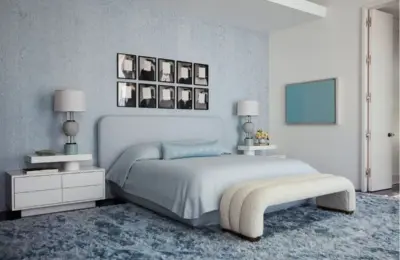
However, as remote work, hybrid schedules, and urban studio living fundamentally reshape how people utilize their personal spaces, the same piece of office furniture is suddenly expected to perform a much harder job. Today’s home workspace rarely occupies a sprawling commercial floor; instead, it frequently shares a room with a living area, tucks quietly beside a plush sofa, slides unassumingly under a height-adjustable desk in a compact apartment, or even pulls double duty as a bedside nightstand. In this domestic context, a creaky, utility-grade steel box simply will not do. Home storage must now look intentional, architectural, and aesthetically pleasing enough to coexist with high-end interior design.
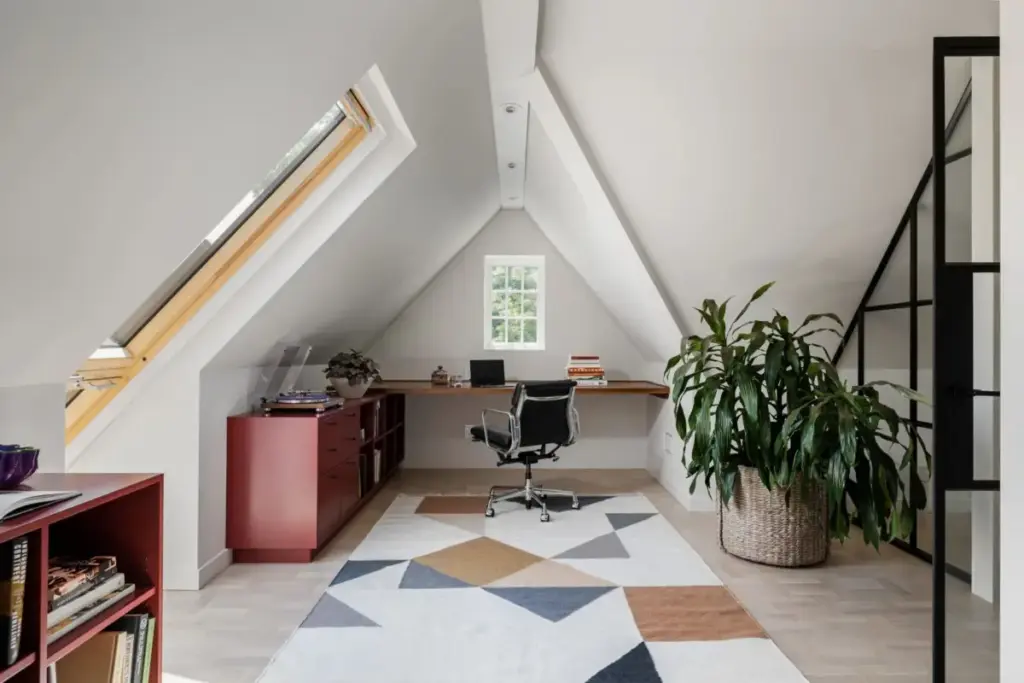
Interior designers and furniture manufacturers are responding to this shift by reinventing the humble clerical staple. Contemporary home offices demand pieces that feel less like corporate surplus and more like considered furniture. Recent interior transformations—such as a 1920s Tudor revival project overseen by AD PRO Directory designer Bethany Adams, where architectural gables and natural light frame a bespoke home workspace—demonstrate a growing desire for offices that feel warm, integrated, and deeply personal. Within these environments, storage solutions are undergoing a dramatic visual overhaul, moving far beyond the stark beige and institutional black of the past.

The modern market now offers an array of refined alternatives. Some are metal filing cabinets finished in vibrant, unexpected colorways that no traditional office manager would ever sign off on, injecting a soft or playful accent into a room. Others are crafted from rich woods and natural veneers designed to blend seamlessly with surrounding residential furniture, while a select few are genuine design icons that happen to double as organizational systems.
Before investing in these upgraded pieces, interior experts note that buyers must carefully consider several practical factors. It is essential to check whether the drawers accommodate legal-size files or are limited to letter-size folders, determine whether a locking mechanism is necessary for safeguarding sensitive items like passports and tax returns, and evaluate whether casters would make the unit more functional for pulling out from beneath a desk during daily work routines.

Among the standout space-saving solutions gaining traction among design professionals is the Branch Small Filing Cabinet. Known for unfussy, ergonomic office chairs, the brand brings a similar minimalist sensibility to its storage line. Standing 20 inches tall and roughly a foot wide, the compact unit slides effortlessly under most desks or into narrow gaps beside bookshelves. Weighing in at 22 pounds and equipped with smooth-glide wheels, it offers exceptional mobility for those who frequently reconfigure their rooms. Its smooth-coated finish represents a vast departure from the ribbed metal boxes of the 1970s, with color options like sage providing a gentle accent to brighten a workspace.
For those inclined toward recognized design pedigree, the Herman Miller OE1 Trolley, designed by the London studio Industrial Facility, borrows its silhouette from the classic bar cart. Featuring a slim powder-coated steel frame on casters topped with a rimmed tray to keep items secure during movement, it bridges the gap between utility and mobility. Beneath the surface, a tilting compartment opens to reveal dedicated slots for folders and stationery rather than glassware, offering a high-end, flexible workstation companion.

When wood is the preferred medium for a residential setting, options like the Article Fantol File Cabinet provide a petite profile tailored for low-profile desks. Standing 23 inches tall, the oak-finished cabinet looks decidedly like domestic furniture rather than office equipment, ensuring it doesn’t disrupt the visual harmony of a living room corner or bedroom workspace. Its top surface is spacious enough to support a compact printer, making it a functional and accessible choice.
Affordability and bold aesthetics also intersect in designs like the Laura Davidson Furniture Stockpile Cabinet, which challenges the traditional color palette by offering more than ten vibrant hues, ranging from cheerful oranges and cobalt blues to soft ivory. Built with proportions that create a softer visual profile than boxy steel alternatives, it fits seamlessly into narrow nooks while featuring gentle-closing drawers designed to prevent slamming—a crucial feature for shared living spaces and multi-use rooms.

For long-term durability and cohesive design schemes, pieces like the West Elm Cutler File Cabinet offer solid mahogany frames wrapped in oak or walnut veneers. Built to commercial contract-grade standards typically reserved for hospitality and corporate environments, it is engineered to withstand heavy use while sliding neatly beneath matching desks. Similarly, the West Elm Tandem Filing Cabinet pairs an oak-veneer case with a steel frame, rolling easily on casters to function as a mobile storage credenza that steers entirely clear of the traditional office supply catalog aesthetic.
At the more sculptural and avant-garde end of the spectrum, designers are completely rethinking how storage is accessed. The Konstantin Grcic-designed Magis 360 Degree Container discards traditional drawer pulls entirely, utilizing five trays that pivot around an aluminum spine to swing out sideways. When partially opened, the drawers fan into a dynamic spiral that resembles a modern art piece more than a filing system. Though the shallow trays are better suited for supplies and accessories than hanging folders, it remains one of the most striking ways to retrieve a paperclip.

For larger storage needs, pieces rooted in midcentury modern history, such as the USM Haller File Credenza, offer modular steel construction that has earned a place in the permanent collection of the Museum of Modern Art. Featuring drop-down doors and lower drawers that accommodate letter-size hanging files, each compartment locks securely with the simple turn of a coin—a subtle nod to the brand’s origins in hardware. While lockable storage typically evokes human resources departments, this configuration easily translates to a refined dining room or living space.
Similarly, the MoMA 5-Drawer Pivot Cabinet, made in Italy and retailed through the MoMA Design Store, stacks candy-colored drawers in a powder-coated finish that swing open on a pivot. Slim enough to function as a nightstand and vibrant enough to complement abstract art, it represents the modern evolution of office storage: versatile, artistic, and entirely at home outside the corporate cubicle.