


Pillsbury cake mixes have served as a reliable staple in American home baking for decades, anchoring birthday parties, holiday gatherings, and casual weeknight desserts. While modern baking aisles feature enduring standard flavors like yellow cake, rich chocolate fudge, and classic white cake that have easily stood the test of time, the corporate archives of major baking brands are filled with vintage experiments that have since faded from public memory. Among the most intriguing ghosts of baking history is a forgotten offering from the 1960s: the Lord Baltimore cake mix, introduced under Pillsbury’s prominent Flavormoist line.
During an era when convenience foods were rapidly transforming American kitchens, box mix innovations allowed home cooks to achieve bakery-quality results with minimal effort. Yet, even within a crowded marketplace of mid-century convenience products, the Lord Baltimore mix stood out for its distinct lineage. Drawing inspiration from a celebrated regional dessert, the mix offered home bakers a taste of Southern tradition elevated to new heights of richness and indulgence.
In a vintage 1960s print advertisement promoting the new flavor, Pillsbury marketed the Lord Baltimore cake as an exceptionally decadent treat. According to the promotional copy of the era, the cake was so remarkably rich that traditional bakers would need to adjust their standard habits, utilizing three eggs instead of the customary two called for in most standard box mixes. The period advertisement showcased the Lord Baltimore as a towering, multi-layered yellow cake covered in a textured, light pink frosting that hinted at fruit-infused flavors. Despite its prominent marketing push at the time, the flavor eventually vanished from grocery store shelves, leaving behind only scattered memories and vintage advertisements to document its brief existence.
The Southern Roots of a Classic Confection
To understand the appeal of the 1960s Pillsbury mix, one must examine the origins of its namesake. The Lord Baltimore cake is a direct historical twist on the Lady Baltimore cake, a retro but deeply beloved dessert steeped in Southern culinary tradition. First popularized in the early 1900s—and famously embedded in American literary culture through Owen Wister’s 1906 novel Lady Baltimore, which immortalized the confection in historical lore—the traditional Lady Baltimore cake is widely regarded as a luxurious staple of Southern baking.
Traditionally, a genuine Lady Baltimore cake is made with airy, delicate egg whites, yielding a feather-light crumb that contrasts sharply with its dense, opulent filling. The hallmark of the dessert lies within its interior layers, which are generously packed with a mixture of chopped nuts and dried fruits. In many authentic historical preparations, these fruits and nuts are soaked in rum or brandy before being folded into the filling, imparting a deep, complex warmth to the flavor profile.
The Lord Baltimore cake, while sharing the same noble heritage, introduces distinct alterations to the formula. Rather than remaining an exact clone of its predecessor, the Lord Baltimore traditionally incorporates fruit components such as maraschino cherries or rich cherry preserves directly into its design. This inclusion gives the cake and its accompanying elements a characteristic and visually striking pink hue. Furthermore, traditional and regional variations of the Lord Baltimore often incorporate other textural and flavor elements, such as toasted coconut flakes or crushed nuts, creating a multi-dimensional dessert experience that balances sweetness with nutty depth.
Unpacking the Pillsbury Variation
When Pillsbury adapted the concept for its Flavormoist line in the 1960s, the company adjusted the culinary mechanics of the cake to align with the convenience and expectations of mid-century consumers. Unlike the traditional Lady Baltimore cake famously enjoyed by figures like Martha Stewart in her childhood—which relies heavily on whipped, delicate egg whites to achieve its signature lift—the Pillsbury Lord Baltimore mix leaned in the opposite direction.
By instructing home cooks to incorporate three egg yolks rather than the standard two, the Pillsbury mix produced a cake that was substantially richer, denser, and more velvety than its traditional counterpart. Visual evidence from the period’s marketing materials suggests that the accompanying whipped frosting featured subtle additions of toasted coconut, while the prominent pink hue confirmed the presence of distinct cherry flavor profiles. However, as decades passed and consumer preferences shifted toward simpler, more universally appealing flavors like chocolate and standard yellow, the specific formulation, exact ingredients, and manufacturing blueprints for the Pillsbury Lord Baltimore cake mix were quietly retired, disappearing from supermarket aisles entirely.
Preserving the Tradition in Modern Kitchens
Although the specific commercial box mix produced by Pillsbury is no longer manufactured, the legacy of the Lord Baltimore cake has not been entirely lost to time. Culinary historians, vintage cookbook collectors, and passionate home bakers have kept the flavor profile alive through scratch-made recipes that capture the spirit of the mid-century adaptation and its older Southern ancestor.
Historical texts offer a glimpse into how home cooks achieved these elaborate flavors before the advent of convenience baking. For instance, the 1941 edition of the Better Homes and Gardens Cook Book features a dedicated recipe for a Lord Baltimore cake. This classic version utilizes a rich filling composed of macaroon crumbs, finely chopped almonds, pecans, fresh orange juice, and candied cherries. Other historical variations similarly rely on a lush filling built from crushed macaroon cookies and maraschino cherries, sandwiched between tender layers of cake.
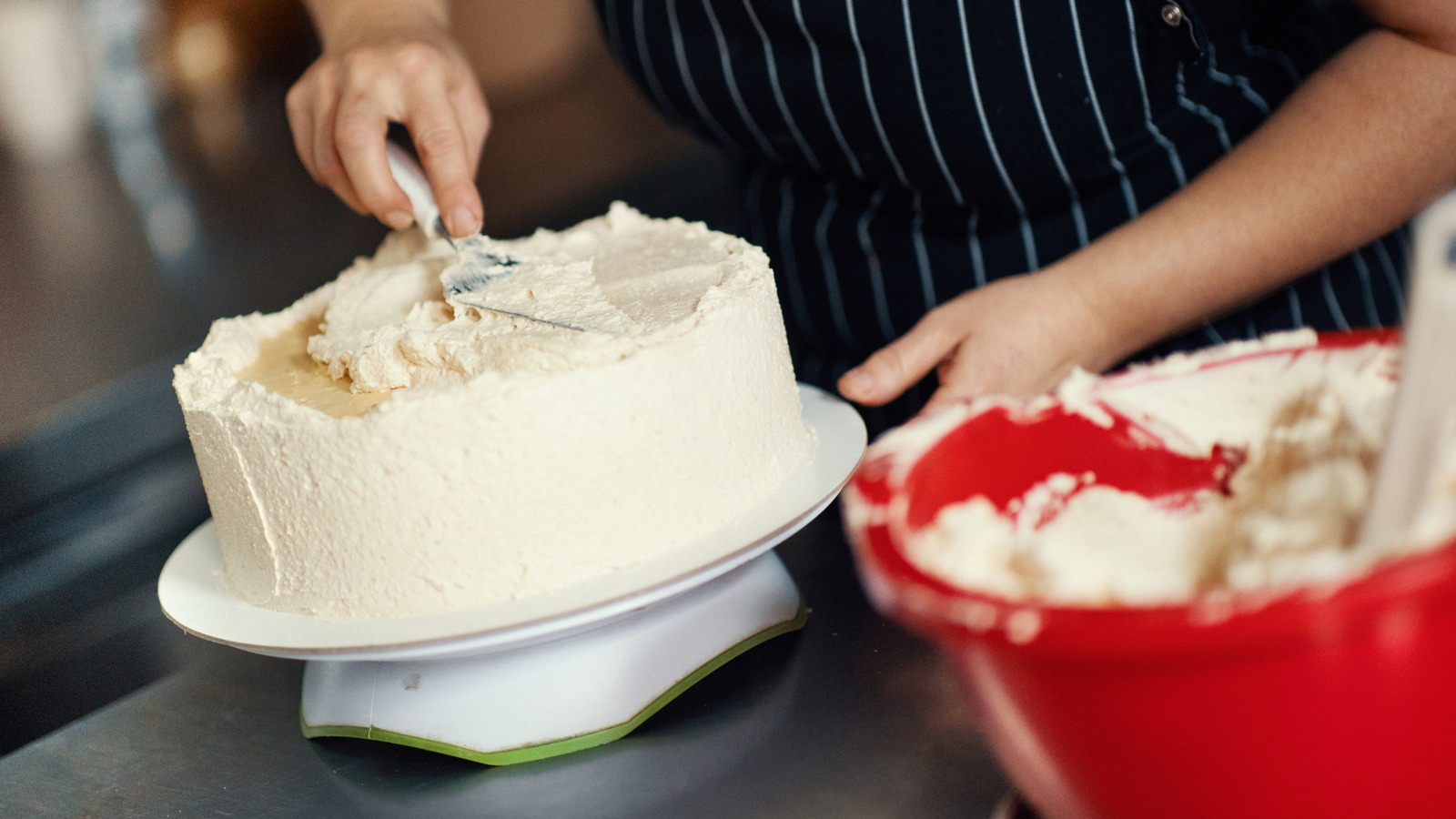
Once assembled, the cake is traditionally finished with a pristine, whipped white frosting typically made from a boiled mixture of egg whites, corn syrup, sugar, and a touch of vanilla. This lightly sweetened, neutral frosting serves an important culinary purpose: rather than overpowering the dessert, it provides a clean canvas that allows the bright, nutty, and fruit-forward filling to take center stage. Because of its warm flavor profile, which highlights seasonal favorites like pecans, dried cherries, and rich fruit components, the Lord Baltimore cake remains a fitting centerpiece for autumn and winter dessert tables.
While modern bakers can no longer simply pull a box of Pillsbury Lord Baltimore mix off the grocery store shelf, the enduring fascination with the vintage flavor speaks to a broader appreciation for the rich history of American baking. Whether discovered through yellowed pages of mid-century cookbooks or remembered through fading advertisements from the 1960s, the Lord Baltimore cake continues to represent a unique era of culinary innovation when traditional Southern elegance met the convenience of modern home baking.