


Published October 12, 2026
How we reported this story: The author, Danielle Zickl, a health journalist, interviewed two experts, a physical therapist and a sports scientist, who explained why exercise is necessary for bone health.
Whether you are scrambling up a steep, rocky mountainside or shredding uneven singletrack on your mountain bike, outdoor athletes require a sturdy and resilient physical foundation. While conversations surrounding athletic training, endurance sports, and outdoor adventures typically focus heavily on cardiovascular stamina or raw muscle strength, strong bones matter just as much to overall physical performance. Despite their critical importance, bone health is frequently overlooked by athletes who assume that being active alone is automatically enough to protect their skeletal system.
However, recent research published in the BMJ journal makes a compelling case for paying closer attention to your bone health, illustrating how your favorite outdoor activities can actually slow down the natural, age-related loss of bone mineral density, commonly referred to as BMD. Bone mineral density measures the exact amount of minerals, primarily calcium and phosphorus, contained within a given volume of bone. Put simply, the higher the mineral content, the denser the bone structure becomes, making it significantly less susceptible to fractures, breaks, and stress injuries when subjected to high-impact forces or unexpected falls.
Bone is living, dynamic tissue that constantly responds to physical stress, mechanical load, and external pressure. Because of this adaptive nature, regular participation in weight-bearing activities and targeted resistance exercise is vital for maintaining optimal bone health as the human body ages, according to Lori Diamos, MS, PT, FAFS. Diamos is a licensed physical therapist and the founder of PT Pearls, a specialized physical therapy practice based in Chicago, Illinois.
Understanding what the latest scientific data reveals about the relationship between exercise and the skeletal system can help outdoor enthusiasts take proactive steps to protect their structural integrity as they age.
Moderate-Intensity Exercise Keeps Bones Healthy
To better understand how physical activity impacts the skeletal system over time, the researchers behind the BMJ study examined comprehensive data pulled from 124 distinct clinical trials. These trials collectively encompassed a robust participant pool of 18,429 individuals aged 40 and older. The primary objective of the researchers was to analyze which specific types and exact amounts of physical exercise are most effective at preserving bone mineral density and preventing debilitating fractures in middle-aged and older populations.
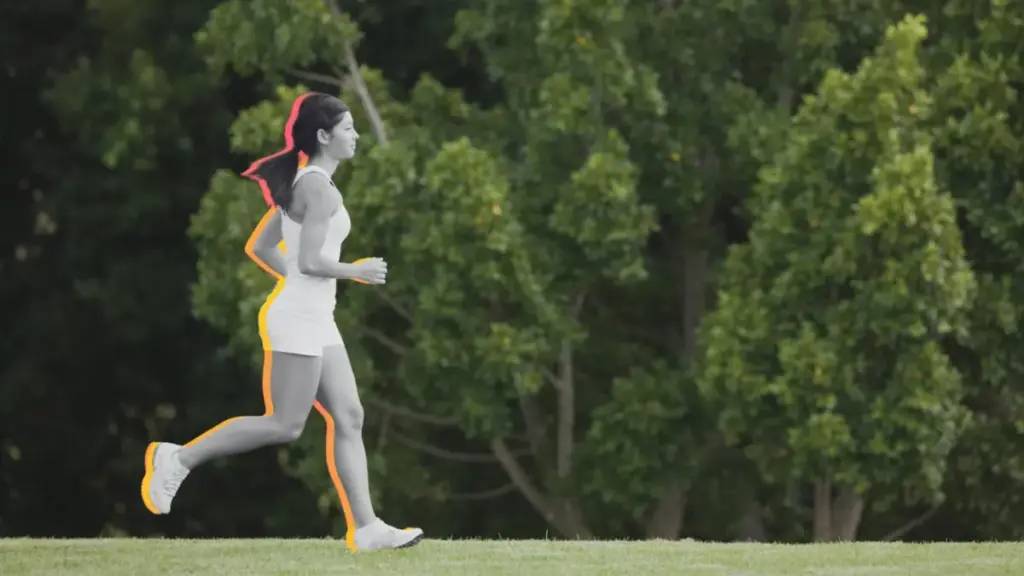
The results of the analysis revealed that engaging in roughly two to three hours per week of moderate-intensity physical activity—which equates to just about 20 to 25 minutes a day—provides substantial protective benefits for the skeletal system. Specifically, activities like brisk walking, light jogging, or similar moderate-intensity aerobic efforts help preserve bone health by actively slowing down the rate of age-related loss of bone mineral density in adults aged 40 and up.
The Most Effective Exercises for Each Bone Group
When examining the data more closely, the researchers found that different regions of the skeletal system respond best to specific categories of movement. For individuals looking to protect and preserve the health of their spine, activities such as brisk walking, jogging, and combined routines featuring both aerobic exercise and structured resistance training proved to be highly effective interventions.
For protecting the thigh bones, or femurs, brisk walking or jogging paired with mind-body exercises—such as traditional Tai Chi or various forms of yoga—demonstrated notable effectiveness. Meanwhile, for safeguarding the hip bones, which are particularly vulnerable to serious fractures later in life, brisk walking and jogging were found to be especially beneficial. Furthermore, the practice of mind-body exercises was broadly associated with an approximately 42 percent lower risk of fractures across the study populations.
Despite the breadth of the research, the study authors did point out certain methodological limitations within the available clinical trial data. Specifically, they noted that information regarding race, ethnicity, and socioeconomic status of the participants was rarely reported in the underlying studies. As a result, these demographic variables could not be fully incorporated into their analysis, which the authors acknowledged as a notable limitation when assessing equity in how exercise effects manifest across diverse populations regarding bone health.
Why Good Bone Health Benefits Hikers and Other Outdoor Athletes
For hikers, trail runners, backpackers, and other outdoor athletes, understanding the mechanical forces at play during exercise is crucial for long-term longevity in their sports. Walking and jogging create repetitive ground reaction forces that travel directly up through the bone structure, creating mechanical signals that stimulate new bone growth, Susie Reiner, PhD, explained to Outside. Reiner is an assistant professor of exercise and sport science at Seton Hall University as well as the founder of TheoryEx, a specialized sports science consulting firm.
In addition to ground reaction forces, Reiner noted that muscle contractions working against external resistance also place significant physical force on tendons, ligaments, and bones. This mechanical tension is a key driver in helping the body preserve and even improve bone mass over time, buffering against the natural decline that occurs as part of the aging process.
Meanwhile, mind-body practices like yoga and Tai Chi incorporate functional body-weight resistance while simultaneously challenging a wide array of physical attributes, including mobility, stability, balance, core control, and neuromuscular coordination, according to Diamos. The natural outdoor environment is inherently unpredictable, she noted. Trail surfaces, inclines, slopes, and footing can change dramatically from one step to the next, requiring outdoor athletes to frequently climb, descend, step over natural obstacles, balance momentarily on one leg, or rapidly recover from an unexpected misstep.
When an athlete possesses lower bone mineral density, their body becomes significantly more susceptible to painful stress injuries and traumatic fractures. This vulnerability is heavily magnified when falls are an inherent, unavoidable risk of navigating jagged rocks, slippery roots, and unstable, frequently wet surfaces out on the rugged trails, Reiner added.
Training the human body in a wide variety of different positions, planes of motion, and directions provides it with a richer library of movement patterns to draw from when those high-stakes situations happen spontaneously in the real world, Diamos explained. Having strong bones ultimately provides the robust structural foundation required to safely tolerate those repeated stresses and physical loads over years of outdoor recreation.
Ultimately, building and maintaining strong bones does not require grueling, highly strenuous, or excessively time-consuming workouts that dominate a person’s schedule. One of the single biggest barriers Diamos sees among busy adults is the persistent cultural belief that exercise only truly counts if it is performed for long durations or at a crushing level of intensity. Committing around 20 to 25 minutes a day to moderate, targeted physical activity feels vastly more approachable and realistic for the average person seeking to safeguard their long-term health.