



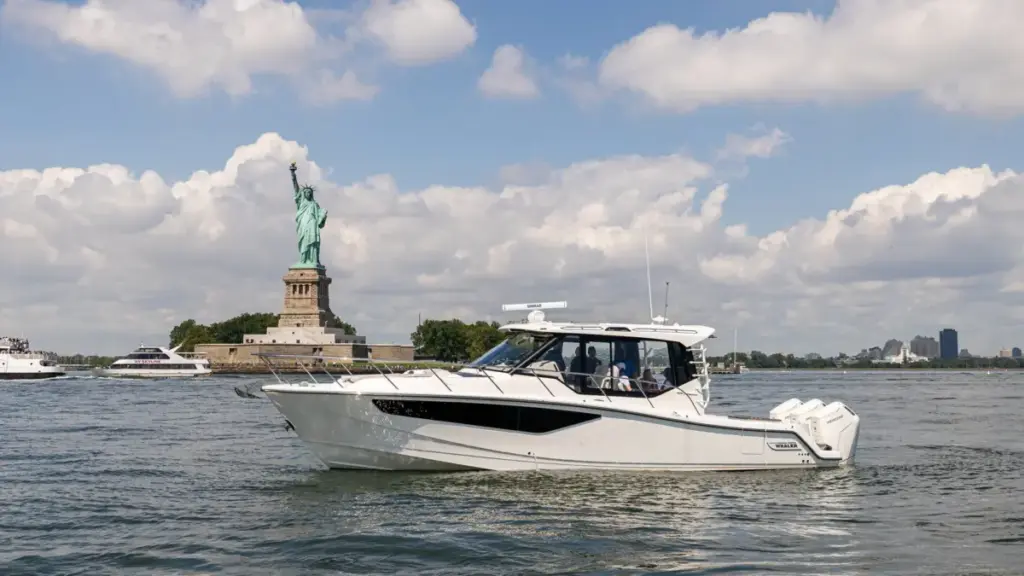
For millions of outdoor enthusiasts, few experiences rival the simple tranquility of spending a day on the water. Whether it is bobbing gently on the deck of a pontoon boat on an Upstate New York lake or navigating the open ocean off the coast of Long Island, boating offers a distinct escape from the pressures of daily life. Yet, for all its romantic appeal, traditional boat ownership has long carried a reputation as a notorious financial burden. Beyond the initial five-figure purchase price, prospective owners face a daunting array of hidden expenses, including maintenance, fuel costs, slip rentals, winter storage, and the administrative headaches of licensing and trailers.
While outdoor recreation enthusiasts have long enjoyed frictionless access to other pursuits—such as renting a kayak or a stand-up paddleboard for an afternoon—motorized boating has traditionally remained locked behind steep financial and logistical walls. Sailboats, despite their timeless glamour, present an even more complex set of maintenance and operational challenges. For those who love the water but refuse to see boat ownership through rose-colored glasses, a significant gap has always existed between desiring a day on the lake and finding a realistic, affordable way to make it happen.
This is the exact market inefficiency that alternative models are attempting to bridge. Data indicates that while an estimated 100 million Americans get out on the water every year, only about 150,000 new boats are sold annually. Recognizing this massive disparity, organizations like Freedom Boat Club have stepped in to fundamentally reshape how people access marine recreation. By treating access to the water less like a major capital purchase and more like a gym membership, these clubs are breaking down the historical barriers that have kept younger and more diverse demographics away from recreational boating.
Operating on a global scale with roughly 450 locations across the United States, Europe, Australia, New Zealand, and the Middle East, Freedom Boat Club functions similarly to a timeshare, albeit with significantly fewer strings attached and no high-pressure sales presentations. The financial structure requires an initial initiation fee of around $5,000, followed by recurring monthly fees of approximately $500. In exchange, members gain access to a massive and diverse fleet of over 5,000 vessels.
Before taking the helm, members must complete a series of mandatory introductory courses focused on safety, navigation, and boat operation. Once certified, members gain the flexibility to rent boats at any club location, at any time. This operational fluidity creates unique lifestyle advantages. For instance, seasonal residents known as snowbirds can easily spend their summers boating off the shores of Long Island before migrating south for the winter without missing a single day of maritime recreation. Similarly, a bride-to-be planning a bachelorette celebration can seamlessly take a group out on Lake Austin without navigating the often complicated and unreliable landscape of traditional peer-to-peer boat rentals.
The reservation system is designed to maximize flexibility while preventing overcongestion on the water. Members are permitted to hold up to four active reservations at a time, with each booking typically lasting three to four hours. Furthermore, double-booking is allowed, enabling members to secure a full day on the water when desired. Aside from exceptionally high-demand holidays such as the Fourth of July or Labor Day weekend, boats generally do not need to be reserved more than a few days in advance. To date, this model generates roughly 670,000 individual boating trips annually across the network.
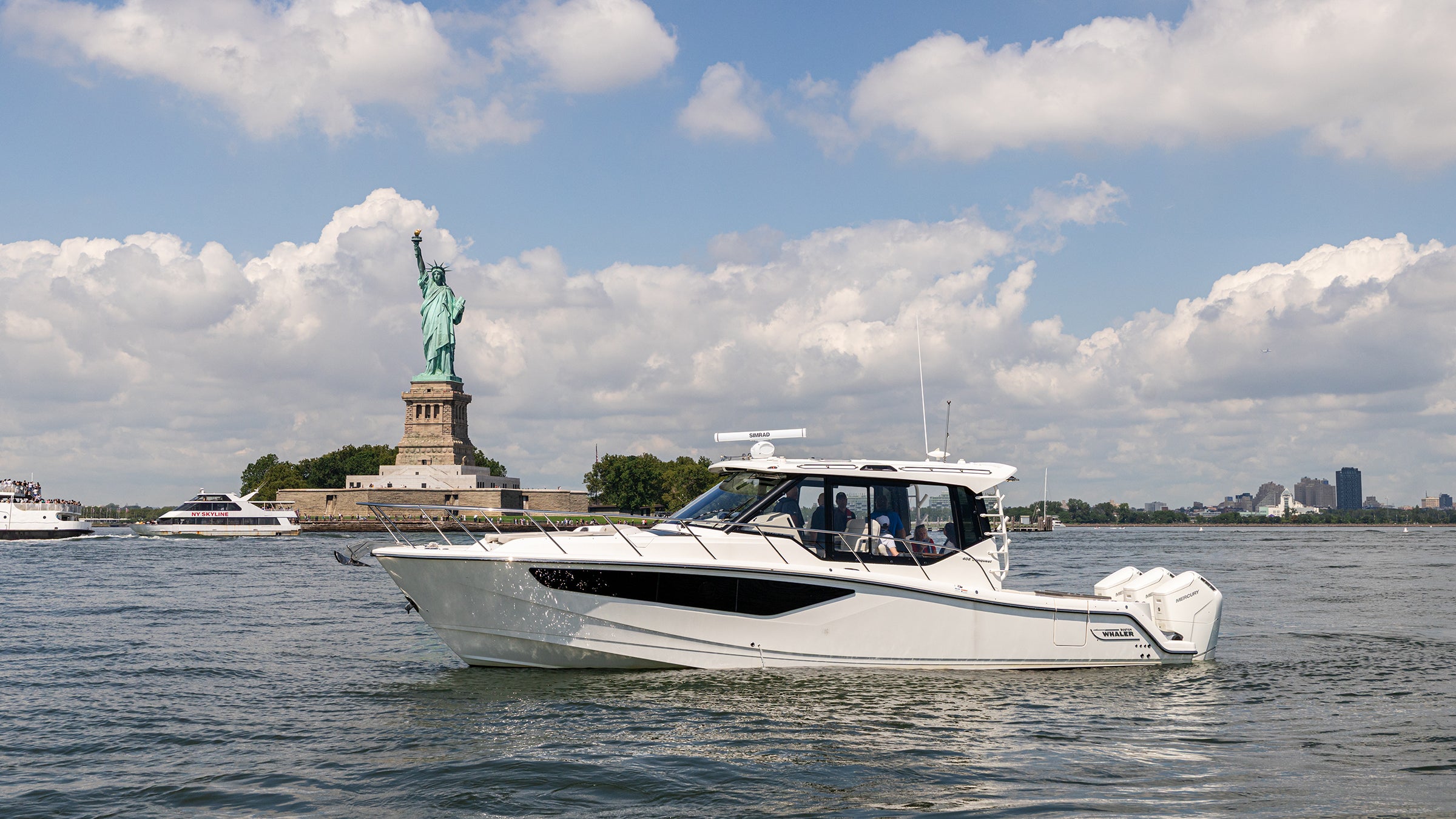
The vessels themselves are supplied and leased through Brunswick Boat Club, the parent company of Freedom Boat Club, ensuring a standardized and reliable fleet. The inventory spans a wide variety of styles tailored to different outdoor activities, including smooth Boston Whalers and spacious pontoon boats ideal for family outings, zippy bowriders for cruising, specialized inshore and offshore boats for fishing enthusiasts, and traditional sailboats. While certain specialized watercraft require additional operational training, leadership notes that this applies to only about 10 percent of the overall fleet.
A major selling point for members is the modern condition of the watercraft. The club routinely cycles out older inventory, replacing boats after approximately three years of service to ensure members are not left piloting aging or unreliable watercraft. Spanning roughly 400 locations throughout the United States alone, the club’s footprint encompasses an incredible variety of aquatic environments, including open oceans, calm lakes, winding rivers, and expansive bays, ensuring that wherever outdoor enthusiasts wish to explore, a suitable vessel is readily available.
The broader mission of expanding access to the water is driving a noticeable demographic shift within the sport. According to data from the National Marine Manufacturers Association, traditional boat ownership is heavily clustered among older demographics, typically individuals in their 60s and 70s. In stark contrast, Freedom Boat Club’s membership base skews significantly younger, with the core demographic concentrated in the late 30s to mid-40s.
This modern, membership-based approach is also successfully diversifying the face of recreational boating. Approximately four out of every ten members joining the club are entirely new to boating, having had no prior history of watercraft ownership or regular participation in the hobby. Additionally, women make up nearly 30 percent of the club’s membership base—a substantial increase compared to the roughly 12 percent representation seen in traditional boat ownership models.
For many outdoor enthusiasts, the appeal of this lifestyle goes far beyond recreational convenience; it offers a profound sense of mental escape. The unique environment of the water transforms everyday stressors, providing a rare moment of pure peace and psychological relief. Yet, for those who cherish that specific brand of tranquility—whether reading a book on the deck of a pontoon boat or feeling a fresh breeze while drifting—the heavy burdens of individual ownership remain entirely unappealing.
Forgoing the endless cycle of maintenance bills, exorbitant fuel expenses, unpredictable docking fees, and storage anxieties allows individuals to focus entirely on the purest elements of the experience. Without the angst of upkeep or the awkwardness of hoping for an invitation onto an acquaintance’s vessel, the modern boating club model offers a streamlined path to the water. Armed with little more than an active reservation and a few introductory safety courses, a new generation of water lovers can find their ideal summer day waiting for them at the dock.