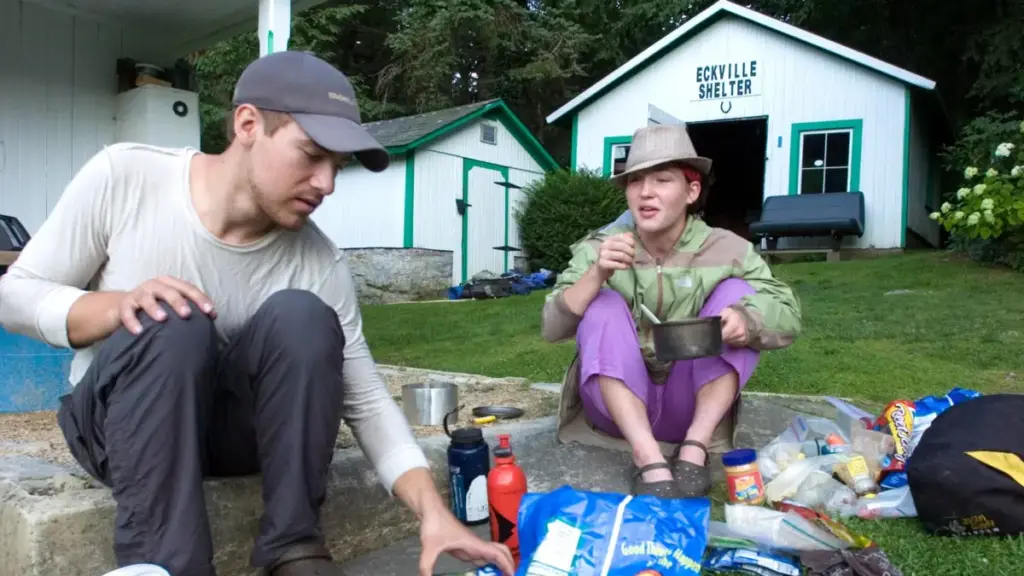
BERKS COUNTY, Pennsylvania — For nearly 40 years, Mick Charowsky has called a converted wooden barn in Berks County home. As the dedicated caretaker of the historic Eckville shelter—a bunkhouse originally built in 1880—Charowsky is a fixture at mile 1,235 of the legendary Appalachian Trail, a grueling 2,200-mile footpath defined by rocky terrain, rugged hill climbs, and historic waypoints.
Stretching from Georgia to Maine, the Appalachian Trail (AT) is punctuated roughly every day’s hike apart by simple structures. Ranging from rough wooden lean-tos to fully enclosed cabins, these shelters serve a vital purpose for thru-hikers and section-hikers alike. To anyone who has just spent hours pushing through relentless rain, freezing winds, or blistering summer heat, these structures act as sanctuaries. They offer a safe haven to drop a heavy pack, cook a warm meal, and rest aching feet before the next day’s climb.
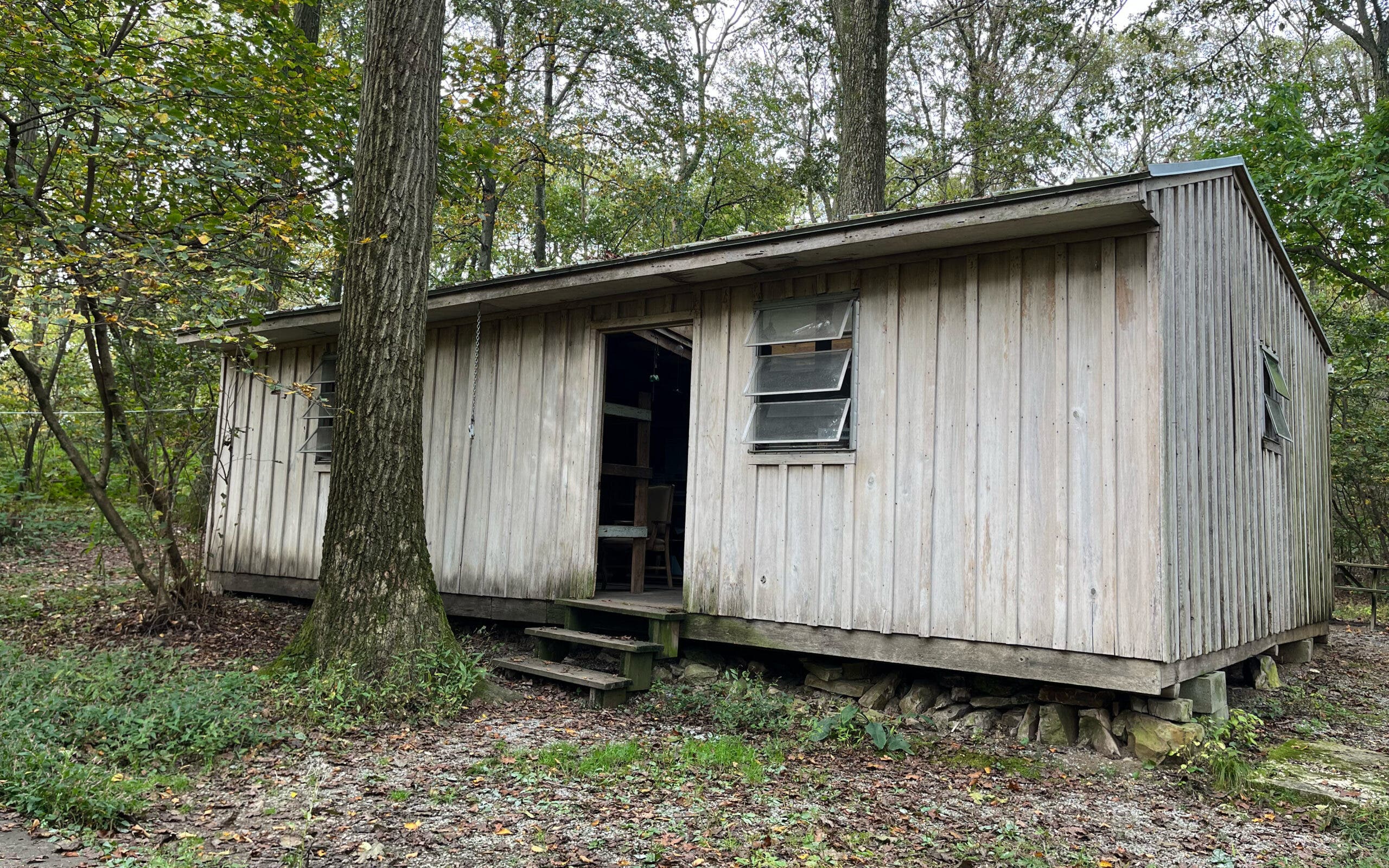
Now, however, the future of these mountain refuges is facing a serious threat. The National Park Service (NPS), which manages the AT in partnership with the U.S. Forest Service and multiple state agencies, is preparing to tear down both the Eckville shelter and a nearby structure known as the 501 shelter. According to an NPS spokesperson, the agency believes the shelters fail to meet current safety standards and should be removed entirely from the landscape.
The announcement has sparked immediate outrage among a vocal chorus of AT hikers, local residents, and regional volunteers, who have mobilized under a newly launched campaign called "Save Our Shelters." The grassroots effort features a dedicated website and an online petition aimed at halting the demolition plans.
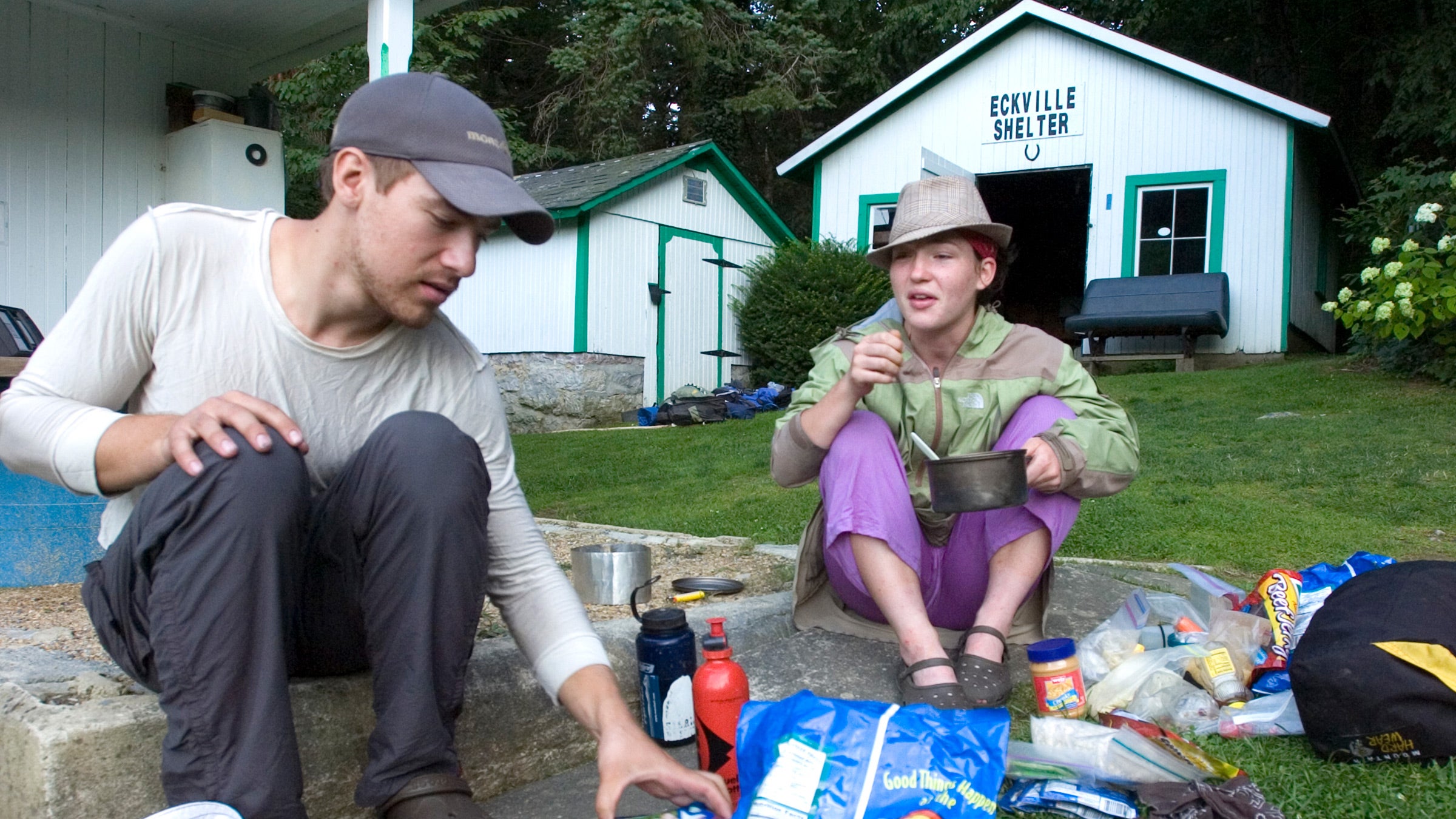
"The NPS may own and safeguard the existence of the AT on paper, but this place is ours," said Dan Nash, a 2017 AT hiker who was born and raised near the shelters. "It is our heritage. If it can’t be operated as a shelter, at least let us take possession of it rather than see another iconic piece of our community needlessly destroyed."
Darree Sicher, a local advocate and co-chair of Save Our Shelters, summarized the sentiment of the community more succinctly. "If it ain’t broke, don’t fix it," Sicher said. "People use these shelters and want them there."
Why the NPS Wants to Tear Down the Two Structures
The controversy began when the NPS officially announced its plans to tear down the shelters in April 2025. In the wake of the announcement, the 501 shelter was closed to the public pending its eventual demolition, while the Eckville shelter remains open for now.
An NPS spokesperson explained to Outside that the removal of the structures is part of a broader, long-term initiative to rewilding the trail, which emphasizes primitive backcountry camping over permanent architectural installations.
"The removal of the nonconforming 501 and Eckville shelters is intended to restore this section of the Appalachian National Scenic Trail to a more natural backcountry setting, while also addressing ongoing safety, maintenance, and repair concerns associated with the structures," the NPS spokesperson said.
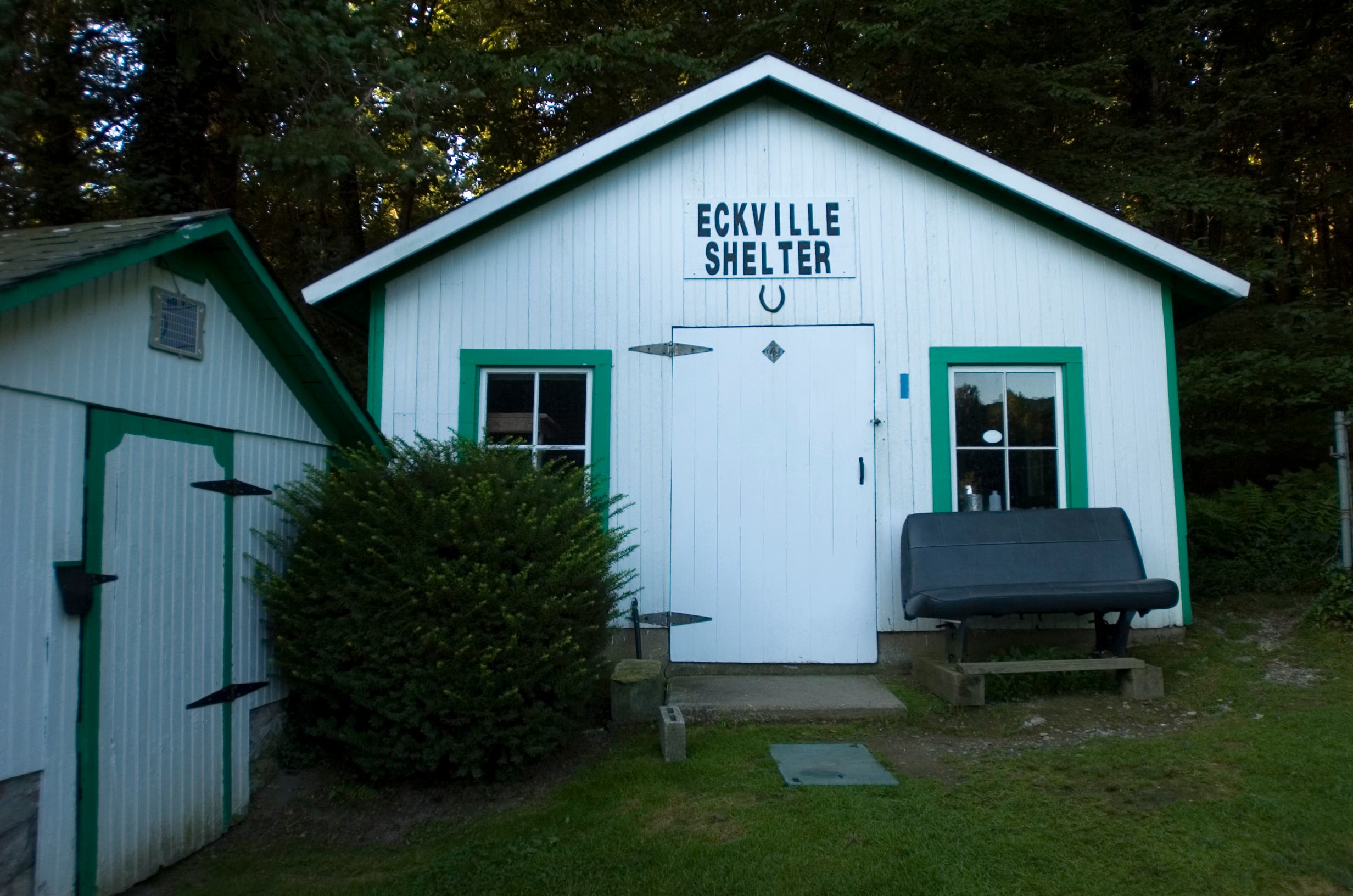
Under current agency policy, shelters are deemed "nonconforming" if they are situated less than two miles from a road or another motorized access point. Both the Eckville and 501 shelters sit closer to roadways than the mandated threshold. According to federal land managers, shelters built in close proximity to roads frequently attract non-hikers seeking a place to gather, which can lead to persistent problems with litter, property damage, and overcrowded bunks.
While the NPS has not yet announced a definitive timeline for when the demolition crews will move in, agency representatives note that the project still has administrative hurdles to clear. "Before any removal activities occur, the project will undergo environmental and historic preservation reviews over the coming year," the spokesperson added.
The demolition plan has also received backing from the Appalachian Trail Conservancy (ATC), the national nonprofit organization dedicated to the oversight and maintenance of the footpath. The ATC views the removal as a necessary step in a decades-old strategy to minimize human impact on the trail’s fragile ecosystem, which currently accommodates more than 250 permanent shelters.
Luke Weir, a spokesperson for the ATC, pointed out that the rationale for removing roadside structures is rooted in the trail’s Comprehensive Plan, a guiding document drafted by the NPS and the Forest Service in 1981. While acknowledging that the structures are deeply cherished by the community, the plan explicitly states that the "use of the trail should not depend on them."
Morgan Sommerville, the ATC’s director of visitor use management, noted that some historic shelter locations present modern environmental and archeological challenges. "A lot of shelters are really old, and put in places that we now wouldn’t put them, because we have more knowledge," Sommerville explained. "Some are in places where maybe there are rare plants or artifacts." He added a nuanced perspective on the system as a whole: "Plenty of shelters are placed at appropriate sites, and some aren’t."
Why Hikers and Locals Want the Shelters to Stay
For the people who use, maintain, and live near the trail, the functional luxuries provided by Eckville and 501 are invaluable. Unlike standard wilderness lean-tos, these two locations offer unique amenities. Hikers visiting the shelters have traditionally enjoyed solar showers, flush toilets, and electricity. At the 501 shelter, the proximity to a roadway even allowed hikers the rare luxury of ordering pizza delivery during their journey.
"Not everyone is physically able to hike 27 miles in a day," said Bernadette Leibensperger, owner of the nearby Lookout House hostel. "Nor does every hiker have the proper gear, enough water, or the ability to keep their devices charged for a long stretch between safe stopping points."
Chuck Eckenroth, a resident of nearby Kempton who completed a thru-hike of the AT in 1999, frequently returns to the trail to check on hikers, often bringing pizza and snacks to share. "Eckville is the closest spot in the Appalachian Trail for me to meet up with current hikers," Eckenroth said.
Recent hikers share similar sentiments. Billy Ciccino, who recently finished a 130-mile section hike of the AT through Pennsylvania and stayed at Eckville, praised the location’s distinct character. "From its flush toilet and shower to Mick the mercurial caretaker, the Eckville shelter has long been considered an icon to both thru hikers and section hikers alike," Ciccino said. "I challenge you to find one hiker who agrees with the decision."
Supporters of the shelters are quick to highlight the invisible labor that keeps these sites running. Caretakers like Charowsky live on-site and manage the facilities largely on their own time, while regional volunteer groups—such as the Blue Mountain Eagle Climbing Club (BMECC)—raise funds and provide the manual labor required to maintain them.
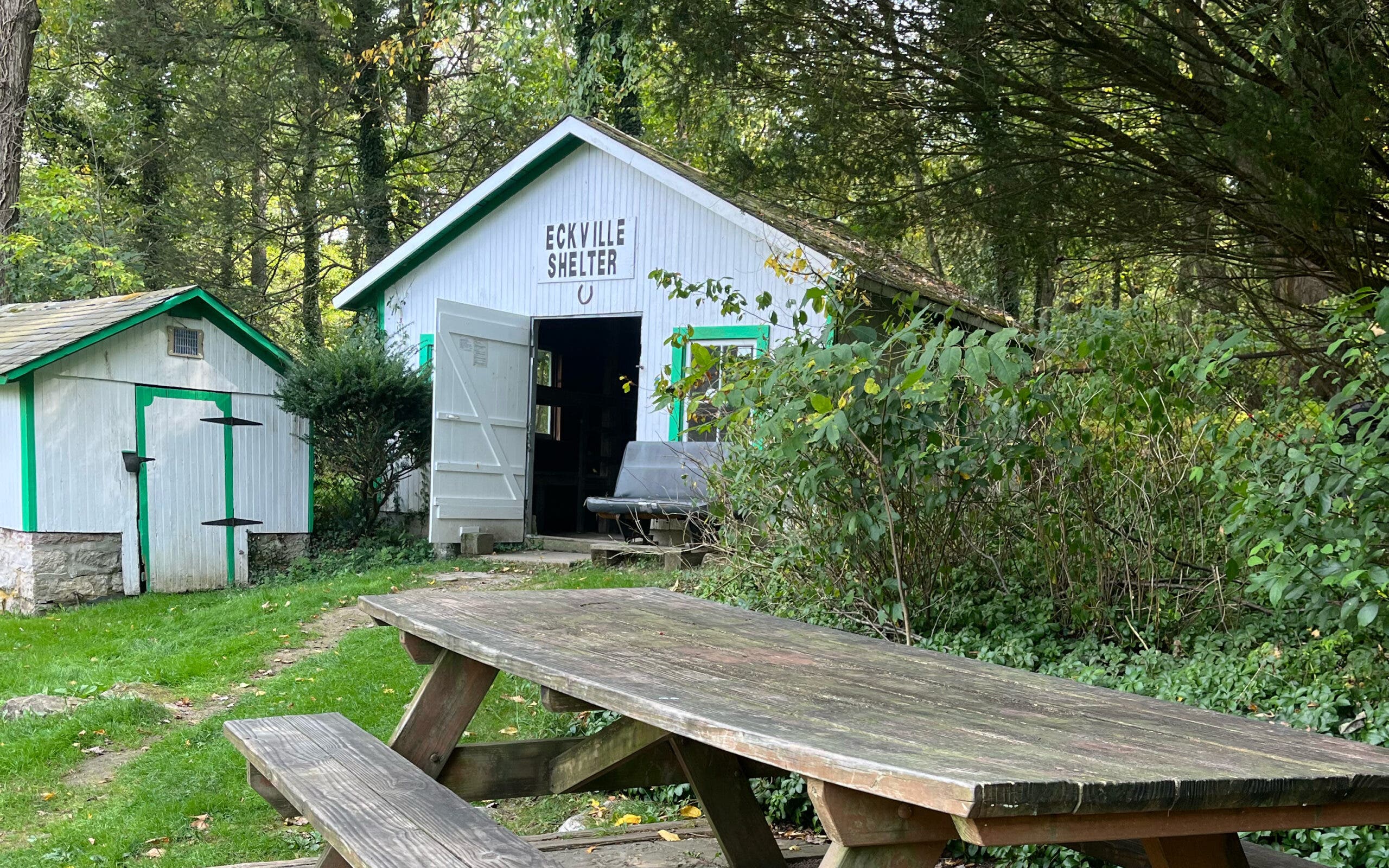
"If the trail volunteers, local community members, and hikers, the people actually connected to and affected by the Eckville Shelter, have no problem with the shelter as it exists, then why does a detached and distant federal agency have a problem?" Nash asked.
A Plan to Build Support
The Save Our Shelters campaign was spearheaded by the BMECC, a Pennsylvania-based nonprofit that plays a critical role in managing the 65-mile stretch of the Appalachian Trail where both threatened structures are located.
In September, the campaign rolled out an online petition in a push to demonstrate widespread public backing for the shelters. Darree Sicher noted that the BMECC’s immediate goal is to collect 2,000 signatures on the current petition, following an earlier drive in 2025 that gathered nearly 1,500 names.
Alongside the petition, the group has actively reached out to local municipalities, regional wildlife sanctuaries, and watershed associations to secure formal letters of support. Sicher intends to present the compiled signatures and advocacy letters directly to the National Park Service and the Appalachian Trail Conservancy as tangible proof of regional opposition to the teardown.
"It’s a historic property," Sicher said. "It’s a part of old mountain culture."