Published October 1, 2026, by Elena Waldman
For decades, the global fashion industry has faced mounting scrutiny over the use of animal fur, with public perception shifting overwhelmingly toward the view that the practice is fundamentally cruel. Now, a parallel reckoning is taking shape within the textile market, as animal rights organizations and consumer surveys target another staple of cold-weather apparel: wool.
According to a newly released survey conducted by The Harris Poll on behalf of People for the Ethical Treatment of Animals (PETA), public attitudes toward traditional textiles are undergoing a profound transformation. The survey reveals that 71% of U.S. adults agree that, from an animal-welfare perspective, raising and slaughtering animals for wool is just as cruel as raising and slaughtering animals for fur.
This shifting sentiment arrives in the wake of high-profile activism within the fashion capital of New York City. Earlier this autumn, PETA disrupted a major runway presentation during New York Fashion Week (NYFW), drawing international media attention to the realities of the global wool trade. The findings suggest that consumers are increasingly connecting the dots between their wardrobes and the treatment of animals, raising difficult questions for major apparel retailers regarding their sourcing practices and sustainability claims.
What Happens to Sheep in the Wool Industry?
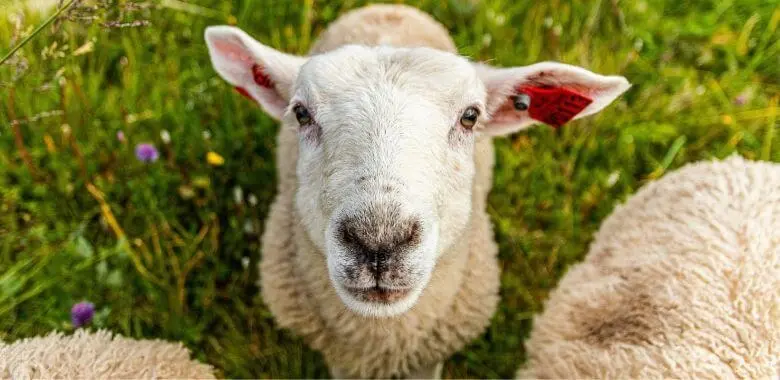
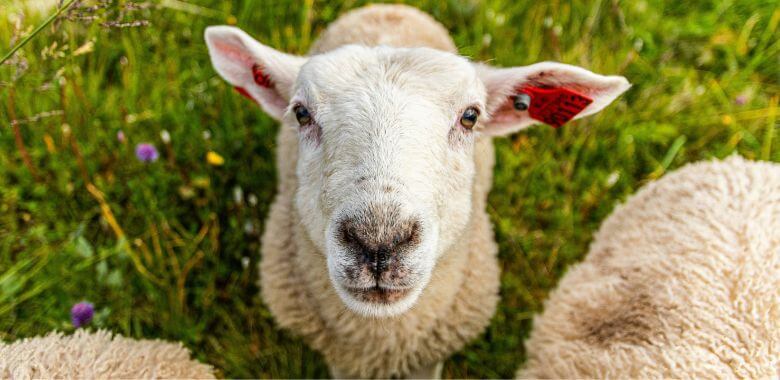
To understand the growing consumer backlash, animal welfare advocates argue that it is necessary to look past the finished garments hanging on retail racks and examine the conditions under which wool is harvested. Ethologists and animal behaviorists have long established that sheep are gentle, social individuals capable of forming deep, lasting bonds with one another. They actively seek out companionship, look out for members of their flock, and display distinct individual personalities, with some showing bold and curious traits while others remain naturally cautious and reserved.
Despite these complex emotional and social lives, critics contend that the commercial wool industry reduces these animals to little more than fiber-producing commodities. Industrial farming models emphasize high-volume output and speed over animal welfare, leading to widespread systemic abuses across supply chains worldwide.
These concerns were underscored by an undercover investigation conducted by PETA Asia, which documented disturbing conditions at a NATIVA-certified wool operation. Investigators captured footage of workers kicking and stomping on sheep, dragging young lambs violently by their legs, and leaving adult animals with severe, untreated wounds following the shearing process. Compounding the controversy, the farm in question sold its wool through a contracted supplier directly connected to the H&M Group, the parent company of the contemporary fashion brand COS.
Industry watchdogs emphasize that this incident is far from an isolated anomaly. PETA entities and other investigative organizations have documented systemic cruelty at more than 150 wool-industry operations across multiple continents. These investigations have repeatedly exposed farm workers beating, kicking, and mishandling sheep, inflicting painful cuts with shears during rushed harvesting sessions, and ultimately sending animals to slaughter when their wool production declines and they are no longer deemed financially profitable by farm operators.
PETA Takes the Message to New York Fashion Week
Rather than confining their advocacy to digital campaigns or policy lobbying, animal rights activists brought these investigative findings directly to the center of the global fashion establishment. On September 13, during New York Fashion Week, advocates disrupted the runway show for COS, deploying banners and vocal protests to call attention to the suffering of sheep in the wool supply chain and directly challenging the H&M Group to eliminate wool from its collections entirely.
The demonstration quickly escalated beyond a standard runway disruption. As protesters voiced their opposition to the brand’s material sourcing, a fashion executive physically intervened, forcefully grabbing and restraining the demonstrators. Video footage of the physical confrontation circulated rapidly across social media platforms and news outlets, drawing intense international scrutiny to both the protest and the underlying labor and animal welfare issues it sought to highlight.
The resulting media storm significantly amplified PETA’s core message. According to the data compiled by The Harris Poll, the incident succeeded in driving public awareness to unprecedented levels among fashion consumers. Among the surveyed Americans who reported having heard about the New York Fashion Week protest, 81% stated that the demonstration increased their awareness regarding sheep welfare concerns within the wool industry.
For a substantial segment of the public, the disruption served as an introduction to an overlooked issue. Approximately 40% of respondents who knew about the protest indicated that it was the first time they had ever heard about the welfare challenges inherent in wool production. Meanwhile, another 41% reported that they were already generally aware of the topic prior to the event, but noted that the protest and subsequent media coverage provided them with a deeper and more comprehensive understanding of the issue.
Consumers Are Rethinking Wool
The growing visibility of animal welfare concerns in textile production appears to be actively altering consumer purchasing habits and retail preferences. When presented with information regarding what sheep endure in the commercial farming process—and informed about the recent New York Fashion Week protests—42% of surveyed Americans stated that they were now less likely to purchase wool products in the future.
Concurrently, the data points to a surging market interest in alternative materials. Over half of the respondents, or 56%, indicated that they are increasingly interested in exploring animal-free or vegan fashion options as they reassess their personal wardrobes. This behavioral shift signals potential financial risks and opportunities for apparel brands navigating the evolving consumer landscape.
Retailers ignoring these shifting preferences may do so at their peril, as the survey highlights a direct correlation between brand reputation and material sourcing ethics. Nearly half of the respondents, specifically 45%, stated that they would view a clothing retailer significantly more positively if that business made the corporate decision to stop selling wool entirely.
As the fashion industry continues to grapple with demands for greater transparency and ethical accountability, the debate over natural versus synthetic and alternative fibers is intensifying. For animal rights organizations, the message to consumers remains clear: every wool garment originates from an animal whose fleece belongs to them. Advocates are continuing to urge shoppers to steer clear of wool and embrace sustainable, vegan fashion alternatives, while keeping pressure on major corporate entities like the H&M Group to remove animal-derived fibers from their inventories once and for all.