

As running shoe categories continue to multiply to meet the hyper-specific demands of modern endurance athletes, a relative newcomer has firmly established itself at the crossroads of pavement and dirt: the gravel running shoe. Once dismissed by many road and trail purists as an unnecessary middle ground—neither specialized enough for technical singletrack nor sleek enough for pure road racing—the category is currently experiencing a massive boom. Major footwear brands like Nike, Adidas, and HOKA have begun incorporating gravel-specific language into their hybrid lineups, while specialized outdoor companies like Salomon and Craft have doubled down by engineering purpose-built models from the ground up.
Among the latest entries to this booming market is the Salomon Aero Blaze 4 GRVL, alongside its all-weather counterpart, the Aero Blaze 4 GRVL Gore-Tex. Launched globally in September 2026, the shoe has quickly drawn attention from runners navigating the shifting boundaries between urban streets and tame backcountry paths. To see how the footwear handles real-world conditions, gear writer and tester Dean Stattmann put the Aero Blaze 4 GRVL through an intensive testing regimen. This included a competitive 14-kilometer gravel race in the Swiss Alps and a demanding, week-long 22-kilometer adventure through the variable, often treacherous terrain of the Scottish Highlands, pushing the shoe across asphalt, hard-packed gravel, deep mud, and technical trails.
The Evolution of a Convert
For many runners, the utility of a dedicated gravel shoe remains an open question until they face a mixed-terrain logistical challenge. Testers and athletes accustomed to running exclusively on smooth city pavement or, conversely, deep in the mountains, often encounter races or training routes that defy categorization. Such was the case for Stattmann, who previously viewed gravel shoes as a pointless compromise. That perspective shifted dramatically following a move to Switzerland and registration in a Zurich-area race part of the ZKB ZürilaufCup series—an unassuming 11-kilometer course boasting 150 meters of elevation gain, but with a surprising course profile consisting of 80 percent trail and 20 percent road.
Faced with this hybrid layout, runners are often forced into difficult footwear compromises. Choosing a traditional trail shoe can feel like driving a heavy tractor on a highway the moment the route transitions to asphalt. Opting for a carbon-plated trail shoe offers only marginal improvements on the road while retaining the clunky feel of heavy agricultural equipment. Conversely, lacing up a high-performance, carbon-plated road racing shoe delivers incredible speed on pavement, but transforms into a liability on loose rock descents, leaving exposed racing foam shredded and ruined by the end of a single outing—a choice that is neither safe nor sustainable for everyday training.
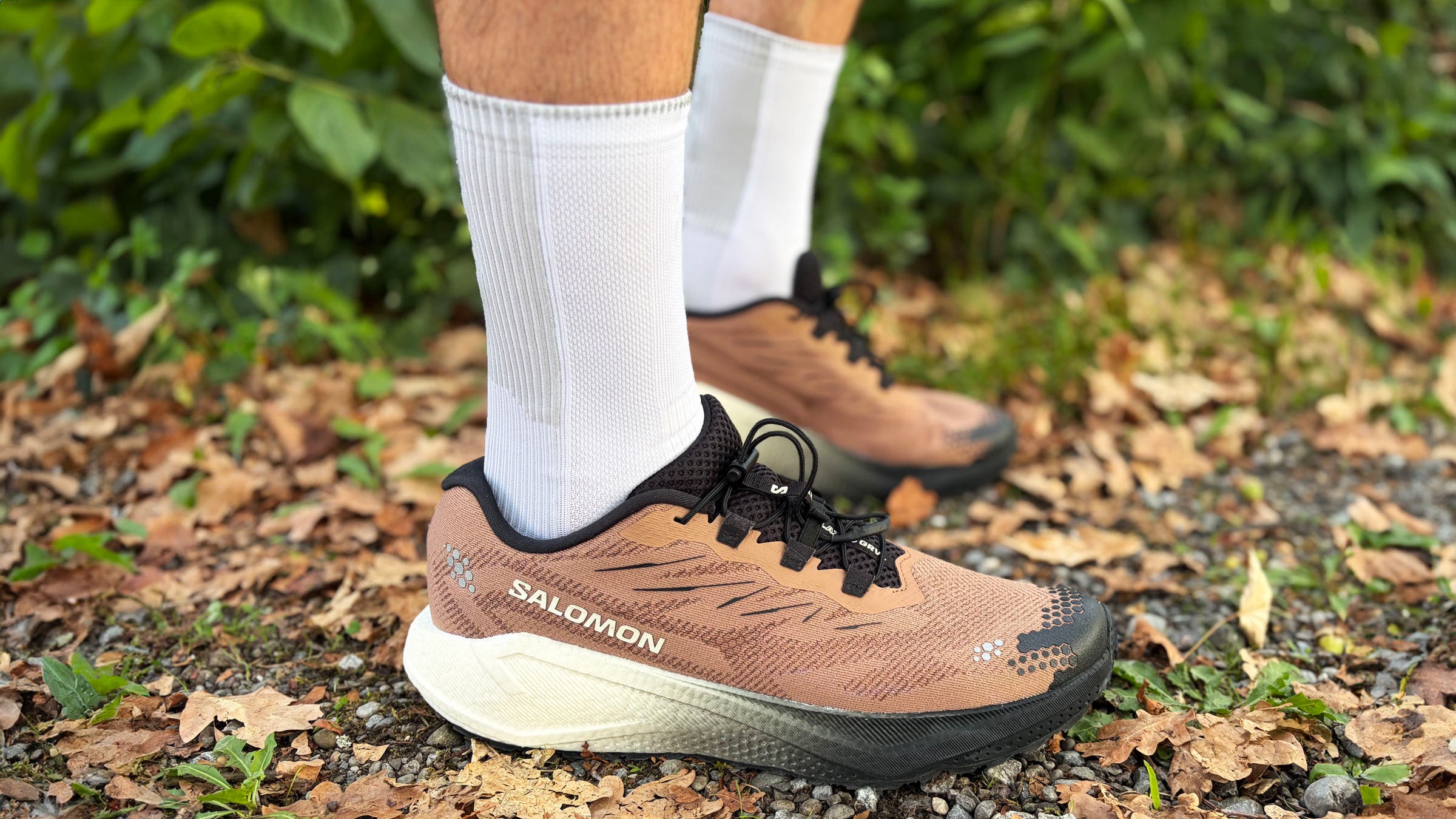
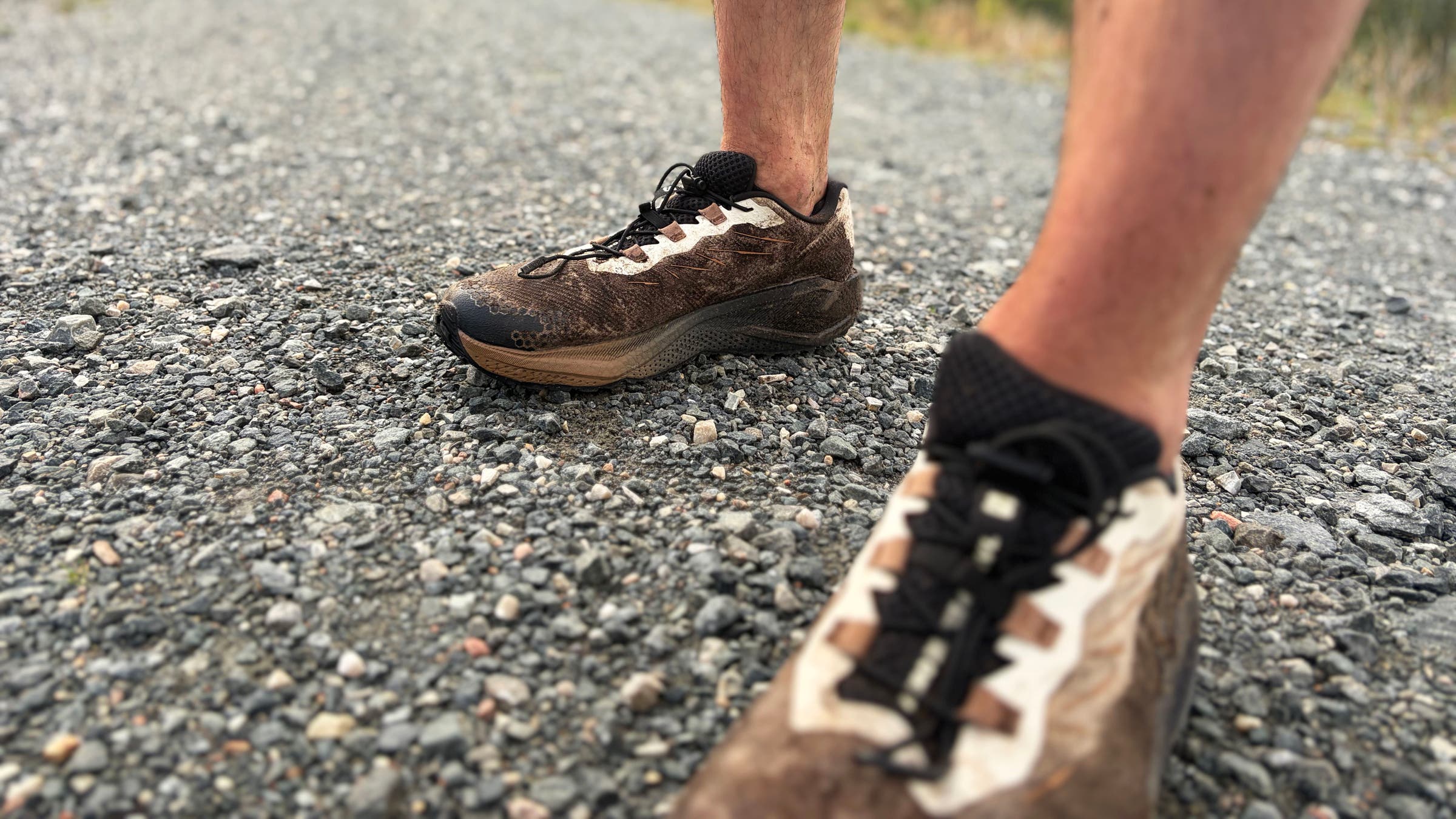
Arriving just days before a subsequent 14-kilometer Swiss alpine race, the Salomon Aero Blaze 4 GRVL provided an immediate alternative. Built with a lightweight profile tipping the scales at 8.74 ounces, a stack height ranging from 35 to 27 millimeters, and an 8-millimeter drop, the shoe bridges the mechanical gap between road and trail. Right out of the box during a preliminary shakeout run on pavement, the shoe surprised testers by shedding the heavy, stiff sensation typical of traditional trail footwear. Although equipped with intentional traction elements, the 2.5-millimeter shallow lugs are low profile enough to mimic the smooth cadence of a road running shoe, while offering secure footing when veering onto dirt, grass, and gravel.
Performance on Mixed Surfaces and Travel Utility
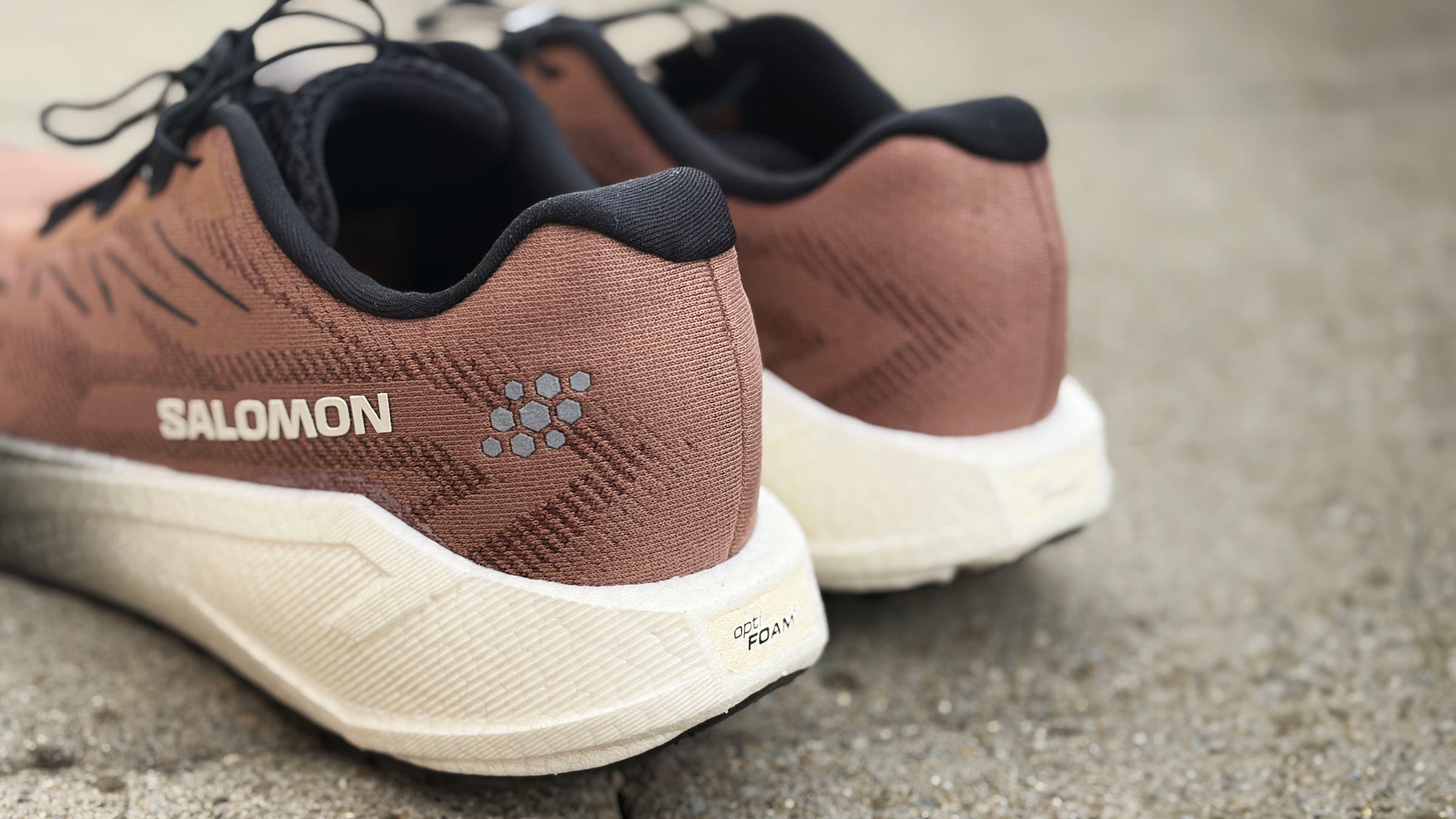
The standout performance driver of the Aero Blaze 4 GRVL lies in its midsole construction. Utilizing supercritical eTPU pellets—material remarkably similar to the responsive, bouncy foam found in iconic performance models like Adidas’s Boost line—the shoe delivers a lightweight, high-energy return without the associated bulk. This dynamic midsole is paired with a minimalist upper crafted from a single piece of breathable, abrasion-resistant textile, allowing the foam characteristics to dictate the ride quality.
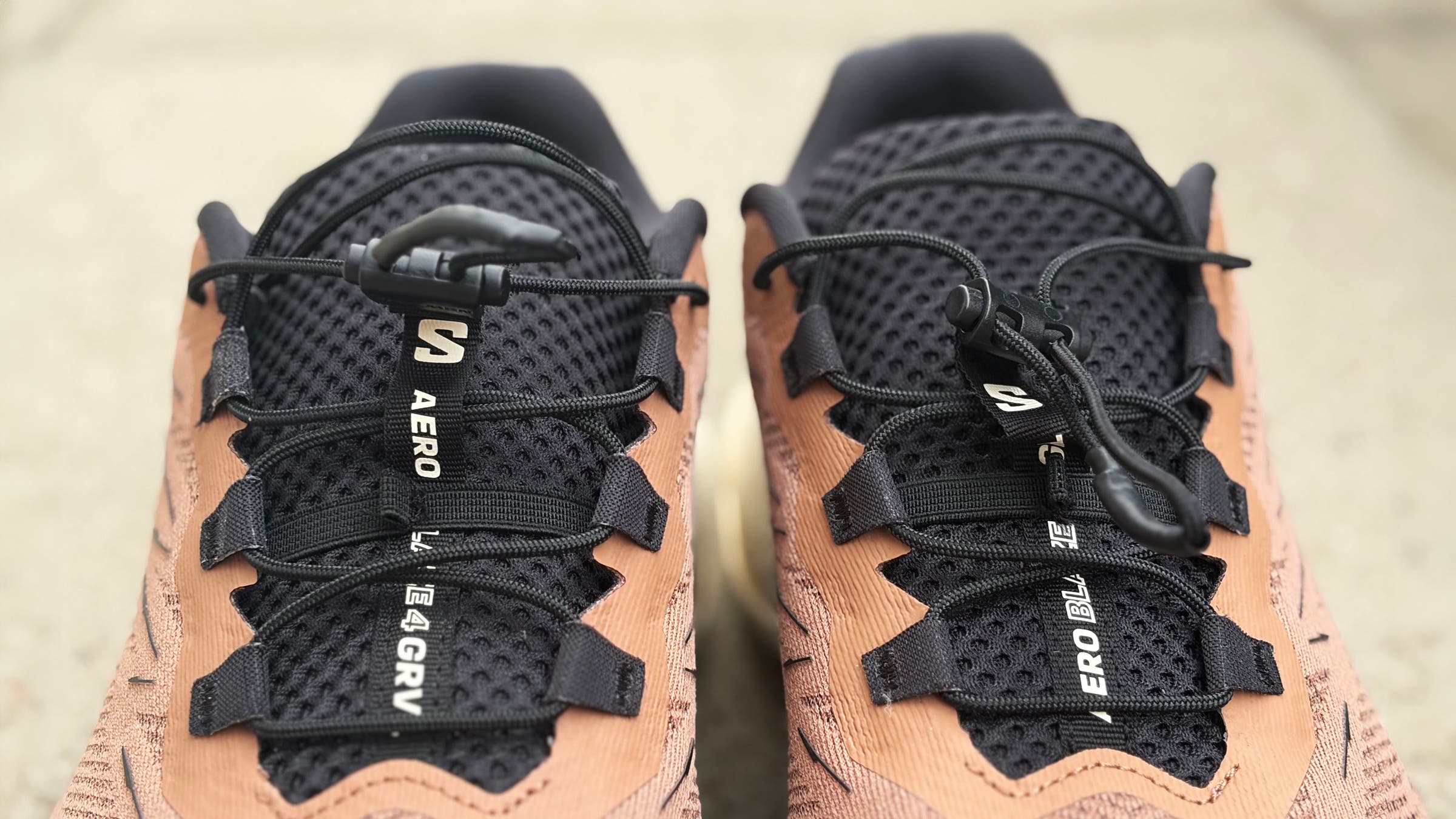
During the Swiss alpine race, which alternated evenly between smooth asphalt and level, loose gravel roads, the shoe demonstrated its true intended purpose. On the paved stretches, it felt fast and nimble, allowing the runner to maintain a natural stride. When the course transitioned to off-road gravel, the transition occurred seamlessly without requiring adjustments in running form or speed. While Salomon markets the shoe firmly as a daily trainer rather than a dedicated race-day supershoe, its consistent performance across dual terrains allowed for an uninhibited, maximum-effort push that neither pure road nor traditional trail shoes could comfortably match.
Beyond racing applications, the Aero Blaze 4 GRVL proves exceptionally well-suited for travel. Modern runners frequently travel light, rarely packing separate pairs of dedicated road and trail shoes for vacations or business trips. A gravel shoe offers vital peace of mind, ensuring that unexpected hotel-adjacent running routes—whether weaving through glossy airport terminals, cobblestone city streets in Edinburgh, or exploring the rugged expanses of the Isle of Skye and Fort William—can be tackled without second-guessing equipment choices.
Furthermore, the aesthetic design of the shoe allows it to double as a casual lifestyle sneaker. Featuring a comfortable, cushioned midsole and a cinched lacing system that can be loosened to function nearly as a slip-on, models like the Vanilla Ice colorway seamlessly transition from outdoor trails to urban environments without looking out of place.
Navigating the Limits of the Category
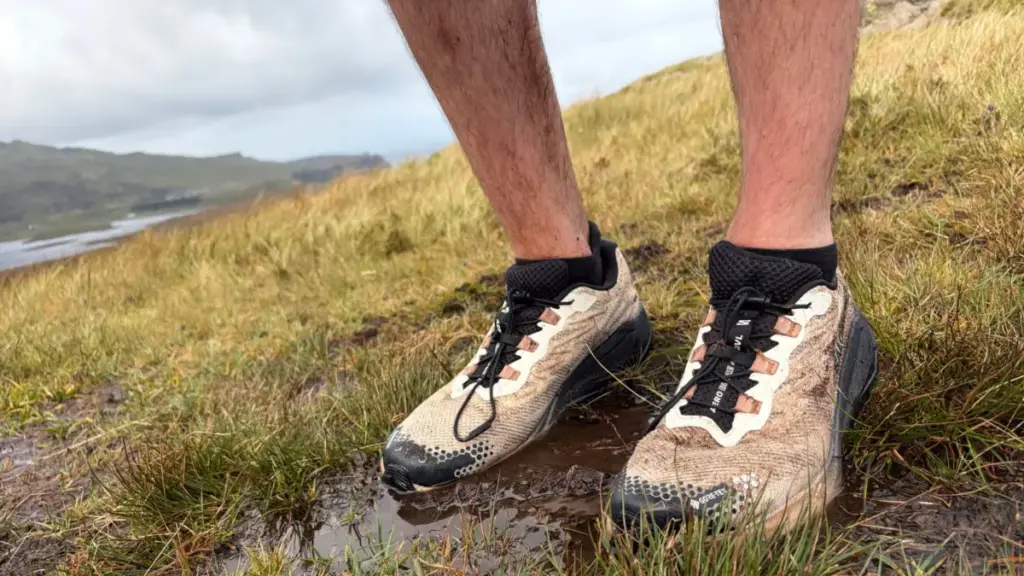
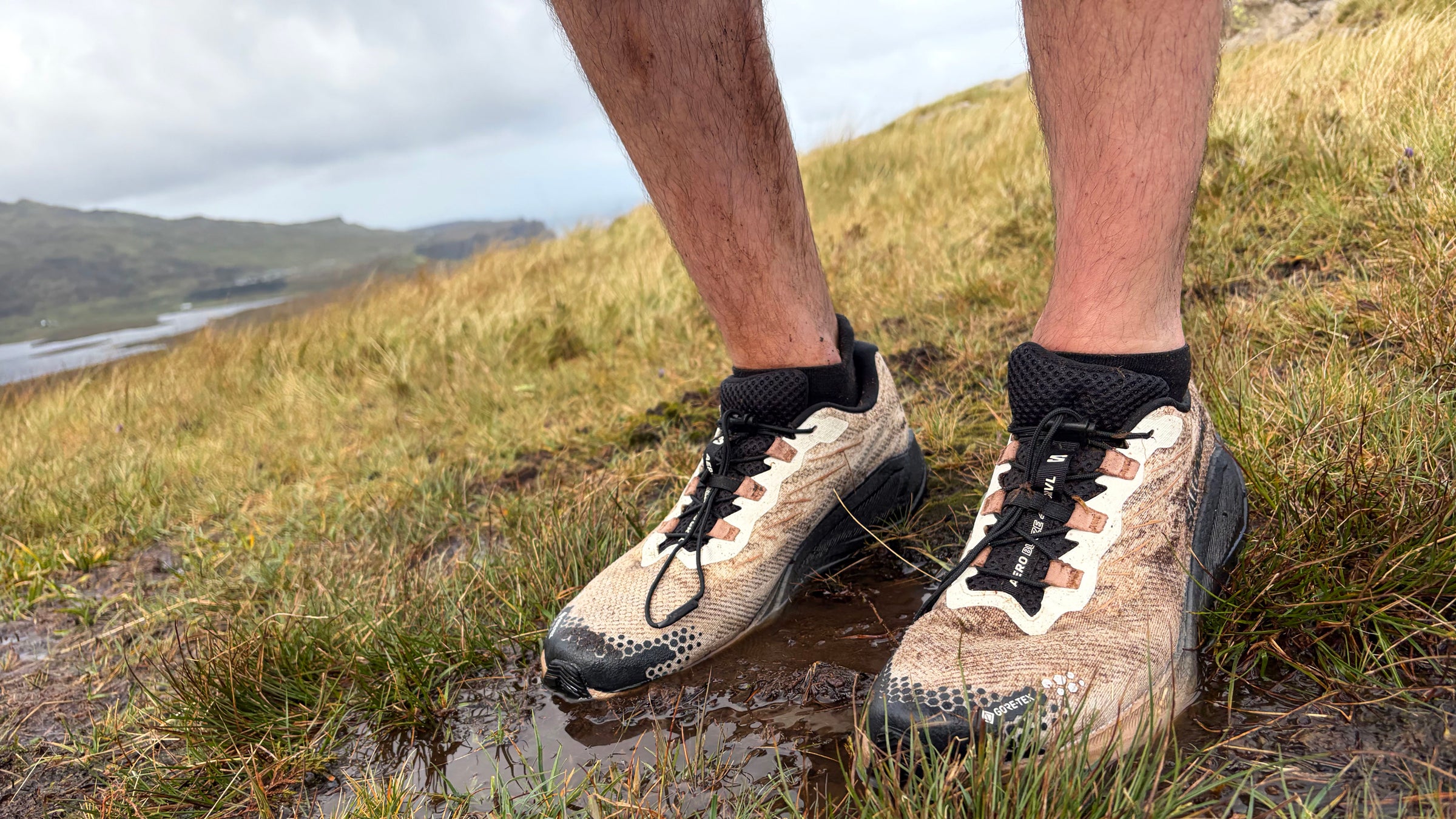
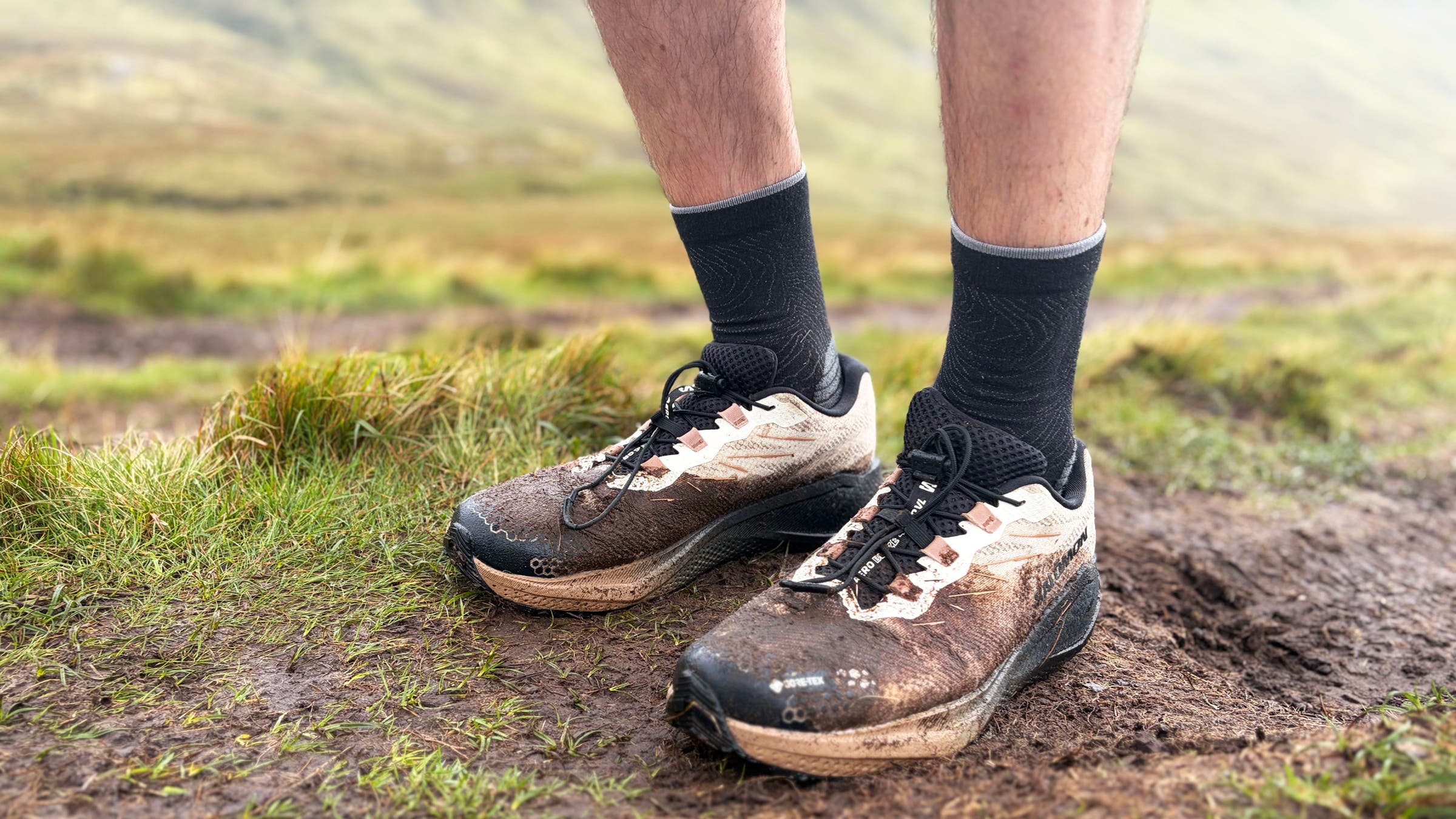
Despite manufacturer claims regarding all-surface versatility, real-world testing quickly reveals the strict boundaries of the gravel shoe category. Pushing the Aero Blaze 4 GRVL beyond its comfort zone into deeply technical, muddy, or mountainous terrain highlights its functional limitations. During an unforgiving 22-kilometer Highland run featuring 950 meters of elevation gain across slick grassy gradients, deep marshes, and heavy mud, the shoe’s flat and shallow outsole lugs frequently struggled to secure reliable traction, resulting in frequent slips.
Furthermore, the quick-pull lacing system, while efficient for casual wear and groomed paths, occasionally lacks the targeted lockdown required to navigate awkward obstacles and technical off-road maneuvers. These shortcomings are not necessarily flaws in the Aero Blaze 4 GRVL specifically, but rather intrinsic characteristics of the gravel shoe design philosophy, which prioritizes smooth, predictable off-road surfaces over rugged wilderness trails. Runners requiring deep traction and secure foot containment for technical mountain environments are better served by traditional, aggressive road-to-trail models.
Specific drawbacks also apply to the Gore-Tex waterproof variant of the shoe. While the waterproof membrane successfully blocks external moisture during light rain or damp conditions, it creates a retention issue if water manages to infiltrate the collar—such as stepping into a deep puddle early in a run. Once water breaches the interior, the membrane prevents it from evaporating or draining out, effectively turning the footwear into a sealed basin for the remainder of the workout. For runners anticipating wet weather, the non-Gore-Tex version may ultimately offer a more manageable running experience by permitting natural water drainage.
Despite these environmental boundaries, the Salomon Aero Blaze 4 GRVL stands out as a high-performing daily running option for athletes seeking a versatile shoe capable of moving smoothly between pavement and light, groomed off-road paths. Combining comfort, responsive cushioning, and a lifestyle-friendly aesthetic, it anchors a growing category of footwear designed for runners who prefer to let their routes wander wherever the road—or gravel—may lead.
For athletes exploring alternative options within the expanding gravel footwear market, several comparable models offer distinct weight and stack height variations. The Craft Nordlite Ultra 2.0 features a heavier build at 10.6 ounces for men and 8.9 ounces for women, paired with a higher stack height of 40 to 34 millimeters and a 6-millimeter drop. Salomon’s wider catalog also includes the AeroGlide 4 GRVL, weighing 9.6 ounces for men and 8.1 ounces for women, with a maximum stack height of 41 to 33 millimeters and an 8-millimeter drop. Meanwhile, the Hoka Challenger 8 rounds out the field with a men’s weight of 9.7 ounces and a women’s weight of 8.7 ounces, utilizing a generous stack height of 42 to 34 millimeters for men and 39 to 31 millimeters for women, alongside an 8-millimeter drop.