


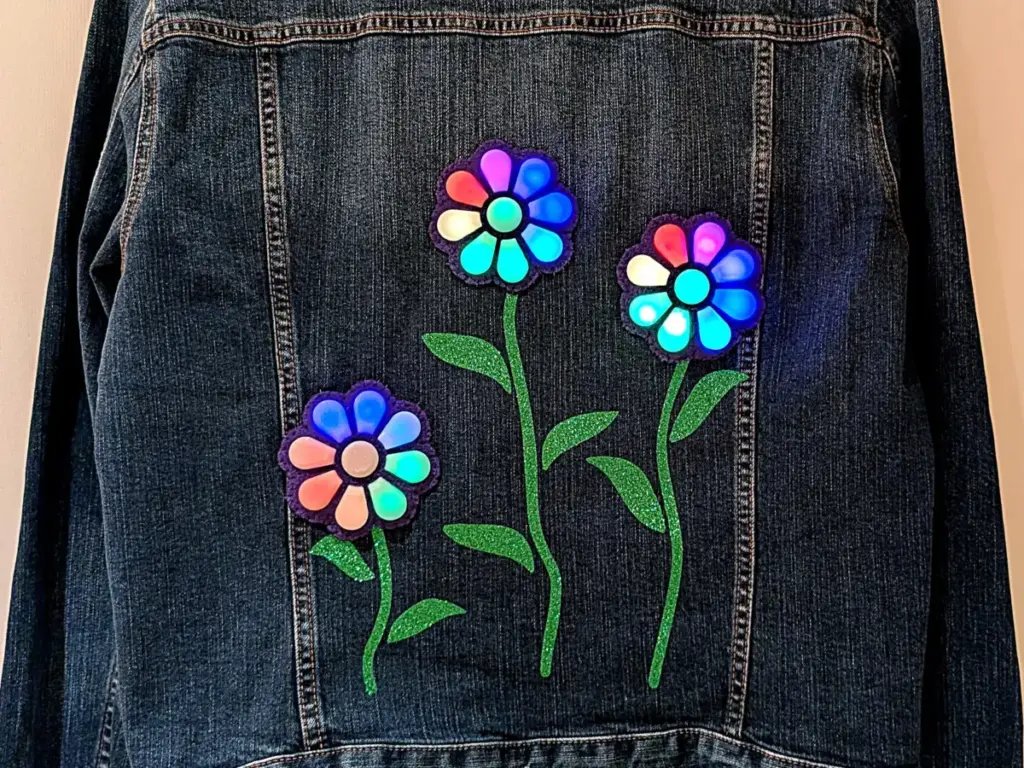
In an era where fast fashion often prioritizes fleeting trends over personal expression, the intersection of technology and apparel continues to carve out a compelling niche for creative makers. Among the vanguard of this movement is educator and designer Debra Ansell, whose latest wearable tech project—featured prominently in Volume 97 of Make: magazine—takes a timeless wardrobe staple and transforms it into a dynamic, programmable light display. Dubbed the "BedazzLED" Jean Jacket, the project demonstrates how modern fabrication tools like 3D printing, laser cutting, and addressable LEDs can be seamlessly integrated into ordinary clothing without sacrificing comfort, durability, or style.

The concept behind the jacket is deceptively simple: take a durable, second-hand or new denim jacket and embellish the back panel with a cluster of illuminated, customizable flowers. However, achieving a balance between high-tech functionality and wearable aesthetics requires a meticulous blend of traditional textile arts and advanced digital manufacturing techniques. Ansell’s approach emphasizes practicality, ensuring that the finished garment remains functional, washable, and subtle enough to be worn in everyday settings when the lights are powered down.
Sourcing and Preparing the Canvas
The foundation of the project begins with the jacket itself. Because denim varies widely in weight, wash, and style—ranging from utilitarian workwear to high-fashion iterations—makers have ample room for personal preference. Thrift shops frequently yield durable, high-condition denim pieces that are both cost-effective and environmentally sustainable. However, builders must ensure that the chosen jacket features enough clear space on the back panel to accommodate a multi-flower arrangement.
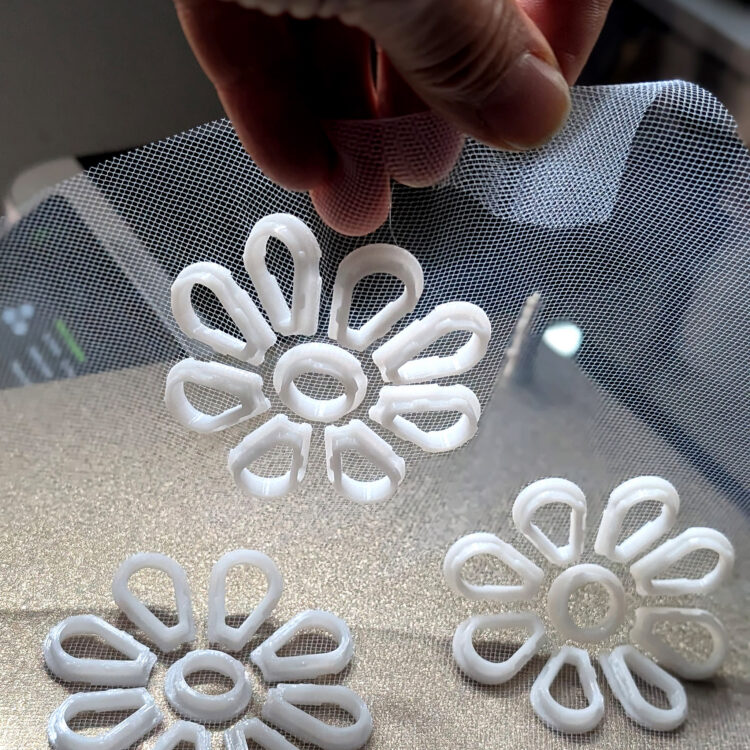
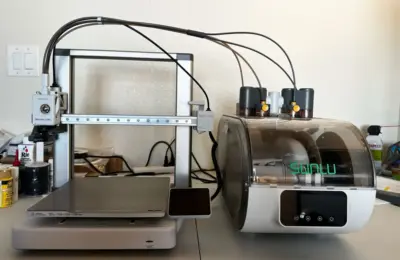
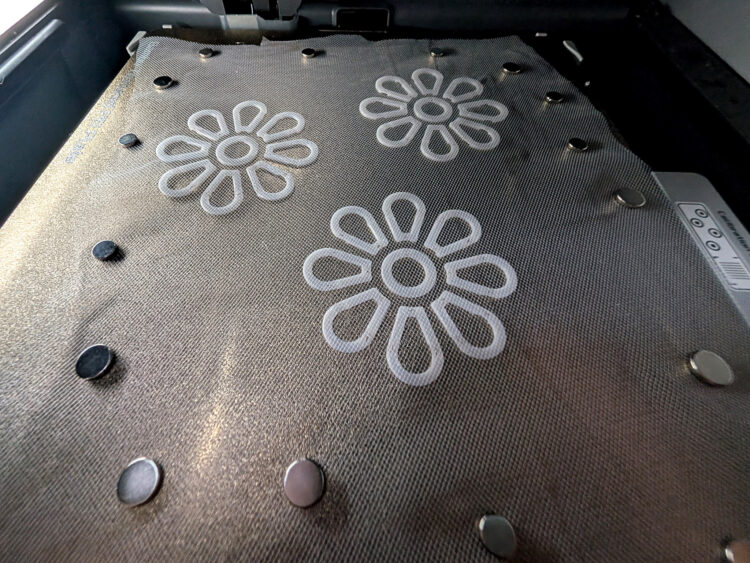
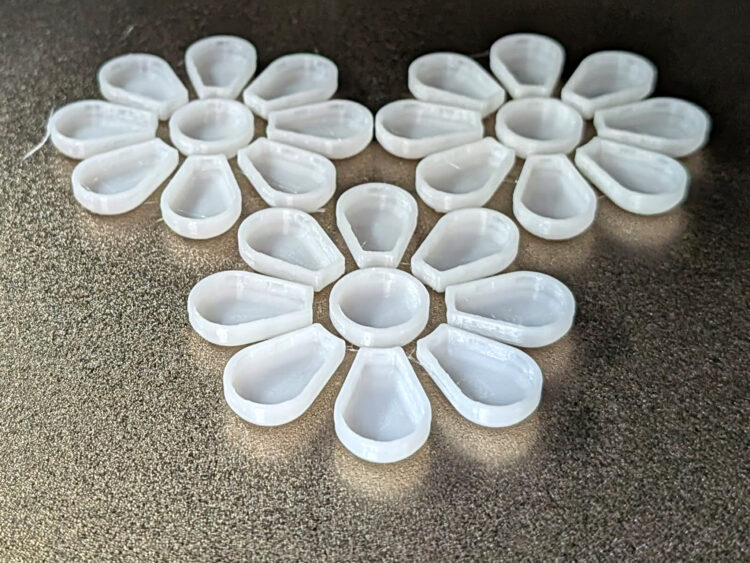
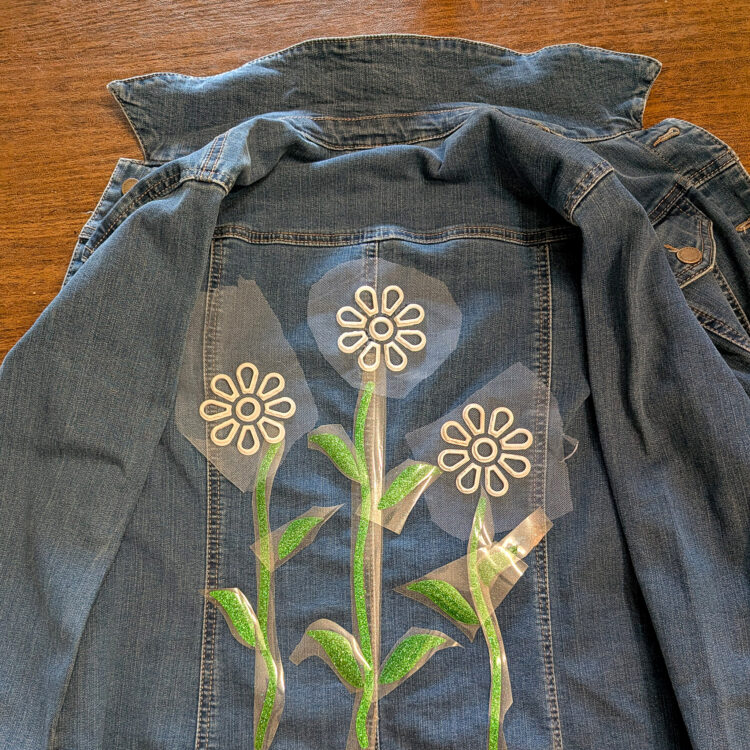
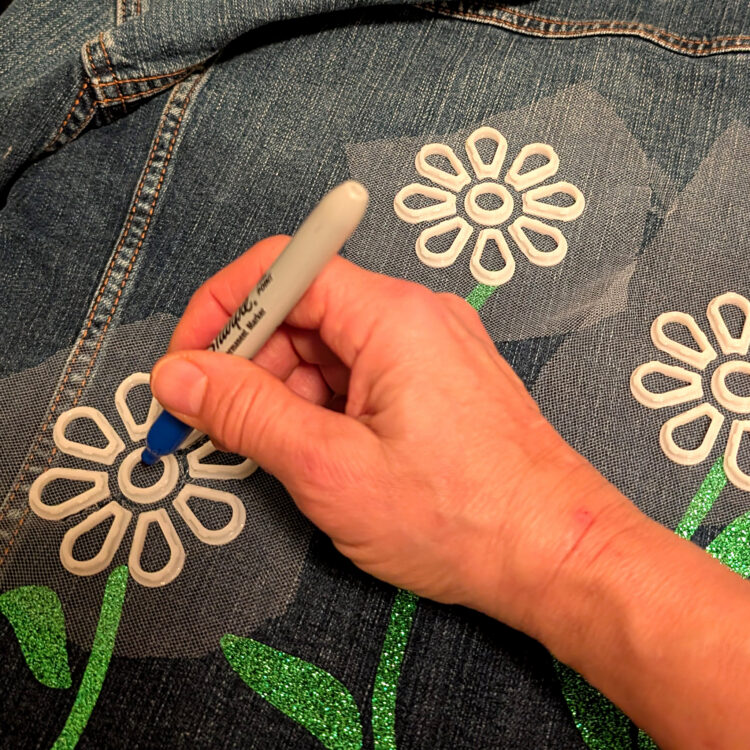
Once the jacket is secured, the process moves into the digital fabrication phase. The illuminated flowers are constructed using translucent white PETG filament, chosen for its superior durability compared to standard PLA and its exceptional light-diffusion properties, which mimic specialized lithophane materials. The design utilizes a base layer consisting of eight petals surrounding a central disc. By printing this base directly onto a porous mesh fabric—such as tulle—the 3D printer forces the molten plastic to bond through the textile. This ingenious technique secures the plastic firmly to the fabric while maintaining the necessary flexibility for a garment that bends and moves with the wearer.
Merging Textiles with Digital Fabrication
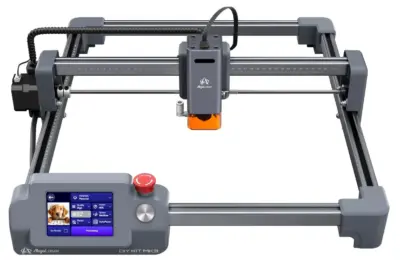
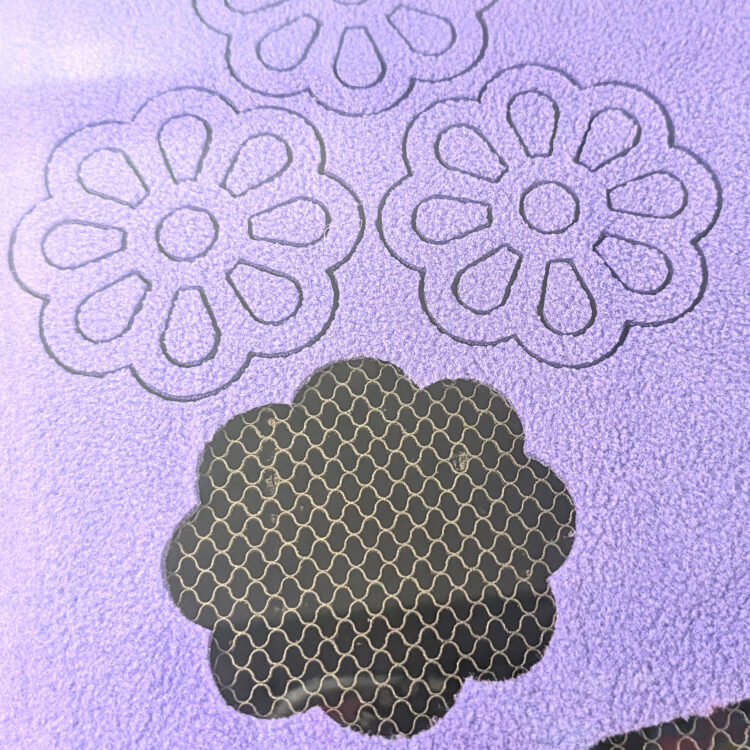
Precision is key when assembling the various physical components of the wearable garden. While the 3D-printed flower bases provide the mechanical structure for the LEDs, soft materials are required to frame the flowers, hide the internal wiring, and create a smooth visual transition between the rigid plastic and the rugged denim. Makers can utilize non-fraying fabrics like fleece or PVC-free faux leather for the flower borders. Using a laser cutter yields the cleanest results, though traditional cutting methods remain viable for those without access to digital machinery.
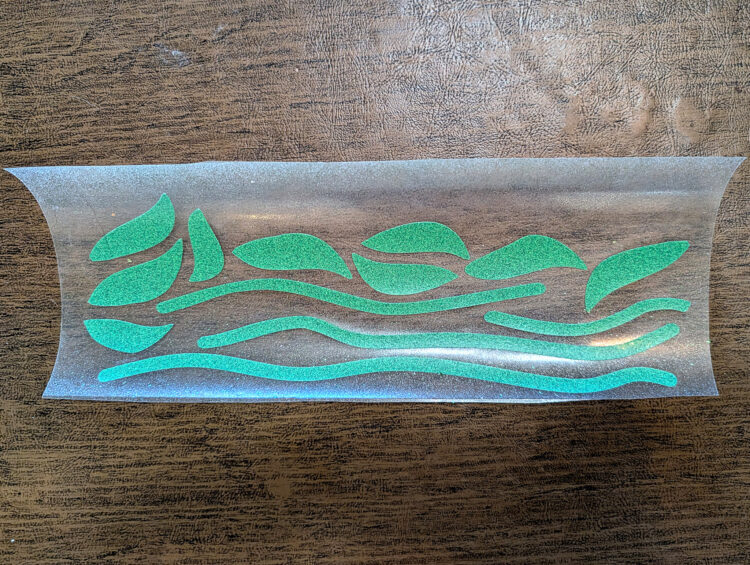
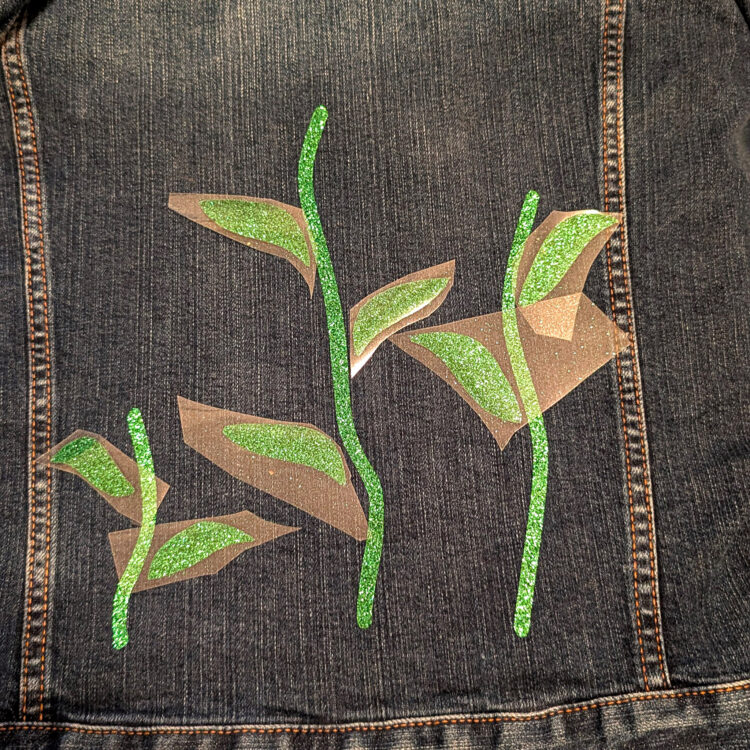
Complementing the flowers are heat-transfer vinyl (HTV) stems and leaves. Cut using vector files on a vinyl cutter, these botanical elements are carefully weeded and ironed directly onto the back exterior panel of the jacket. To allow the necessary wiring to pass from the exterior flowers to the internal control circuitry, small holes are punched through the denim and treated with clear nail polish or craft glue to prevent fraying.
The electronic core of the jacket relies on addressable pebble light strings and a micro-controller running WLED software. By carefully soldering JST connectors, silicone-coated wire segments, and individual LED pixels, the maker constructs a continuous data chain that snakes through the jacket’s interior. Glue dots secure the LEDs directly to the 3D-printed flower bases, while the connecting wires remain entirely concealed inside the garment. To ensure a polished finish and protect the wiring from wear and tear, iron-on fusible interfacing is applied to the jacket’s interior back panel, locking the silicone wires securely in place.
Smart Lighting on the Go
At the heart of the electronics is a WLED-compatible controller paired with a portable power bank, typically stashed inside an existing or makeshift interior pocket. The inclusion of modern microcontrollers allows users to interface via USB-C and access a vast library of pre-installed lighting animations, color palettes, and adjustable patterns through a smartphone or browser interface. Whether programmed to display a gentle, breathing pastel glow or a vibrant, energetic light show, the jacket transitions from a casual streetwear piece to an eye-catching conversation starter with a single press of a button.
Despite its complex technological underpinnings, the BedazzLED Jean Jacket retains a surprising degree of everyday practicality. The waterproof nature of the pebble light strings means that once the removable controller and power bank are detached, the entire garment can be gently hand-washed in cold water.
Reflecting on the broader implications of the project, Ansell notes that the underlying technique is easily adaptable to a wide range of accessories, from baseball caps adorned with a single glowing blossom to elaborate, illuminated garden landscapes sprawling across tote bags. As makers continue to experiment with CAD design and soft circuits, projects like the BedazzLED jacket highlight a growing desire to personalize our wardrobes through technology, proving that with a bit of ingenuity, everyday fashion can truly shine.