


As the viral "fibermaxxing" trend continues to sweep across social platforms like TikTok, encouraging everyday people to prioritize a chronically neglected nutrient, a persistent and uncomfortable issue keeps coming up: the side effects. While hitting your daily nutritional goals for fiber is undeniably important for overall wellness, your body does not always make the transition an easy one.
Dietary fiber is notoriously difficult for the upper human digestive system to break down entirely. Instead, it must be handed off to the hardworking bacteria residing in the colon—which is, fundamentally, the primary point of consuming it. However, because of this unique digestive pathway, piling on too much fiber too fast can result in a barrage of painful, awkward, and highly inconvenient digestive symptoms. People diving headfirst into high-fiber diets frequently report sudden bouts of bloating, excessive gas, sharp stomach cramps, and a host of other disruptive gastrointestinal complaints.
To be completely clear, experiencing this kind of temporary gastrointestinal distress is not a valid sign that you should abandon your pursuit of a higher-fiber diet. Nutrition experts emphasize that the nutrient offers sweeping systemic benefits that far outweigh the initial hurdles of adjustment.
Even with fiber becoming a growing trend across social media and wellness spaces, people still greatly underestimate its core importance and just how many diverse ways it benefits the human body, according to Desiree Nielsen, a registered dietitian who focuses heavily on plant-based nutrition. Most consumers are reasonably familiar with fiber’s primary superpower: its remarkable ability to keep you feeling full for longer periods, stave off stubborn bouts of constipation, and comprehensively support overall gut health. Yet, as health professionals point out, the nutrient wears plenty of other vital hats as well.
Adequate fiber intake plays a crucial role in lowering low-density lipoprotein, commonly known as "bad" LDL cholesterol, and actively stabilizing your daily blood sugar levels. Over the long term, maintaining a fiber-rich diet is also strongly linked to reducing your risk for a wide variety of chronic diseases and long-term health complications. In fact, consistently overlooking fiber in daily meal planning remains one of the top nutritional mistakes that people make, according to leading health experts and clinical dietitians.
Yet if you feel naturally apprehensive at the thought of fighting constant, uncomfortable stomach pain and bloating in the process of working to correct a long-standing fiber deficiency, medical professionals completely understand your hesitation. It is a complaint that Dr. Lisa Ganjhu, a gastroenterologist at NYU Langone Health, hears practically every single day in her clinical practice.
Patients frequently come into her office reporting that they actively tried to eat more healthy fiber, only to find themselves suffering from severe bloating and painful abdominal cramps shortly afterward. Thankfully, gastroenterologists and dietitians point out that there is a strategic way to curtail these disagreeable, highly discouraging side effects so that you can comfortably and safely continue your nutritional journey. Experts refer to this specialized methodology as fiber training, a concept designed to help individuals gradually build up their digestive resilience without overwhelming their systems.
What Exactly Is Fiber Training?
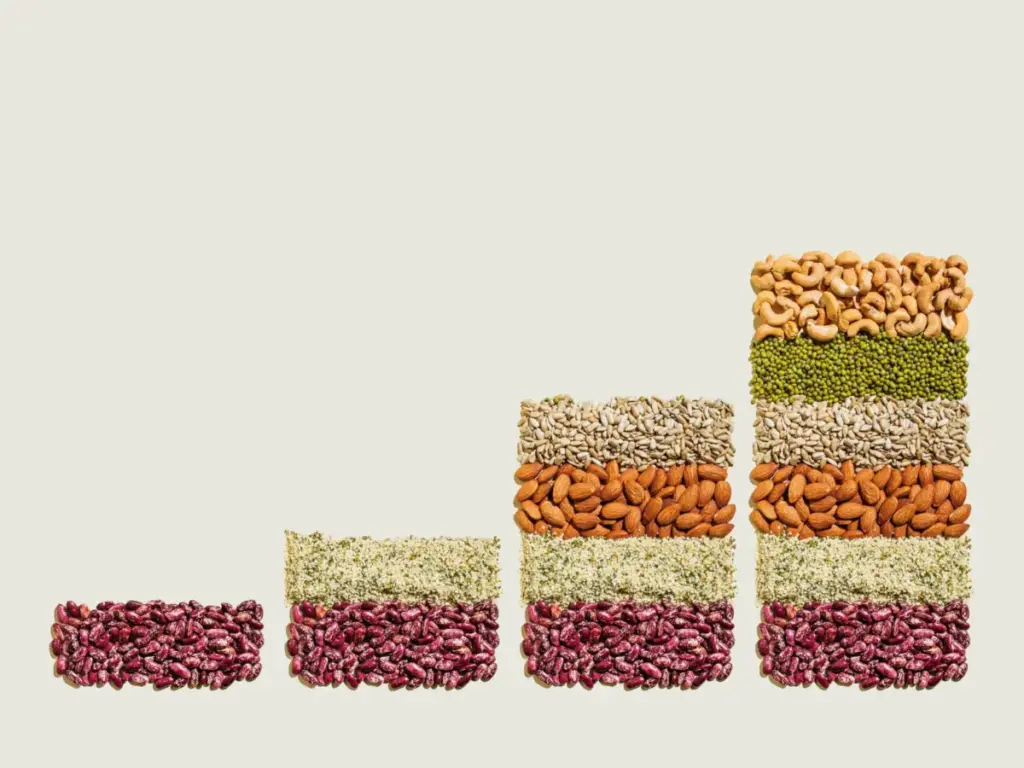
Fiber training is precisely what it sounds like: a deliberate, methodical process of training your digestive system to handle and process fiber much more efficiently over time. It is entirely centered around making slow, consistent increases in your daily fiber intake to help you successfully build your physiological tolerance while simultaneously minimizing any potential adverse symptoms.
Health professionals often use athletic analogies to help patients visualize how the process works in practice. You can think of fiber training in much the same way that you would think about preparing your body to run a long-distance race. In much the same way that you would never step outside and attempt to run a full marathon tomorrow if you have never even run a single mile before in your life, you simply cannot leap straight into a high-fiber diet without proper physiological preparation.
Similarly, Dr. Ganjhu compares the concept to a traditional weightlifting regimen. Rather than walking into a gym and attempting to lift heavy 50-pound weights right off the bat, you have to adjust your body slowly and progressively. You start off with a lighter weight, like 10 pounds. Once lifting that amount becomes entirely comfortable and effortless, you step up to 20 pounds, then eventually advance to 30 pounds, and so on.
This gradual method of fiber training is especially critical if you happen to be experiencing constipation at the outset of your dietary overhaul, which is remarkably common for many individuals. Even though adequate fiber is widely known for its ability to prevent and alleviate chronic constipation, introducing too much of it all at once can actually make an existing digestive issue significantly worse by completely overwhelming your gastrointestinal tract.
When you suddenly add a tremendous amount of fiber to an already backed-up system, it creates a physiological scenario that closely resembles a massive traffic bottleneck on a crowded highway. If you attempt to abruptly shoehorn four lanes of heavy traffic into a single lane, you are inevitably going to end up with a massive, gridlocked traffic jam on your hands.
How to Start Fiber Training
Now that you understand that fiber training entails steadily and patiently increasing your dietary fiber intake over an extended period, you are likely wondering what that process actually looks like on a practical, day-to-day level. Before diving into the specific execution of the strategy, providing some foundational context regarding how much fiber your body actually requires on a daily basis can be exceptionally helpful.
Per the official federal guidelines outlined in the Dietary Guidelines for Americans, 2020-2025, women should aim to consume roughly 28 grams of dietary fiber daily between the ages of 19 and 30. That recommended baseline shifts slightly to 25 grams of fiber daily for women aged 31 to 50, and drops down to 22 grams of fiber daily starting at age 51. However, it is worth noting that some modern clinical experts actually recommend even higher daily targets depending on individual health status and lifestyle factors.
While the ideal amount of fiber to add to your daily meals while undergoing fiber training can vary significantly from person to person depending on individual health needs—such as managing an ongoing constipation issue—most people are typically looking at adding roughly three to five grams of fiber at a time.
With that practical benchmark in mind, you will want to strategically choose a whole food that has a fiber content safely falling within that general ballpark range. For instance, you could choose to eat a medium-sized apple, which provides around four grams of dietary fiber. Alternatively, you might opt for a half-cup serving of chickpeas, which delivers roughly five grams of fiber, a single tablespoon of chia seeds containing about five grams, or two tablespoons of ground flaxseed offering around four grams.
The core principle is to eat that single chosen serving every single day consistently until you genuinely feel like your digestive system has fully adjusted to the addition. In practical terms, adjustment means you are not experiencing any noticeable new bloating, excessive gas, or other uncomfortable gastrointestinal side effects.
This vital physiological adaptation process typically takes around five to seven days for most individuals, according to nutrition experts. However, every single person’s digestive tract and microbiome are wonderfully unique, so you should never worry if your body requires slightly more or even less time to adapt. It really comes down to listening closely to your own body and thoroughly individualizing the rate at which you increase your intake. You have to carefully follow your body’s symptom cues and commit to going slow.
Once your system feels completely comfortable with that initial addition, you can then tack on another incremental dose. This could look like eating a second apple, enjoying a full cup of chickpeas, incorporating two tablespoons of chia seeds, or mixing in four tablespoons of ground flaxseed into your daily routine.
You simply continue increasing your fiber intake in these modest increments and at this measured pace until you have successfully reached your personal daily fiber goal. For example, if you happen to be a 35-year-old woman starting entirely from scratch with a very low-fiber diet, successfully reaching the recommended daily target of 25 grams of fiber would take roughly five separate five-gram dose increases, six four-gram increases, or eight three-gram increases over a sustained period.
Important Fiber Training Tips to Keep in Mind
Individuals who are actively dealing with constipation may want to specifically tailor their fiber training approach by focusing on foods that are naturally low in fermentable oligosaccharides, disaccharides, monosaccharides, and polyols—collectively known as FODMAPs. These specific types of fermentable carbohydrates can be notoriously hard on sensitive stomachs and easily trigger severe bloating or gas. As experts frequently reiterate, suddenly increasing your fiber intake when your system is already backed up can easily backfire, making low-FODMAP foods a significantly safer and more reliable bet than their high-FODMAP counterparts.
Fresh kiwis, which contain roughly four grams of fiber in a standard two-fruit serving, represent an exceptionally strong dietary option if you fall into this specific category. Kiwis have even been specifically studied in clinical research as an effective natural dietary treatment for chronic constipation. Similarly, incorporating a gentle, over-the-counter fiber supplement such as Metamucil, which is formulated primarily from natural psyllium husk, can provide many of the same core health benefits while tending to be significantly less irritating to a troubled digestive system.
Another critical tip for those managing constipation is to ensure they are drinking plenty of fluids throughout the day. Although the oft-referenced medical requirement to drink precisely eight glasses of water every single day is largely considered something of a modern hydration myth, adequate fluid intake remains paramount. Because dietary fiber actively requires sufficient water to work its natural stool-softening magic inside the bowels, failing to consume enough fluids could leave your bowel movements hard and dry, thereby severely exacerbating the very constipation problem you are trying to solve.
Whatever new whole-food fiber sources you ultimately decide to incorporate into your meal plan, taking this slow-and-steady, methodical approach should help drastically ease the physical transition to a much higher daily intake. If you happen to be someone who typically does not eat a lot of fiber in your regular diet and suddenly decide to start eating 30 grams of it overnight, your colon is simply not going to know how to manage that sudden influx efficiently. But by leveling up your intake little by little, you can successfully heighten your overall colonic fitness—and cleanly sidestep the worst of the awkward, uncomfortable digestive stage.