The smartphone market has evolved to a point where consumers no longer need to empty their bank accounts to secure a reliable, brand-new device. For those working with a budget of $300 or less, the marketplace offers an array of respectable choices. However, navigating this segment requires a careful balance between making smart concessions and holding firm on critical specifications. While prospective buyers can easily bypass expensive luxury materials—such as a sleek titanium frame that will likely end up concealed behind a protective case anyway—drawing a hard line on internal hardware is vital. Settling for insufficient RAM, subpar battery life, inferior camera systems, outdated processors, or cramped displays can quickly turn a budget-friendly purchase into a daily exercise in frustration.
Ultimately, what an individual is willing to sacrifice remains a personal choice shaped by their specific habits. A casual content creator or social media enthusiast will naturally demand a camera setup that performs well above average, whereas someone purchasing a secondary device strictly for basic messaging and emergency calls might happily settle for a more modest shooter. Despite these varied use cases, industry standards dictate that certain baseline specifications are non-negotiable for anyone shopping in the budget Android category, regardless of how they intend to use the handset.
Screen and RAM Minimums
Looking back at the evolution of mobile technology, the constraints of early hardware feel almost archaic by modern standards. The original iPhone featured a 4.5-inch screen that once felt groundbreaking, but by today’s metrics, such dimensions simply fail to meet the demands of everyday computing. Consumers shopping for a modern budget Android phone should look for a display measuring at least 5.6 inches diagonally, with the industry standard hovering around 6.1 inches. This footprint provides a comfortable physical experience when holding the device and typing with both hands, while ensuring that digital content remains legible and engaging.
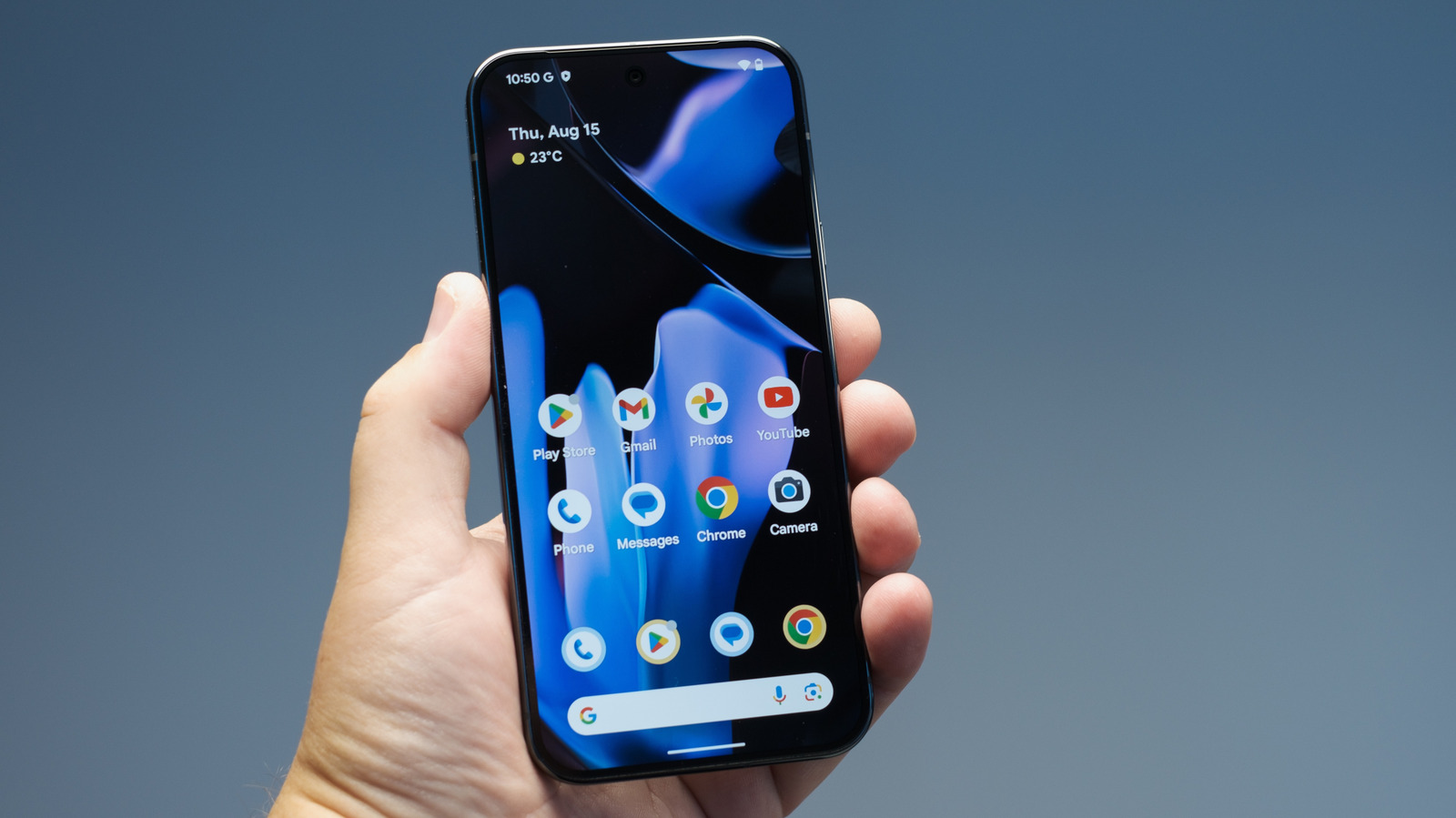
Beyond sheer size, the underlying panel technology matters immensely. Buyers should prioritize AMOLED panels boasting at least high-definition resolution and a healthy peak brightness threshold of 1,000 nits or higher. This level of brightness ensures that the display remains viewable outdoors under direct sunlight, preventing the washed-out visibility that plagued older or cheaper LCD screens.
Memory capacity represents another foundational pillar of smartphone performance. A baseline of 6GB of RAM is essential for keeping day-to-day operations smooth. Anything less risks creating bottlenecks during multitasking, video streaming, or casual gaming, leaving the device sluggish and unresponsive to user inputs. Consumers who enjoy mobile gaming or heavy multitasking should strongly consider stepping up to 8GB of RAM to ensure long-term viability.
Storage capacity is equally pressing, particularly as expandable microSD card slots have become an endangered species in modern smartphone design. A minimum of 128GB of internal storage is strongly recommended for basic users seeking breathing room, while 256GB offers true peace of mind. Without adequate storage, users inevitably run into persistent "phone full" notifications, forcing them into tedious routines of deleting cherished media or paying ongoing subscription fees for cloud storage services.
Processor performance ties these hardware elements together. While budget shoppers cannot expect bleeding-edge silicon capable of handling the most demanding workflows without breaking a sweat, they must actively avoid processors that crawl like molasses. Evaluating the age of the chipset and examining independent performance reviews before purchasing can save buyers from endless lag. There is zero value in acquiring an inexpensive device if it stutters when streaming a movie or launching essential productivity applications, and a capable processor remains the single most important factor for gaming on an Android device.
Don’t Skimp on the Battery and Cameras
Battery endurance and photographic capabilities round out the critical checklist for budget hardware. A power cell rated at 4,500mAh can be sufficient for light usage, particularly on devices that do not handle power-hungry artificial intelligence processing tasks locally. However, a 5,000mAh battery has rightly become the gold standard for modern smartphones, ensuring that the device easily survives a full day of moderate-to-heavy use without requiring a midday top-up.
When it comes to cameras, budget shoppers should not expect professional-grade studio quality, but the hardware must be capable of producing clear images suitable for social media sharing and personal archives. This generally means seeking a rear camera setup featuring at least a 32-megapixel primary sensor. More importantly, buyers should pay attention to physical sensor size rather than getting caught up purely in megapixel counts; a larger sensor gathers significantly more light, yielding vastly superior photos in challenging lighting conditions. Front-facing cameras deserve equal scrutiny, especially for users who frequently take selfies or engage in video calls. A front-facing sensor of at least 12 megapixels, paired with a respectable sensor size, ensures that self-portraits remain crisp and usable.
Beyond these primary hardware categories, shoppers must keep secondary utilities in mind. Features like Near Field Communication for contactless tap-to-pay transactions and modern Bluetooth iterations for stable, low-latency connectivity with wireless headphones and speakers are increasingly expected on everyday devices. For older or discounted models, confirming that the manufacturer provides several more years of active software updates and security patches is crucial for maintaining digital safety over the lifespan of the device.
While this criteria might sound demanding for a device priced under $300, a wide range of manufacturers successfully cater to this exact sweet spot. Established lineups like Samsung’s Galaxy A series consistently offer respectable and affordable Android options that check these boxes. Similar value can be found in offerings from brands like Nothing and Motorola, both of which have carved out strong reputations in the budget and mid-range tiers.
Savvy consumers can also look toward the refurbished or renewed market, where older-model devices like the Google Pixel 8a can frequently be found priced just over the $300 mark. These pre-owned or renewed flagships often pack nearly every vital feature and hardware specification modern users require. By timing purchases around seasonal retail promotions and holiday sales, buyers can frequently secure a decked-out mid-range phone for the price of a standard budget device. While entering the budget tier inherently requires some compromises, careful research ensures that a sub-$300 Android phone can meet and even exceed all non-negotiable expectations.