Puppy diarrhea is an incredibly common concern for new pet parents, yet it demands a far higher level of caution than the same symptom in a healthy adult dog. What might appear to be a simple, self-limiting digestive upset can quickly escalate into a life-threatening crisis for a young animal. A loose stool can easily follow a sudden change in diet, the stress of moving to a new home, or an overenthusiastic raid on the kitchen trash. However, it can also serve as the primary warning sign of intestinal parasites, canine parvovirus, a systemic infection, an ingested foreign object, or an underlying metabolic issue.
Because young puppies have highly vulnerable immune systems and very limited fluid and energy reserves, a single day of severe diarrhea can deplete their strength and dehydrate them to dangerous levels. The safest response is to evaluate the whole puppy, rather than focusing solely on the consistency of the stool. Factors such as the dog’s exact age, body weight, vaccination history, appetite, energy level, the presence of vomiting, blood, abdominal pain, and the overall duration of the episode all dictate the necessary level of medical concern.
Veterinary diagnosis and cause-specific treatment must always come first. Once urgent medical issues have been ruled out and the puppy is clinically stable, a carefully managed feeding plan and targeted microbiome support can be introduced to aid in long-term gut recovery.
This article is sponsored by Animal Biome. All veterinary information has been reviewed by the Vetstreet editorial team for accuracy. Vetstreet receives compensation from Animal Biome for this content; opinions and clinical guidance are our own. All featured products are chosen at the discretion of the author. However, Vetstreet may make a small affiliate commission if you click through and make a purchase.
Why Age and Size Amplify Gastrointestinal Risks
A puppy’s physiological risk is shaped by much more than just the frequency or appearance of their loose stools. Young puppies have a significantly higher proportion of body water than adult dogs, combined with a much lower biological capacity to compensate for rapid fluid loss. This makes them highly susceptible to severe, fast-onset dehydration.
Furthermore, toy-breed puppies, such as Chihuahuas, Yorkshire Terriers, and Pomeranians, have very small glycogen reserves in their livers. When gastrointestinal distress causes them to lose their appetite or vomit, they can rapidly develop life-threatening hypoglycemia, or low blood sugar.
Social and environmental history also plays a critical role. Newly adopted puppies often have incomplete or unverified vaccination and parasite prevention histories. Puppies coming from group environments—such as shelters, rescue organizations, pet stores, or breeding facilities—have also faced a much higher exposure to highly contagious viral and bacterial pathogens.
These developmental and environmental differences are why medical advice intended for a mature, healthy adult dog does not apply to a puppy. A six-month-old, large-breed puppy who remains highly active and eats eagerly after consuming an unfamiliar treat requires a very different monitoring plan than an eight-week-old, newly weaned puppy presenting with the exact same type of loose stool. When contacting a veterinary clinic, owners must provide the puppy’s exact age, current weight, precise vaccination dates, and the timing of their last normal meal so the clinical team can make an accurate, individualized triage decision.
The Puppy Triage Matrix: Assessing Urgency by Category
To help pet owners organize their observations during an urgent call to a veterinary clinic, the following clinical categories outline how age, vaccine status, and exposure history dictate the safest next steps. These guidelines are designed to assist with triage and should never be used to clear a puppy for home treatment without professional oversight.
Very Young, Toy-Breed, or Medically Vulnerable Puppies
This category includes puppies who are very young, newly weaned, underweight, toy-breed, or newly adopted with an uncertain medical background. If such a puppy exhibits any repeated watery stools, poor food or water intake, general weakness, or feels unusually cold to the touch, owners should call their veterinarian promptly for same-day clinical triage. If the puppy shows signs of extreme weakness, repeated vomiting, blood in the stool, collapse, or an inability to keep water down, immediate emergency veterinary care is required.
Partially Vaccinated Puppies with Potential Exposure
This category applies to any puppy who has not yet completed their full, veterinarian-recommended series of core vaccinations. If the puppy has had contact with shared public dog areas, sick animals, shelters, breeding facilities, boarding kennels, or dogs of unknown vaccination status, the risk of contagious disease is high. Owners should call the veterinary clinic before arriving, explicitly mention the potential contagious exposure, and strictly follow the clinic’s isolation instructions. Do not wait for a specific stool appearance or color to develop before seeking professional advice.
Suspected Toxin or Foreign-Object Ingestion
Regardless of the puppy’s age or vaccination status, any suspected exposure to toxins, human medications, household chemicals, garbage, strings, fabric, bones, toys, or other foreign objects constitutes a medical emergency. Owners must contact a veterinarian or an emergency animal hospital immediately. If possible, identify the specific item, the amount consumed, and the timing of the ingestion. Never attempt to induce vomiting at home unless a veterinary professional has explicitly directed you to do so.
Older, Fully Vaccinated, and Otherwise Stable Puppies
If an older, fully vaccinated puppy remains bright, active, and is eating and drinking normally, but experiences a mildly loose stool after a known, sudden change in diet, the situation is less critical. Owners should call their regular veterinarian to establish an appropriate monitoring window and receive age-specific feeding instructions. However, care must be escalated immediately if any secondary symptoms appear, if the puppy’s energy levels drop, or if the agreed-upon clinical checkpoint is missed.
The Danger of Visual Guesses: Parasites and Parvovirus
It is a common misconception that the underlying cause of a puppy’s diarrhea can be determined simply by looking at the stool. In reality, dangerous pathogens and parasites cannot be diagnosed by a visual assessment of color, consistency, or odor.
Parasites Require Comprehensive Fecal Testing
Intestinal parasites are incredibly common in young dogs, including those who have already undergone routine deworming protocols. Microscopic parasite eggs, larvae, and protozoan cysts are often shed intermittently, meaning a single negative fecal test does not guarantee a puppy is parasite-free.
To achieve an accurate diagnosis, a veterinarian may combine traditional fecal flotation with antigen testing, direct microscopic examinations, or molecular PCR testing. This comprehensive approach is necessary to detect common organisms like roundworms, hookworms, whipworms, coccidia, and Giardia.
When bringing a puppy in for an evaluation, owners should collect a fresh stool sample in a clean, leakproof container, keeping it isolated from family food areas. It is also vital to inform the veterinarian of any potential exposure to breeders, shelters, dog parks, daycares, natural bodies of standing water, or wildlife.
Parvovirus Cannot Be Diagnosed by Stool Appearance
Canine parvovirus is a highly contagious, life-threatening viral disease that attacks the rapidly dividing cells of a puppy’s gastrointestinal tract and bone marrow. While parvovirus is notorious for causing severe vomiting and foul-smelling, bloody diarrhea, it can also present without visible blood. Other common signs include severe lethargy, complete loss of appetite, fever, hypothermia, and rapid dehydration.
No single stool color, texture, or smell can prove or exclude the presence of parvovirus. Any puppy exhibiting compatible symptoms who has an incomplete vaccination history requires immediate professional assessment and a rapid diagnostic parvovirus test.
Because parvovirus is exceptionally hardy in the environment and easily transmitted to other dogs, owners must call the veterinary clinic before arriving. This allows the veterinary team to prepare an isolation area, protecting other vulnerable patients in the clinic.
Keeping a Detailed Symptom Timeline
A puppy’s clinical status can change rapidly. To help the veterinary team make fast, accurate decisions, owners should maintain a simple, written symptom timeline. This record provides a far clearer picture of the illness’s progression than a single description of a loose stool.
Baseline and Event Tracking
The timeline should begin with the puppy’s last known normal period. Record when the puppy last had a normal stool, normal energy levels, a healthy appetite, and normal urination.
Following this baseline, document the exact time of every diarrhea or vomiting episode. Note the estimated volume and the physical characteristics of the stool—such as whether it is watery, soft, contains mucus, or shows signs of fresh red blood or dark, black digested blood. If the puppy vomits, document whether they are unable to keep water or food down.
Hydration and Exposure Records
At regular intervals, check and record the puppy’s general hydration and comfort levels. This includes assessing their willingness to eat and drink, their urination frequency, and the color and moisture of their gums. Healthy gums should be pink and slippery; pale, dry, or tacky gums are a warning sign of dehydration.
Finally, compile a list of all potential exposures prior to the call or clinic visit. This includes recent foods, training treats, vaccinations, deworming treatments, contact with other animals, travel history, and any access to household trash, toxins, or chewable objects.
While taking photographs of the stool can be useful for showing volume and consistency changes to the veterinary team, photos do not replace diagnostic testing. Do not delay seeking urgent veterinary care simply to collect a stool sample or perfect your symptom log.
When Puppy Diarrhea Becomes an Emergency
Because puppies lack the physiological reserves of adult dogs, the threshold for emergency veterinary care must be low. Diarrhea becomes an emergency when it occurs alongside signs of systemic shock, severe dehydration, toxic ingestion, or intestinal obstruction. The combination of concurrent vomiting and diarrhea is especially critical, as the puppy is actively losing fluids from both ends of the digestive tract while being physically unable to take in or retain replacement moisture.
Immediate, urgent veterinary care is required if the puppy displays:
- Pale, white, blue, or grey gums.
- Extreme lethargy, weakness, unresponsive behavior, or collapse.
- Persistent, uncontrollable vomiting or retching.
- Large amounts of fresh red blood in the stool, or black, tarry stools.
- A visibly distended, swollen, or highly painful abdomen.
- Known or highly suspected ingestion of a foreign object or toxic substance.
- A rapid, noticeable decline in overall condition over the course of just a few hours.
If any of these signs are present, do not wait to see if the symptoms resolve on their own. Do not take the puppy to a public pet store or dog park where they could expose other animals or pick up secondary infections. Call the nearest veterinary hospital, describe the symptoms, age, and vaccination status of the puppy, and drive there immediately.
Clinical Diagnosis and the Road to Recovery
Veterinary care for puppy diarrhea is structured to stabilize the patient, identify the primary cause, and systematically support the recovery of the gastrointestinal tract.
The Veterinary Workup
During an examination, the veterinarian will thoroughly assess the puppy’s hydration status, body temperature, circulatory health, and abdominal comfort. Depending on the physical findings, diagnostic testing may involve fecal examinations, parvovirus tests, blood work to check organ function and electrolytes, urinalysis, or abdominal imaging (such as X-rays or ultrasound) to check for foreign-body obstructions.
Tailored Treatment Protocols
Treatment is strictly dependent on the diagnosis. A dehydrated puppy will require fluid therapy, administered either subcutaneously or intravenously, to restore hydration and balance electrolytes. Anti-nausea medications may be prescribed to control vomiting and encourage the puppy to eat.
If parasites are detected, the veterinarian will prescribe an appropriate, targeted dewormer. Antibiotics are not a universal cure for diarrhea; they are used selectively for specific bacterial infections or when the intestinal barrier is so compromised that bacteria risk entering the bloodstream. Unnecessary antibiotic use can severely disrupt the fragile, developing gut microbiome, leading to prolonged recovery times or chronic digestive issues.
Identifying True Improvement
True clinical improvement is broader than simply achieving one firm bowel movement. A recovering puppy should show a return of their normal energy, a healthy appetite, normal drinking and urination habits, and an absence of vomiting or abdominal pain.
Stool frequency and consistency often take several days to fully normalize. Weight gain and hydration are critical indicators of recovery, as a puppy may pass less stool simply because their food intake has decreased, which can mask ongoing dehydration.
Feeding and Nutritional Management During Recovery
Feeding a recovering puppy requires balancing the need to soothe an inflamed gastrointestinal tract with the demanding nutritional requirements of a rapidly growing animal.
The Limitations of Home-Cooked Bland Diets
While a temporary bland diet of boiled chicken and white rice is frequently discussed among pet owners, it is highly unbalanced and lacks the essential vitamins, minerals, calcium, and phosphorus required for proper skeletal and physical development in growing puppies. A home-cooked bland diet should only be used under the direct instruction of a veterinarian, and typically for no more than a few days.
Fasting a young puppy is highly discouraged unless specifically ordered by the treating veterinarian, as it can quickly trigger dangerous drops in blood sugar and delay the healing of the intestinal lining, which requires nutrients to regenerate.
Utilizing Veterinary Gastrointestinal Diets
Many veterinarians recommend utilizing a commercially prepared, highly digestible veterinary gastrointestinal diet. Many of these therapeutic diets are formulated to be complete and balanced for puppy growth, providing safe, long-term nutrition while supporting gut recovery.
Food should be offered in small, frequent meals throughout the day to avoid overwhelming the recovering digestive system. Avoid introducing any training treats, table scraps, dental chews, or raw hides during this recovery phase, as even minor dietary additions can cause a relapse.
Transitioning Back to the Standard Diet
Once the puppy’s stool has remained normal for several days, the transition back to their regular high-quality puppy food must be done gradually. Over the course of five to seven days, slowly mix increasing increments of the regular food with decreasing amounts of the recovery diet. If the stool begins to soften during this transition, halt the process and contact your veterinary clinic for guidance before switching back and forth between diets.
The Role of Targeted Microbiome Support
The intestinal microbiome is a complex community of trillions of bacteria, fungi, and other microbes that play an essential role in a puppy’s digestion, nutrient absorption, and immune system development. This delicate ecosystem can be easily disrupted by pathogens, sudden dietary changes, stress, and medical treatments like antibiotics. Once a puppy has been clinically stabilized, supporting the recovery of this microbiome can be a highly beneficial step.
Diagnostic Profiling with Animal Biome
For puppies experiencing persistent or recurring digestive issues, the Animal Biome Gut Microbiome Test for Dogs provides a detailed analysis of the bacterial DNA present in a stool sample. While this test does not diagnose acute infections like parvovirus, detect active parasite infestations, or identify physical obstructions, it offers a valuable scientific baseline. It allows veterinarians and owners to see which beneficial bacterial groups are lacking and which harmful groups may be overrepresented, helping to guide long-term dietary and supplement strategies.
Live Microbe Restoration with Gut Restore
For puppies recovering from severe microbiome disruption—such as that caused by parvovirus, intensive antibiotic therapy, or chronic colitis—Gut Restore for Dogs offers a comprehensive approach. This product consists of canine-derived fecal microbiota transplant (FMT) material delivered in delayed-release capsules. Unlike standard, single-strain probiotics, this targeted supplement introduces a diverse, live community of native canine gut microbes directly to the intestines, helping to actively crowd out pathogens and rebuild a balanced, functional ecosystem. This therapy should be discussed with a veterinarian once the puppy is stable and primary infections have been treated.
Daily Maintenance with Gut Maintain
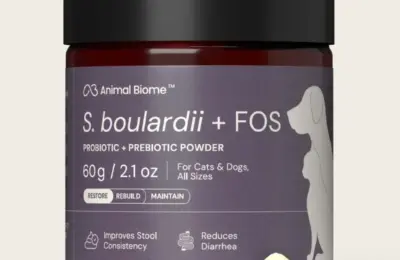
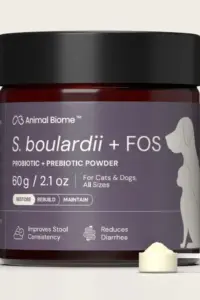
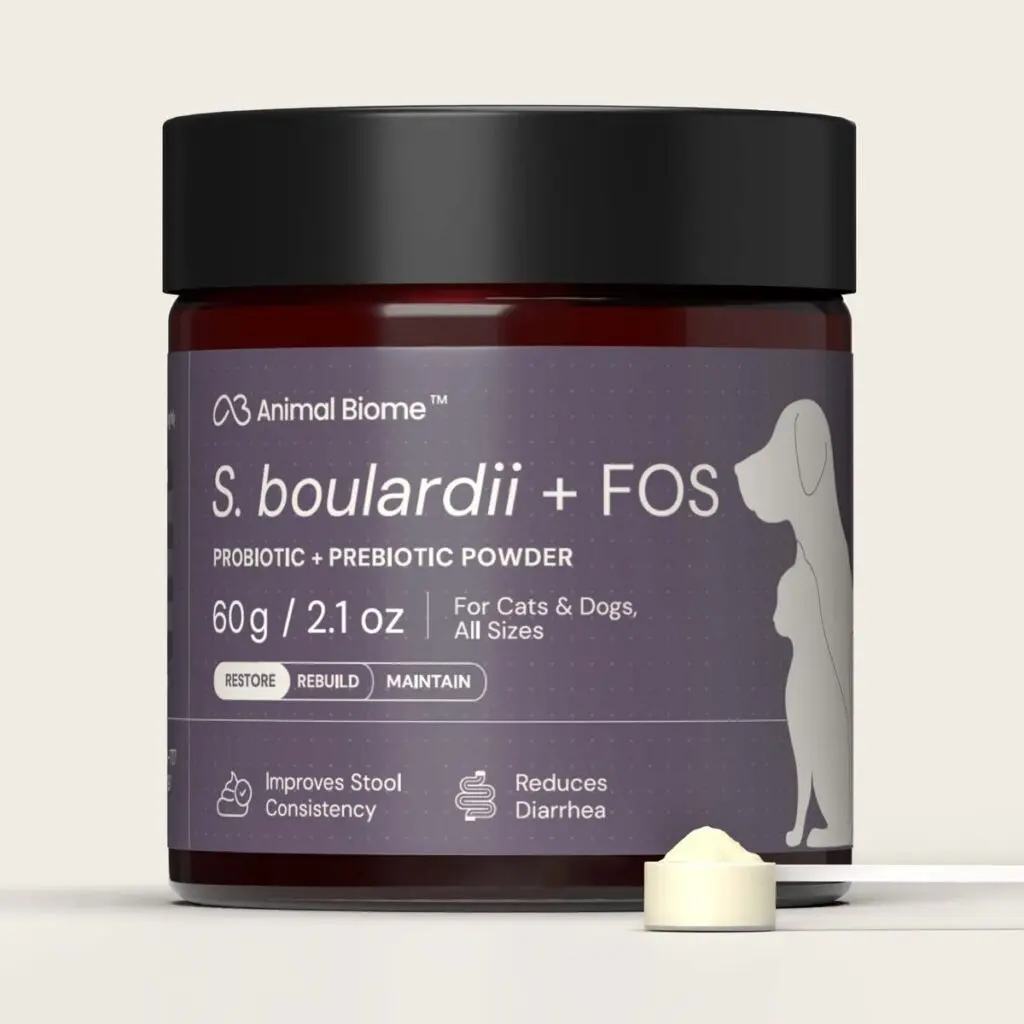
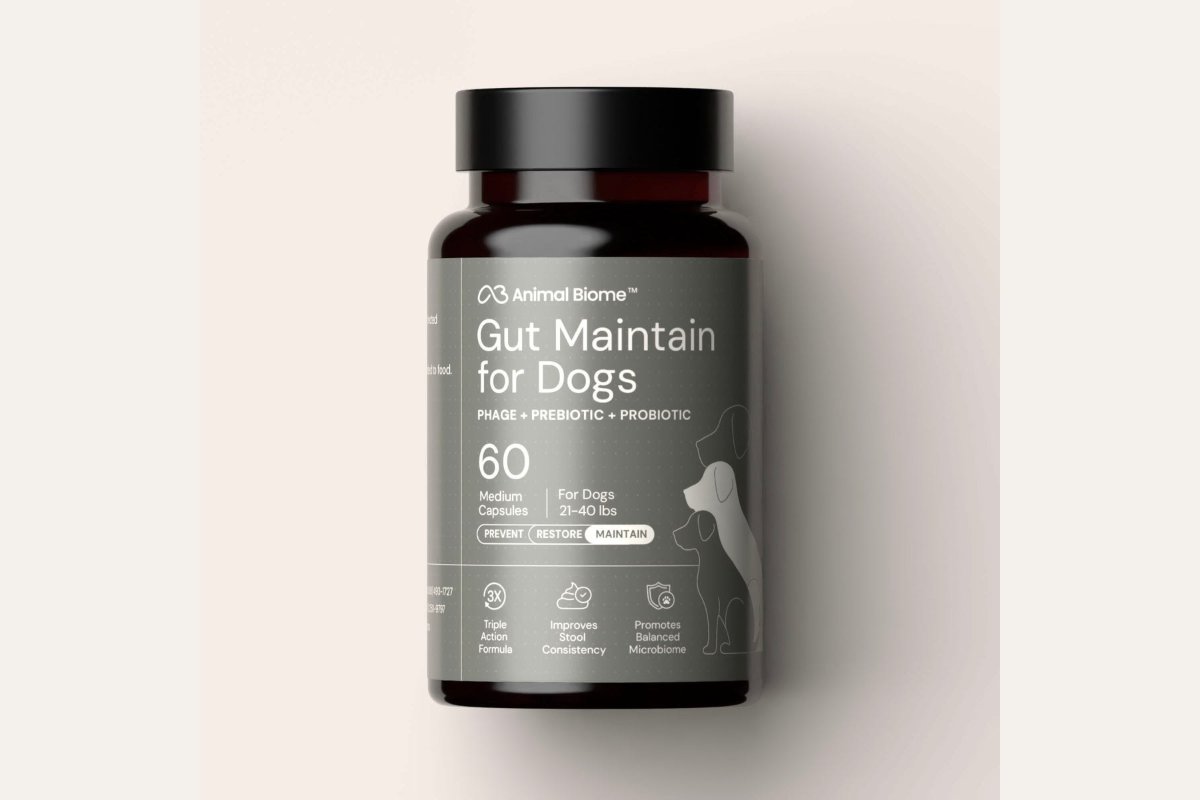
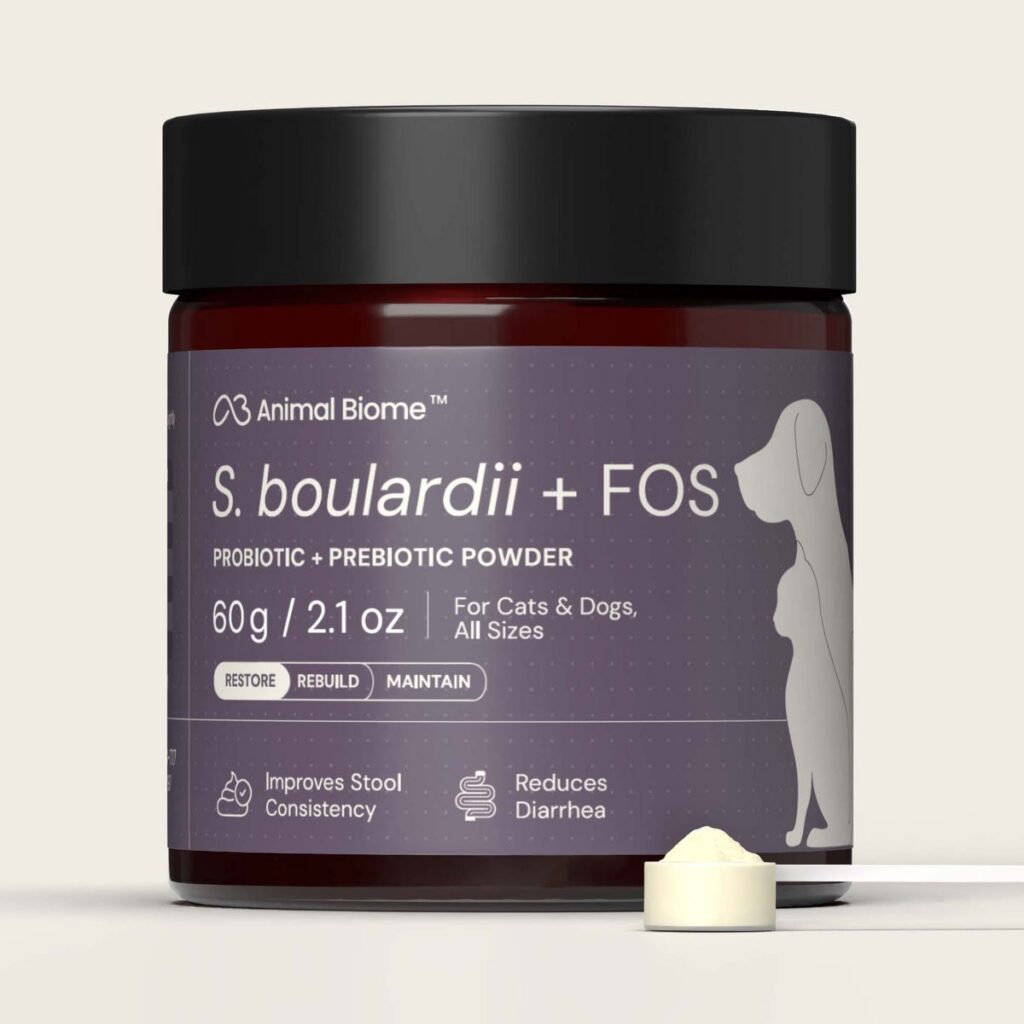
For stable puppies who experience occasional mild digestive upset or are transitioning through standard lifestyle changes, Gut Maintain for Dogs offers daily support. This supplement combines the beneficial yeast Saccharomyces boulardii with prebiotics (Fructooligosaccharides, or FOS) and a targeted bacteriophage blend designed to reduce harmful E. coli bacteria. S. boulardii is a hardy yeast that survives transit through stomach acids to support intestinal cell health and reduce inflammation, making it a valuable tool for maintaining digestive consistency after initial recovery has been achieved.
Clarifying Common Misconceptions
When managing puppy health, it is easy for new owners to confuse general dog care guidelines with medical facts. Two common areas of confusion involve adoption adjustment rules and the safety of human foods.
The 3-3-3 Rule is Behavioral, Not Medical
The "3-3-3 rule" is a widely recognized behavioral guideline used to help owners understand the timeline of a newly adopted dog’s adjustment to a new home. It suggests that a dog needs roughly three days to decompress from the initial stress of adoption, three weeks to begin learning the household routine, and three months to feel fully secure and bonded with their new family.
While this rule is excellent for managing behavioral expectations, it is not a medical timetable. Stress from adoption can certainly contribute to mild digestive upset, but diarrhea in a newly adopted puppy should never be ignored or monitored for days or weeks under the assumption that it is merely "decompression." Any newly adopted puppy with diarrhea requires prompt veterinary attention, particularly because their vaccine and parasite histories are often incomplete.
The Hazards of Self-Medicating and Human Foods
Pet owners must never administer human over-the-counter antidiarrheal medications—such as loperamide (Imodium) or bismuth subsalicylate (Pepto-Bismol)—to a puppy without direct veterinary approval. These medications can be highly toxic to young dogs, cause severe adverse drug interactions, mask worsening clinical signs, and even interfere with diagnostic imaging like X-rays by mimicking foreign objects in the abdomen.
Similarly, owners should avoid offering random human foods in an attempt to firm up a puppy’s stool. Rich meats, fatty scraps, dairy products, onions, garlic, and seasoned dishes can cause severe pancreatitis or worsen gastrointestinal inflammation. Even safe, plain ingredients must be carefully managed to avoid disrupting the nutritional balance required for a puppy’s rapid growth.
Long-Term Preventative Strategies
While not every case of puppy diarrhea can be prevented, establishing a highly consistent daily routine and maintaining proper home biosecurity can significantly reduce avoidable risks.
Maintaining Medical and Environmental Biosecurity
Keep the puppy’s core vaccinations and veterinarian-directed parasite preventatives strictly up to date. Avoid taking a partially vaccinated puppy to high-traffic dog areas, such as public dog parks, pet stores, shared apartment relief areas, or popular hiking trails.
On daily walks, remain vigilant to prevent the puppy from drinking from puddles or standing water, and do not allow them to sniff or consume wildlife feces, discarded food, wild mushrooms, or trash. At home, ensure that all household cleaners, medications, compost bins, trash cans, and small chewable items like socks, hair ties, and toys are secured well out of the puppy’s reach.
Implementing Gradual Dietary Changes
Always introduce new foods, treats, or supplements one at a time and in very small quantities. When transitioning to a new brand or formula of puppy food, perform the change gradually over a period of at least one week, slowly increasing the ratio of the new food to the old.
Be sure to account for any training treats used throughout the day in the puppy’s total daily calorie count to avoid overfeeding, which can also cause loose stools. Finally, maintain a simple health log containing vaccination dates, deworming histories, fecal test results, and notes on any dietary changes or previous digestive episodes. If diarrhea does recur, this detailed history will prove invaluable to your veterinarian, allowing them to quickly connect the symptoms to a cause and implement a safe, effective recovery plan.