A seemingly minor bout of diarrhea can quickly escalate into a life-threatening crisis for a young feline. Unlike adult cats, kittens possess very limited fluid and energy reserves, meaning that a sudden onset of loose stools can compromise their health in a matter of hours. While some cases of kitten diarrhea are brief, benign reactions to minor stress or a rapid change in diet, others serve as critical warning signs of underlying parasites, severe infections, nutritional deficits, or systemic illness.
To safely navigate this common pediatric issue, caregivers must consider a complex matrix of factors, including the kitten’s precise age, weight, appetite, energy level, hydration status, vaccination history, and potential exposure to infectious diseases. Veterinary diagnosis and cause-specific clinical care must always serve as the primary line of defense. Once a kitten is medically stabilized, a structured recovery plan incorporating complete nutrition, gradual dietary transitions, and veterinarian-guided microbiome support can help restore long-term digestive health.
This clinical overview is sponsored by Animal Biome. All veterinary information has been reviewed by the Vetstreet editorial team for accuracy. Vetstreet receives compensation from Animal Biome for this content; all clinical guidance and opinions expressed remain those of the authors.
Understanding the Common Causes of Kitten Diarrhea
Kitten diarrhea is a symptom, not a standalone diagnosis. It can stem from a wide array of pathogens and physiological stressors, making diagnostic testing far more reliable than attempting to guess the cause based on the appearance of the stool alone. Clinicians typically look for microscopic parasites such as coccidia, Giardia, roundworms, or hookworms. They also screen for highly contagious viral infections, most notably feline panleukopenia, which can be fatal to young, unvaccinated felines.
Other frequent culprits include sudden dietary changes, overfeeding, physical or environmental stress, adverse reactions to medications, or less common systemic and intestinal disorders. To understand why age and maternal antibody protection play such a vital role in these vulnerabilities, caregivers can refer to Vetstreet’s comprehensive guide to kitten health problems to watch for.
Additionally, Vetstreet’s detailed overview of coccidiosis highlights why microscopic identification is the gold standard for diagnosing parasitic infections, as stool color and consistency are highly subjective and frequently misleading.
While analyzing a kitten’s diet—such as determining whether a new wet food or an accidental bout of overfeeding triggered the upset—is an essential part of compiling a medical history, these factors do not rule out co-existing issues. A kitten may indeed suffer from a simple feeding-related digestive upset while simultaneously harboring active coccidia or Giardia infections.
Consequently, any effective treatment plan must align with a formal veterinary diagnosis. If a kitten has loose stools but otherwise behaves normally, the safest course of action is to contact a veterinarian early, maintain the kitten’s normal caloric intake, document the frequency and appearance of the stool, and proceed with recommended diagnostic testing rather than attempting to self-treat at home with multiple simultaneous remedies.
Evaluating Risk: The Age, Feeding, and Parasite Matrix
To help veterinary teams identify the most likely cause of a kitten’s diarrhea, caregivers should document a thorough clinical history. A kitten’s developmental stage, feeding regimen, housing history, and vaccination status directly dictate which diagnostic tests are most appropriate. Rather than attempting to diagnose a kitten at home, caregivers can use the following clinical risk profiles to prepare for their veterinary consultation.
Vulnerable Pediatric Patients (Nursing, Orphaned, or Newly Weaned)
Kittens who are still nursing, recently orphaned, newly weaned, underweight, or failing to meet developmental growth milestones represent the highest-risk category. In these fragile patients, diarrhea is frequently associated with incorrect milk replacer preparation, inappropriate feeding volumes, acute dehydration, hypoglycemia, pathogenic infections, or congenital abnormalities.
Veterinarians will prioritize an immediate physical examination to evaluate the kitten’s body temperature, hydration status, body weight, and blood glucose levels, followed by targeted fecal or infectious disease testing.
Dietary and Formula Transitions
When a kitten experiences a recent formula change, consumes improperly mixed milk replacer, undergoes an abrupt food switch, or ingests unusually large meals, feeding-related diarrhea is a primary consideration. However, clinicians must remain vigilant, as dietary upset can easily co-exist with underlying parasitic or viral infections.
The typical veterinary approach involves a detailed review of the kitten’s feeding schedule, a close evaluation of their weight trends, and a physical exam. Fecal testing is initiated if the diarrhea persists, growth stalls, or environmental exposure makes parasites a distinct possibility.
High-Exposure Environments (Shelters, Rescues, and Foster Homes)
Kittens sourced from animal shelters, breeders, rescue groups, foster homes, outdoor environments, or multi-cat households face significant exposure to highly transmissible pathogens. Clinicians routinely screen these patients for coccidia, Giardia, roundworms, hookworms, Tritrichomonas foetus, and contagious viral or bacterial enteritis.
Depending on the kitten’s specific exposure history, the veterinary team may utilize fecal flotation, direct microscopic examinations, ELISA antigen tests, or polymerase chain reaction (PCR) molecular panels.
Unvaccinated or Partially Vaccinated Kittens
An incomplete vaccination history coupled with systemic symptoms like vomiting, fever, severe appetite loss, or profound lethargy points toward a highly serious infection, such as feline panleukopenia. This virus attacks rapidly dividing cells in the bone marrow and gastrointestinal tract, leading to severe immunosuppression and enteritis.
Such cases require immediate isolation to prevent transmission to other felines, a rapid physical examination, feline panleukopenia antigen testing, comprehensive blood work, and aggressive, supportive veterinary hospitalization.
Chronic, Persistent, or Relapsing Diarrhea
When diarrhea persists over a long period, causes poor growth, or recurs shortly after completing a course of treatment, veterinarians must look beyond simple acute triggers. Potential causes include parasites that are shed intermittently, reinfection from a contaminated environment, adverse food reactions, medication side effects, or chronic intestinal and systemic disorders.
A thorough workup for chronic cases typically involves repeated or specialized fecal testing, a meticulous review of the kitten’s diet and previous medications, systemic blood work, or abdominal imaging.
Because many common intestinal parasites are shed intermittently, a single negative fecal test does not completely rule out an active infection. If requested by the clinic, caregivers should collect and bring a fresh stool sample to the appointment, but this should never delay an urgent visit if the kitten is showing signs of systemic illness.
When Kitten Diarrhea Becomes a Medical Emergency
Because of their small body mass and minimal metabolic reserves, young kittens can dehydrate and weaken with alarming speed. Caregivers should maintain an exceptionally low threshold for seeking veterinary intervention, particularly for kittens who are nursing, recently weaned, orphaned, or underweight. If there is any doubt regarding a kitten’s stability, it is always safest to call a veterinary professional immediately rather than waiting to see if the stool improves.
Immediate, emergency veterinary care is required if a kitten displays diarrhea alongside any of the following clinical warning signs:
- Profound weakness, lethargy, or a lack of responsiveness
- Repeated or continuous vomiting
- Visible blood in the stool (either bright red blood or dark, tarry stools)
- Signs of abdominal pain, such as crying, tense posturing, or hiding
- A complete loss of appetite or refusal to nurse
- Pale, gray, or tacky gums, which indicate poor perfusion and dehydration
- A low body temperature (the kitten feels cool to the touch)
- A rapid, progressive decline in the kitten’s overall condition
Caregivers should not wait for a specific stool color or odor to confirm whether a situation is urgent. A kitten passing bloody stools, a kitten experiencing concurrent vomiting and diarrhea, or a cold, quiet kitten requires immediate emergency triage. Even if the kitten temporarily appears slightly brighter between episodes of diarrhea, these symptoms can indicate rapid fluid loss, severe infection, or an underlying intestinal obstruction.
If feline panleukopenia is suspected due to the kitten’s age, symptoms, or lack of vaccination, caregivers should call the veterinary hospital before arriving. This allows the medical team to prepare a designated isolation area, minimizing the risk of exposing other vulnerable patients in the clinic. Caregivers must also isolate the sick kitten from any other household cats, avoid sharing food bowls or litter tools, and strictly adhere to veterinary-approved disinfection protocols using appropriate virucidal cleaners.
Navigating the Diagnostic Workup and Treatment
A successful clinical outcome relies on a systematic approach: rapid triage, a thorough veterinary workup, targeted cause-specific treatment, and a structured follow-up plan. Upon arrival at the clinic, the veterinary team will immediately assess the kitten’s vital signs, checking their temperature, body weight, hydration level, mucous membrane color, abdominal comfort, and neurological responsiveness.
Depending on the physical findings, the next diagnostic steps may include fecal testing, blood glucose monitoring, a complete blood count and chemistry profile, a rapid panleukopenia test, or abdominal imaging.
To maximize the efficiency of the veterinary consultation, caregivers should prepare to provide the following information:
- The exact age, source, and breed of the kitten
- A complete record of all vaccines, deworming treatments, and medications administered
- The exact type of food or formula provided, including preparation methods and portion sizes
- The frequency, consistency, color, and duration of the diarrhea
- Any history of potential exposure to other animals, outdoor environments, or toxic substances
- The presence of any concurrent symptoms, such as vomiting, coughing, sneezing, or lethargy
Veterinary treatment for kitten diarrhea must be tailored specifically to the underlying cause; there is no safe, universal over-the-counter remedy. For a dehydrated or weak kitten, treatment may involve warmed subcutaneous or intravenous fluids, glucose support, prescription anti-nausea medications, nutritional assistance, active temperature management, or inpatient hospitalization.
If a specific parasite or bacterial pathogen is identified, the veterinarian will prescribe targeted medications, such as specific dewormers or antibiotics. If an intestinal obstruction or swallowed foreign object is detected, surgical intervention or advanced imaging may be required.
Under no circumstances should caregivers administer human antidiarrheal medications, such as loperamide or bismuth subsalicylate, without explicit veterinary authorization. Because of a kitten’s small body size and unique metabolic pathways, these medications can easily cause severe toxicity. Furthermore, artificially slowing down gut motility can mask worsening clinical signs, trap harmful bacterial toxins inside the digestive tract, or delay critical treatment for an infection or obstruction.
Nutritional Care and Hydration Protocols During Recovery
Because growing kittens have exceptionally high nutritional demands, maintaining adequate caloric intake is vital during a digestive crisis. Fasting a young kitten is highly dangerous and should never be attempted unless specifically instructed by the attending veterinarian for a brief, medically managed period. Caregivers should consult their veterinarian regarding what specific food to offer, the correct daily portions, the frequency of meals, and how to safely transition the kitten back to their regular, nutritionally complete diet.
A safe, supportive feeding and hydration plan typically involves:
- Offering highly digestible, complete, and balanced kitten food that meets their developmental needs
- Providing small, frequent meals throughout the day to avoid overwhelming the recovering digestive tract
- Ensuring constant access to clean, fresh water, or adding veterinary-approved oral rehydration fluids to their meals
- Using precise, digital scale measurements to track the kitten’s body weight daily at the same time
Caregivers must avoid substituting balanced nutrition with home remedies like cow’s milk, heavy cream, raw diets, fatty table scraps, seasoned meats, or improvised long-term bland diets. These substitutes lack the precise balance of protein, fat, taurine, vitamins, and minerals that a growing kitten requires, and some ingredients, such as onion or garlic powders often found in commercial broths, are highly toxic to felines. If a temporary home-prepared diet is medically necessary, the veterinarian must approve the exact recipe and duration of use.
To ensure the recovery plan is succeeding, caregivers should maintain a daily monitoring log. This record tracks whether the whole kitten is improving, rather than focusing solely on the consistency of their stool. Caregivers can structure their daily observations around several key clinical areas:
- Stool Quality: Record the time, frequency, consistency, and estimated volume of each bowel movement, noting any visible mucus, red blood, or dark black coloration. Worsening trends, such as an increase in watery stool or the appearance of blood, require immediate veterinary escalation.
- Food and Fluid Intake: Document the exact type and amount of food or formula consumed, the feeding schedule, the kitten’s overall appetite, and any occurrences of vomiting or regurgitation.
- Hydration and Output: Monitor the frequency of urination, the moisture level and color of the kitten’s gums, and compliance with any prescribed fluid therapy instructions.
- Growth and Vitality: Track the kitten’s daily weight using a digital scale, and note their overall energy levels, body warmth, posture, and social interactions. Contact the clinic immediately if the kitten exhibits weight loss, muscle weakness, or a cold, wobbly demeanor.
- Treatment Compliance: Keep a strict log of every medication, dewormer, or supplement administered, noting any adverse reactions or new environmental exposures.
Dietary Triggers: Clarifying the Impact of Overfeeding and Wet Food
Caregivers frequently wonder if simple husbandry issues, such as overfeeding or wet food, are the primary cause of a kitten’s loose stools. While these factors can certainly contribute to gastrointestinal upset, they should never be assumed to be the sole cause if a kitten is showing systemic signs of illness like weakness, vomiting, or poor growth.
Overfeeding can easily trigger diarrhea, particularly in bottle-fed or newly weaned kittens. When a large volume of food or formula is ingested too quickly, it can stretch the capacity of the immature stomach and overwhelm the digestive enzymes in the small intestine, leading to rapid fermentation and osmotic diarrhea.
To prevent this, caregivers should strictly follow measured portion guidelines and feeding schedules recommended by their veterinarian or rescue coordinator. For bottle-fed kittens, regular weight checks and hands-on guidance regarding proper bottle positioning, nipple flow rates, burping, and elimination stimulation are essential. Caregivers must never force liquid into a kitten’s mouth, as this carries a high risk of life-threatening aspiration pneumonia.
Similarly, high-quality, complete, and balanced wet kitten food is not inherently problematic and is often highly recommended to support hydration. However, wet food can be associated with diarrhea if it is introduced too abruptly, fed in excessive quantities, left out at room temperature long enough to spoil, or combined with frequent, rapid brand changes.
If a kitten develops loose stools following a dietary change, caregivers should keep the food packaging and note the transition dates. Rather than repeatedly switching foods in an attempt to find a quick fix—which often worsens intestinal irritation—caregivers should consult their veterinarian.
As kittens grow, chronic digestive issues can sometimes point to underlying dietary sensitivities. For those interested in how these adverse food reactions are diagnosed and managed in felines, Petful’s detailed guide to food allergies in cats offers valuable insights into elimination diets and clinical testing.
The Role of Microbiome Support in Post-Stabilization Recovery
The feline gastrointestinal tract is home to a complex ecosystem of trillions of microbes that play a vital role in digestion, nutrient absorption, and immune function. Acute diarrhea, rapid dietary changes, environmental stress, and necessary medical treatments like antibiotics can severely disrupt this delicate microbial community.
Once a kitten has been thoroughly evaluated by a veterinarian, infectious pathogens have been treated, and the patient is medically stable, targeted microbiome support can serve as a beneficial adjunctive therapy to aid long-term recovery.
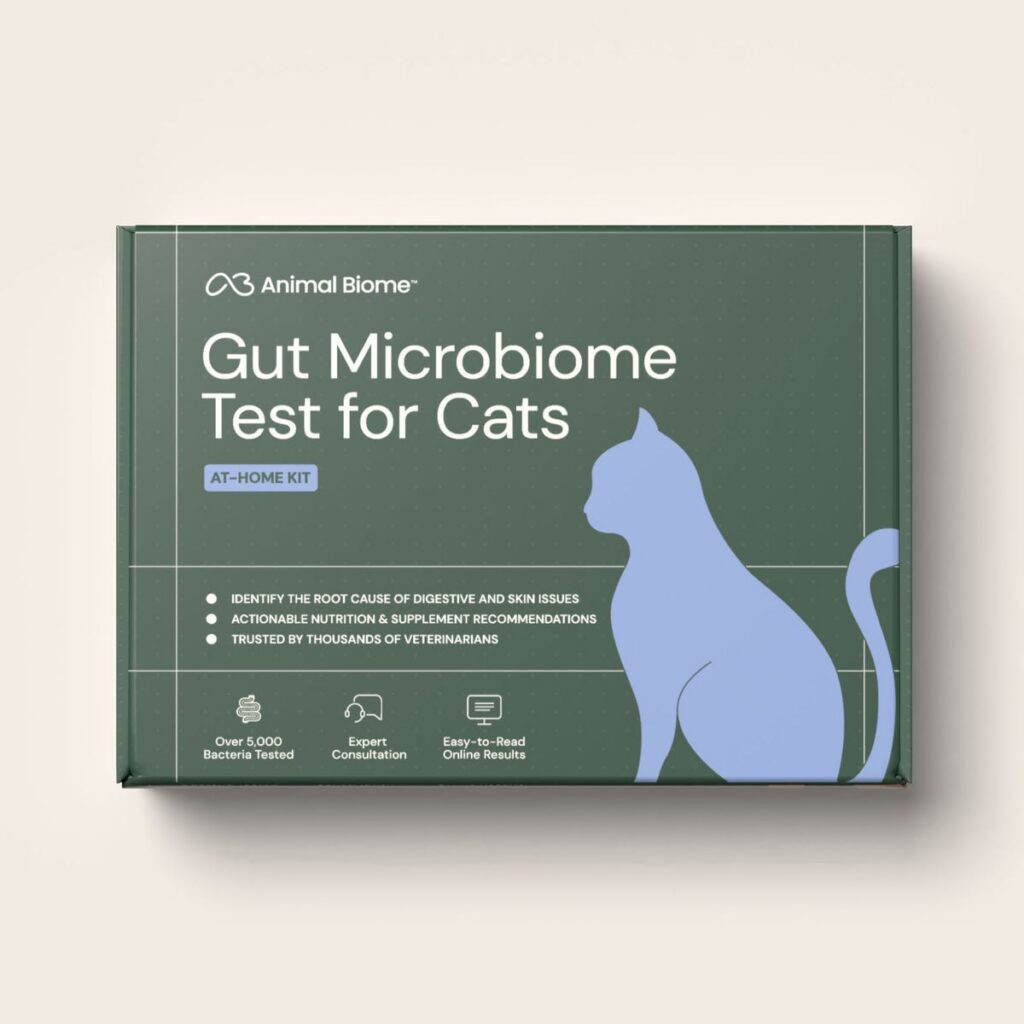
The Animal Biome Gut Microbiome Test for Cats is a non-invasive diagnostic tool that profiles the specific bacterial populations present in a submitted stool sample. While this test is not a screening tool for active parasites, food allergies, or acute medical emergencies, it can provide veterinarians with valuable, actionable data for stable kittens suffering from persistent, chronic, or recurrent digestive issues.
For stable kittens whose veterinarians approve of daily gut maintenance, several targeted options can be integrated into their recovery plan:
Daily Maintenance Supports
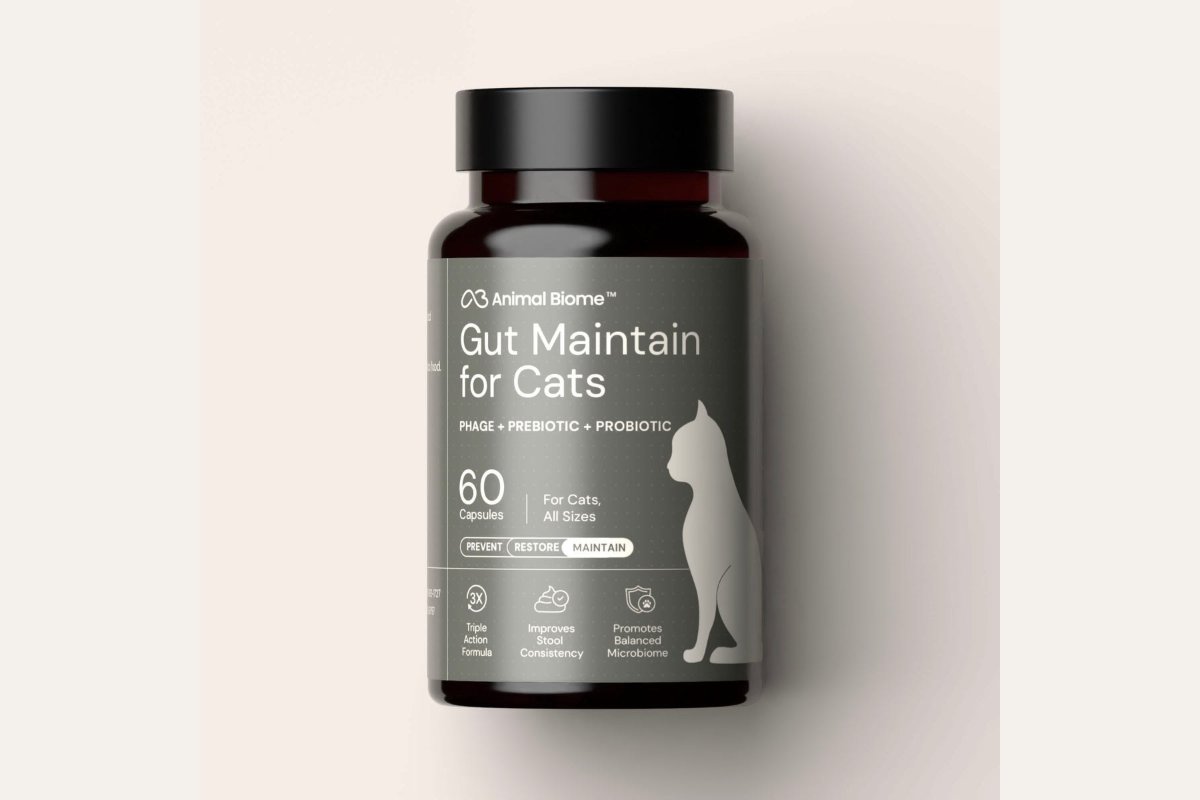
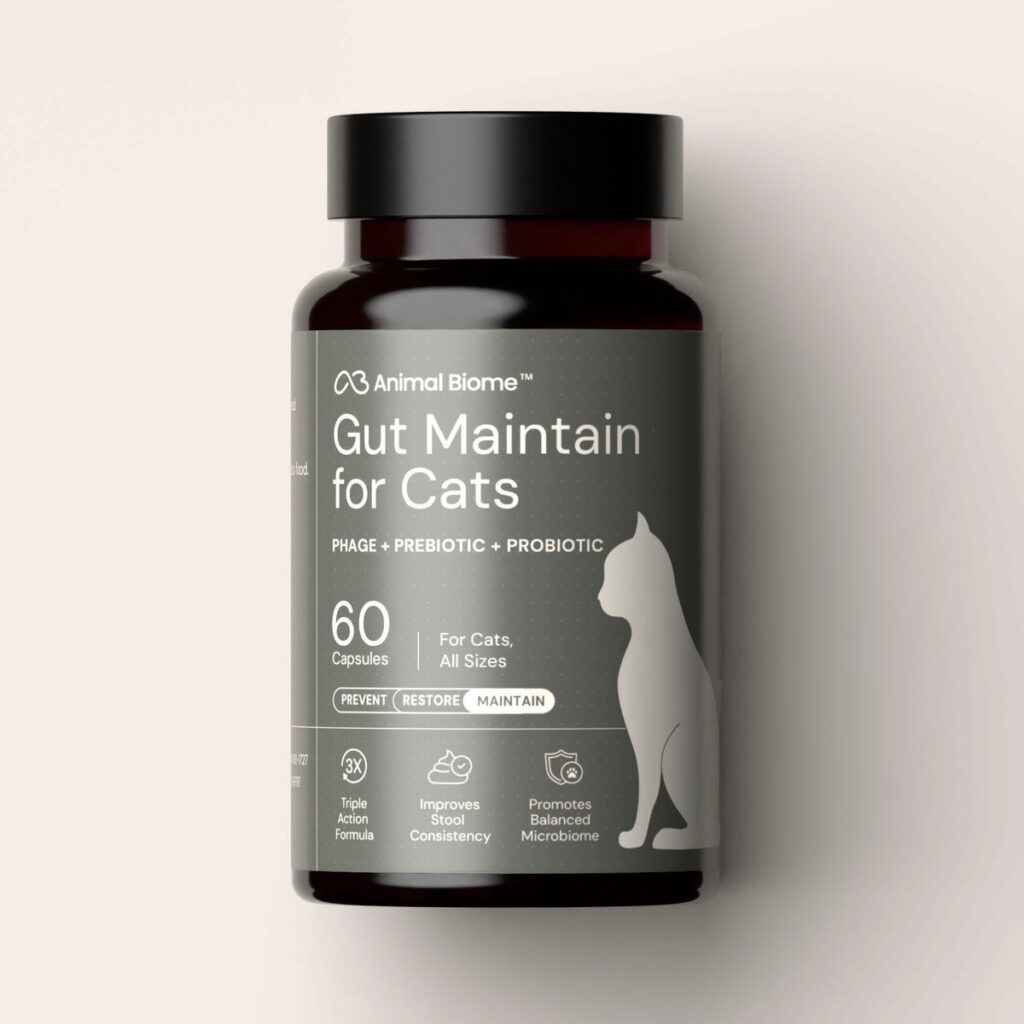
Options like Animal Biome’s Gut Maintain for Cats combine the beneficial yeast Saccharomyces boulardii, prebiotic mannan-oligosaccharides, and a specialized bacteriophage blend. This daily supplement is designed to support gut health during minor, occasional shifts in stool quality or during the late phases of recovery. It is not, however, a substitute for primary veterinary treatments targeting panleukopenia, coccidia, Giardia, roundworms, or dehydration. Caregivers must strictly adhere to veterinarian-approved dosing schedules and discontinue use immediately if the kitten’s stool worsens, or if they exhibit vomiting or lethargy.
Focused Yeast-Based Options
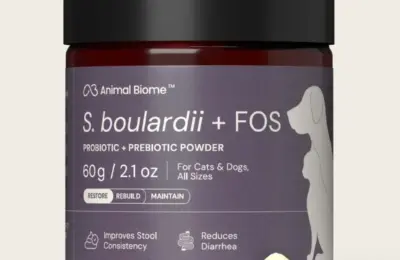
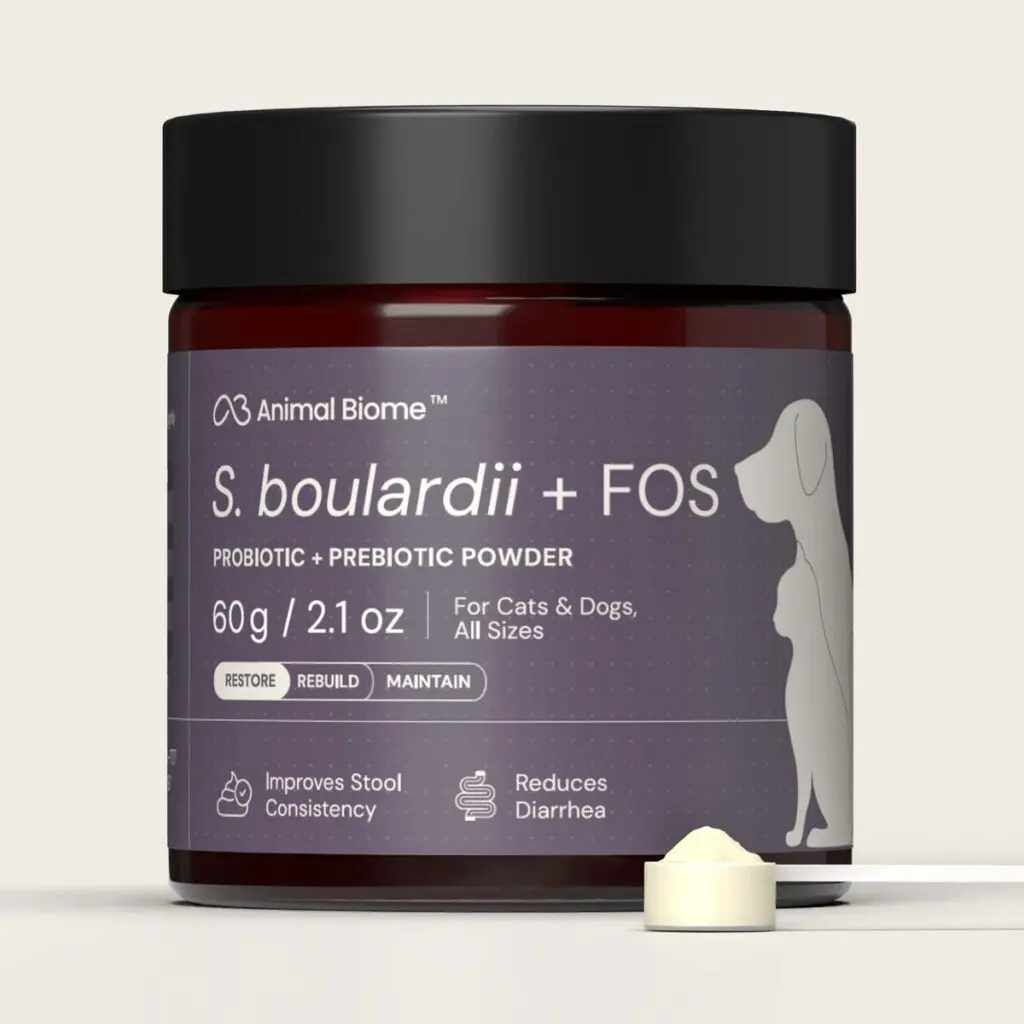
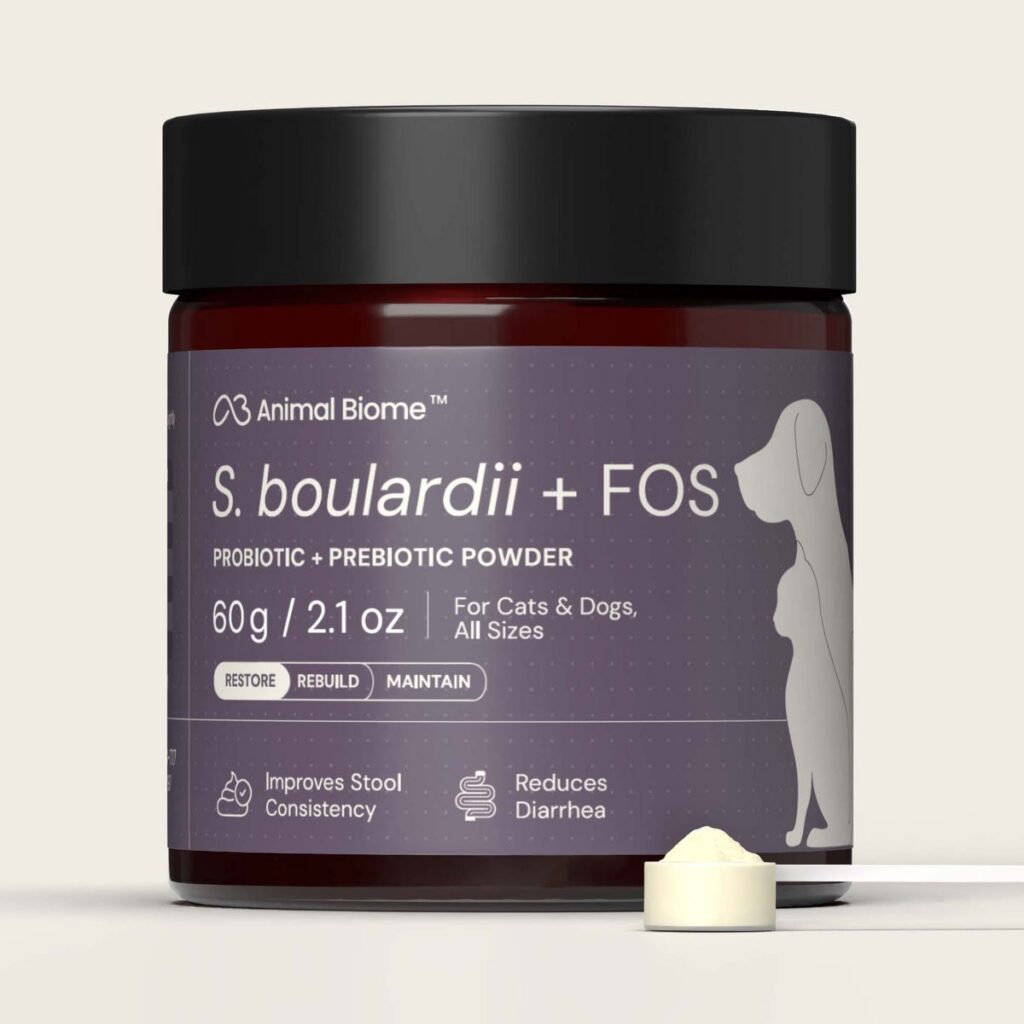
Animal Biome’s S. boulardii + FOS Powder combines a robust, clinically studied beneficial yeast with fructooligosaccharide prebiotic fiber to support a healthy intestinal lining. Because pediatric patients are highly sensitive, caregivers should never estimate dosage based on adult cat guidelines. A veterinarian should always confirm the appropriateness and precise dosing of yeast-based prebiotics, particularly for orphaned, underweight, or immunologically vulnerable kittens.
Broad-Spectrum Microbiome Restoration
For complex, chronic cases, tools like Gut Restore for Cats—an oral fecal microbiota transplant (FMT) capsule—may be recommended by a veterinarian to help re-establish a diverse, balanced microbial community. FMT capsules are reserved for stable felines with a well-documented history of chronic enteritis and should never be used as a shortcut to bypass standard parasite testing or infectious disease isolation protocols. For felines that go on to receive a diagnosis of inflammatory bowel disease, WebVet’s clinical guide on what to feed a cat with IBD outlines the essential role of specialized nutrition in long-term disease management.
Recognizing the Critical Signs of Fading Kitten Syndrome
Any discussion of pediatric feline health must emphasize the extreme vulnerability of young kittens to a rapid, multi-systemic decline known as Fading Kitten Syndrome. This term does not describe a single disease, but rather a clinical syndrome characterized by a kitten rapidly losing their fight to survive during the first several weeks of life. Diarrhea can be a contributing factor or a concurrent symptom of this devastating decline.
The earliest warning signs of Fading Kitten Syndrome include:
- A progressive decrease in nursing or a complete refusal to feed
- Failure to gain weight, or sudden weight loss
- Unusual, persistent crying or vocalizations
- Profound weakness, limpness, or a lack of activity
- Separation from the mother cat and the rest of the litter
- A body temperature that feels noticeably cool to the touch
- Pale, white, or dry gums
- A lack of responsiveness to touch or sound
A fading kitten represents a profound medical emergency. While transporting the kitten to an emergency veterinary hospital, caregivers must focus on keeping the animal safely warm by wrapping them in a warm towel or placing them near a safe, regulated heat source.
Caregivers must never attempt to force-feed food, sugar water, or syringe liquids into a cold, weak, or unresponsive kitten, as this can easily lead to choking, fatal aspiration, or severe choking. Immediate professional veterinary intervention is vital to correct hypothermia, address hypoglycemia, administer warm fluids, and treat the underlying infectious, parasitic, or congenital triggers.
Proactive Strategies for Preventing Future Digestive Crises
While not every episode of kitten diarrhea can be prevented, establishing consistent husbandry and wellness protocols can significantly reduce the risk of avoidable gastrointestinal upset and ensure that emerging health issues are caught early.
- Implement Gradual Dietary Transitions: When introducing a new brand, flavor, or texture of food, transition the kitten slowly over a period of 7 to 10 days, gradually increasing the proportion of the new food while decreasing the old.
- Adhere to Strict Hygiene Protocols: Regularly clean and disinfect food bowls, water dishes, and litter boxes. In multi-cat environments, ensure that litter boxes are scooped daily and disinfected frequently to prevent the re-ingestion of parasitic oocysts.
- Maintain Routine Preventive Care: Partner with a veterinarian to establish a timely, age-appropriate vaccination and deworming schedule. Routine fecal screenings are highly effective at identifying and treating parasitic infections before they cause clinical symptoms.
- Minimize Environmental Stressors: Keep the kitten’s living space calm, structured, and predictable. Limit sudden household changes, provide quiet resting areas, and ensure gentle, supervised handling, especially during the weaning and socialization phases.
By combining proactive preventive measures, vigilant daily monitoring, and an immediate, diagnostic-first approach to veterinary care, caregivers can successfully navigate the challenges of kitten diarrhea, protecting these vulnerable young felines and supporting their journey toward healthy, vibrant growth.