




After spending twenty years chasing the fleeting explosion of autumn foliage across the Northeastern United States and beyond, professional landscape photographer Kate Garibaldi has published a comprehensive retrospective detailing the artistic and technical strategies that have transformed her approach to seasonal photography. Rather than relying on spontaneity or simply arriving at popular destinations during peak color windows, Garibaldi’s extensive experience has revealed that capturing a diverse, compelling portfolio requires deliberate planning, flexible methodologies, and a willingness to look far beyond the most heavily photographed vistas.
Growing up in the Northeast, autumn naturally drew Garibaldi outdoors with its intense saturation and notoriously brief operational window. However, her early years in the field taught her a sobering lesson: merely standing in front of a brilliant canopy of red and gold trees does not automatically guarantee a successful image. Often, photographers run the risk of returning home with hundreds of variations of the exact same landscape, differentiated only by minor shifts in location. Over two decades of trial, error, and seasonal refinement, Garibaldi realized that breaking this repetitive cycle demands a strategic shift in mindset, structural planning, and field execution.
Because peak autumn color typically lasts for only a few fleeting weeks depending on local weather patterns, wasting limited time wandering idly hoping for a compelling composition is rarely an effective strategy. To combat this constraint, Garibaldi developed a dynamic shot-list approach. This system provides her seasonal outings with clear structural direction while leaving ample room for spontaneous discovery and creative adaptation in the field.
Building a Comprehensive Fall Color Shot List
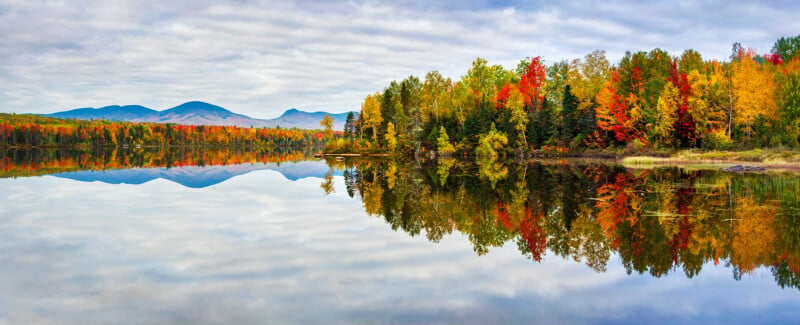
The cornerstone of Garibaldi’s modern seasonal workflow is the preparation of a diverse shot list before heading into the field. Far from being a rigid checklist of specific frames to be captured, this proactive inventory ensures that her annual portfolio reflects a wide variety of visual narratives rather than a monotonous collection of identical wide-angle landscapes.
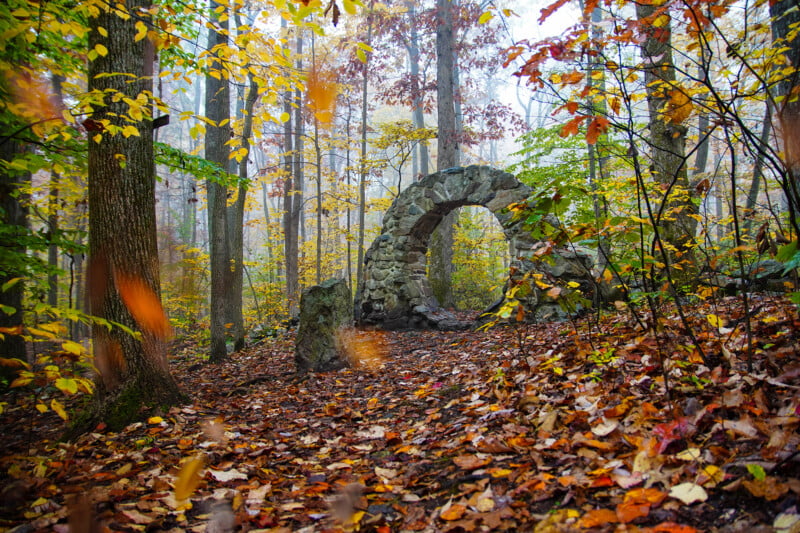
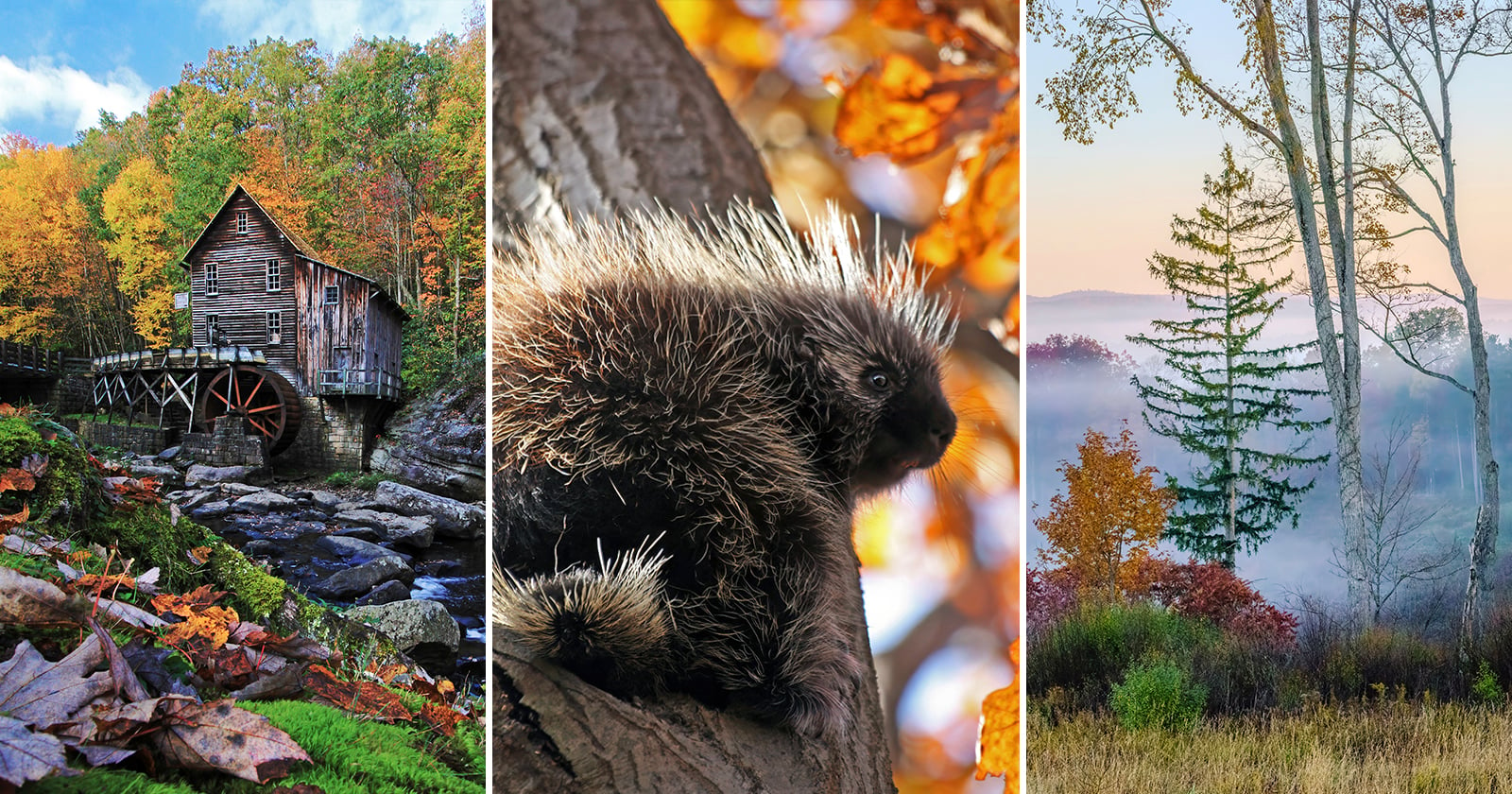
Her seasonal shot list typically encompasses a broad spectrum of photographic subjects and techniques. This includes high-detail macro photographs of intensely colored leaves, long-exposure studies of moving water paired with leading-line river rocks, and sweeping panoramic vistas designed to evoke an immediate emotional response from viewers. Additionally, she targets cultural and historical touchstones such as rustic barns, weathered farmhouses, and historic covered bridges that ground the natural scenery in human history. Smaller details like forest moss, delicate mushrooms, and intricate bark textures provide vital contrast against the vibrant canopy above, while wildlife photography—ranging from tight environmental portraits to distant subjects framed by massive forests—completes the comprehensive scope of her seasonal goals.
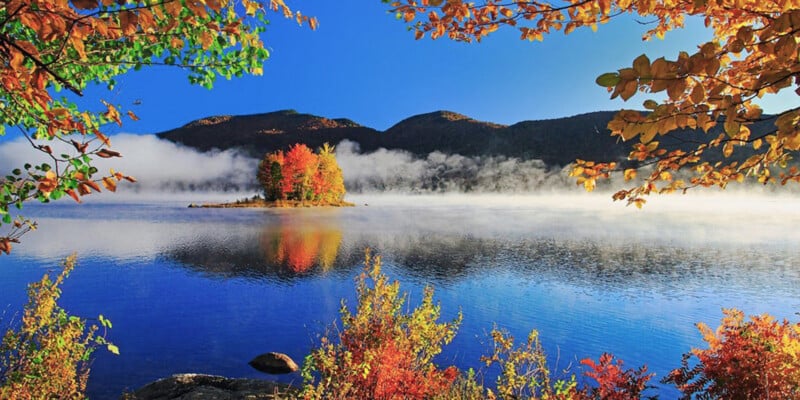
Rather than expecting to complete every item on this extensive list during a single morning outing, Garibaldi uses the inventory as a guiding compass throughout the autumn season. One particular hike might yield exceptional waterfall, macro, and texture images, whereas a subsequent trip could focus entirely on wildlife encounters and dramatic mountain vistas. By continuously assessing what is missing from her overall collection, she avoids the common trap of defaulting to the easiest or most familiar compositions.
Aligning Outings with Weather and Light Conditions
Rather than checking weather forecasts solely to determine if a day is broadly suitable for photography, Garibaldi uses meteorological conditions to dictate her precise creative focus for the day. Different atmospheric conditions inherently suit distinct types of subjects, and recognizing these nuances can drastically alter the quality of the resulting portfolio.
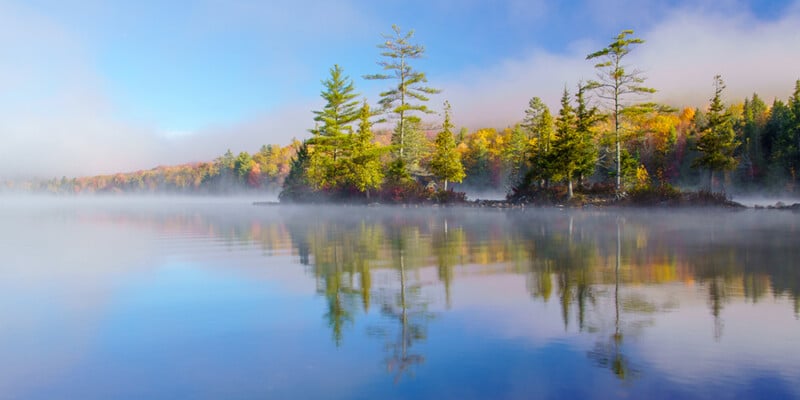
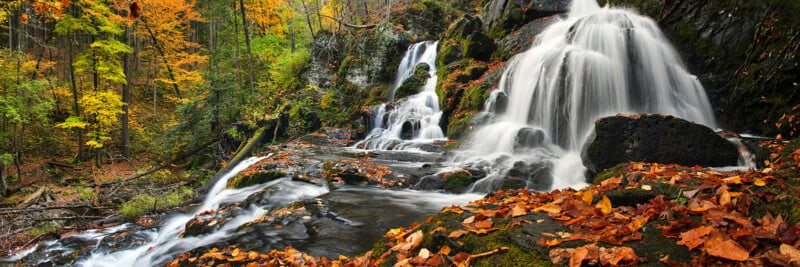
Overcast days, for instance, are among her preferred conditions for photographing intimate forest scenes, moss-covered rocks, and cascading waterfalls. Thick cloud cover acts as a massive natural softbox, diffusing harsh contrast and preserving crucial highlight details within bright autumn foliage while eliminating distracting shadows across small subjects on the forest floor. Conversely, recent rainfall provides a substantial boost to waterfall photography by increasing stream flow, saturating wet stones and leaves, and creating reflective puddles, provided trail safety is maintained.
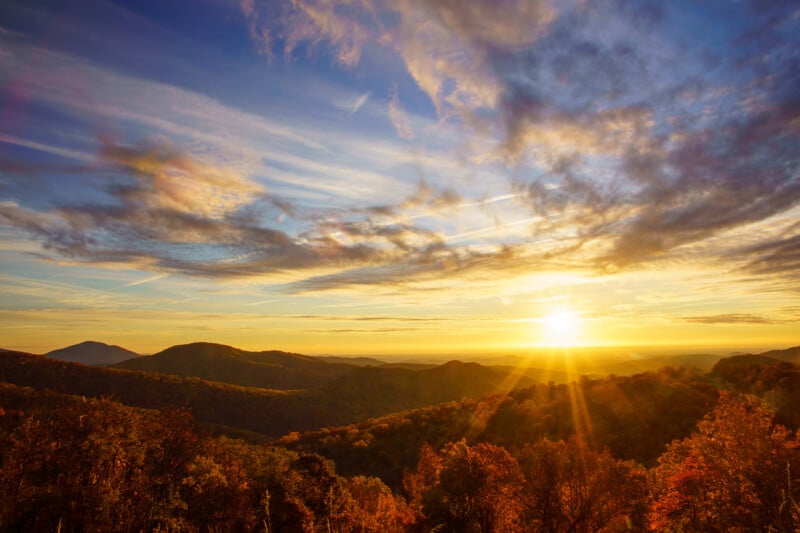
For sweeping panoramic vistas and dramatic mountain landscapes, Garibaldi shifts her planning toward partly cloudy conditions around sunrise or sunset. While completely clear skies can yield brief moments of intense color during the golden hours, strategic cloud cover interacts dynamically with warm light, adding crucial depth and atmospheric texture to the sky. Similarly, foggy mornings in mountainous regions can entirely transform rural structures, forests, and distant hills by simplifying backgrounds and emphasizing atmospheric layering.
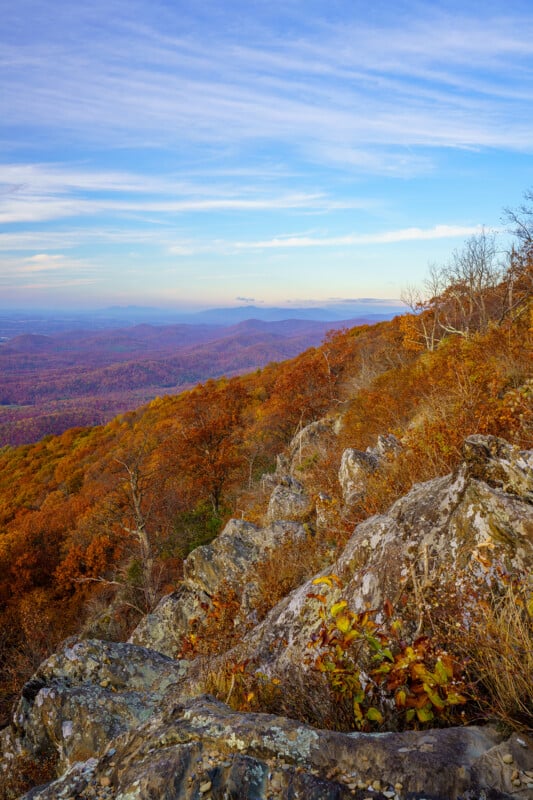
Moving Beyond the Iconic View and Embracing Versatility
A persistent challenge for nature photographers working in popular regions is resisting the gravitational pull of the iconic, heavily photographed viewpoint. While Garibaldi acknowledges the intrinsic value of capturing well-known landmarks, she stresses that stopping at the standard view leaves countless creative opportunities unexplored. When visiting a popular mountain overlook, for instance, she routinely captures the wide-angle vista before turning her attention to tighter compositions, such as a solitary tree with exceptional color, a winding hiking trail acting as a natural leading line, or subtle reflections along a nearby alpine stream.
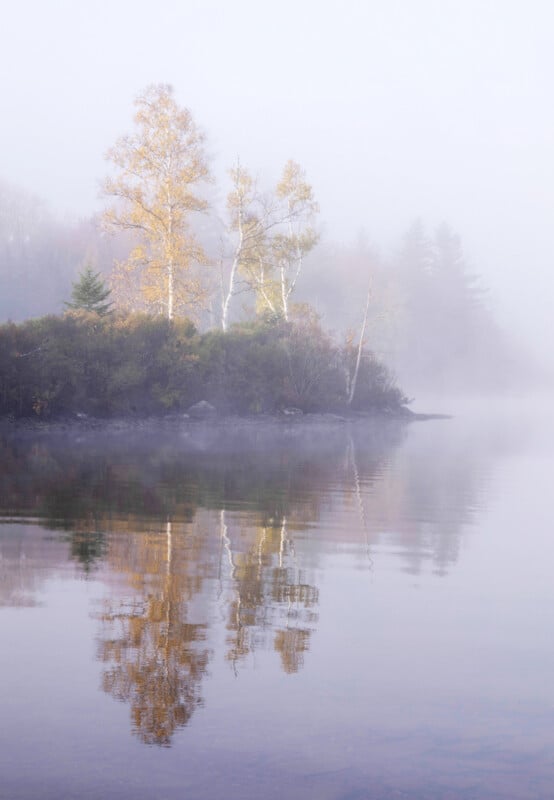
A crucial catalyst for this creative diversification is the physical act of changing lenses. While modern zoom lenses offer undeniable convenience, keeping a single lens mounted for an entire outing often encourages passive framing rather than active composition. By deliberately swapping between wide-angle optics, telephoto lenses, and specialized macro gear, Garibaldi forces her brain to recalibrate and search for entirely different visual elements within the same physical space. A wide landscape featuring a distant mountain can quickly give way to a compressed telephoto study of overlapping autumn ridges, which can subsequently be contrasted by an intimate macro shot of a single dew-kissed leaf resting upon vibrant green moss.
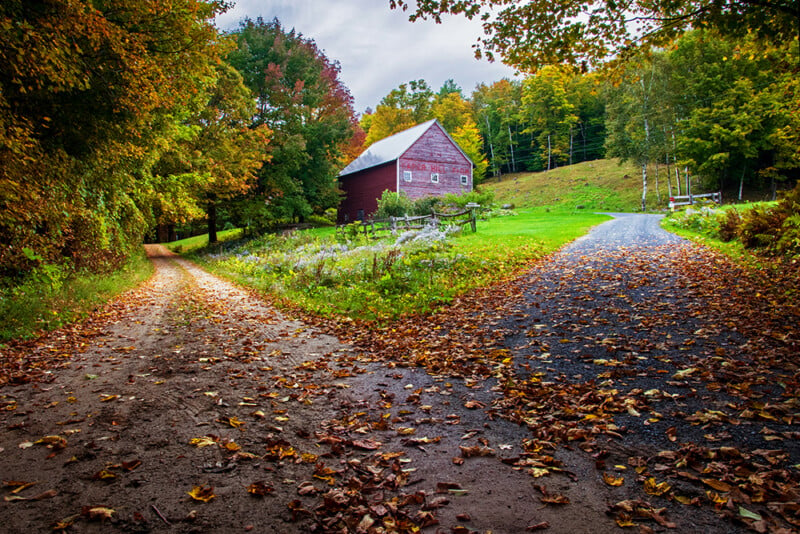
Ultimately, Garibaldi’s two decades of dedication to fall color photography emphasize that the brilliant foliage of autumn is merely a starting point. By approaching the fleeting season with intentional planning, a willingness to adapt to shifting weather, and a commitment to exploring beyond the obvious view, photographers can elevate their seasonal work from a collection of casual snapshots into a rich, varied, and deeply personal portfolio.