


In a breathtaking demonstration of modern marine exploration, international scientists working in tandem with the Ocean Census Network have successfully identified 57 new marine species and five brand-new genera. The remarkable haul of deep-sea discoveries was achieved during a concentrated, highly collaborative two-week exploration and species discovery workshop, highlighting just how much of Earth’s vast underwater realm remains entirely unknown to science.
Led by the Nippon Foundation-Nekton Ocean Census in direct partnership with the Schmidt Ocean Institute, the scientific expedition trained its sights on the rugged and remote Mar del Plata Submarine Canyon. Situated off the coast of Argentina in the deep expanse of the South Atlantic Ocean, this striking underwater trench plunges to depths exceeding 3,500 meters—roughly 11,400 feet, or approximately twice the depth of the iconic Grand Canyon in the United States. As the overwhelming array of new discoveries clearly suggests, this deep-sea chasm is an exceptionally vibrant region teeming with rich, specialized biodiversity adapted to crushing pressures and perpetual darkness.
Journey into the Depths: Technology Meets Taxonomy
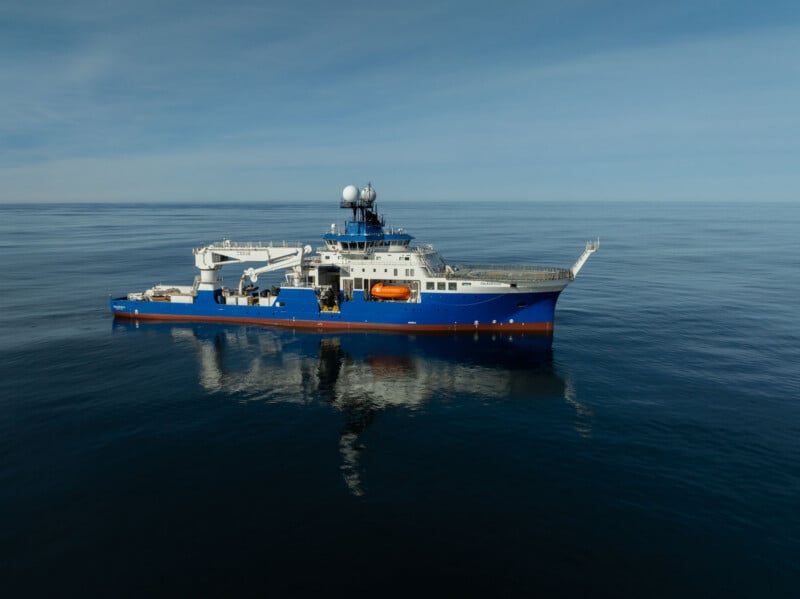
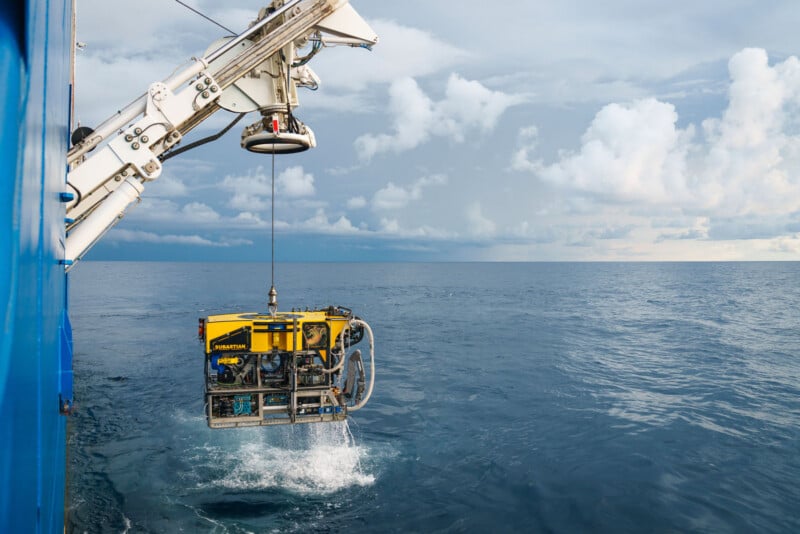
The high-stakes exploration was anchored by state-of-the-art ocean research capabilities. Scientists conducted their operations aboard the advanced research vessel Falkor (too), utilizing its cutting-edge equipment to probe the abyssal plains and canyon walls. The heavy lifting of visual documentation and physical sampling was performed by SuBastian, an advanced remotely operated vehicle (ROV) capable of withstanding the punishing environment of the deep ocean.
During the intensive analysis phase, the expedition cataloged a diverse assortment of organisms. Of the 57 newly identified species, a striking 20 belong to the group of tiny aquatic crustaceans known as copepods. Another 22 are echinoderms, encompassing delicate sea cucumbers and crinoids, while 14 fall under the classification of cnidarians, featuring intricate octocorals, wispy sea pens, and stony corals. Rounding out the primary count is a single scaphopod mollusk. Furthermore, the taxonomic breakdown revealed five brand-new scientific genera, distributed across groups including corals, sea cucumbers, and crustaceans.
Among the standout finds is a tiny, newly identified copepod belonging to the genus Pseudotachidius, retrieved from depths ranging between 1,909 and 2,625 meters. According to project researchers, taxonomists have so far examined only about 10 percent of the massive volume of copepod samples collected during the expedition. Astonishingly, every single specimen analyzed thus far has proven to be entirely new to science, underscoring the untapped richness of these micro-habitats.
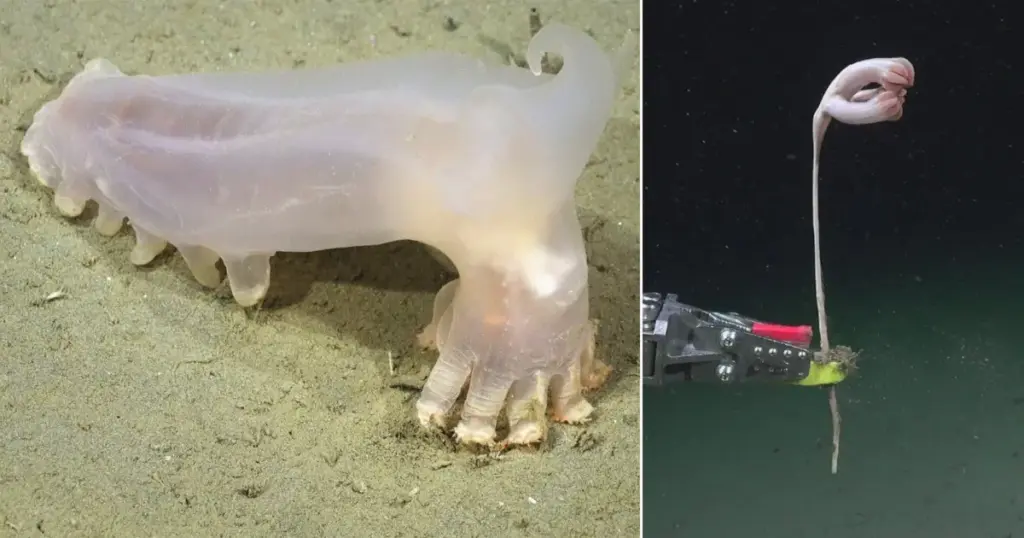
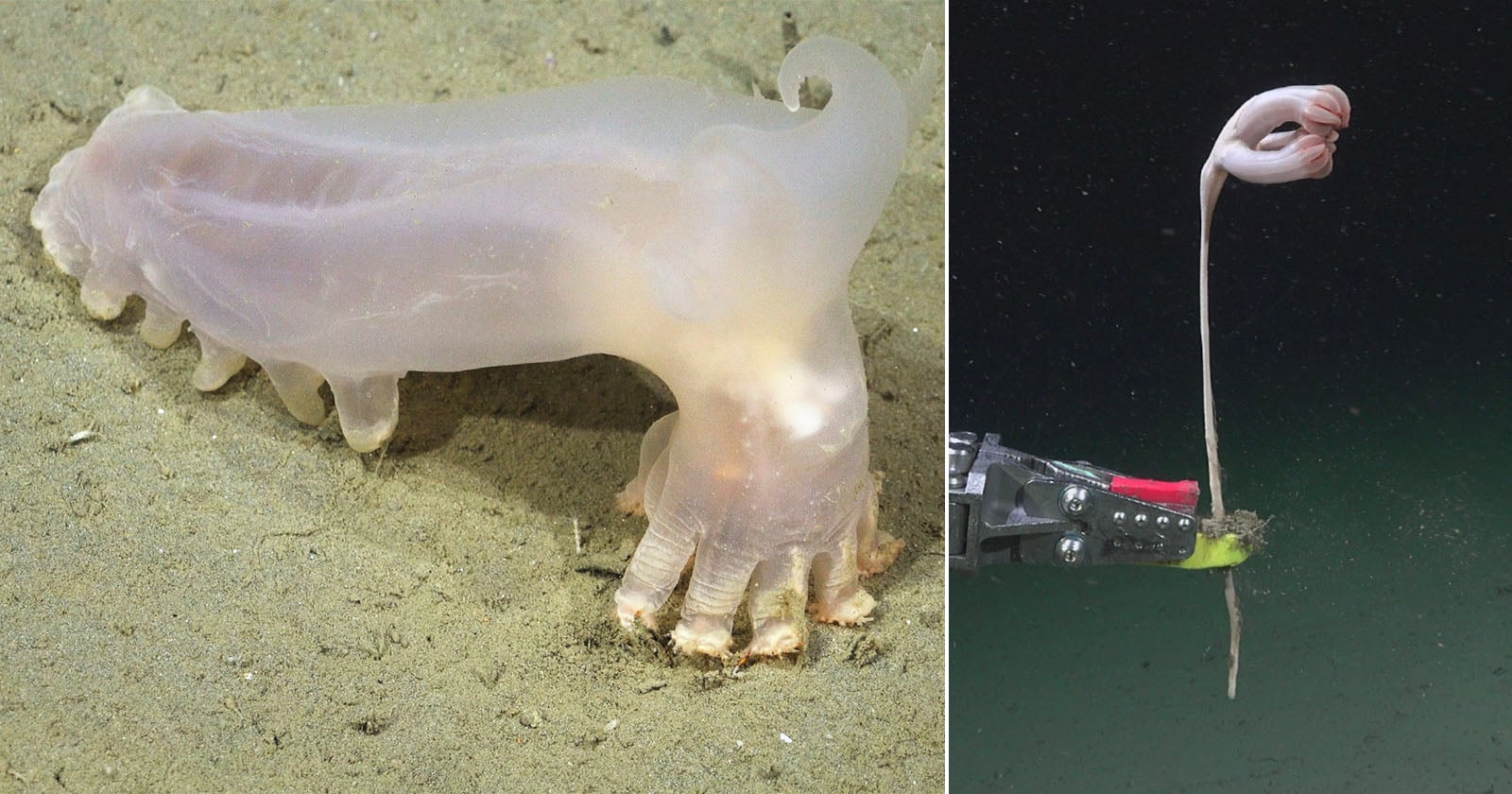
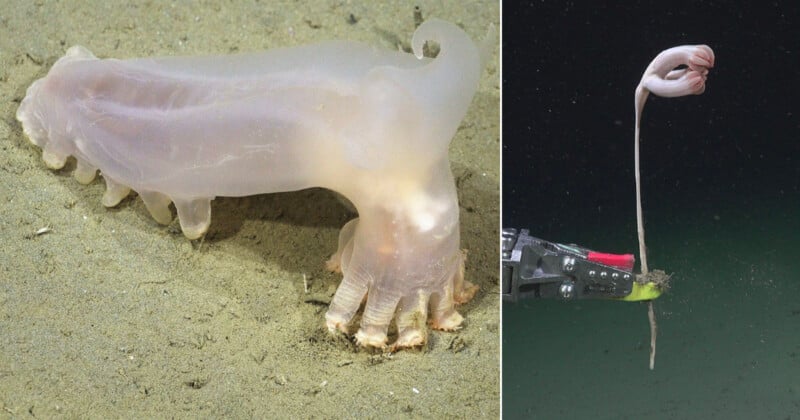
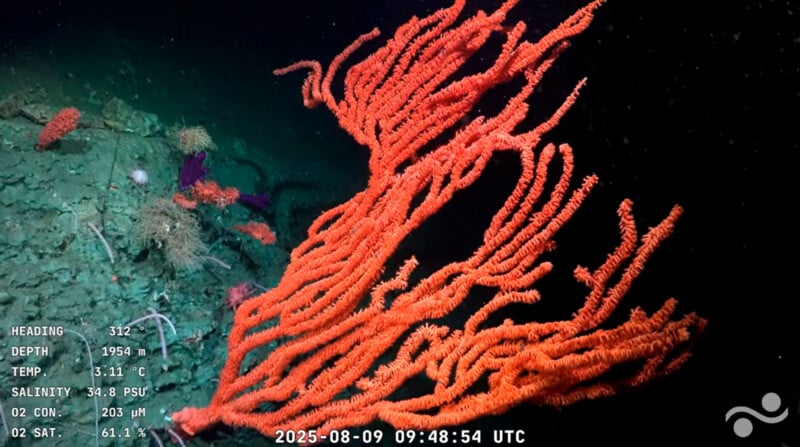
Another striking specimen brought to light by the ROV SuBastian at a staggering depth of 1,954 meters was a brilliant red-orange octocoral belonging to the genus Orstomisis. This vibrant fan-shaped colonial organism clings to the rocky seafloor, displaying colors that defy the pitch-black conditions of the deep sea. Alongside it, researchers documented a vivid purple holothurian belonging to the genus Benthothuria, showcasing an extraordinary morphology that immediately captured the attention of deep-sea biologists.
The Power of International Collaboration
Behind these biological breakthroughs is a concerted effort to bridge gaps in global taxonomic expertise. Dr. Daniel Lauretta, Principal Investigator from CONICET and the Museo Argentino de Ciencias Naturales, emphasized the importance of bringing together international and regional specialists to process the incoming biological data.
"International cooperation in taxonomy is critical, especially in groups with few active specialists," Dr. Lauretta noted. "The species discovery workshop accelerated species identification, the recognition of species new to science, and increased capacity building for local early-career taxonomists working on deep-sea fauna."
Although these groundbreaking discoveries are only now being shared with the global public, the underlying expedition itself took place just over a year ago under Dr. Lauretta’s leadership. During the active phase of the mission, the research team engaged the public by live-streaming deep-sea dives directly from the ROV SuBastian. Over four million viewers tuned in to watch the live feeds, becoming captivated by the alien landscapes and unique creatures of the South Atlantic. Among the fan favorites was a bright orange deep-sea sea star that bore an uncanny resemblance to the character Patrick Star from the animated television series Spongebob Squarepants, complete with a five-armed posture, though researchers quickly clarified that the cheerful-looking echinoderm was a previously known species.
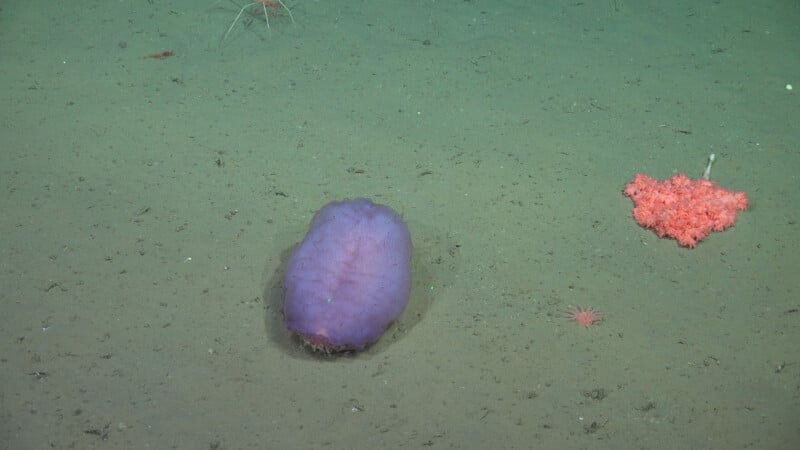
In contrast, other viral favorites were genuinely novel additions to the tree of life. One of the most talked-about discoveries of the workshop was Peniagone sp., quickly dubbed "Loki the Sea Cucumber." This translucent, pale pink holothurian features prominent horned appendages running along its bulbous body. Researchers aptly named it after the Norse god of mischief due to these distinctive, horn-like structures. High-definition video and imagery captured SuBastian interacting with Loki as it rested gently on the sandy sediment of the Mar del Plata Submarine Canyon.
Accelerating the Pace of Discovery
Dr. Michelle Taylor, Ocean Census Head of Science, pointed out that unearthing 57 new species and five new genera in a mere two-week window serves as a powerful testament to the efficiency of modern, collaborative taxonomy.
"The deep sea holds some of the least understood ecosystems on Earth," Dr. Taylor stated. "By bringing Latin America’s scientific expertise and international experts together, as well as connecting them to the open-access Ocean Census NOVA platform, we are drastically accelerating our understanding of marine biodiversity."
This expedition forms part of a broader, ongoing wave of deep-sea revelations facilitated by advanced underwater technology. Earlier in the year, the Schmidt Ocean Institute and its fleet of robotic explorers unveiled dozens of otherworldly deep-sea species photographed with cutting-edge camera systems. Past voyages have similarly documented rare marvels of the deep, including elusive Casper octopuses, delicate spaghetti monsters, and remarkably unusual deep-sea fish that continue to expand human understanding of biological resilience.
Despite the rapid pace at which marine biologists are identifying new organisms, organizations like the Ocean Census estimate that an astonishing 1.75 million ocean creatures may still remain undiscovered in the world’s oceans. As technological innovations in underwater imaging and international scientific partnerships continue to mature, researchers remain hopeful that future expeditions will shed further light on the hidden corners of Earth’s most mysterious aquatic ecosystems.