



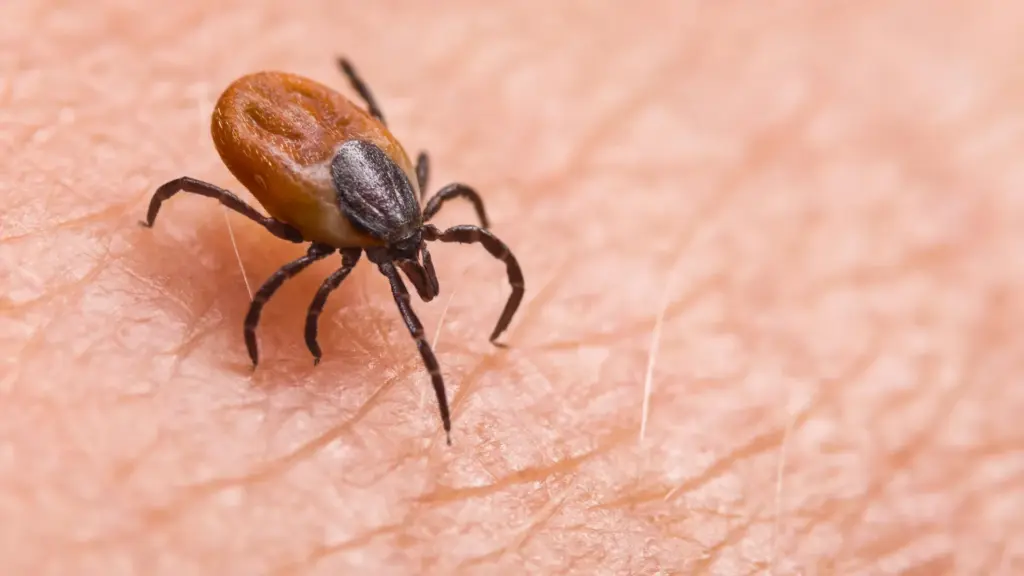
Scientists in China have identified a previously unknown tick-borne virus capable of triggering a flu-like illness characterized by fever, persistent fatigue, gastrointestinal complications, and unusual laboratory abnormalities.
Researchers led by the State Key Laboratory of Pathogen and Biosecurity in Beijing have officially designated the newly discovered pathogen as the Asian longhorned tick nairovirus, or ALTNV. The virus belongs to the orthonairovirus genus within the family Nairoviridae.
The groundbreaking discovery has been detailed in the New England Journal of Medicine. It emerged from ongoing scientific investigations aimed at solving a persistent medical mystery: why approximately 30% of patients presenting with clinical symptoms strongly suggestive of Dabie bandavirus (DBV) infection consistently test negative for that specific tick-borne hemorrhagic fever.
A Search for the Cause of Unexplained Tick Illness
Dabie bandavirus is a well-known public health concern across Asia, responsible for severe fever with thrombocytopenia syndrome (SFTS), a potentially lethal disease with a documented case-fatality rate ranging between 10% and 30%. Thrombocytopenia describes an abnormally low concentration of platelets circulating in the blood, which are the essential cellular components required for proper blood clotting. Because of its severity and high mortality, the World Health Organization has designated DBV as a priority pathogen requiring intensive research and surveillance.
To uncover the underlying cause of unexplained tick-borne illnesses, a team of researchers initiated a comprehensive surveillance effort. They collected clinical samples from individuals who reported being bitten by ticks and subsequently sought medical treatment at sentinel hospitals located in regions of China where the circulation of tick-borne viruses is well documented.
Employing advanced laboratory techniques, including RNA sequencing and viral isolation procedures, the research team successfully detected the novel virus. Subsequent genetic analyses placed ALTNV firmly within the orthonairovirus genus. Detailed evaluations of its viral proteins revealed that they shared less than 80% of their amino acid sequences with other established species within the genus, providing definitive genetic evidence supporting its classification as a distinct, previously unrecognized viral species.
To further study the biological properties of the pathogen, researchers exposed laboratory cell cultures to human serum samples containing ALTNV RNA. The virus successfully propagated within the cells and was subsequently identified as ALTNV through immunofluorescence assays designed to detect specific viral antigens.
Additionally, transmission electron microscopy revealed structural features characteristic of orthonairoviruses, while further experimental trials demonstrated that the newly discovered pathogen possessed the capability to replicate efficiently across multiple distinct types of cells.
ALTNV Found in More Than 10% of Patients Tested
The clinical scope of the discovery became clearer as researchers analyzed a large cohort of patients. Among 3,163 patients included in the extensive study, 10.4% tested positive for ALTNV, a determination confirmed by the detection of viral RNA or immunoglobulin M antibodies, which typically serve as robust indicators of a recent infection.
Significantly, the detection rate was even higher among patients who tested negative for DBV. Within that specific subset of individuals, 15.1% tested positive for ALTNV, offering a compelling explanation for a significant portion of previously unresolved clinical cases presenting with SFTS-like symptoms.
When evaluating patients who were infected exclusively with ALTNV, researchers observed a distinct clinical profile. The most frequently reported symptom was profound fatigue, which affected 84% of these patients. Gastrointestinal complications were also common, documented in 80% of cases, while 38% developed thrombocytopenia.
Furthermore, laboratory tests revealed elevated aminotransferase concentrations in 36% of the ALTNV-only patients, a finding that indicates inflammation or cellular injury affecting the liver or other bodily tissues. Notably, patients infected solely with ALTNV experienced a favorable clinical trajectory, ultimately making complete recoveries.
Coinfections Were Linked to More Severe Complications
While single infections with ALTNV generally resolved favorably, the research uncovered a more hazardous dynamic involving viral coinfections. Investigators identified 38 patients who were simultaneously infected with both ALTNV and DBV.
A comparative analysis between patients infected solely with DBV and those experiencing coinfections revealed striking differences in clinical severity. Individuals harboring both viruses experienced respiratory symptoms at a substantially higher rate, affecting 61% of coinfected patients compared with 38% of those with DBV alone.
Additionally, kidney impairment was markedly more prevalent among coinfected patients, occurring in 84% of cases compared with 66% in the single-infection group. The clinical outcomes for these coinfected individuals were also considerably more severe, with seven of the 38 patients succumbing to their illnesses, representing an 18.4% mortality rate within that specific cohort.
Virus Detected in Ticks Across 15 Provinces
To understand the environmental distribution and vector dynamics of the pathogen, the researchers conducted widespread surveillance of vector populations. They tested 47,428 ticks collected from 15 distinct provinces across China. Laboratory assays confirmed that ALTNV RNA was present in 1.3% of the tested ticks.
Geographic and species-specific analysis revealed that the highest prevalence of the virus occurred within the Haemaphysalis longicornis species, widely recognized as the Asian longhorned tick, where 1.8% of the specimens tested positive for the pathogen.
To establish definitive proof of vector competence, the research team conducted controlled laboratory experiments. These trials provided concrete evidence that Haemaphysalis longicornis is fully capable of spreading the virus, successfully demonstrating that the tick species could transmit ALTNV to live animal models.
Because ALTNV and DBV circulate within the exact same geographic regions and share a common vector species, the study’s authors emphasize that accurately distinguishing between the two viral infections will become increasingly critical for clinical management and public health interventions.
"The cocirculation of ALTNV and DBV in the same areas, coupled with their shared tick vector, underscores the need for improved differential diagnosis between infections with these viruses in regions where SFTS is endemic," the authors concluded in their report.