

When Cyed Adraincem speaks about the opening of his forthcoming restaurant, Hoy, he does so with the hands-on exhaustion of someone who has been on their feet since dawn. In fact, Adraincem recently apologized for occasionally stumbling over his words during an interview because he had been up since four in the morning washing the sidewalk in front of the establishment. Explaining the early morning labor, he noted that he simply wanted to beat the morning foot traffic and ensure the storefront looked pristine.
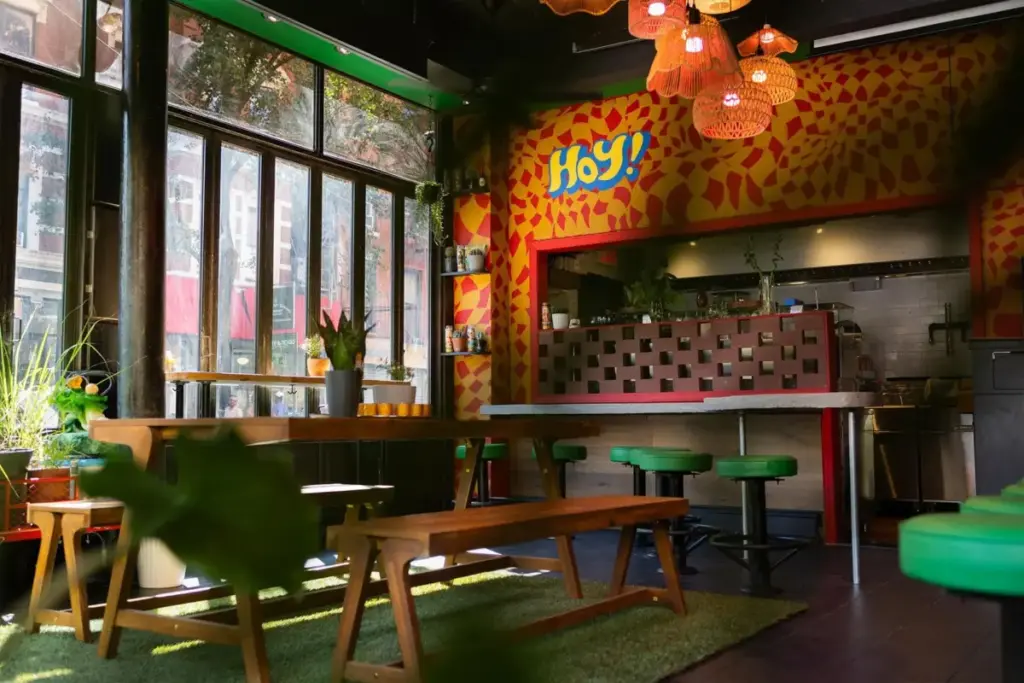
Adraincem has channeled that exact same relentless dedication into outfitting Hoy, an upcoming venue designed to serve Filipino street food within a vibrant space modeled after a Manila night market. Although the restaurant has not yet opened its doors to the general public, it has already generated considerable buzz across the hospitality scene. The project has caught the attention of food enthusiasts and industry insiders alike due to its loud, off-kilter aesthetic, clever references to pop culture, and transparent, behind-the-scenes glimpses into its research and development process.
The restaurant serves as the focus of the inaugural installment of Getting on the Map, a series presented by Apple Maps exploring how creative bars and restaurants market themselves to stand out in a crowded urban landscape. As Adraincem prepares for the official launch, the venture stands as a testament to the power of deliberate branding, community integration, and a clear cultural vision.
Defining the Concept: Fast-Casual Filipino Street Food
At its core, Hoy is designed to introduce traditional Filipino street food to a broader New York City audience, a cuisine Adraincem feels remains underrepresented in the local dining scene. The menu will feature accessible, straightforward items such as barbecue skewers, lumpia, and a selection of distinct sandwiches. Avoiding overly complex or pretentious presentations, the offerings rely instead on traditional flavors elevated by professional culinary techniques acquired over years of kitchen experience.
According to Adraincem, the current New York dining public is leaning away from formal, high-end dining in favor of casual, affordable experiences where patrons can simply enjoy good food and a drink without pretense. To capture this atmosphere, the physical space draws inspiration from classic American diners, a format Adraincem appreciates, combined with his own background working in cocktail bars for seven years.
This mashup mirrors the chaotic, high-energy environment of a Manila night market. Because the restaurant operates on a counter-service model with an open kitchen, the entire layout is front-facing. The energetic interplay between the staff and customers is intended to sustain a lively, communicative street-market atmosphere throughout the dining room.

Crafting a Distinct Visual Identity and Culture
The branding and visual identity of Hoy were developed in collaboration with Los Angeles-based artist Kristofferson San Pablo, who is also Adraincem’s cousin. Together, they shaped a design scheme that captures the intense energy and vibrant colors of a traditional Manila night market without becoming visually overwhelming. The pattern integrated into the walls is drawn from one of the oldest textile patterns in the Philippines, offering a subtle yet direct nod to cultural heritage.
Inside the space, shelves of snacks are arranged to mimic a sari-sari store—the small retail shops commonly found on street corners throughout the Philippines, often operated directly out of the owner’s home to sell everyday essentials. These shelves also hold well-worn cookbooks passed down through Adraincem’s family, some of which are decades old and serve as the foundational inspiration for the restaurant’s menu, alongside favorites from local culinary figures.
Notably, the branding deliberately steers clear of conventional Filipino iconography, such as the prominent display of the star and sun from the national flag or traditional barong tagalog garments. Instead, the design incorporates unique cultural touchstones like the traditional wooden "barrel man" novelty souvenir, water buffalo (carabao), and imagery celebrating everyday agricultural life. Adraincem views the barrel man not only as an authentic piece of Filipino culture but also as an opportunity to educate diners who may be unfamiliar with the item’s history as a hand-carved novelty used by working-class citizens to generate income.
Beyond the permanent fixtures, the restaurant incorporates works from various artists based in New York and Los Angeles. Adraincem remains committed to supporting local creators and artists who prioritize community, regardless of their specific background.
Leaning Into Pop Culture and Merchandise
Even before opening its physical doors, Hoy has leveraged pop-culture moments through its visual marketing, including a viral Knicks-themed choking sign designed by San Pablo. Describing the collaborative design process, Adraincem notes that San Pablo’s art naturally leans heavily into contemporary pop culture, allowing them to conceptualize and execute timely visual commentary on the fly.
Merchandise is another major pillar of Hoy’s launch strategy. Rather than following the conventional path of opening with a bare-bones interior and introducing merch only after establishing a steady business, Hoy is launching with an extensive apparel and product line from day one. Planned items include shirts, hats, tote bags, house slippers, and potentially custom barrel man keychains, with seasonal rotations and collaborative projects involving external artists in the pipeline.

Drawing on his 17-year background in the hospitality industry—including seven years in cocktail bars—Adraincem observed firsthand how rapidly bar and restaurant merchandise sells. Noting that hospitality workers frequently wear shirts representing other industry spots as a badge of honor, and seeing the mainstream popularity of restaurant-branded apparel like Kikkoman jackets, he recognized merchandise not only as a powerful marketing tool to spread brand awareness but also as a vital secondary revenue stream.
Transforming Constraints Into Community Engagement
Outfitting the restaurant has required extensive legwork amid a challenging economic climate for new hospitality ventures. Navigating high equipment costs has necessitated rigorous comparison shopping across home improvement stores and online retailers, while the restaurant’s interior shelves remain filled with personal knickknacks and art contributed by friends and family.
To further evoke the tropical environment of the Philippines, the venue features abundant greenery. A makeshift pond has been constructed inside a large planter pot, surrounded by a small garden growing lemongrass, a calamansi tree, and labuyo chiles, taking advantage of the natural sunlight afforded by the building’s corner location.
However, the path to opening has encountered typical regulatory hurdles. Due to a current issue with gas piping approvals involving the New York City Department of Buildings, the restaurant is temporarily unable to cook on-site. Rather than remaining dormant while waiting for the paperwork to clear, Adraincem has pivoted to engage the local community immediately.
The space is currently hosting a residency with Arellano Pandesal, a popular Queens-based Filipino bakery providing pastries, while Hoy manages the beverage program. Additionally, plans are underway to launch a community marketplace featuring local vendors, friends, and family. By opening its doors early for residencies and market events, Hoy is actively building anticipation and establishing its presence within the neighborhood well before the kitchen fires up for good.