



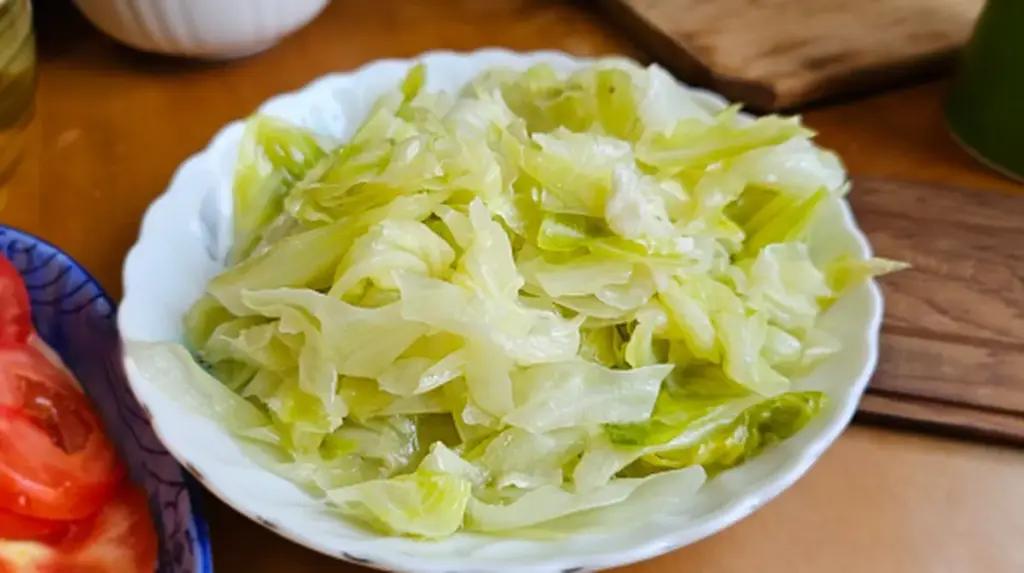
Cabbage has long occupied a peculiar place in the culinary world. While celebrated by nutritionists and budget-conscious shoppers alike for its versatility and health benefits, the leafy green vegetable is frequently overlooked in home kitchens due to its inherently mild, unassuming flavor profile when prepared on its own. While cooked cabbage certainly develops a pleasant, natural sweetness as it softens, its overall texture and understated taste often leave diners wanting something more robust. For generations, home cooks seeking to elevate the humble vegetable have turned to a classic Southern culinary tradition: cooking cabbage alongside savory, rendered bacon.
The strategy is a time-tested favorite, marrying the natural earthiness of the greens with the salty, smoky, and fatty profile of cured pork. Yet, as home cooks continuously seek new ways to revitalize familiar comfort foods, a growing movement in contemporary kitchens suggests it may be time to rethink that traditional pairing. Culinary enthusiasts looking for a deeper, more complex flavor profile are increasingly bypassing the traditional skillet of bacon and opting instead for a different protein entirely: smoked turkey.
The secret to successfully executing this flavor upgrade lies not in using standard, fresh poultry, but specifically in utilizing smoked turkey products. Smoked turkey legs, wings, necks, and tails bring an entirely different dimension of taste to the pot. Whole smoked turkey drums, for instance, are widely available in grocery chains and major retailers at accessible price points, making the swap both economically viable and surprisingly straightforward.
For many cooks, the immediate appeal of smoked turkey stems from a surprising culinary crossover. As many food enthusiasts have noted, slow-cooked smoked turkey legs often yield a flavor profile that bears a striking resemblance to pork, featuring a similar depth of savoriness and rich smokiness that effortlessly bridges the gap between poultry and traditional Southern pork-based seasonings. This makes smoked turkey an exceptionally seamless substitute for anyone who loves the traditional taste of Southern-style cabbage but must avoid pork for dietary, religious, or personal reasons.
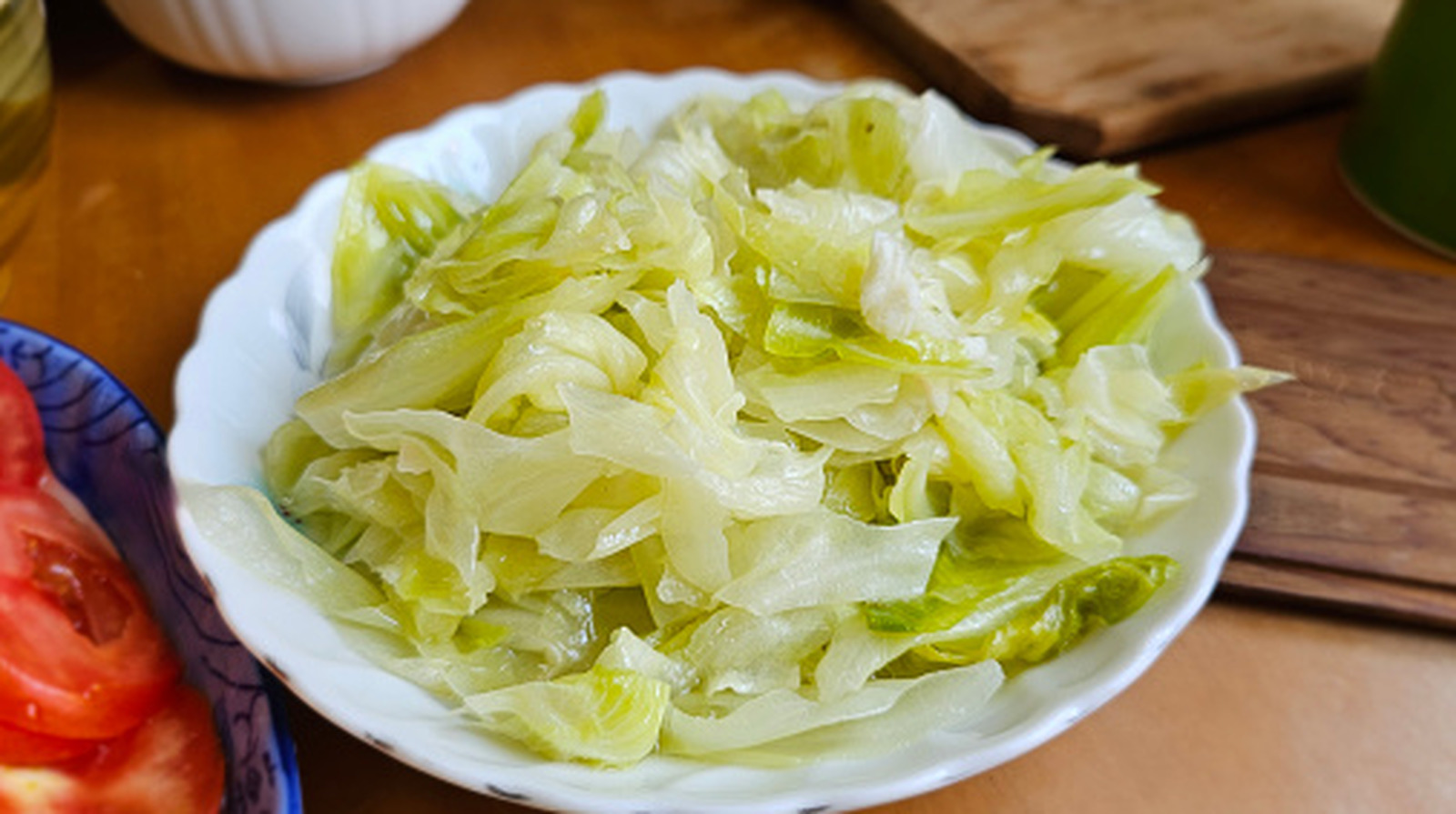
However, the advantages of making the switch extend far beyond dietary accommodations. The fundamental difference lies in the method of preparation and how it interacts with the vegetable itself. When preparing cabbage with bacon, the standard approach involves rendering the fat in a pan before wilting the greens in the drippings. While this imparts a wonderful smoky fat coating to the cabbage, the technique yields primarily rendered oil and small, crisp bits of meat.
In contrast, preparing cabbage with smoked turkey involves a more immersive cooking process. Rather than a quick pan-fry, the smoked turkey is typically boiled down in water, seasoned liquid, or rich broth for an extended period. This slow simmer does two important things. First, it extracts the deep, concentrated smokiness and umami from the meat, transforming the cooking liquid into a deeply flavorful, aromatic broth. Second, the collagen naturally present in the turkey bones and connective tissues breaks down during the long boil, enriching the stock and giving it a naturally heavier, more unctuous body.
When the cabbage is finally introduced to this rich, turkey-infused broth, it absorbs the complex flavors on a much deeper level than simple surface fat could ever achieve. The result is a finished dish that tastes far more cohesive and well-rounded, with a savory profile that permeates every single bite of the softened greens rather than merely coating the exterior.
Taking Cabbage to the Next Level with Smoked Turkey
Beyond the significant enhancements in flavor and broth quality, utilizing smoked turkey introduces a entirely different textural element to the dish. Traditional bacon is almost universally diced into tiny, diminutive pieces that disperse throughout the cabbage, often acting more as a background seasoning than a distinct component of the meal.
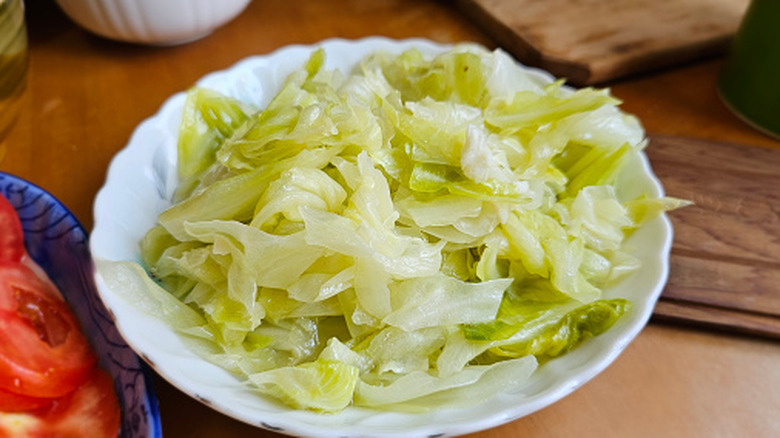
When home cooks prepare cabbage with smoked turkey, however, the meat plays a much more prominent role. As the turkey simmers until it becomes fall-off-the-bone tender, it yields larger, substantial chunks of tender meat that can be folded back into the greens. This creates a satisfying textural contrast between the tender-crisp cabbage leaves and the hearty, shredded poultry. The dish begins to feel less like a vegetable side accented by a condiment and more like a fully realized, substantial dish in its own right.
For home cooks who find themselves hesitant to completely abandon the classic flavor profile they grew up with, culinary experts point out that the transition does not have to be an all-or-nothing proposition. Those who are unsure about making a permanent switch can easily experiment by combining both meats, utilizing a small amount of bacon alongside the smoked turkey to test how the blended flavors interact before committing entirely to the poultry-based method.
Ultimately, whether driven by a desire for a richer broth, a need for pork alternatives, or simply the pursuit of a more complex and satisfying weeknight side dish, the shift toward smoked turkey represents a simple yet transformative upgrade for one of the kitchen’s most dependable, yet frequently underestimated, vegetables.