


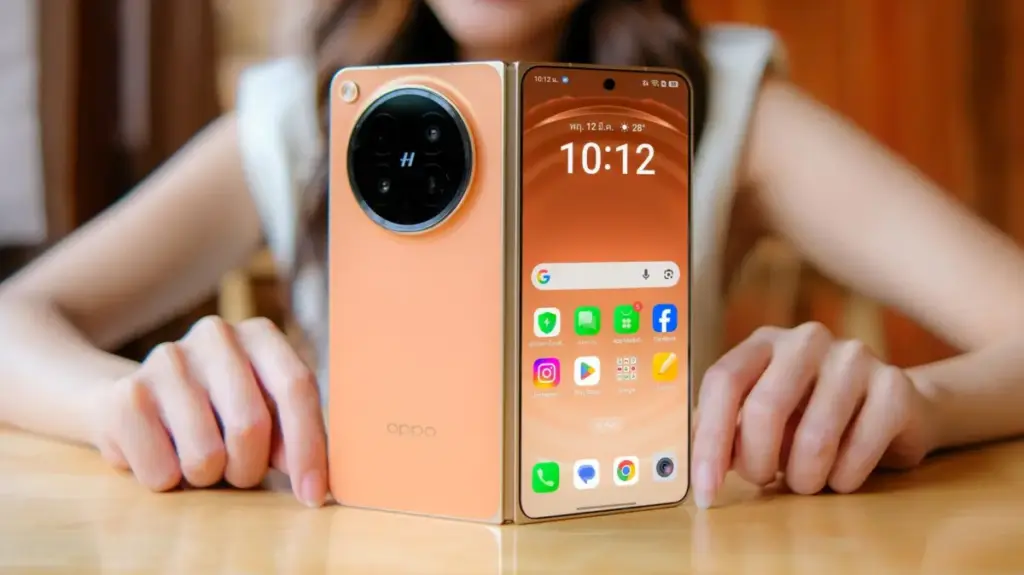
For the average American consumer looking for a new mobile device, the domestic market offers no shortage of familiar powerhouses. From the latest iterations of Apple’s iPhone to Google’s increasingly popular Pixel lineup and Samsung’s robust Galaxy series, store shelves and carrier showrooms are packed with competitive options. Yet, beyond these mainstream domestic choices lies a vast, enticing ecosystem of cutting-edge hardware that never officially makes its way to American retail stores. Innovative devices from manufacturers such as Xiaomi, Honor, and OPPO routinely push the boundaries of design and engineering with ultra-thin foldables, advanced camera systems equipped with DSLR-like optics, and massive battery capacities that outpace their Western counterparts.
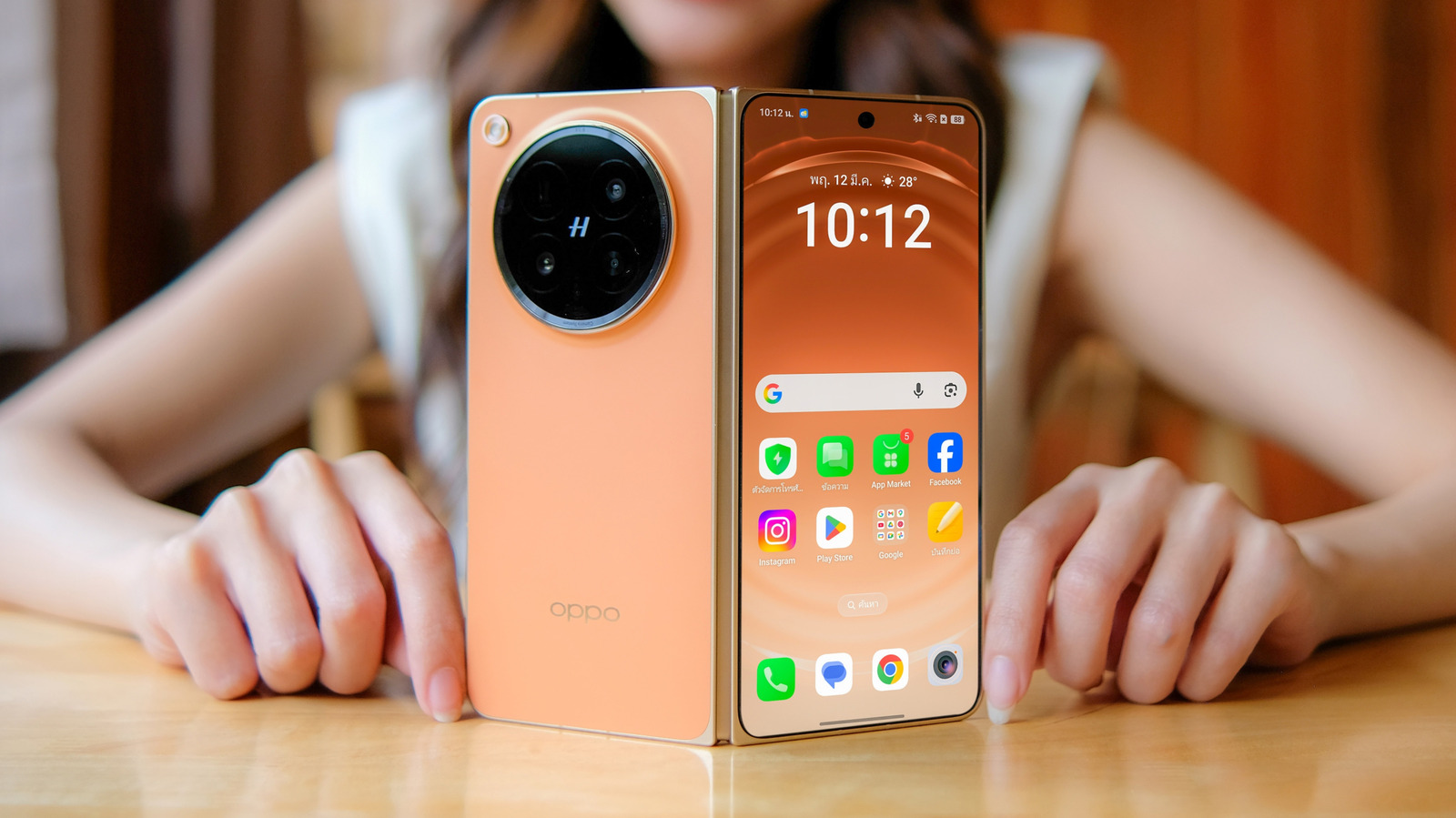
For tech enthusiasts craving something entirely different, importing a smartphone from abroad has become an increasingly tempting proposition. Brands like Xiaomi with its Mix Fold series, Honor with the Magic line, and OPPO with its Find X flagships offer unique form factors and aesthetic designs rarely seen in the United States. However, bringing a foreign device across international borders and integrating it into daily life on American networks is far from straightforward. While the globalized nature of modern manufacturing has simplified the mechanics of international purchasing, prospective buyers still face a litany of potential hurdles, ranging from stubborn compatibility issues with domestic cellular carriers to the complete absence of local warranty protection and customer service. Before taking the financial plunge on an imported handset, consumers must weigh the thrill of exclusive hardware against a complex web of technical and practical compromises.
What You Should Know Before Buying a Phone From Another Country
The landscape of international smartphone shipping has evolved dramatically over the last decade. Most modern smartphones are engineered with global components designed to function across a wide array of international cellular bands. Despite this globalized approach, hardware versions intended for Asian or European markets are often tuned to different frequency allocations than those utilized by major United States carriers like Verizon, AT&T, and T-Mobile.
A critical first step for any prospective importer is meticulously checking whether a specific foreign model is compatible with the exact frequency bands deployed by their domestic service provider. Purchasing the wrong variant can easily result in degraded performance, potentially trapping a user on an aging LTE network with zero access to high-speed 5G connectivity.
Beyond basic cellular reception, carrier-specific software features frequently present unforeseen complications. Essential network-dependent services such as Wi-Fi calling, Voice over LTE (VoLTE), and visual voicemail almost universally require explicit carrier certification for each individual device model. Consequently, an imported smartphone might successfully latch onto a carrier’s 5G data towers while remaining entirely incapable of routing standard voice calls over Wi-Fi or processing visual voicemails natively through the phone dialer. Furthermore, telecommunications networks are dynamic infrastructures subject to ongoing upgrades and policy shifts. A foreign device that operates flawlessly upon arrival may suddenly encounter connectivity restrictions as carriers phase out older network protocols or alter their security parameters.
For those navigating these murky waters, community-driven online platforms and forums, such as Reddit, have become invaluable resources where early adopters share real-world troubleshooting experiences, APN settings, and network compatibility reports for specific imported handsets.
Software ecosystems represent another significant hurdle for international buyers. The rollout and distribution of Android security patches and major operating system updates are frequently tied to specific regional markets or domestic carrier partnerships. Furthermore, many smartphones manufactured primarily for the Chinese domestic market do not ship with Google Play Services pre-installed. Because Google’s suite of core applications forms the foundation of the standard Android experience expected by Western consumers, bypassing this limitation often requires manual installation workarounds.
Additionally, the native software on these regional devices frequently includes pre-installed applications, cloud services, and regional payment ecosystems that are entirely irrelevant to users in the United States and may even feature localized user interfaces that are difficult to navigate.
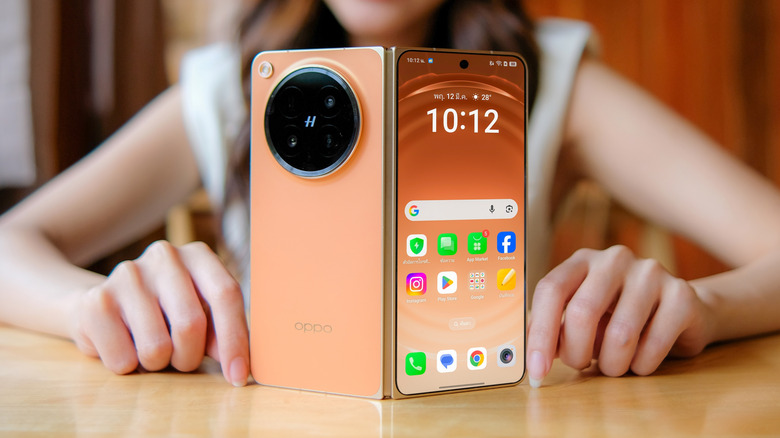
Perhaps the most daunting obstacle facing importers is the complete lack of domestic support networks. When a foreign-market smartphone suffers hardware failure—such as a degraded battery or a shattered OLED display—obtaining official warranty service within the United States is virtually impossible. Because these manufacturers maintain no official corporate presence or authorized repair facilities stateside, consumers are left with limited options. Fixing a broken imported device typically requires entrusting the hardware to third-party repair shops that lack official manufacturer authorization, genuine replacement parts, or specialized technical training for niche foreign models.
The Benefits and Rewards of Importing a Smartphone
Despite the myriad technical challenges, software hurdles, and support deserts, importing a smartphone from abroad continues to attract a passionate segment of the consumer base. For those willing to accept the inherent risks, international purchasing opens the door to groundbreaking hardware innovations that domestic carriers simply refuse to offer.
Chinese manufacturers, in particular, are aggressively driving mobile innovation forward with experimental designs, including multi-screen foldable devices, ultra-slim profiles, and photography-focused flagships that integrate massive image sensors and advanced optical zoom capabilities.
A prime example of this trend is the Xiaomi 18 Fold. This newly released foldable device bears a striking resemblance in concept to Apple’s eagerly anticipated folding hardware, yet it manages to outpace its domestic competitors by packing a substantially larger battery capacity and superior camera hardware into a remarkably slim chassis. Furthermore, despite its advanced technological specifications, the device carries a price tag roughly equivalent to $1,640—making it competitively priced compared to ultra-premium domestic flagships, provided the buyer is willing to navigate the logistics of international shipping.

For early adopters who thrive on possessing the absolute newest technology, importing a device often provides the only viable path to experiencing next-generation hardware months before any potential official domestic rollout. Additionally, a distinct advantage favored by many international smartphone models is the continued inclusion of physical dual-SIM card slots. While the vast majority of smartphones manufactured specifically for the United States market have systematically eliminated physical SIM trays in favor of fully digital eSIM technology, many international variants still cater to users who prefer the flexibility of dual physical cards.
Ultimately, for consumers who prioritize cutting-edge design, unique form factors, and alternative hardware features over guaranteed local network compatibility and nearby customer support, the process of importing a foreign smartphone can be an exciting and rewarding venture. However, for those who require seamless network integration, reliable day-one feature functionality, and the safety net of nearby corporate support, purchasing a device officially certified and supported within the United States remains the most practical path forward.