


Morale at one of the most widely scrutinized and reviled technology companies in the United States appears to have hit an all-time low, as internal and external pressures converge on the high-profile AI surveillance startup.
Flock Safety, a company infamous for manufacturing and deploying AI-powered automated license plate reader (ALPR) cameras to police departments, municipalities, and private neighborhoods across the country, is reportedly planning a massive wave of layoffs. According to recent reports, the company is preparing to cut approximately 18 percent of its total workforce as it navigates a rapidly shifting political landscape and widespread public opposition.
The impending workforce reductions are expected to impact roughly 270 current Flock Safety employees and will officially take effect at the end of October, according to sources close to the decision who spoke with Reuters. These looming cuts follow closely on the heels of internal measures introduced just weeks prior, when reports surfaced that Flock had quietly initiated an employee buyout program offering generous severance packages. This move came as a growing number of its workforce reportedly grew increasingly discontent amid mounting public opposition, legislative pushback, and reputational damage outside the company. At present, Flock Safety employs approximately 1,500 workers, meaning the planned autumn reductions will significantly alter the company’s operational capacity as it attempts to weather the storm.
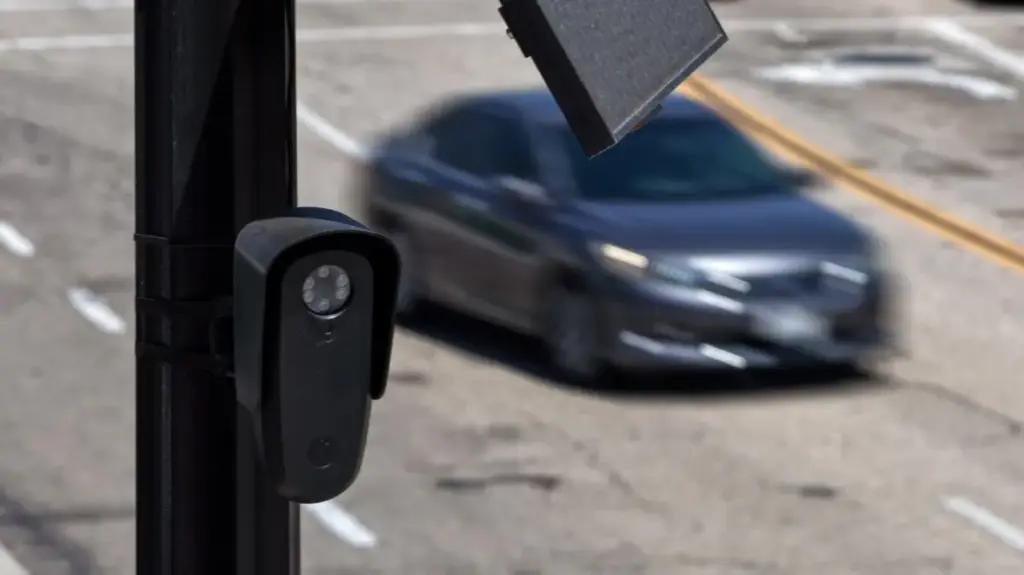
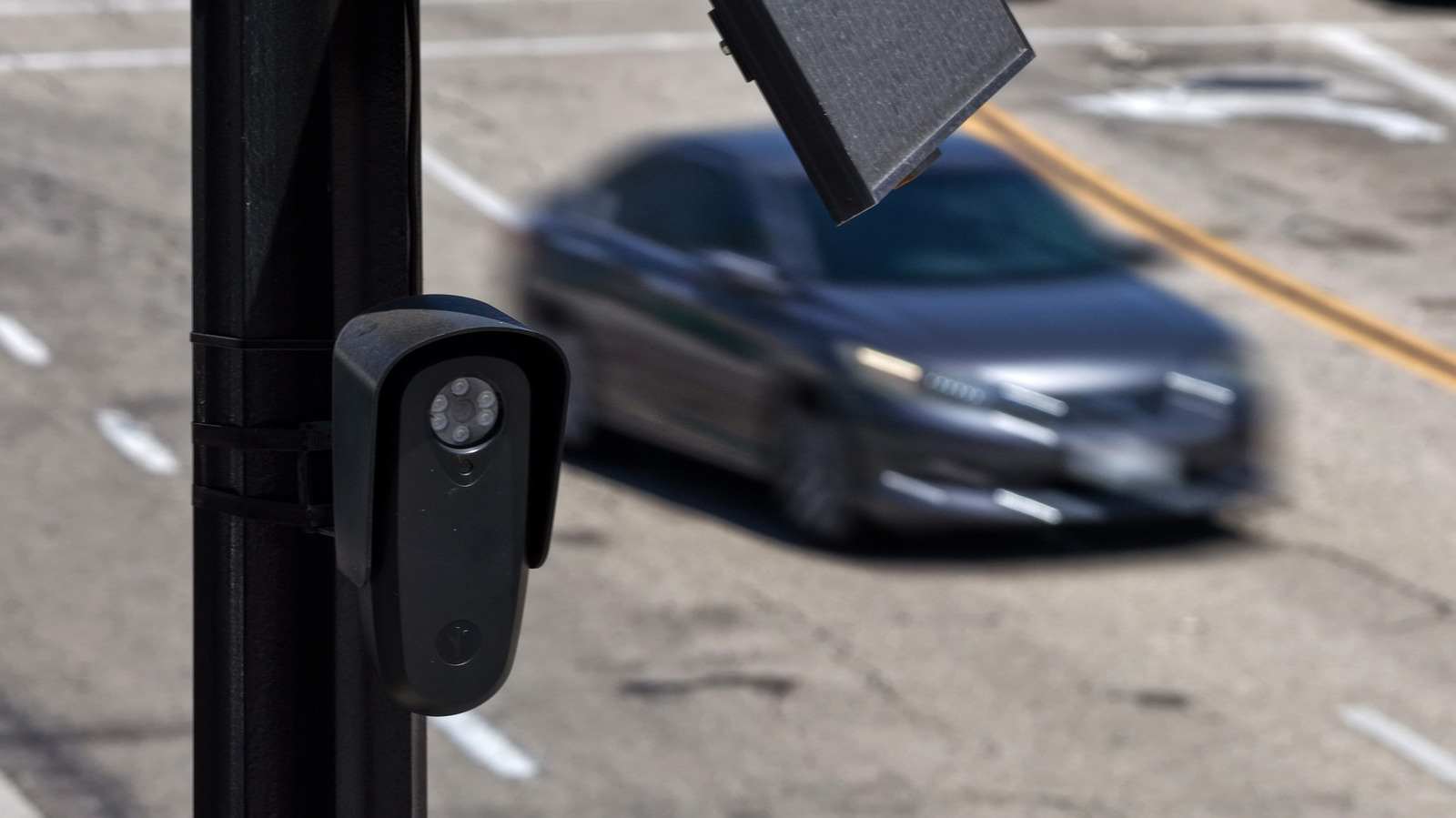
The troubles facing Flock Safety arrive on the heels of an unprecedented wave of public hostility and political friction. Over the past several years, Flock cameras have proliferated rapidly across American roadways, neighborhoods, and commercial centers. Equipped with advanced artificial intelligence, these solar- and battery-powered cameras capture high-resolution images of passing vehicles, logging license plate numbers, vehicle makes, models, colors, and specific identifying features in real-time. This data is then fed into centralized databases accessible to law enforcement agencies, creating a persistent, searchable record of civilian travel patterns.
While the technology was marketed to local governments and homeowners associations as a vital crime-fighting tool capable of tracking stolen vehicles and amber alerts, the reality of its deployment brought swift controversy and outraged citizens in its wake. Privacy advocates, civil liberties organizations, and everyday motorists quickly raised alarms over the implications of continuous, mass surveillance, arguing that the widespread tracking of ordinary citizens effectively constitutes the establishment of a localized surveillance state.
Now, those accumulated pressures appear to be finally catching up with the company, manifesting in both financial and operational headwinds. What makes the current crisis particularly unique for Flock Safety is the nature of the backlash it faces, which has been surprisingly bipartisan. Despite the company’s traditional appeal to a law-and-order style of politics that typically resonates across the political spectrum, the pushback against its automated readers has united politicians, commentators, and citizens from radically different ideological backgrounds in shared opposition.
In Florida, the technology faced a severe legislative and executive roadblock when the state officially banned Flock cameras from state-funded highways. Explaining his administration’s decisive stance against the company’s hardware, Florida Governor Ron DeSantis explicitly stated that he did not want the state to become a surveillance state. Similar sentiments echoed out of Texas, where Governor Greg Abbott moved to cut Flock cameras off from crucial state funding as part of his broader legislative and political positioning ahead of upcoming elections.
The political opposition has not been limited to conservative executives. In Pennsylvania, Democratic Governor Josh Shapiro has similarly panned Flock cameras as an intrusive tool for law enforcement surveillance, going so far as to state publicly that he would welcome comprehensive legislation aimed at banning the devices outright. Local impacts have been equally severe. In California, the Los Angeles Police Department officially declined to renew its existing contract with Flock Safety, pulling back from a system that had become a lightning rod for community protests and municipal debate.
This political friction has been mirrored, and perhaps amplified, in the court of public opinion and popular culture. Media personalities and political pundits occupying vastly different spaces on the political spectrum—ranging from progressive commentator Hasan Piker to conservative host Tucker Carlson—have dedicated significant airtime to railing against the expansion of automated license plate readers and the erosion of private travel.
On the ground, the public’s frustration has manifested in ways that transcend traditional political discourse. In numerous communities, vigilantes have taken matters into their own hands, going viral on social media platforms for physically dismantling, spray-painting, or outright stealing Flock cameras mounted on public utility poles. These acts of civil disobedience and property destruction have frequently been met with widespread support, celebration, and encouragement from online commenters, reflecting a deep-seated public animosity toward the corporate surveillance apparatus.
As these external pressures mount, the internal toll on Flock Safety’s corporate culture and workforce has become increasingly apparent. With the company’s cameras facing state-level bans, municipal contract cancellations, and viral acts of vandalism, the future trajectory of the AI surveillance startup remains deeply uncertain. Whether the upcoming October layoffs and recent buyout programs will be sufficient to stabilize the company in the face of widespread public and political rejection remains to be seen.