



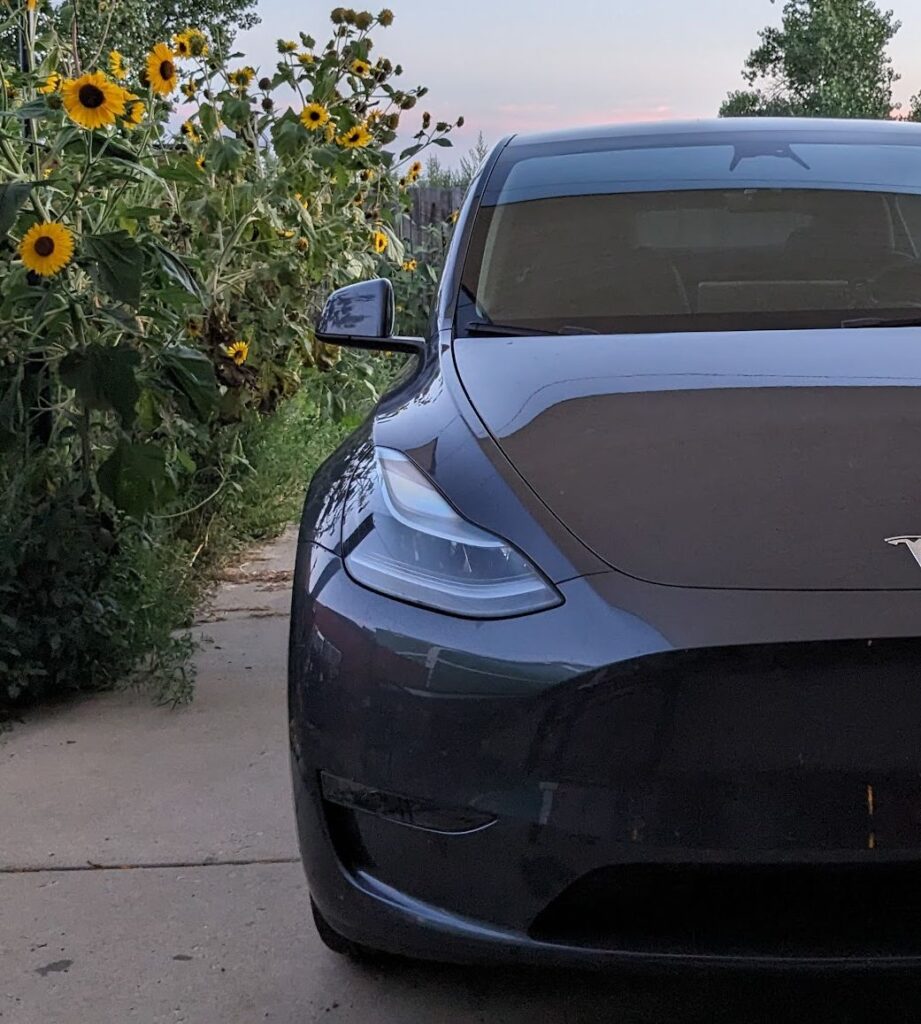
A couple of years ago, renowned personal finance blogger and early retirement icon Mr. Money Mustache raised eyebrows and lost a measure of credibility among his strictly frugal faithful. He published a widely read blog post detailing a deliberate effort to spend a bit more money, kicking off the lifestyle shift by purchasing a brand-new Tesla Model Y. At the time, the move felt like a comical about-face for a man who built an international following by championing extreme thrift, bicycle commuting, and a minimalist lifestyle.
Reflecting on that pivot, the blogger noted that he initially felt a sense of enlightened middle-aged confidence, believing he could seamlessly adjust his habits and realign his financial philosophy at a moment’s notice. For the next two years, he leaned into an even greater feeling of financial abundance. He traveled extensively and spent money in ways he imagined a genuinely wealthy person should, enjoying a lifestyle that felt far removed from his decades-long reputation for penny-pinching.
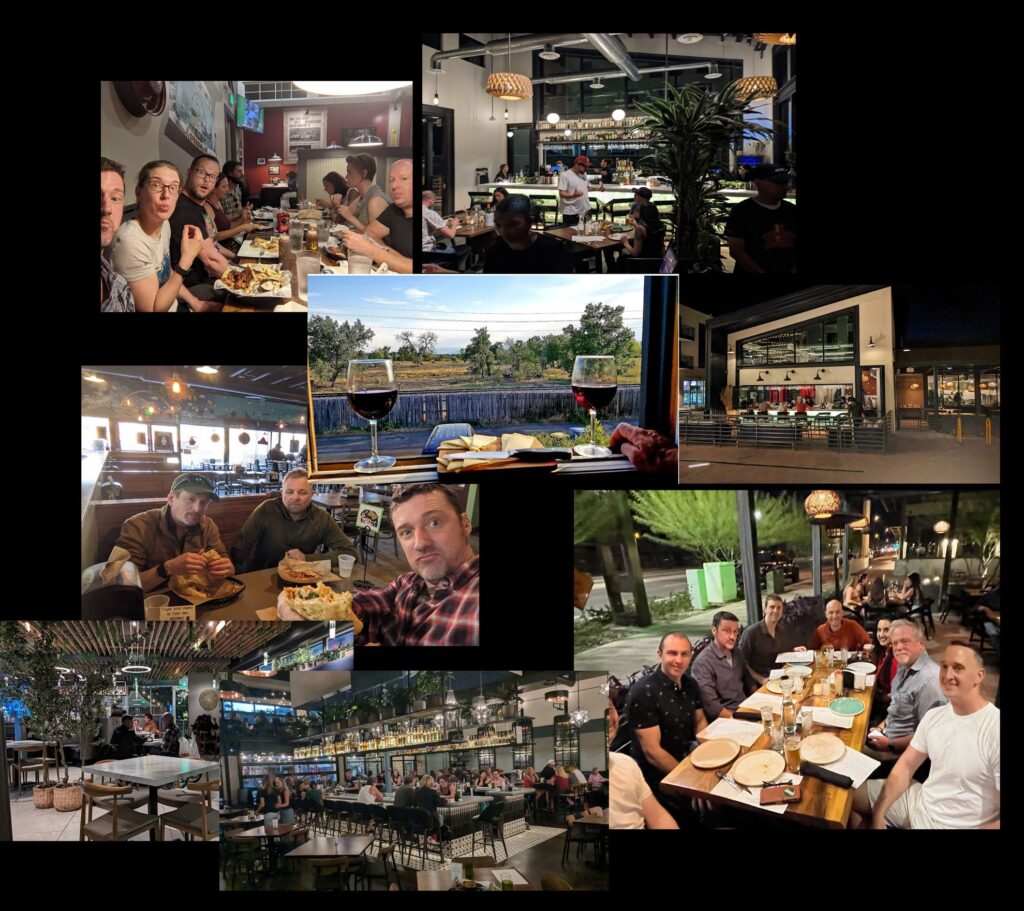
This newfound approach to consumption meant dining out at stylish restaurants, selecting hotels based on comfort and ambiance rather than rock-bottom prices, and paying extra for upgraded airline seats that offered a marginally more tolerable travel experience. He also abandoned his strict adherence to discount shopping, caring little about paying double for groceries at Whole Foods rather than sticking exclusively to his usual warehouse club stops. In fact, he embraced the luxury of maintaining memberships at both Sam’s Club and Costco simultaneously.
Among the standout experiences of this transitional period were late-night electronic dance music concerts attended with his young adult son, alongside road trips to three different Meowwolf immersive art venues. One particularly memorable excursion involved a Christmas Day road trip from his winter residence in Tempe, Arizona, to Las Vegas. Spending much of the year as a single man afforded him a wide-open schedule to meet up with friends, explore unfamiliar destinations, and connect with new people as opportunities arose. It felt like a chapter of adventurous transition that stretched far beyond the boundaries of a standard twelve-month calendar.

Amidst all this flashy, free-spending behavior, he remained certain that his annual budget must have crept back into full-fledged American consumer territory. Yet, he was having too much fun to pause and tally up the receipts. That changed recently when he engaged in a round of informal financial coaching with a friend, prompting both of them to calculate their exact spending over the past year and compare notes.
When he finally finished sorting through a mountain of digital transactions, plugged them into a spreadsheet, and hit the summation button, the results genuinely surprised him. While his overall cost of living had indeed increased—particularly within travel-related categories—the macroeconomic effect on his bottom line remained remarkably modest. Depending on how variables like vehicle upkeep and business expenses were accounted for, his total annual spending rose from roughly $20,000 to approximately $30,000, bolstered by the hidden subsidy of a fully paid-off home.
This modest level of expenditure remains easily sustainable under the classic four-percent rule using a $1 million investment nest egg. Because his actual investment portfolio sits considerably higher than that threshold— buoyed by years of robust economic growth and a resilient stock market rally—he remains safely and comfortably under budget.
Although he playfully admits to having "failed" at elevating his spending to the levels he once recommended for older, wealthy individuals, the outcome brought him genuine satisfaction. He experienced the psychological benefits of an abundance mindset and proved that he could experiment with his lifestyle without derailing his foundational financial independence. Drawing on a concept discussed in a 2019 article regarding an "Optimization Council," he believes it is always valuable to compare spending habits, tips, and life hacks to extract the maximum fulfillment from daily existence. Nearly two decades into early retirement, this is where his financial journey has landed, though he remains open to continuous learning and feedback.
Breaking Down the $30,000 Annual Budget
A detailed review of the financial ledger reveals where the money actually went over the course of the year. Out of the total $30,026.76 spent, $20,284.67 originated from personal cards, while $9,742.09 was charged to business cards.
Groceries formed one of the largest single outlays, totaling $5,960.39, which covered food for himself, his young adult son who lived with him about half the time, and occasional guests. Restaurants accounted for an additional $2,243.59, though these expenditures were reserved strictly for special social occasions rather than routine meal preparation.
Travel expenses reached $6,158.77, combining personal getaways with business-related trips to events like Camp Fi and other professional conferences. Utilities added $1,909.51 to the ledger, while Amazon and household expenses totaled $3,554.10. Notably, about 75% of the business-card spending listed under the household category actually represented construction materials purchased for clients—typically friends—who subsequently reimbursed him via invoice.
Entertainment and socializing included a modest $250.67 spent on wine and other beverages for hosting guests. Healthcare costs totaled $3,536.66, kept relatively low through a combination of a Direct Primary Care subscription and a high-deductible health-sharing organization known as Sedera Health, alongside out-of-pocket spending on advanced screening blood tests for educational purposes.
Automobile expenses stood at $2,425.21, primarily covering mandatory car insurance and state registration fees, though vehicle depreciation was left off the direct cash flow ledger. Technology and communication costs included $1,410.56 charged to business accounts, covering a high-speed gigabit internet connection for $50 a month and a modest monthly mobile phone bill. Finally, property taxes amounted to $2,577.30, which he noted was surprisingly reasonable given that neighborhood homes generally valued between $500,000 and $600,000.
Comparing these figures to his published spending from 2019, the totals are only marginally higher despite the notable inflationary pressures seen across the broader economy in recent years. While he spent significantly more on travel and leisure, his home renovation costs dropped because his frequent travels left him with less time for DIY projects around the house. Meanwhile, healthcare insurance emerged as a distinct new recurring cost compared to years past when he was largely self-insured.
The Power of Eliminating Housing Costs
The most striking aspect of the budget remains the complete absence of the single largest expense facing the average household: housing costs. Having paid off his mortgage long ago, he enjoys a lifestyle free of monthly housing debt. Furthermore, his affinity for maintaining and repairing his own property eliminates bills for external landscaping, plumbing, tree trimming, and handyman services.
He acknowledges that this strategy is not universally applicable and might not even represent the most mathematically optimal financial move. Looking back at the low-interest-rate environment of 2021, taking out the largest possible mortgage at 3% and investing the principal in stock index funds would likely have yielded higher net worth growth. However, he emphasizes the immeasurable peace of mind that comes with carrying zero debt, noting that buying psychological comfort is one of the best uses of wealth. An added secondary benefit is the elimination of traditional homeowner’s insurance requirements, saving another $2,000 annually and further boosting the effective return on paying off the house.
Navigating Healthcare in Early Retirement
Maintaining good physical health and a streak of good fortune has meant virtually no major medical expenses, yet he maintains a dual-layered approach to healthcare support that functions as a streamlined alternative to traditional insurance. This setup pairs a membership at a top-tier Direct Primary Care medical clinic costing roughly $107 per month with a high-deductible health-sharing plan through Sedera for about $201 monthly.
The combined monthly expenditure of $308 undercuts even the most affordable standard bronze-tier health insurance plans on the market. In exchange, he receives personalized primary care with zero deductibles for routine medical needs, alongside financial protection against catastrophic health events should his luck ever run out. He offers a quick disclaimer, however, noting that he is far from an expert on the complexities of the medical system due to his minimal utilization of it, adding that his highest daily priority remains maintaining his health through active living to avoid needing the system altogether.
Evaluating Future Improvements and Lifestyle Friction
Reflecting on the broader purpose of wealth as a tool for survival and self-actualization, he frequently evaluates whether further adjustments could enhance his quality of life. Referencing a core principle of happiness—which suggests that fixing persistent life friction yields greater rewards than merely doubling down on things that are already working well—he points out that his family, friends, relationships, health, and daily activities are already near peak levels.

The primary source of daily friction in his life is physical space constraints. Engaged in space-intensive hobbies like construction and music, he currently lives in a relatively compact home where the garage workshop is operating at maximum capacity. Ideally, he would prefer to double his workspace from the current two-car, 440-square-foot garage to roughly 1,000 square feet. Because he deeply loves his current neighborhood, neighbors, and mountain views, he plans to optimize what he has unless a rare opportunity arises directly on his block.
Looking further ahead, a remote mountain compound featuring private cliffs and a natural stream occasionally surfaces on his conceptual wish list. Yet, recognizing that his schedule is already brimming with engaging projects, he questions whether adding another property would genuinely increase his happiness. For the time being, that idea remains shelved until he is ready to part with an existing commitment, such as selling his current home or his coworking space.
As he heads into the new year, he remains enthusiastic about maintaining an abundance mindset and tackling a demanding to-do list. Additionally, with potential policy shifts on the horizon regarding electric vehicle incentives, he noted that current market conditions offer historically low prices and tax credit opportunities for buyers eyeing models like the Tesla Model Y or Model 3.