


Back in February 2025, the stock market put a definitive cap on a multi-year climb before stepping onto a wild roller coaster ride that has tested the nerves of investors nationwide. Since then, the market has experienced some of the steepest drops and most erratic recoveries in recent history. It shed a full 20 percent of its value at its lowest point, only to manage a climb right back near its peak. While stock market volatility rarely comes with a single, neatly labeled explanation, financial analysts and everyday investors agree that the primary catalyst this time around is clear: sweeping international tariffs.
As the global financial landscape has been whipped around like a tent in a hurricane, stakeholders across the country have scrambled to make sense of the turbulence. At the center of the storm is a worldwide tariff and trade battle unleashed by the government, the full outcome of which remains uncertain. Businesses are currently bracing for massive structural changes, foreign exchange rates and interest rates are reacting in real time, and everyday investors planning for early retirement are left wondering what the future holds. Among friends and peers, reactions span the entire emotional spectrum, ranging from dismissive attitudes that the disruption is a temporary non-issue to prophecies of total economic doom.
To understand the reality behind the rhetoric, it helps to return to the most basic financial definition: what exactly is a tariff? In economic terms, a tariff is simply a sales tax levied by a national government on goods imported from abroad. These taxes are formally paid by whichever entity is doing the importing. That might be an individual consumer ordering an electric bicycle directly from an overseas manufacturer, or it could be massive corporate retail giants like Amazon, Walmart, or Apple bringing in products by the shipload.

However, the ultimate economic burden does not rest on foreign nations or domestic importing corporations. Tariffs are ultimately paid by the end consumer. When a retailer’s cost of goods increases due to import taxes, those expenses are passed down through higher retail prices to maintain profit margins. Beyond consumer goods, tariffs directly impact heavy industry and infrastructure. When a major home improvement retailer wants to build a new store, or an energy corporation needs to construct an oil rig, taxes on imported steel, copper, lumber, and countless other components inflate the cost of these projects. Furthermore, these duties drive up the cost of residential housing, as the majority of building materials used in construction originate from multiple international sources.
On average, tariffs function identically to any broad-based sales tax, resulting in higher prices across the board. Just like traditional taxes, their overarching macro-economic effect is to slow down economic activity and reduce consumer spending power. On the positive side, the revenue generated flows directly into the government treasury, which can help fund the national budget and reduce the federal deficit. Every government requires tax revenue to function properly, typically relying on a balanced mix of sales, income, and corporate taxes. The key to economic stability is keeping these tax levels as low as possible while still funding essential public services, ensuring they remain fair and predictable so that individuals and businesses can plan for the future.
The current tariff regime, however, has discarded predictability. The administration has introduced erratic, extremely high tariff figures as threats, only to shift, reduce, or walk them back on an almost daily basis.

Examining the Arguments For and Against Import Taxes
Sometimes, governments utilize tariffs strategically to protect domestic industries from foreign competition. For example, imposing a steep tax on imported automobiles grants domestic manufacturers a distinct competitive advantage, boosting their sales and revenue. While consumers ultimately lose out through higher vehicle prices and a narrower selection of choices, domestic auto manufacturers and their union workers may benefit from the protected market.
Such protectionism can serve strategic national security purposes, such as placing taxes on imported aerospace components to ensure domestic defense contractors remain viable. Frequently, however, tariffs are driven by political lobbying and campaign funding from powerful domestic manufacturing sectors seeking to protect their profit margins. This protectionist impulse is not confined to a single political party. Previous administrations, including that of Joe Biden, utilized tariffs to court swing-state voters. A prominent example includes taxes levied on imported solar panel components, a policy that has been amplified further by successive administrations. Blocking cheap energy sources and building materials that lower the cost of living and boost industry runs counter to broad economic growth.
Consider the hypothetical example of a heavy tariff on foreign automobiles. If a $5,000 tax is placed on imported cars, many buyers will pivot toward domestic alternatives to save money. Consequently, domestic automakers see a surge in sales, prompting them to hire more factory workers, expand production lines, and invest in new vehicle models. In an ideal scenario, this creates a virtuous cycle of localized industrial growth and skill development.

However, the broader economic trade-off is that every other consumer and business must pay more for slightly more expensive goods. Higher vehicle prices mean logistics companies and delivery fleets face elevated operational costs, which they inevitably pass on to the public through higher prices on everyday goods. Startups and technological innovators operate in an environment that has become incrementally more expensive and less efficient. Furthermore, shielded from intense international competition, domestic manufacturers face less incentive to innovate, streamline operations, or improve efficiency, leading to slower long-term advancement despite higher short-term corporate profits.
Because of these widespread inefficiencies, mainstream economists overwhelmingly agree that tariffs should be applied sparingly. They almost invariably cause unexpected economic damage, diminish overall market efficiency, and slow down GDP growth, though societies occasionally decide those costs are acceptable for specific food security or national defense objectives.
Decoding the Political Strategy Behind the Trade War
The current administration’s enthusiastic embrace of tariffs has puzzled economists and market observers alike. Official rhetoric frequently portrays tariffs not as taxes, but as wealth-generating mechanisms that will enrich the country. This perspective fixates narrowly on first-order effects—such as a domestic factory hiring a wave of new workers—while ignoring the systemic drag and widespread inefficiencies imposed on the rest of the economy.
Market reality, however, tells a different story. Whenever aggressive new tariffs are announced, share prices across the stock market immediately drop, reflecting the consensus among business leaders and institutional investors that corporate profitability will decline. Conversely, when tariff threats are paused or dialed back, share prices rally. This dynamic suggests that while tariffs are frequently deployed as aggressive negotiating tactics in international diplomacy, their prolonged implementation acts as a significant tax on domestic growth.
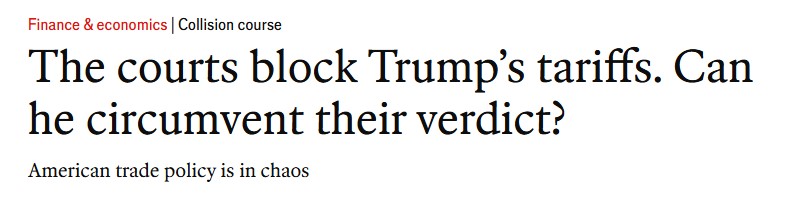
The concentration of such immense economic power in the hands of a single executive brings systemic instability, raising concerns reminiscent of historical executive overreach that the nation’s system of checks and balances was designed to prevent. Legal challenges from various judicial circuits have begun to test the boundaries of executive authority regarding trade and taxation, setting up a familiar constitutional struggle between the branches of government.
Current Realities and the Supply Chain Lag
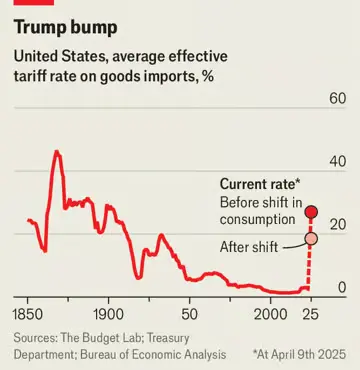
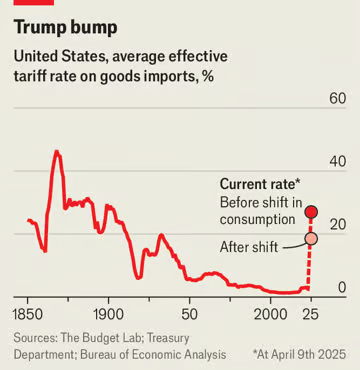
Even after accounting for recent diplomatic adjustments, current tariff levels remain substantially higher than historical averages maintained over the past three quarters of a century. The modern American economy is structurally built upon low tariffs and relatively frictionless global trade.
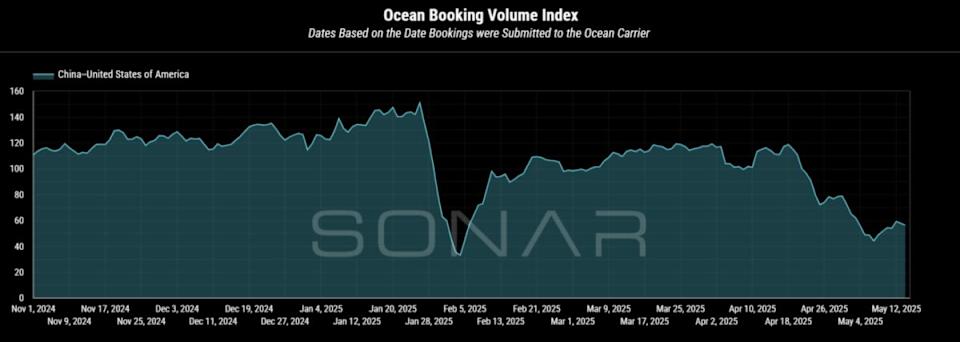
The reason everyday consumers may not have felt the full brunt of these price increases immediately lies in the nature of global supply chains. The United States operates much like a massive cargo ship: it carries an enormous volume of inventory and requires considerable time to change direction. When trade tensions escalated, importers proactively rushed to place advance orders, building up substantial stockpiles of goods before the new duties took full effect.
As those stockpiled inventories gradually deplete, the drop in new imports becomes more pronounced. If the current trajectory holds, economists warn that price increases and potential supply shortages will likely surface across retail sectors. While consumers can easily absorb temporary shortages in non-essential novelty items, losing frictionless access to core industrial tools, machinery, and manufacturing components carries far more serious economic consequences.
Potential Scenarios for the Future
Economic forecasting under unpredictable trade policies generally narrows down to a few distinct pathways. The first, and widely considered less probable scenario, is that the current high tariff regime becomes permanent. Under this outcome, domestic manufacturing might see localized pockets of growth, but the broader economy would face structurally higher prices, reduced purchasing power, a sluggish stock market, and persistent retaliatory tariffs from international trading partners that harm export-heavy sectors like agriculture.
The second and more historically probable scenario is that tariffs serve primarily as an aggressive negotiating leverage tool, eventually giving way to a negotiated truce and a return to historically low tariff levels. The foundational prosperity of the United States rests upon a massive domestic market featuring open borders and zero trade restrictions across fifty states. Similarly, friendly nations across the globe benefit immensely from the unfettered exchange of goods, services, and human capital. Collaborative international trade consistently fosters mutual economic enrichment.
Despite the dramatic market drops seen earlier in the year—which triggered localized panic among retail investors locking in steep losses—the stock market has demonstrated remarkable resilience. Each signal of a potential diplomatic de-escalation has triggered a corresponding rally in equities, reflecting investor confidence that cooler heads will eventually prevail and international trade norms will be restored.
Ultimately, navigating economic turbulence requires looking past sensationalized media headlines designed to generate fear and clicks. Whether evaluating complex trade policy or managing long-term investments, deep subject matter understanding consistently reveals the limitations of sensational news narratives. For long-term investors, maintaining a steady, diversified approach through political and economic cycles remains the most reliable strategy for weathering the storm.