

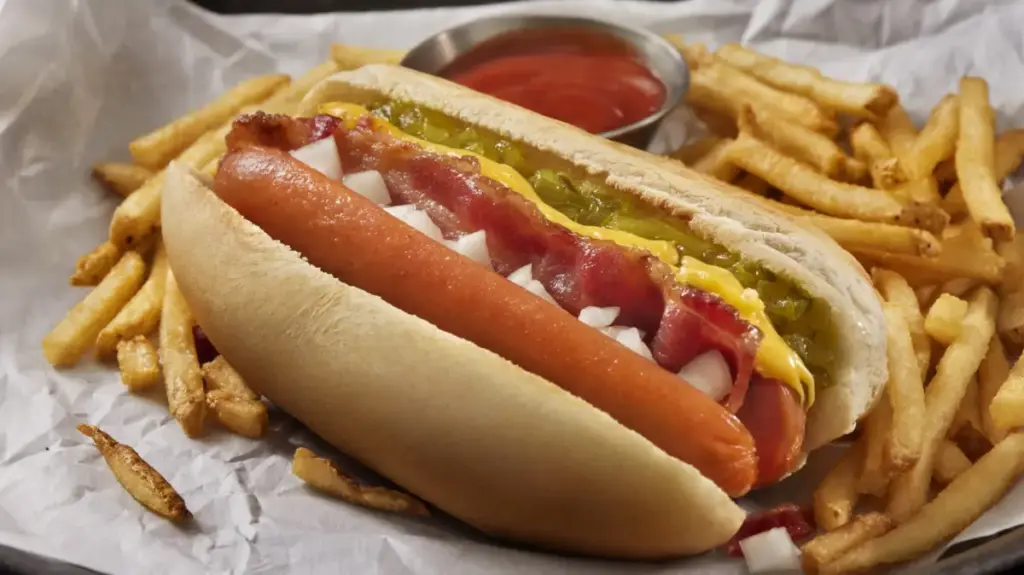
When it comes to America’s vast landscape of regional hot dog culture, variety is the defining characteristic. From the fully loaded, vegetable-heavy structure of a traditional Chicago-style dog—famously described as being "dragged through the garden"—to the iconic, snappy Coney Island franks found along the East Coast, the identity of a great hot dog has long relied heavily on its toppings. Connoisseurs and casual backyard grillers alike have spent generations debating the merits of yellow mustard, diced onions, bright green relish, and sauerkraut.
Yet, culinary experts note that one of the most impactful, transformative ways to infuse a hot dog with maximum flavor happens long before the link ever touches a bun. For years, dedicated cooks have sworn by marinating hot dogs prior to cooking to penetrate the meat with savory spices and aromatic depth. However, when an impromptu backyard cookout strikes or a weeknight dinner needs to come together in a hurry, there is rarely time to let a marinade work its slow magic.
Enter a surprisingly simple yet game-changing technique: cooking hot dogs directly inside a pot of simmering chili. Rather than treating chili merely as a post-cooking garnish ladled on top at the very end, culinary enthusiasts are discovering that simmering the links right in the chili achieves a remarkable transformation. As the hot dogs cook immersed in the spiced meat sauce, they continuously absorb the bold pepper spices, rich aromatics, and abundant moisture from the chili. The result is a hot dog that emerges exceptionally juicy, infused with dynamic flavor profiles through and through, and completely elevated from the standard boiled or steamed frank.
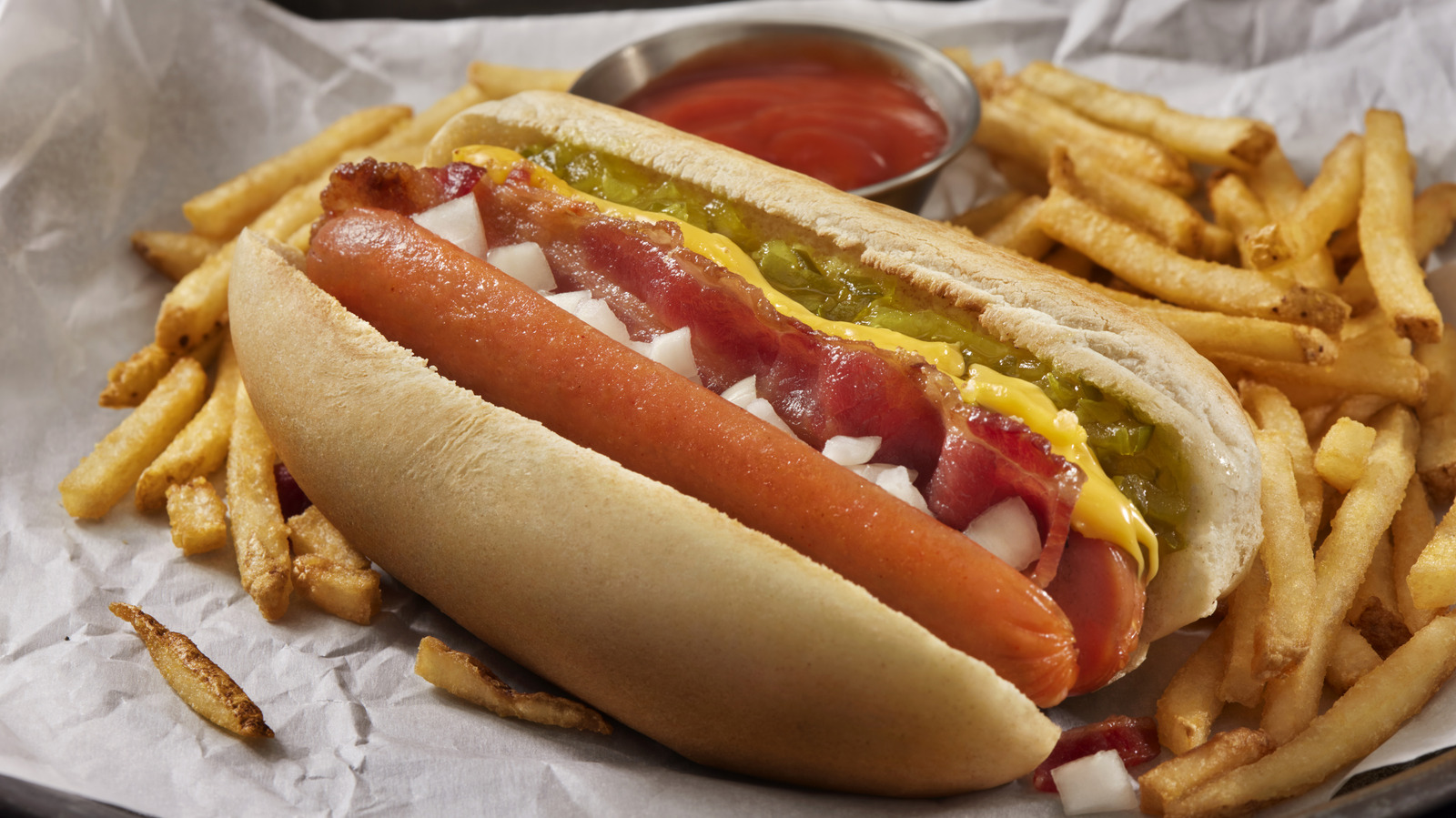
The execution of this culinary method is straightforward and seamlessly integrates into traditional cooking routines. A cook begins by preparing their preferred chili recipe, allowing the ingredients to marry and simmer. For those seeking a reliable foundation, classic hot dog chili recipes can typically be whipped up from scratch in less than thirty minutes, balancing a thick texture with a savory, spiced kick.
While the chili simmers on the stovetop, a crucial preliminary step takes place in a separate skillet. A handful of hot dogs are browned in a pan with a small amount of oil, creating an exterior surface char. Culinary professionals emphasize that this initial searing step makes a profound difference in the overall flavor profile of the finished dish, locking in savory notes and providing a contrasting texture to the tender interior. Once the chili has reached its desired consistency and the hot dogs have developed that essential surface crust, the links are transferred directly into the pot. Allowing them to simmer in the chili for several additional minutes ensures they finish cooking while thoroughly soaking up the surrounding moisture and robust seasonings.
Cook Hot Dogs Directly in Chili for Bolder Flavor and Mouthwatering Moisture
Once the hot dogs have finished their bath in the seasoned meat sauce, they offer versatility in how they can be presented to guests or family members at the table. The most traditional presentation involves lifting a chili-soaked dog straight from the pot, placing it snugly into a warm bun, and finishing it with standard garnishes.
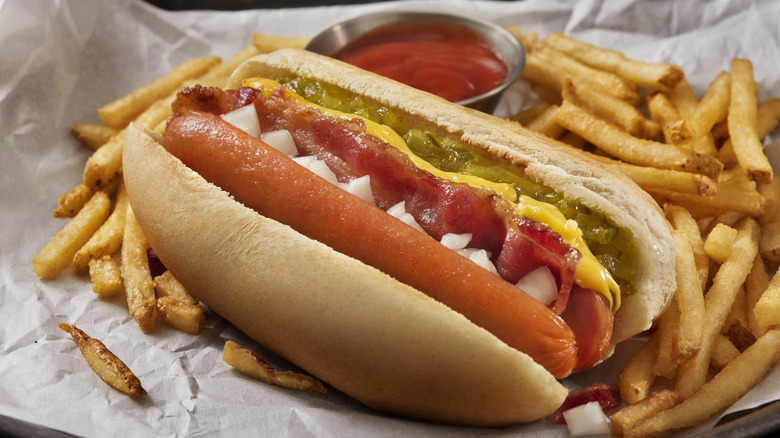
Alternatively, for those seeking a more adventurous culinary experience, the dish can be served bowl-style. In this presentation, the hot dogs are sliced into bite-sized coins and left to bob in a hearty portion of the chili in which they were cooked. While this style might initially appear unconventional to traditionalists, culinary historians point out that chili-cheese dog bowls are closely related to classic comfort foods like beanie weenies or spicy chili prepared with sliced kielbasa. Served in a bowl, this hearty preparation invites diners to top the mixture with a generous handful of shredded cheese, a pinch of freshly diced onion, and scoop it up with crisp corn chips, leaning heavily into the realm of ultimate comfort food.
The choice of the hot dog itself also plays a vital role in the final outcome of the dish. Food publications and testing panels frequently highlight brands that offer a distinct structural integrity and rich flavor profile. For instance, natural-casing beef franks known for a savory interior paired with a satisfying snap tend to hold up exceptionally well to prolonged simmering without losing their texture. When specific regional brands are unavailable, widely accessible grocery store options featuring all-beef formulas perform admirably, absorbing the surrounding chili spices while maintaining their fundamental structure.
Furthermore, this cooking method offers practical benefits for meal planning and leftovers. Leftover hot dog chili and its submerged links hold up remarkably well when stored together in an airtight container in the refrigerator. In fact, culinary lore and everyday experience show that chili often tastes even better the following day, as the various spices, fats, and aromatics have additional time to meld and deepen. For those keeping their chili-cooked hot dogs intact rather than slicing them into coins, culinary experts recommend adding an extra scoop of the chili directly into the storage container. As the hot dogs sit immersed in the chili during refrigeration, they continue to absorb deeper layers of flavor, ensuring that the next meal is just as flavorful, moist, and satisfying as the first.