In contemporary interior design, the open-plan layout has long reigned supreme, encouraging flowing sightlines and communal living. However, as urban dwellings become more compact and remote work permanently alters how households utilize square footage, the demand for adaptable, multi-functional living spaces has surged. Enter the room divider—a classic architectural and decor element experiencing a profound modern renaissance. Far beyond mere utilitarian partitions used to section off awkward corners, today’s room dividers double as major statement pieces that combine structural ingenuity with high-end aesthetic appeal.

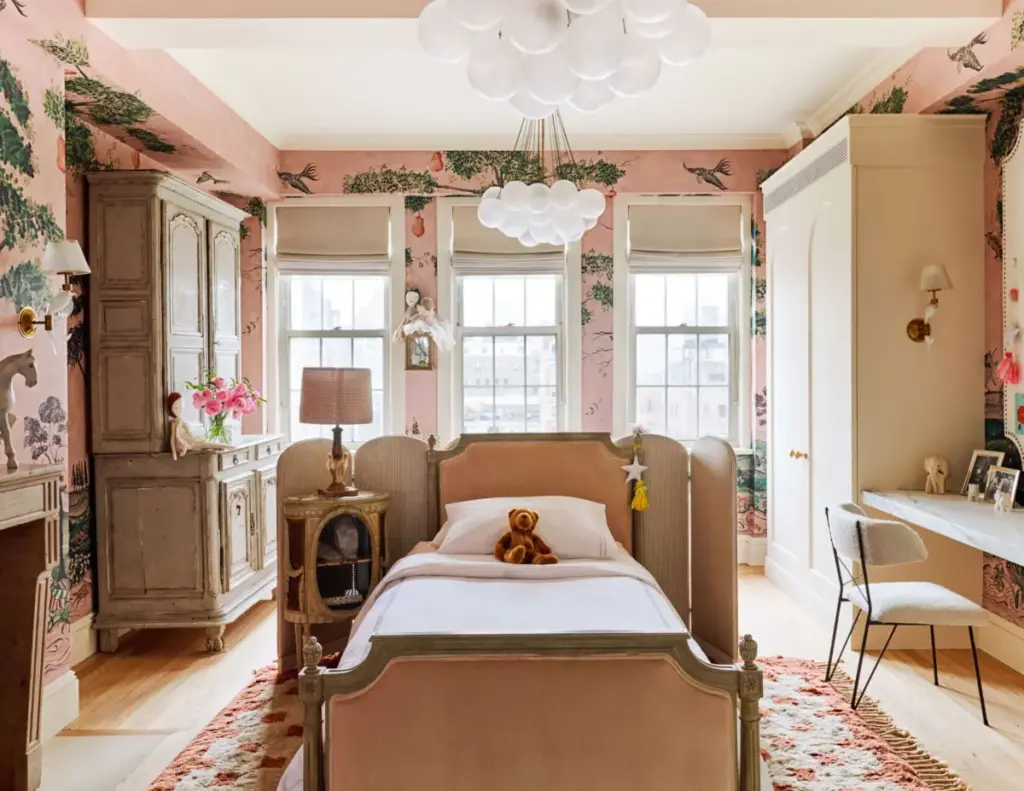
The versatility of the room divider is well-documented by top-tier interior designers. In Nate Berkus and Jeremiah Brent’s Manhattan family home, their daughter Poppy’s bedroom utilizes a vintage folding screen upholstered in a Rose Tarlow Melrose House linen. The piece serves a dual purpose, acting as a natural extension of the headboard while physically separating the sleep and play areas within the room.

Similarly, everyday apartment dwellers have long relied on versatile shelving units to achieve functional zoning without resorting to permanent construction. The ubiquitous IKEA KALLAX shelving unit, for instance, remains a staple for studio apartments, offering a sturdy and reliable agnostic design that suits virtually any aesthetic. Yelena Moroz Alpert, a contributor to interior design publications, notes her long history with the piece. She first bought a two-row shelving unit nearly 15 years ago to carve out a dedicated office nook in a tiny Brooklyn apartment. Having survived six moves, the unit now serves a similar purpose in her husband’s home office. Beyond simple space delineation, open shelving allows residents to fine-tune the amount of visible open space by thoughtfully curating the display of novels, ceramics, and personal decor items.

The market has responded to this demand with an array of designer collaborations and artisanal partitions that elevate the room divider from basic necessity to luxury centerpiece. Among the notable recent releases is the Hide and Seek room divider by Casa Dean, a piece that balances retro sensibilities with sleek modern execution. Dropped as part of the CB2 collaboration with Grammy-winning producer Kasseem “Swizz Beatz” Dean—known for producing major records for Beyoncé, Jay-Z, and Drake—the vegan leather partition offers privacy infused with distinct artistic panache. Swizz Beatz noted that his goal for the collection was to design a creative home for all creatives, regardless of their chosen medium.

For those leaning toward a more relaxed, organic aesthetic, natural materials like rattan and bamboo continue to dominate interior trends. The West Elm Zeze Room Divider introduces dimension to neutral-toned spaces while injecting a sense of relaxed 1970s grooviness. Its woven three-panel design allows filtered sunlight to pass through, proving an essential perk for individuals attempting to carve out a bright, airy work-from-home corner without sacrificing natural illumination.

Similarly, single-panel room dividers, which historically leaned toward cold, industrial-looking modularity, have received a sophisticated update. The Bayou Breeze Daejon single-panel partition features a semi-transparent rattan screen that communicates elegance above plain purpose. Easily envisioned in a bedroom or dressing room, it evokes classic Hollywood glamour, needing little more than a silk robe draped casually over the top to complete the vignette.

For centuries, cultural design traditions have also influenced how interior spaces are divided. Shoji room dividers, featuring styles hailing from eighth-century Japan as an adaptation of heavier Chinese folding screens, remain popular for their minimalist efficiency. Traditionally constructed with fiber-reinforced rice paper inside a wooden frame, modern interpretations like the Red Barrel Studio Niemann Shoji Room Divider substitute Scandinavian spruce frames while maintaining the signature light-diffusing qualities. Standing nearly six feet tall, these minimalist screens soften natural light rather than blocking it entirely, serving effectively as flexible walls in shared bedrooms or private dressing areas. Weighing in at roughly 12 pounds, such accordion-fold screens offer unmatched portability compared to heavy architectural fixtures like sliding barn doors.

The resurgence of the room divider is not confined strictly to indoor environments. As urban and suburban homes alike prioritize outdoor living spaces, patio setups often require privacy solutions to shield residents from close neighbors. AllModern’s Screen Series Privacy Screen offers a durable corten steel option boasting a simple yet light-filtering design. Because these freestanding panels are heavy and stable, multiple segments can be slotted together to form an extended privacy wall, or disassembled when open views are preferred. For green thumbs, the metal framework doubles as a trellis, allowing climbing plants to transform a structural barrier into a lush, living garden wall.

Back indoors, heavy architectural dividers provide substantial room divisions reminiscent of private clubs and upscale restaurants. The Four Hands Duane Room Divider features dual-sided chenille panels, a solid-wood frame, and gleaming brass hardware that provides a gilded accent. Weighing 110 pounds, the substantial piece is designed for permanent placement, offering rigorous privacy and a formal finish to otherwise empty corners.

Alternative materials and global influences continue to expand the market’s aesthetic reach. Oriental Furniture’s Tropical Philippine Room Divider blends Art Deco flair with resort-style craftsmanship, utilizing tightly woven bamboo and abaca—a species of banana plant—to elevate home offices without feeling overly formal. Zara’s Wood and Linen Room Divider pairs stretched linen over a rubberwood frame, evoking the breezy coastal ambiance of a bedroom on Capri. The lightweight structure can be folded accordion-style and slipped seamlessly behind a door when not in use. Lulu and Georgia’s Carrick Room Divider similarly plays with Art Deco forms through asymmetrical wood arches and natural linen panels, breaking up the rigid geometry of standard rectangular rooms while introducing warmth.

More elaborate storage-driven options, such as the Crate & Barrel Steppe Bookcase Room Divider, integrate sculptural open shelving with concealed lower cabinetry accessible from both sides, wrapped in a natural walnut finish. Meanwhile, historic modernist designs continue to hold their ground. The Artek Screen 100 Room Divider, designed 90 years ago by 20th-century architect Alvar Aalto, utilizes flexible vertical pine-wood slats connected by webbing, allowing homeowners to curve the partition around any corner or roll it up for storage like a traditional mat.

Whether utilizing the artistic cutouts of the AllModern Haddis Panel Room Divider to filter light or treating a four-panel statement screen like a gallery painting—much like Red Barrel Studio’s Falkmar Folding Screen—homeowners have an unprecedented variety of ways to configure their living environments. As the boundaries between work, rest, and play continue to blur within the modern home, the room divider remains an indispensable tool for defining space on one’s own terms.