

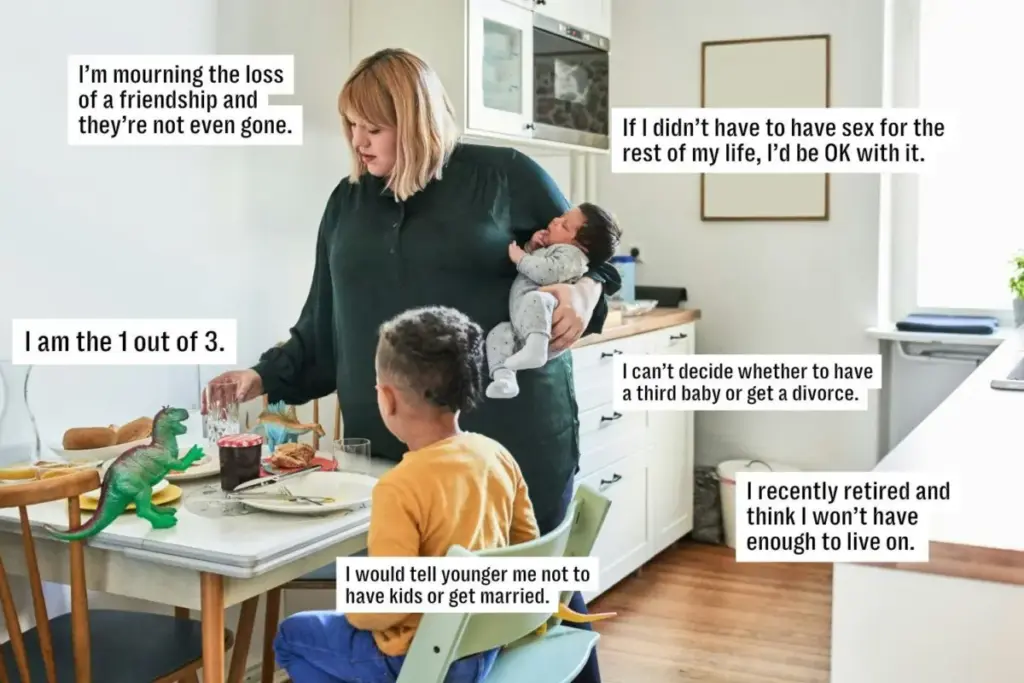
Every week, the anonymous confessions submitted by mothers read like a cross-section of the hidden emotional landscape of modern parenting. While some weeks bring a relatively balanced mix of minor relationship grievances, domestic frustrations, and small household victories, others lay bare a much deeper, more systemic heaviness. This week’s collection of anonymous entries is unmistakably dominated by a pervasive, palpable sense of fear.
Amid the ordinary trials of managing household dynamics, dealing with in-laws, and shouldering the endless mental load of domestic life, a darker anxiety has taken root. A significant number of mothers this week wrote in about the national conversation surrounding the "Cornell 7," sparking profound fears, triggering past personal traumas, and forcing women to confront the stark realities of gender dynamics in contemporary society. For many, the incident at Cornell—and more specifically, the complicity demonstrated by other boys in the group chat—served as a terrifying window into the ways society is raising young men, and the frightening implications that reality holds for daughters venturing out into the world.
These submissions reflect not only deep-seated fear but also a profound, righteous anger. Mothers expressed immense frustration at being told, yet again, that systemic misogyny and institutional failures are simply "how the world works." Yet, human emotion is rarely singular. As these women demonstrate, mothers contain multitudes. Even while grappling with the heavy headlines of the week, these same women are navigating the petty annoyances of husbands with man-colds, celebrating vital health milestones, mourning fading friendships, and harboring the familiar, exasperated wish that someone—anyone—else in the household would take the initiative to decide what is for dinner.
None of these overlapping feelings make a mother "too much" or overly dramatic. Instead, they are the natural byproduct of paying close attention to a complex world. The anonymous platform serves as an essential release valve where women can pour out their unfiltered realities without fear of judgment.
The range of submissions reveals the staggering breadth of emotional labor and hidden crises unfolding behind closed doors. Relationships are a primary source of silent suffering. Several contributors confessed to feeling entirely trapped in marriages they would not have chosen if they could turn back the clock. One mother admitted she wants a divorce but feels it is impossible because she sacrificed her independent career and financial footing in the early years to raise their children. Another confessed to staying in an unfulfilling marriage solely out of a profound lack of self-worth, asking the heartbreaking question of who else could possibly want her. Others described feeling like mere babysitters or roommates rather than wives, noting that intimacy with their husbands has plummeted since the birth of their children, or that their spouses only show affection behind closed doors.
The burden of domestic inequality remains a relentless theme. Mothers confessed to harboring intense resentment over carrying the entirety of the mental load, managing households, caring for sick children, and simultaneously tending to partners who offer little support while nursing minor illnesses. For some, the resentment has grown into something far more severe, with submissions bluntly declaring deep marital dissatisfaction, hatred, or an active wish to have never married or had children at all.
Career pressures and financial anxieties compound these domestic strains. Women reported navigating hostile work environments, dealing with toxic superiors, facing terrifying prospects of impending layoffs and job cuts, and experiencing deep guilt over not being able to excel equally as employees while carrying the weight of motherhood. Others are confronting major life pivots, such as starting over after a long-awaited job change, realizing they cannot afford retirement after decades in the workforce, or grappling with the emotional toll of mid-career burnout after more than two decades in the same profession.
Health concerns—both physical and psychological—form another heavy layer of the weekly haul. Confessions detailed terrifying medical episodes, such as a sudden seizure that left a mother paralyzed by the fear of developing epilepsy. Others highlighted battles with crippling anxiety, prompting some women to finally seek medical help in their late forties, while others debated the risks and permanent implications of starting GLP-1 medications for weight loss. The ghost of past trauma also looms large, with multiple submissions revealing how recent news cycles have triggered painful memories of sexual assault suffered decades earlier during college years, bringing unhealed wounds crashing back into the present.
The complexities of parenting compound these internal struggles. Mothers confessed to the crushing weight of supporting neurodivergent children in a system where experts seemingly offer no answers, the exhausting reality of raising a young child with an absent co-parent, and the agonizing guilt of feeling that they are failing to raise their sons properly in a culture that devalues women. Others shared the profound heartbreak of dealing with an abusive daughter or managing strained extended family dynamics, such as coping with a mother-in-law who treats her grandchildren as second-class citizens.
Despite the heavy, often overwhelming nature of these anonymous admissions, the weekly ritual remains a vital lifeline for women seeking solidarity. By giving voice to taboo thoughts—from the bone-deep exhaustion of the newborn stage to the secret relief felt when visiting in-laws finally depart—these confessions remind mothers that their complicated, contradictory feelings are shared. They are not isolated in their fears, their anger, or their quiet moments of desperation, but rather part of a vast, interconnected community navigating the immense challenges of modern womanhood and parenting.