


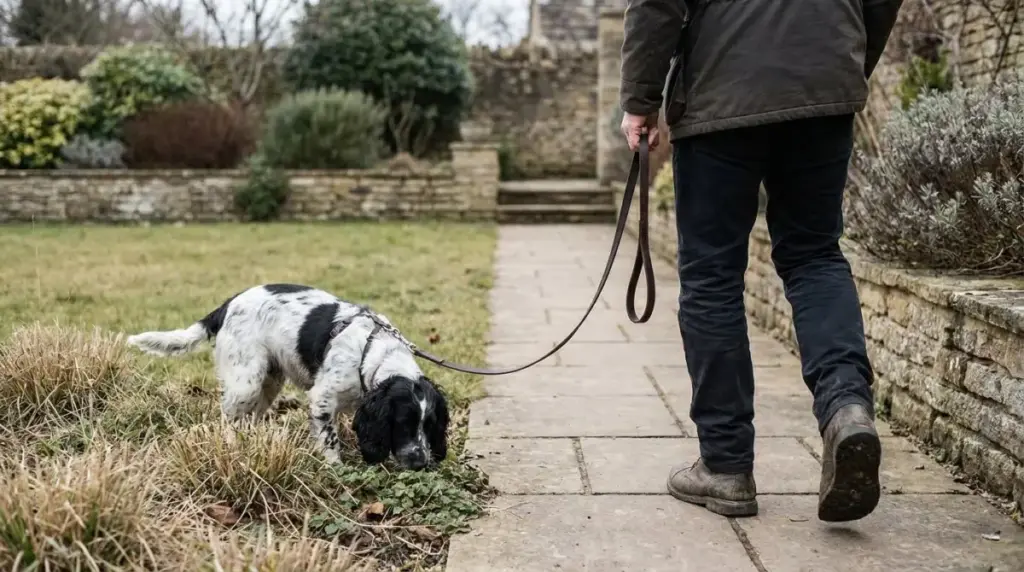
For dogs diagnosed with osteoarthritis, maintaining physical mobility is a delicate balancing act. Veterinary medical consensus has shifted away from the traditional view that arthritic animals should be strictly confined to bed rest. Instead, experts emphasize that regular, controlled, and low-impact movement, tailored specifically to the individual animal, forms a crucial foundation of long-term joint health and overall well-being.
Managing canine osteoarthritis (OA) requires balancing physical activity with pain control, environmental safety, and ongoing veterinary supervision. Rather than working toward arbitrary daily step counts or forcing a dog to exhaust itself, the primary objective of any exercise routine is to ensure an enjoyable day with manageable, comfortable movement. Because canine joint disease is progressive, care strategies must evolve alongside the animal’s changing needs over time.
The Role of Exercise in Canine Osteoarthritis Management
When a pet owner asks whether exercise is beneficial for a dog with joint disease, the answer depends entirely on the individual patient’s current clinical status. According to the American College of Veterinary Surgeons (ACVS), controlled activity, weight management, and tailored rehabilitation represent essential tools in the long-term management of canine osteoarthritis.
Physical activity helps maintain muscle mass, supports joint stability, and prevents stiffening. However, an exercise plan suitable for a dog with stable, well-managed arthritis may be entirely inappropriate for an animal experiencing an acute flare-up, a concurrent soft-tissue injury, or significant difficulty standing up.
Veterinarians caution that a dog’s enthusiasm does not always reflect its physical capability. High-drive dogs may eagerly push through pain during a walk, only to suffer severe stiffness, discomfort, or compromised mobility hours later. Therefore, exercise plans must account for a range of individual factors:
- Age and Life Stage: While senior dogs represent a large portion of arthritis patients, younger dogs with developmental joint conditions, such as hip or elbow dysplasia, also require customized activity regimens.
- Body Condition and Weight: Excess weight places additional mechanical stress on compromised joints, making weight management a central pillar of care.
- Overall Health and Co-morbidities: Cardiovascular health, neurological function, and other chronic conditions must be factored into any physical routine.
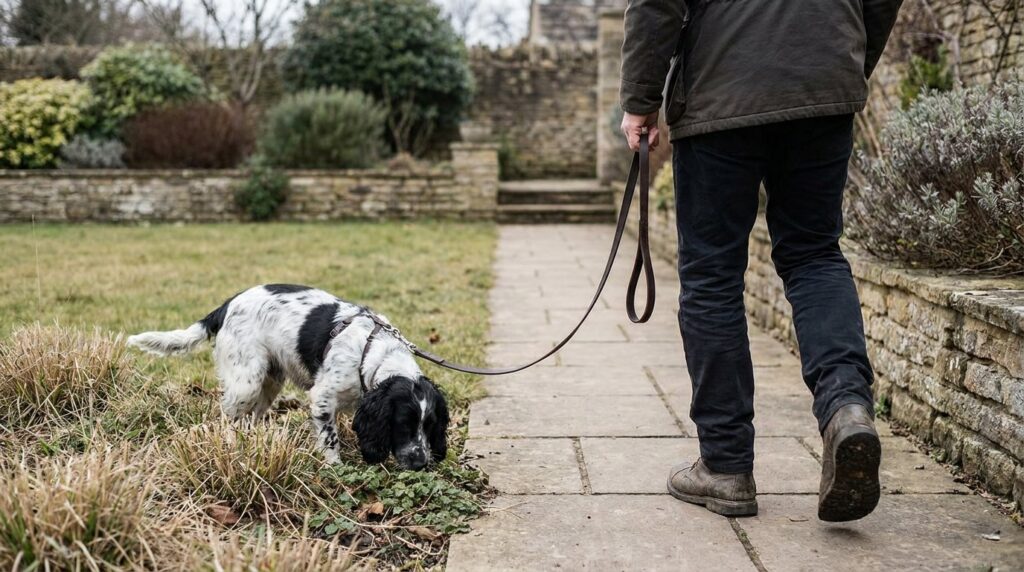
- Individual Preferences: Identifying the specific aspects of an outing that bring a dog joy—such as sniffing ambient scents rather than running long distances—allows owners to preserve their pet’s quality of life without overexerting fragile joints.
Selecting Appropriate Low-Impact Activities
The primary rule of exercise for arthritic dogs is to prioritize controlled, low-impact movements while eliminating high-impact forces. The ACVS explicitly advises limiting activities that involve unconstrained running, jumping, sharp turns, or sudden stops. These actions place excessive torsional and compressive stress on compromised articular cartilage and inflamed joint capsules.
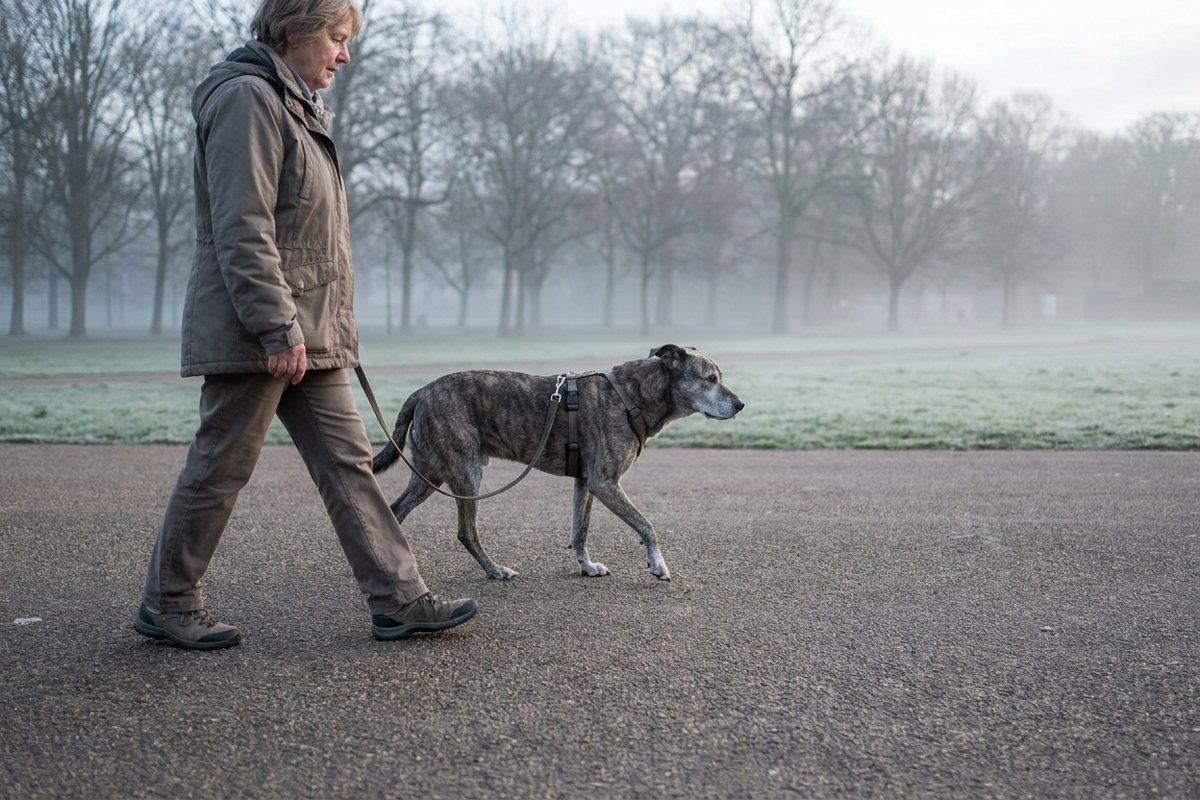
Controlled leash walking serves as the standard starting point for most low-impact exercise programs. When planning a walk, pet owners should evaluate the entire outing, including the immediate pathway leading out of the home, the footing along the route, and the return trip.
Level routes with reliable, non-slip footing—such as flat grassy paths, paved walkways, or packed soil—are vastly preferable to trails containing steep inclines, loose gravel, exposed tree roots, or stairs. Choosing a familiar, short loop close to home provides a built-in safety margin, allowing owners to easily shorten the outing if the dog exhibits early signs of fatigue or discomfort.
Beyond neighborhood walks, indoor mental and physical stimulation can be modified for physical safety. For example, replacing high-speed fetch games with a calm indoor scent game—such as searching for a favorite toy placed at floor level—allows dogs to engage in rewarding cognitive activity without the physical strain of sudden accelerations, lunges, or hard pivots.
When considering walking aids, such as mobility harnesses, slings, or ramps, owners should consult their veterinary team to ensure proper fit and usage. Assistive devices are designed to support balance and facilitate safe transitions; they are not intended to artificially prolong an outing or make an inherently unsuitable activity safe.
Determining Walking Duration and Tracking Response
There is no standardized walking duration or distance that applies universally to every dog with osteoarthritis. International clinical frameworks, such as the Canine Osteoarthritis Staging Tool (COAST) guidelines, emphasize that physical management must be highly individualized, consistent, and continuously adjusted based on the patient’s functional stage and day-to-day comfort.
Establishing an optimal exercise routine requires consistent observation. Veterinary experts recommend maintaining a simple daily observation log to record the dog’s physical responses across three distinct phases:
- Before the Walk: Observe how easily the dog rises from a resting position at home and evaluates its initial gait upon moving around the living space.
- During the Walk: Pay close attention to the dog’s pace, willingness to move forward, frequency of unscheduled stops, or subtle changes in stride, such as limping or lagging behind. Note precisely where along the route any physical changes begin to appear.
- After Rest: Evaluate the dog several hours after the walk or the following morning. Note whether the animal experiences heightened stiffness when getting up, shows reluctance to move, or has difficulty settling comfortably.
This structured monitoring record serves as an invaluable diagnostic communication tool during veterinary consultations. Rather than attempting to self-diagnose or interpret subtle gait changes independently, owners can present factual observational data to their clinic.
Additionally, guidelines from the American Animal Hospital Association (AAHA) for senior care highlight the utility of short smartphone video clips. Capturing short videos of a dog moving, rising, or walking within its familiar home environment provides veterinary professionals with clear, objective evidence of functional changes that may not be fully demonstrated during a brief clinic exam.
Family households should also establish clear communication protocols regarding daily exercise. Designating a primary logkeeper or central tracking location prevents well-meaning family members from taking an arthritic dog on an unintended second walk, which could lead to overexertion.
Home Environment Modifications and Professional Rehabilitation
Optimizing mobility for an arthritic dog extends beyond scheduled walks to encompass the daily home environment. Simple environmental modifications can significantly reduce physical stress and minimize the risk of slips or falls.
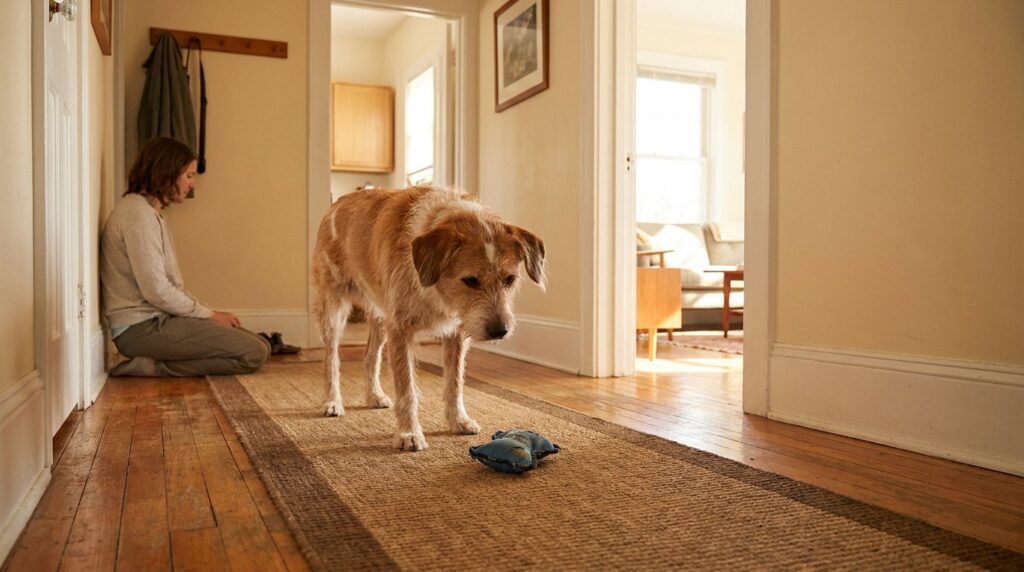
Installing non-slip runners or rubber-backed mats over slick hardwood or tile flooring provides essential traction, particularly in high-traffic corridors and around feeding stations. Keeping living spaces clutter-free ensures that dogs do not need to make sudden dodges or step awkwardly over obstacles.
When home modifications and basic leash walks are insufficient, formal physical rehabilitation offer targeted support. The AAHA Pain Management Guidelines categorize therapeutic exercise as goal-directed physical intervention aimed at improving strength, flexiblity, balance, and joint range of motion.
Professional physical therapy for arthritic dogs may include structured therapeutic exercises, targeted stretching, and controlled balance work designed by certified canine rehabilitation practitioners. While many therapeutic exercises appear simple when viewed online, performing them incorrectly or applying them to an unsuitable candidate can aggravate joint inflammation or cause soft-tissue injuries.
Prior to initiating any home exercises, owners should request detailed instruction from their veterinary team regarding proper technique, correct posture, frequency, and specific physical indicators that signal the activity should stop immediately. Real-world constraints—such as narrow hallway space, staircase access, or the owner’s physical ability to assist a large dog—should be discussed openly so that the rehabilitation program remains realistic and safe for the household.
Evaluating Hydrotherapy and Water-Based Exercise
Hydrotherapy is frequently discussed as a beneficial modality for managing canine joint disease, but it requires careful professional assessment. Water-based therapies generally fall into two distinct categories: swimming in a pool or open water, and walking on an underwater treadmill. These activities exert vastly different mechanical forces on a dog’s musculoskeletal system.
Underwater treadmill therapy, conducted under professional supervision, utilizes water buoyancy to reduce weight-bearing pressure on inflamed joints while providing mild hydrostatic resistance to build surrounding muscle mass. The speed, water depth, and duration can be precisely adjusted to match the patient’s precise clinical needs.
Conversely, unguided swimming involves vigorous, non-weight-bearing kicking movements that may overextend certain joints or strain soft tissues if the dog panics or swims erratically. Entry and exit points from natural bodies of water or home pools often present hazards, such as slippery ramps, steep steps, or unstable banks.
The ACVS recognizes aquatic rehabilitation as a valid therapeutic option, provided it is selected based on the dog’s health profile, cardiovascular status, joint mechanics, and emotional comfort. A dog that is fearful of water should never be forced to swim, as panic-induced thrashing can easily cause acute physical trauma. If access to specialized facilities is limited or if a dog finds aquatic environments stressful, alternative land-based modalities can achieve similar physical therapeutic goals.
Recognizing Warning Signs and Seeking Veterinary Care
An exercise routine should never be viewed as a rigid test that a dog must complete regardless of physical discomfort. If a dog exhibits signs of acute distress, unexpected lameness, or severe fatigue, physical activity must be paused immediately.
Owners must be prepared to stop an exercise session and contact their veterinarian if they observe any of the following clinical indicators:
- Marked, sudden, or worsening limping during activity
- Reluctance or outright refusal to continue walking
- Vocalizations indicative of acute pain upon movement
- Severe trembling, panting, or inability to settle comfortably after rest
- Sudden inability to bear weight on one or more limbs
According to emergency care guidelines from institutions such as Cornell University’s Companion Animal Hospital, acute non-weight-bearing lameness, an inability to stand, or a sudden loss of motor function constitute urgent medical situations requiring prompt veterinary evaluation.
Senior dogs previously diagnosed with osteoarthritis are still susceptible to new, unrelated orthopedic or neurological problems, such as cranial cruciate ligament ruptures or intervertebral disc disease. A sudden decline in mobility should never be assumed to be a routine progression of pre-existing arthritis without a thorough medical examination.
When contacting a veterinary clinic regarding mobility changes, owners should accurately report what specific symptoms occurred, whether the onset was sudden or gradual, and what physical activity the dog was engaged in at the time. Existing video footage of the abnormal movement can be shared with the medical team, though owners should never force a painful animal to repeat a distressing movement simply to record it.
Integrating Pain Control into a Multimodal Treatment Strategy
Modern veterinary medicine manages canine osteoarthritis through a multimodal framework. Relying solely on exercise adjustments or weight control is rarely sufficient to control progressive joint inflammation and chronic pain. Effective management combines environmental adaptations, dietary modifications, controlled exercise, and targeted pharmacotherapy.
Controlling baseline pain is essential for physical exercise programs to succeed; a dog experiencing active, unmanaged joint discomfort cannot participate comfortably in low-impact walking or rehabilitation exercises.
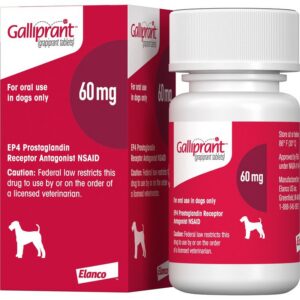
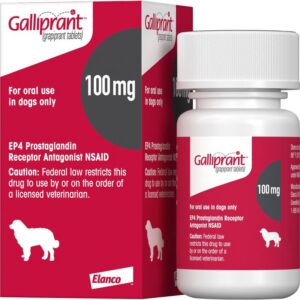
Veterinarians frequently prescribe non-steroidal anti-inflammatory drugs (NSAIDs) specifically designed for canine physiology to manage osteoarthritis pain and inflammation. Among these therapeutic options is Galliprant® (grapiprant tablets), a targeted treatment option for canine OA.
Galliprant’s Role in Canine Osteoarthritis Management
Galliprant® (grapiprant tablets) is indicated specifically for the control of pain and inflammation associated with osteoarthritis in dogs. Unlike traditional COX-inhibiting NSAIDs, grapiprant is a non-COX inhibiting NSAID that acts as a selective antagonist at the EP4 prostaglandin receptor—the primary receptor involved in mediating osteoarthritis-induced pain and inflammation in dogs.
Formulated as a once-daily, flavored chewable tablet, Galliprant offers a convenient daily dosing regimen that integrates easily into a dog’s morning routine. By specifically targeting the EP4 receptor, Galliprant helps manage chronic arthritis pain, assisting dogs in maintaining mobility as part of a veterinarian-guided, multimodal treatment plan.
Prescription pain management plans require ongoing veterinary monitoring. While Galliprant provides targeted pain relief, any medical treatment for chronic conditions must be reviewed periodically to evaluate therapeutic response, adjust dosages if necessary, and ensure overall health.
Pet owners must never adjust medication dosages, discontinue prescribed therapies, or introduce over-the-counter pain medications independently based on how a dog performs on a given day. An observation log showing a good day or a temporary slump should prompt a conversation with the attending veterinarian rather than an unguided change in pharmaceutical administration.
Common Questions in Canine Mobility Management
What treatment options exist for senior dogs with arthritis pain?
Selecting an appropriate pain management strategy for a senior dog requires a comprehensive veterinary evaluation. Options may include targeted prescription anti-inflammatories, specialized diets, joint supplements, and physical rehabilitation. The medical team must evaluate the dog’s complete health profile, including pre-existing liver, kidney, or cardiovascular conditions, alongside any concurrent medications. If a prescription treatment like Galliprant is selected, owners should adhere strictly to dosing instructions and scheduled health monitoring.
Can natural remedies provide immediate pain relief for an arthritic dog?
If a dog demonstrates signs of acute joint pain, owners should pause physical activity and consult a veterinarian immediately rather than attempting to administer natural or over-the-counter remedies. Products marketed as "natural" are not necessarily safe, medically effective, or compatible with prescribed veterinary pharmaceuticals. Unregulated supplements can interact negatively with prescription NSAIDs or delay necessary medical diagnosis. The safest approach during a painful episode is to keep the pet calm and comfortable in a restricted area while contacting a medical professional.
Should a dog go on a longer walk if they appear to feel better on a given day?
A single day of high energy or improved movement does not mean a dog’s underlying joint pathology has resolved or that its exercise capacity has permanently increased. Significantly extending a walk on a "good day" often leads to physical overexertion, resulting in heightened pain and severe stiffness over the following days. Owners should maintain the established, consistent exercise routine and log the positive observation. Adjustments to distance or intensity should be made gradually in consultation with the veterinary team after observing a sustained pattern of physical improvement over time.
Important Safety Information for Galliprant® (grapiprant tablets)
Galliprant is for use in dogs only. Keep this and all medications out of reach of children and pets to prevent accidental ingestion or overdose.
Galliprant is a non-COX inhibiting NSAID. As a class, NSAIDs may be associated with gastrointestinal, kidney, and liver side effects. Clinical evaluation for pre-existing conditions and regular diagnostic monitoring are recommended throughout therapy.
Do not use Galliprant in dogs that have demonstrated a hypersensitivity to grapiprant. Concomitant use of Galliprant with other NSAIDs or corticosteroids should be avoided. Concurrent use with other anti-inflammatory drugs or highly protein-bound drugs—including cardiac, anticonvulsant, and behavioral medications—has not been evaluated.
The safe use of Galliprant has not been evaluated in dogs younger than 9 months of age, dogs weighing less than 8 lbs (3.6 kg), dogs used for breeding, pregnant or lactating dogs, or dogs with pre-existing cardiac disease.
Adverse reactions associated with Galliprant may include mild diarrhea, soft mucoid stools, vomiting, and decreased appetite. Pet owners should contact their veterinarian immediately if they observe potential side effects or health concerns while their dog is receiving Galliprant. For full prescribing information, pet owners and veterinary professionals should visit http://elancolabels.com/us/galliprant.