
National Park Service rangers in Yosemite National Park are urgently appealing to the public for information as they investigate the origins of the Dome Fire, a stubborn blaze that has scorched more than 4,200 acres in the southern portion of the park. As of September 25, 2026, the fire remains 17 percent contained, prompting ongoing firefighting efforts, temporary closures, and widespread discussions regarding wildfire safety and human carelessness in the Sierra Nevada wilderness.
Park officials are specifically zeroing in on the Chilnualna Falls Trail, an area believed to be the ignition point of the fire, which first broke out on September 15. Investigators are asking visitors who hiked the trail earlier in the month to come forward if they witnessed unauthorized campfires or suspicious activity.
"If you were on the Chilnualna Falls Trail recently, from September 9 to September 15, and witnessed anyone with a campfire, please notify the NPS," park authorities wrote in a public statement issued on September 22.
The Chilnualna Falls Trail is a challenging, steep 8.2-mile route that climbs approximately 2,400 feet above the local Wawona community. Due to persistently hot, dry, and windy weather conditions, park officials had instituted a strict ban on campfires along the entire trail beginning on August 7. Despite these prohibitions, investigators are working to determine whether human activity inadvertently triggered the disaster.
While the official cause of the Dome Fire remains under investigation, wildfire experts note that determining the origin typically relies on a meticulous combination of physical evidence, burn patterns, aerial imagery, and forensic analysis of remnants found after active suppression work concludes. To aid in this process, the National Park Service has established multiple channels for tips. Anyone with relevant information regarding potential campfires along the trail can contact the NPS at 888-653-0009, submit information online, or send an email to [email protected].
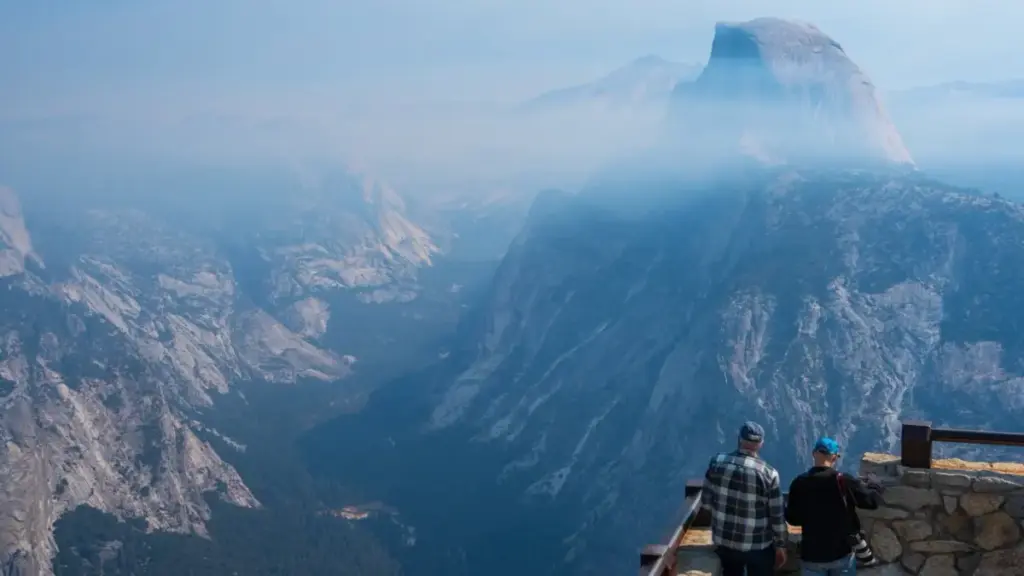
The fire is currently burning in the southern sector of the park, dangerously close to the South Entrance and the world-renowned, sequoia-filled Mariposa Grove. The rugged and steep terrain has presented significant tactical challenges for ground crews and aviation assets alike, making direct suppression exceptionally difficult in areas with limited accessibility.
Two Helicopter Firefighter Deaths
Beyond the environmental and infrastructural challenges posed by the wildfire, the Dome Fire has brought profound tragedy to the wildland firefighting community. On September 20, two experienced firefighting pilots, Greg King and Ryan Cutter, were tragically killed when their Super Puma helicopter crashed near Yosemite’s Ostrander Lake. At the time of the fatal accident, the aircraft was actively engaged in suppression operations, using a water bucket to drop loads on the flames below.
The Federal Aviation Administration (FAA) has launched an investigation into the crash, with coordination from the Alaska Division of Forestry and Fire Protection, reflecting the multi-agency nature of modern wildfire response.
"This is a devastating loss for our agency and the entire wildland firefighting community," the Alaska Division of Forestry and Fire Protection wrote in an official statement following the tragedy. "We are mourning both pilots who bravely supported firefighting efforts, and our hearts go out to their families."
The loss of the pilots underscores the immense risks routinely shouldered by first responders who deploy to remote, smoke-choked wilderness zones. Yosemite officials had previously emphasized the extreme difficulty of fighting the blaze in steep, inaccessible terrain. As smoke conditions worsened and visibility plummeted, park authorities took the precautionary step on September 23 of temporarily closing Glacier Point Road, cutting off access to numerous popular trailheads in the vicinity.
Impacts to Tourism
While the fire has heavily impacted operations in the park’s southern backcountry, its broader economic and logistical impact on tourism has been managed through careful adaptation. Kim Lawson, a spokesperson for the Yosemite Mariposa County Tourism Bureau, spoke to Outside regarding how visitors and regional tourism operators are navigating the crisis.
"From what we are seeing firsthand, the fire has required some flexibility and itinerary adjustments, but it has not resulted in a broad disruption to the guiding operations we are currently working with," Lawson said, noting that regional guides are continuously monitoring changing environmental conditions and modifying their itineraries as necessary to ensure safety.
Park authorities point out that human-caused fires are unfortunately a recurring and destructive problem within the park boundaries. Official fire-prevention guidelines from Yosemite consistently remind the public that each year, unattended campfires, careless smoking, and general human negligence spark unwanted fires that threaten ecosystems and human lives alike.
Historical precedents highlight the persistent threat. In 2006, an uncontrolled campfire sparked the Boundary Fire, which ultimately consumed more than 500 acres and forced park officials to close some of the most popular visitor trails around El Capitan during the height of the peak tourist season.
Lawson also emphasized that wildfire risks extend far beyond open campfires, urging travelers to exercise extreme caution with vehicles and equipment while journeying through forested regions.
"Something as simple as dragging chains can create sparks and potentially start a wildfire, so we encourage visitors to check their vehicles and towing equipment before traveling," she explained.
Despite the smoke, road closures, and ongoing containment efforts, regional tourism advocates stress that large portions of Yosemite remain open and welcoming to the public. The iconic Mariposa Grove in the southern part of the park remains accessible, alongside other major visitor destinations such as Yosemite Valley and Tuolumne Meadows, allowing travelers to continue experiencing the park while emergency crews work tirelessly to suppress the Dome Fire.