


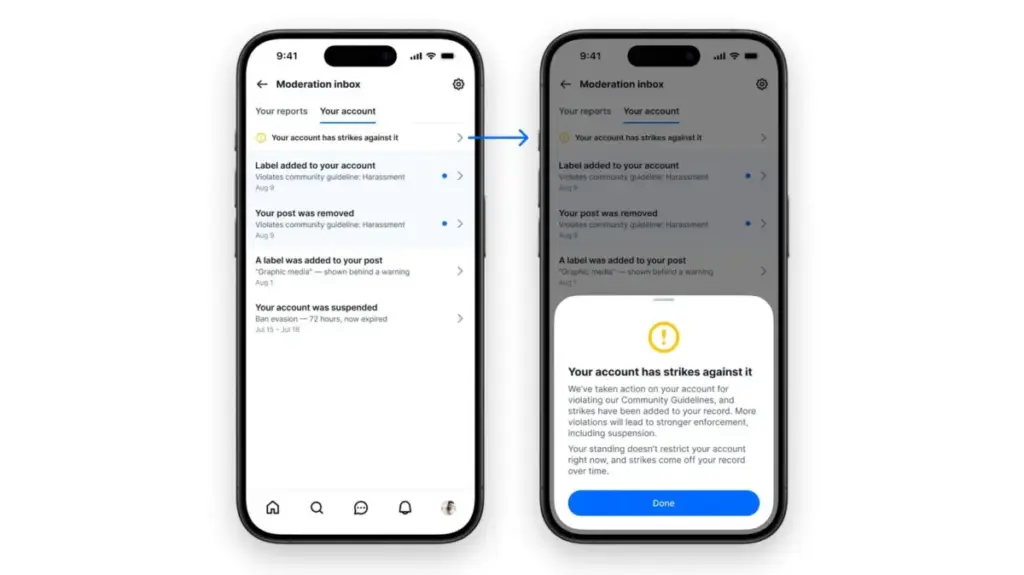
Bluesky is expanding its platform infrastructure today with the rollout of a new beta feature designed to give users a centralized location to track reports, account strikes, and overall platform standing. The newly introduced "moderation inbox" aims to bring transparency and clarity to how the decentralized social media network handles policy enforcement, user disputes, and administrative actions.
Available initially as an opt-in beta feature within the Bluesky mobile and desktop application, the moderation inbox aggregates multiple layers of interaction between the platform and its user base. Specifically, the feature collects reports that individuals have filed against other users and specific posts, records any administrative actions taken against the user’s own account, and displays the account’s overarching standing regarding community guidelines.
To access the moderation inbox, users must navigate to the settings menu within the Bluesky app, enable beta features, and locate the inbox under the designated moderation tools section. According to the company, the inbox will initially appear empty for all users, even those who may have previously received administrative strikes on their accounts. However, the interface will automatically populate moving forward as users file new reports and as Bluesky applies labels to content or issues enforcement actions against accounts.
Beyond simply displaying notifications and status updates, the moderation inbox introduces a direct mechanism for appealing administrative decisions. Users can contest most of Bluesky’s rulings directly through the in-app interface. The platform noted, however, that more severe penalties, such as full account suspensions, will still require resolution through the standard login screen protocol.
The introduction of the moderation inbox addresses a long-standing logistical challenge for Bluesky regarding how it communicates with its user base. Historically, the company has relied on email notifications to inform users of major moderation decisions. However, platform architects realized that this reliance on external email communication created significant friction. Because Bluesky operates on a decentralized framework where users can interact across independent servers, reaching every individual via traditional email proved difficult. Furthermore, email communication was largely reserved for the most serious enforcement decisions, leaving everyday users largely in the dark regarding minor reports or the status of content they had flagged.
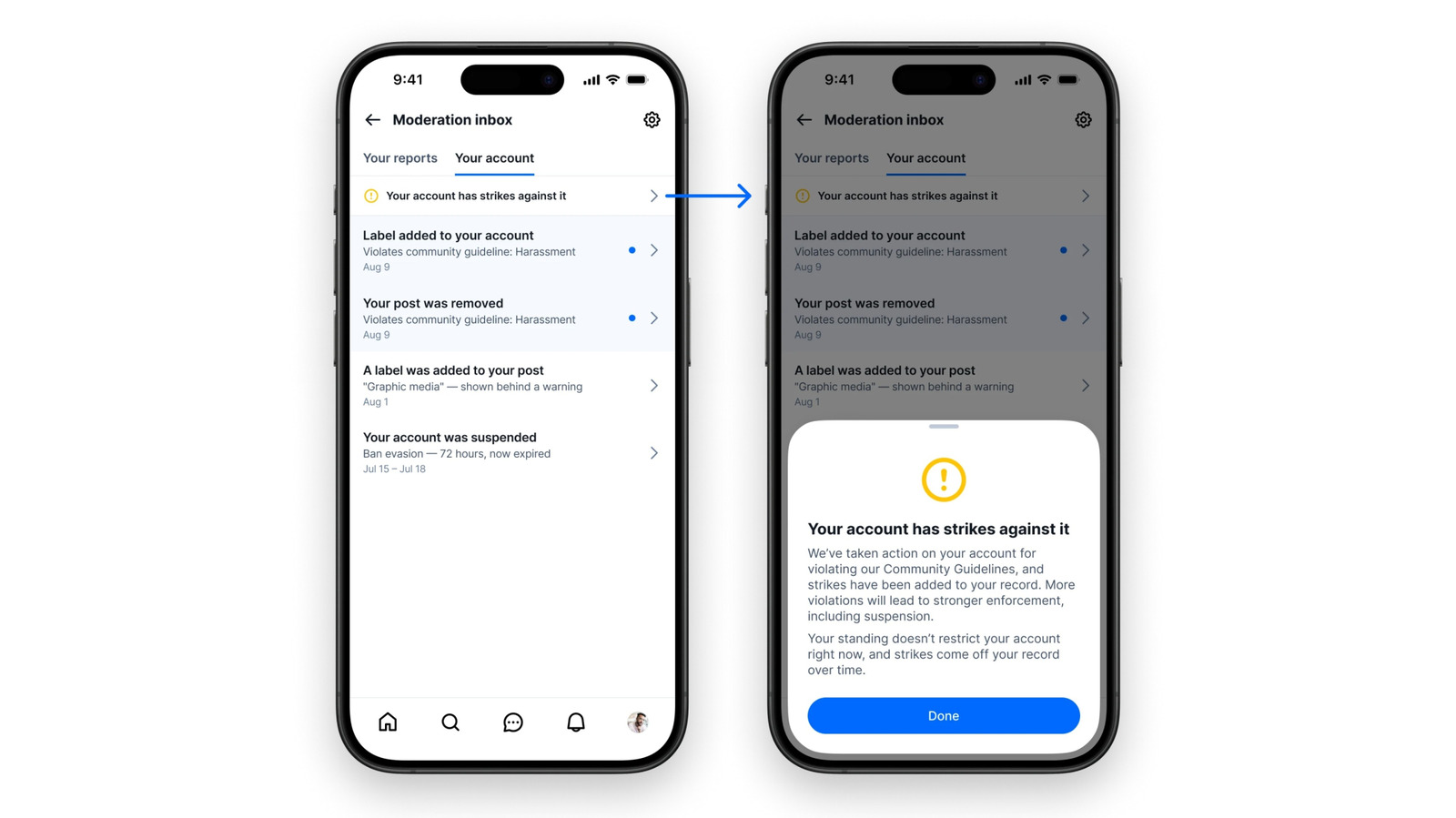
By shifting these communications directly into the app via a dedicated inbox, Bluesky aims to streamline correspondence. The new system allows the platform to notify users instantly and guide them through each step of the moderation lifecycle without overwhelming their personal email accounts. This continuous stream of communication is intended to demystify administrative actions and make the enforcement process feel more transparent and accessible.
While Bluesky has built a strong reputation across the social media landscape for providing robust blocking, muting, and custom feed moderation tools that empower users to curate their own digital environments, the platform’s top-down approach to content moderation has previously faced scrutiny and public criticism.
In August 2025, an investigative report published by The Guardian revealed that Bluesky’s automated spam detection systems had frequently targeted and deactivated the accounts of Palestinian individuals attempting to use the platform to run crowdfunding campaigns for essential supplies. At the time, critics argued that the platform’s automated filters were overly aggressive, effectively treating legitimate human users seeking humanitarian aid like automated bots.
Similarly, the platform faced intense user debate and criticism regarding its handling and moderation of content surrounding complex and sensitive geopolitical and domestic news events, such as online discussions and posts concerning the assassination of Charlie Kirk. Media outlets and digital rights observers scrutinized how content was curated, labeled, or restricted during these high-tension moments. Industry analysts suggest that the implementation of clearer, more direct in-app notices and a streamlined appeals process could have softened some of the friction and backlash the company encountered during those controversies, as users would have had better visibility into why specific actions were taken.
Alongside the debut of the moderation inbox, Bluesky’s latest software update introduces an additional feature aimed at enhancing user engagement. The platform has rolled out an optional widget that users can place directly onto their device home screens. This widget is designed to display real-time trending topics, allowing users to stay informed about active conversations across the network without needing to actively open and browse the application feed.
As the beta testing phase for the moderation inbox progresses, Bluesky plans to evaluate user feedback to refine the interface and functionality before rolling out the tool to the entire user base as a standard platform feature.