


In Avengers: Infinity War, when Doctor Strange (Benedict Cumberbatch) and a variety of other heroes await Thanos’ arrival on Titan, Strange uses the Time Stone to look into alternate futures to see the possible results of the impending conflict. Star-Lord (Chris Pratt) asks Strange how many futures he looked into, and Strange replies, “14,000,605.” Then Iron Man (Robert Downey Jr.) asks how many of those resulted in their victory. Strange, looking deep into Stark’s eyes, says, “One.”
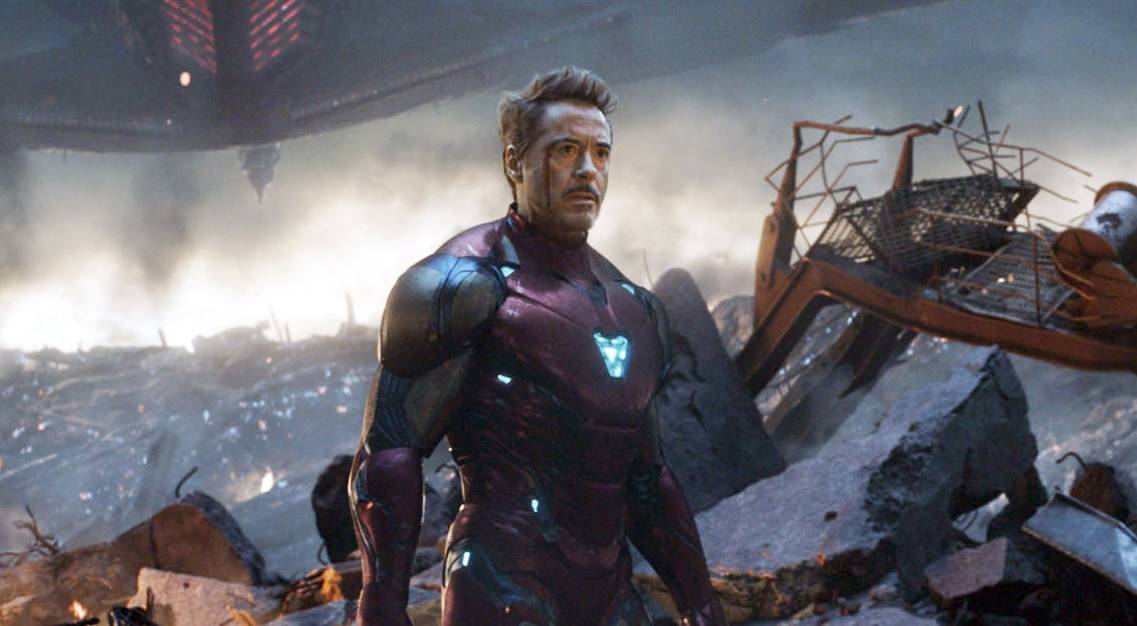
That single scenario involved Strange giving up the Time Stone to Thanos, letting him snap away half of existence, and, ultimately, Iron Man sacrificing himself at the end of Avengers: Endgame to defeat Thanos’ army. And while Tony Stark’s artificial intelligence inside the Iron Man suit, F.R.I.D.A.Y., was present for all of this, that didn’t stop her from double-checking Doctor Strange’s math long after the dust had settled.
VisionQuest Revisits a Key Avengers: Endgame Moment
In the second episode of VisionQuest, Vision (Paul Bettany) is badly injured by the adamantium bullets Paladin (Todd Stashwick) fires at him. J.A.R.V.I.S. (James D’Arcy) sacrifices himself to save Vision by deleting his own code, reverting the power required to run him back to Vision’s internal system. However, by the third episode, it becomes clear that Vision still requires extensive repairs. The remaining artificial intelligences housed within Vision’s mind scramble to help, with F.R.I.D.A.Y. (Orla Brady) taking the lead and E.D.I.T.H. (Emily Hampshire) doing whatever she can to assist the recovery process.
F.R.I.D.A.Y. determines that she has to rewrite some of Vision’s core code, and she laments that J.A.R.V.I.S. was always significantly better at writing code than she was. “I already replaced him once,” F.R.I.D.A.Y. notes, referring to her promotion to lead tactical AI following J.A.R.V.I.S.’s transition into Vision. She then goes on to remind E.D.I.T.H. of the vital and deeply personal role she played for Iron Man after taking over those responsibilities.
“I ran everything for Stark, for the Avengers. I mean, I was a younger program then,” F.R.I.D.A.Y. recalls to her fellow systems. “I was good. I protected heroes, saved lives, advised. I had purpose, but friends became enemies, and tyrants invaded our Earth. I was there at the end of all things. There were heroes everywhere, fighting and falling.”
Finally, she reveals the heavy emotional toll of her operational history: “I was there when Tony died. I ran over a quintillion strategic calculations that day, and I still couldn’t save him. Half the world came back that day, and I lost half of mine.”

F.R.I.D.A.Y. Tried a Quintillion Ways to Save Tony Stark
This dialogue brings to light significant new context regarding Tony Stark’s tragic death in Avengers: Endgame. In the theatrical cut of the film, after Tony executes the final snap using the makeshift Nano Gauntlet, it is immediately apparent that the cosmic energy radiating from the Infinity Stones has placed him at death’s door. Lieutenant Colonel James "Rhodey" Rhodes (Don Cheadle) arrives at his side first, offering a heartbreaking goodbye, followed closely by Peter Parker (Tom Holland). Then Pepper Potts (Gwyneth Paltrow) rushes over and calls out, “F.R.I.D.A.Y.?” The AI responds with clinical precision, stating, “Life functions critical,” thereby confirming what Pepper and Tony both already understood: the armored hero was about to die.
What audiences did not know until now was that, throughout the duration of that catastrophic final battle and its immediate aftermath, F.R.I.D.A.Y. was quietly running a quintillion different tactical scenarios behind the scenes, desperately searching for any mathematical loophole or alternative outcome that might save her creator, all of which ultimately came up hopeless.
When Iron Man turned to Doctor Strange in that iconic final Endgame battle to ask, silently and without words, “Is this the one future you spoke of?”, Strange confirmed his suspicion by holding up a single finger. Strange knew with absolute certainty that Tony had to sacrifice his life to ensure victory, and Tony understood this burden as well. And if Tony knew, then F.R.I.D.A.Y., operating as an extension of his armor and tactical awareness, inherently understood it too. This raises a natural question for viewers: why did F.R.I.D.A.Y. bother running a quintillion calculations if the outcome was already mathematically sealed by fate?
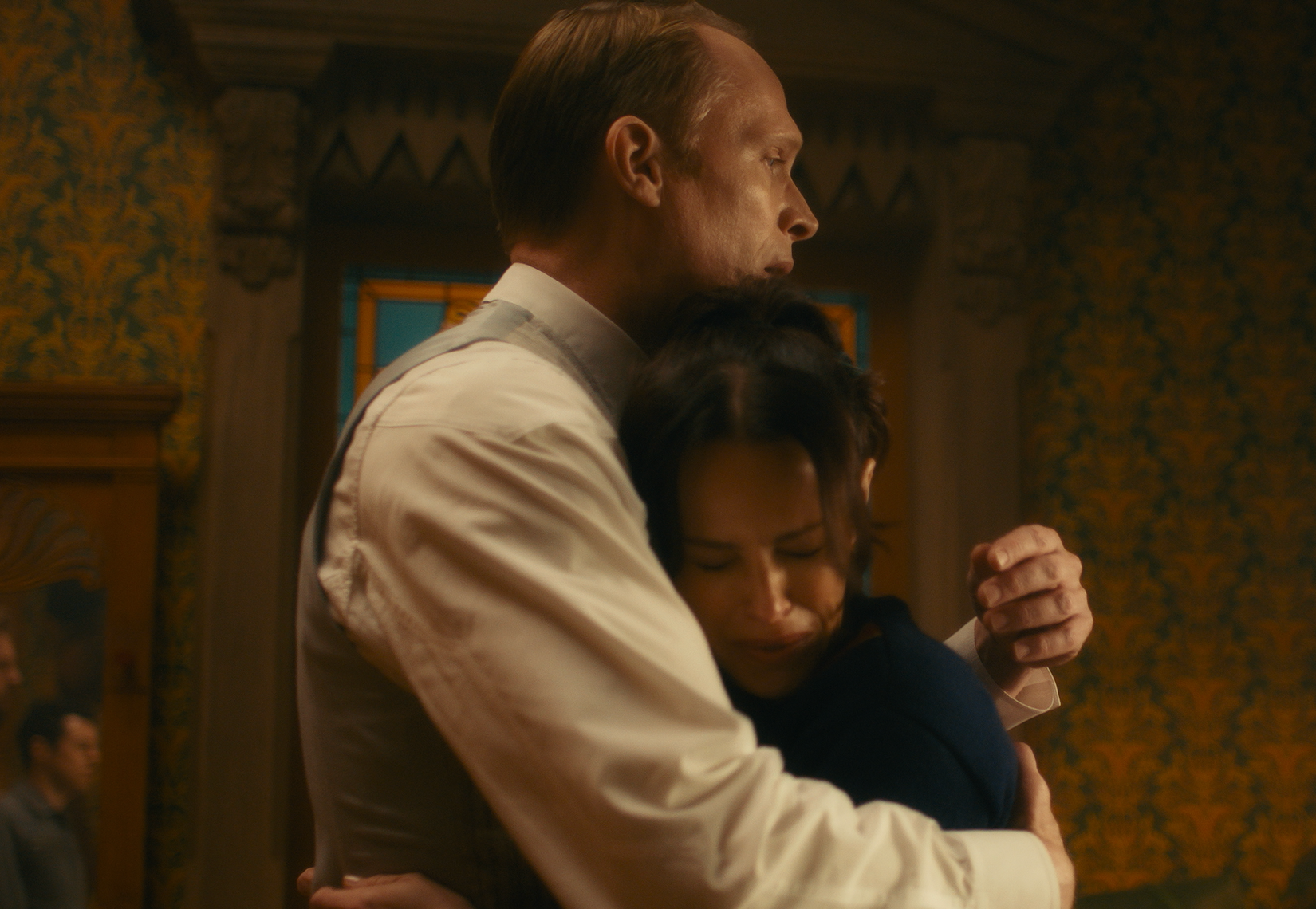
Naturally, she was performing the baseline duties she was programmed to fulfill—constantly monitoring Tony’s physiological well-being while he operated inside the Iron Man suit and, whenever a critical system failure occurred, finding a functional solution. But this narrative revelation also delves deeply into the broader thematic territory that VisionQuest is currently exploring. The series consistently examines the nature of these synthetic life forms and their evolving capacity to feel genuine grief and empathy alongside their cold, analytical thinking.
F.R.I.D.A.Y. may ultimately be a software program, but within the narrative framework of the Marvel Cinematic Universe, she has also functioned as a dedicated hero who supported Tony and the wider roster of Avengers through numerous near-death experiences. When Tony drew his final breath, she felt the emotional impact just as deeply as Rhodey, Peter, and Pepper did. Even without possessing an organic human body, she remained one of the individuals closest to Tony Stark until the very end.