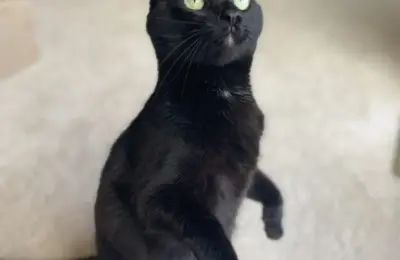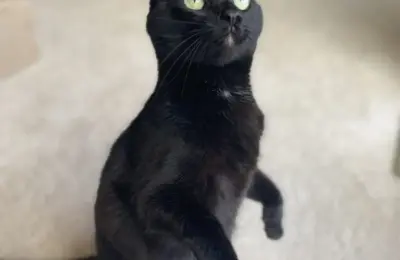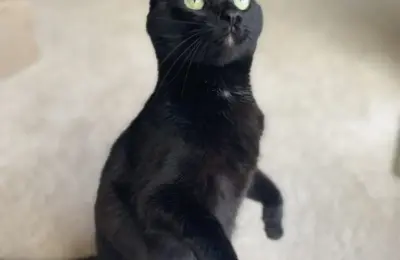


Modern advancements in veterinary medicine, paired with an increased understanding of specialized feline nutrition, have brought about a transformative era for domestic pets: domestic cats are living substantially longer and healthier lives than in generations past. It is no longer uncommon for felines to reach their late teens, and some even survive well into their twenties, including documented domestic cases reaching up to 24 years of age.
Yet, this unprecedented longevity introduces distinct challenges for pet guardians. Because many cats maintain an alert, youthful demeanor well into their later years, owners often fail to recognize when their companion has officially transitioned into life as a senior citizen. Conversely, when an aging cat does begin to display significant behavioral changes—such as chronic inactivity, social withdrawal, apparent apathy, and a diminished interest in activities that once brought pleasure—families frequently dismiss these shifts as the unavoidable hallmarks of growing old.
Veterinary and behavioral specialists warn that this assumption is often incorrect. In many instances, an older cat exhibiting lethargy or isolation is not simply winding down due to advanced age; rather, the animal may be enduring unaddressed physical pain or chronic discomfort. With timely veterinary intervention, appropriate therapeutic care, and strategic modifications to the household environment, many of these issues can be alleviated, dramatically restoring quality of life to an aging pet.
A fundamental pillar of caring for older felines is routine medical evaluation. Pet owners frequently lapse in scheduling annual clinic visits, often deterred by the logistical stress of crating and transporting an older cat. However, health professionals emphasize that regular examinations are more critical during the senior stage than at any other period in a feline’s life. Routine checkups enable clinicians to detect underlying medical conditions early, significantly improving the efficacy of treatment plans and preventing unnecessary discomfort. For mature felines, veterinary guidance strongly recommends increasing checkups to twice yearly, ensuring that health, comfort, and physical ease remain the highest household priorities.

Beyond baseline medical diagnostics, feline welfare advocates emphasize that a cat’s advanced years represent a unique and meaningful life phase—one where animals should be supported to comfortably enjoy their senior status and the long-standing bonds formed with their human families. Happiness and physical comfort should remain continuous elements of daily existence regardless of age. To achieve this, animal care specialists point to several critical, yet routinely overlooked, components of senior feline management: proactive mental stimulation, adapted physical exercise, and tailored environmental changes.
Supporting Mental Stimulation and Cognitive Health
One of the most frequently neglected dimensions of geriatric cat care is cognitive preservation. Just as in humans, engaging the brain in purposeful, problem-solving activities helps slow mental decline and promotes ongoing neurological health.
Even as cats age, their innate predatory instincts endure. Interactive play sessions, deliberately structured to allow an older cat to exercise stealth, observation, and focused attention, provide essential mental exercise. For a feline, hunting is primarily an intellectual calculation rather than merely a physical sprint.
Indoor enrichment strategies, such as hiding food items for sensory treasure hunts or introducing puzzle feeders, serve as effective vehicles for mental engagement. Puzzle feeders, which require an animal to manipulate an object or solve a tactile problem to access kibble or treats, encourage the natural instinct to work for food. These tools exist in varying levels of complexity. Animal behavior specialists advise owners to begin with the simplest models, ensuring the activity remains an enjoyable, rewarding exercise that consistently ends in success, rather than causing confusion or frustration.

Cognitive engagement can also take the form of gentle training routines. Basic clicker training, implemented in brief and strictly positive sessions, can challenge an aging cat’s mind without placing undue physical strain on its body. Tasks need not be elaborate; simple requests such as teaching an animal to touch its nose to a target or offering a gentle paw touch can offer significant enrichment. Because every cat experiences aging differently, activities must always be calibrated to the specific mental capacity and physical limitations of the individual animal.
Maintaining Gentle Physical Mobility
Closely aligned with mental stimulation is the maintenance of physical mobility. Keeping older joints moving through gentle, sustained exercise is a primary defense against the stiffness and muscle loss associated with aging.
While senior cats should not be expected to perform the acrobatic leaps, high-speed sprints, or mid-air flips characteristic of their youth, they still benefit substantially from low-impact exercise. Even slow, methodical movements provide essential therapeutic value for joint lubrication and muscle tone. The guiding principle for owners is that movement itself matters, regardless of its speed or intensity.
Accommodating a senior cat’s physical state often requires reimagining interactive play. Aging felines frequently lose interest in airborne targets, such as feather wands designed to mimic flying birds, as jumping becomes uncomfortable or impossible. In response, caretakers should shift focus toward ground-based playthings that simulate the low, creeping movements of mice, insects, or snakes. These items can be gently dragged across rugs or around corners, sparking predatory interest while allowing the cat to remain grounded. Guardians should avoid exhausting the animal, aiming instead for multiple short, enjoyable sessions throughout the day.

Adapting the Household Environment
Perhaps the most practical way to support an aging cat is through thoughtful modifications to the living environment. As flexibility, eyesight, and joint stability decline, an unchanged home layout can present significant hurdles, transforming daily routines into painful or hazardous tasks.
Access to elevated spaces represents a primary concern. Cats inherently derive security and stimulation from high vantage points, particularly perches that overlook outdoor wildlife. When physical limitations prevent an animal from jumping onto a favorite windowsill or resting spot, adding pet ramps or steps restores autonomy and emotional comfort. Similarly, minor dining adjustments, such as switching standard food and water dishes for raised, ergonomic bowls, can substantially reduce unnecessary neck and spine strain during meals.
Litter box logistics also require careful reassessment. Older cats may develop reduced bladder capacity or decreased mobility, making a single, distant litter tray difficult to reach in time. Increasing the number of boxes throughout the home and distributing them across multiple accessible locations reduces house-soiling accidents driven by physical urgency. Furthermore, traditional high-sided boxes can prove insurmountable for cats with arthritis. Caretakers should replace these with low-profile trays or specialized boxes that feature a low entry threshold on one end, allowing seamless entry and exit.
Grooming and territory marking needs shift as well. Stretching along a vertical surface can become painful for aging shoulders and backs. To ensure felines can maintain their claws and experience satisfying stretches, households should increase the presence of scratching surfaces, incorporating flat, horizontal cardboard or carpeted scratch pads alongside traditional vertical posts.

Sensory decline introduces additional environmental hazards. For felines experiencing diminished night vision, installing motion-activated nightlights along common pathways, corridors, and near feeding and elimination stations can prevent disorientation. In cases of complete vision loss, household consistency is paramount; furniture must remain in fixed locations so the animal can build and navigate a reliable mental map of the interior. Family members must also be mindful to keep clutter and unexpected objects off floors. To prevent traumatic falls, tactile markers—such as distinctively textured runner mats—can be laid down to alert an impaired cat of an approaching staircase, while safety gates can be installed to physically restrict access to dangerous drops.
Embracing a Delicate and Rewarding Life Stage
The journey of caring for an aging feline encompasses numerous shifting responsibilities, from administering prescribed medications and formulating age-appropriate diets to assisting with daily grooming tasks and hygiene upkeep. Reduced thermoregulation also means that older cats struggle to maintain body temperature, necessitating extra warmth during winter months and adequate cooling measures during summer heatwaves.
While the routine demands of veterinary appointments and physical accommodations require vigilance and patience, the senior phase of a cat’s life presents a unique opportunity to deepen the human-animal bond. By addressing the subtle nuances of cognitive enrichment, gentle physical exercise, and targeted home modifications, owners can ensure that their feline companions navigate their golden years with dignity, comfort, and enduring happiness.