


Published October 1, 2026, by Elena Waldman
For decades, the global fur trade has faced intense public scrutiny, consumer backlash, and widespread condemnation for its treatment of animals, becoming deeply synonymous with cruelty in the fashion world. Now, a foundational pillar of the textile industry is facing that exact same moral reckoning. A newly released survey conducted by The Harris Poll on behalf of People for the Ethical Treatment of Animals (PETA) reveals that public perception of the wool industry is shifting dramatically, with a vast majority of consumers drawing a direct ethical parallel between traditional fur and everyday wool garments.
According to the nationwide survey, 71% of U.S. adults agree that, from an animal-welfare perspective, raising and slaughtering animals for wool is just as cruel as raising and slaughtering animals for fur. This profound attitudinal shift comes on the heels of high-profile activism, most notably a headline-making protest by PETA advocates during the COS runway show at New York Fashion Week (NYFW). The findings suggest that consumers are increasingly looking past industry marketing and recognizing that sheep endure significant suffering for the sake of fashion.
What Happens to Sheep in the Wool Industry?
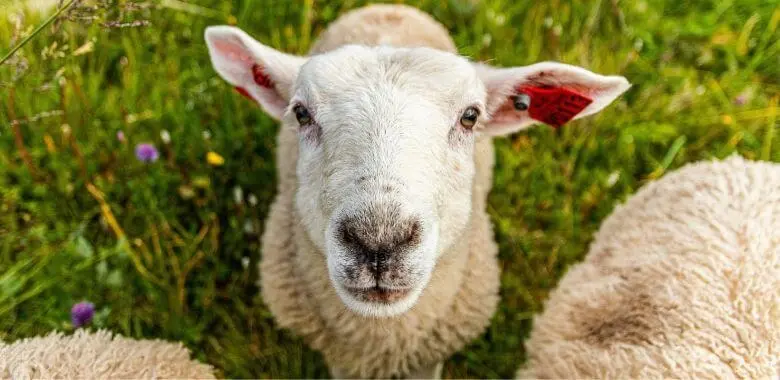
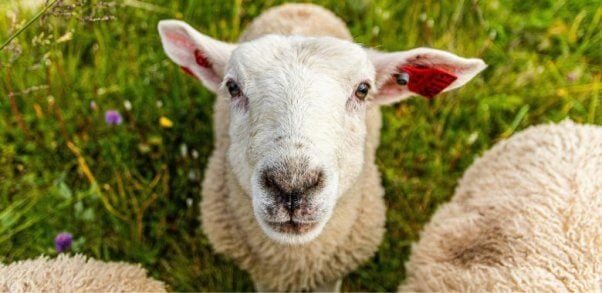
To understand why public sentiment is shifting, industry watchers point to the stark contrast between how sheep are portrayed in popular culture and how they are treated within commercial agricultural operations. Biological and behavioral research highlights that sheep are gentle, social individuals who form deep, lasting bonds with one another. They actively seek out friends, look out for their companions, and display distinct, complex personalities. Some sheep are bold and curious, while others are more cautious and reserved.
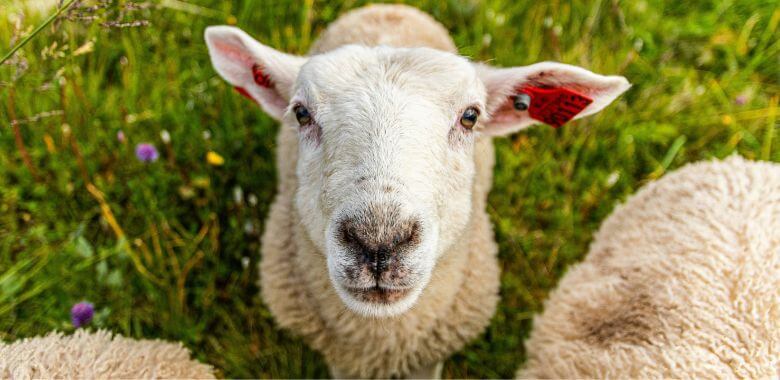
Despite these emotional and cognitive capacities, the commercial wool industry largely treats sheep as little more than wool-producing machines, where volume and profitability dictate their treatment. Investigative reporting has repeatedly pulled back the curtain on these practices. Most recently, PETA Asia documented appalling conditions at a NATIVA-certified wool operation. Workers at the facility were captured on film kicking and stomping on sheep, dragging young lambs by their legs, and leaving adult sheep with gaping, untreated wounds following the shearing process. Compounding the controversy, that specific farm sold its wool through a contracted supplier directly connected to the H&M Group, the parent company of fashion brand COS.
Industry watchdogs emphasize that this was far from an isolated incident or a few bad actors within a generally humane system. PETA entities have documented systemic cruelty, neglect, and abuse at more than 150 wool-industry operations spanning multiple continents across the globe. Investigators have repeatedly exposed workers beating, kicking, and striking sheep, cutting their skin open with careless shearing equipment, and ultimately sending them off to slaughterhouses when their fleece production drops and they are no longer deemed financially profitable by farm operators.
PETA Takes the Message to New York Fashion Week
Activism has played a central role in bringing these hidden industry practices into the public eye. On September 13, PETA took its message directly to the center of the global fashion elite by disrupting the COS runway show during New York Fashion Week. Advocates unfurled banners and called attention to the widespread suffering of sheep in the wool supply chain, while directly urging H&M Group to pull wool from its collections and transition to ethical, animal-free alternatives.
The demonstration quickly escalated beyond a peaceful disruption. As protesters spoke out against the retailer, a fashion executive physically intervened, forcefully grabbing and restraining the demonstrators. Video footage of the tense confrontation spread rapidly across social media platforms and mainstream news outlets, drawing intense international attention to the runway protest and the underlying animal welfare issues it sought to highlight.
The resulting publicity proved to be a powerful catalyst for consumer awareness. According to the data compiled by The Harris Poll, among Americans who had heard about PETA’s New York Fashion Week protest, a striking 81% stated that the demonstration significantly increased their awareness of concerns regarding sheep welfare in the wool industry. For 40% of those surveyed, the protest marked the very first time they had ever heard about the ethical issues surrounding wool production. Another 41% indicated that while they were already somewhat familiar with the topic, the protest deepened their understanding and prompted them to learn more.
Consumers Are Rethinking Wool
The growing awareness of what sheep endure during commercial shearing and farming is demonstrably influencing consumer purchasing habits and shifting how people evaluate the ethics of their wardrobes. Following the disclosures and the ensuing visibility generated by the New York Fashion Week protest, 42% of Americans surveyed stated they were now less likely to purchase wool products in the future.
At the same time, the demand for sustainable, ethical alternatives appears to be surging. Fully 56% of respondents indicated that they are now more interested in exploring and purchasing animal-free or vegan fashion options. These shifting consumer preferences suggest that apparel retailers ignoring the ethical implications of their material sourcing do so at their own commercial peril. In fact, the survey found that 45% of consumers would view a retail brand more positively if it made the conscious decision to stop selling wool altogether.
As advocacy groups continue to pressure major international fashion conglomerates, the message being delivered to consumers is clear: every wool sweater, coat, scarf, and pair of socks originates from an animal whose fleece belongs to them. Animal welfare organizations are urging shoppers to reject wool entirely, opt for modern natural and synthetic vegan fabrics, and hold corporations accountable by demanding that major brands like H&M Group leave sheep out of their clothing lines once and for all.