



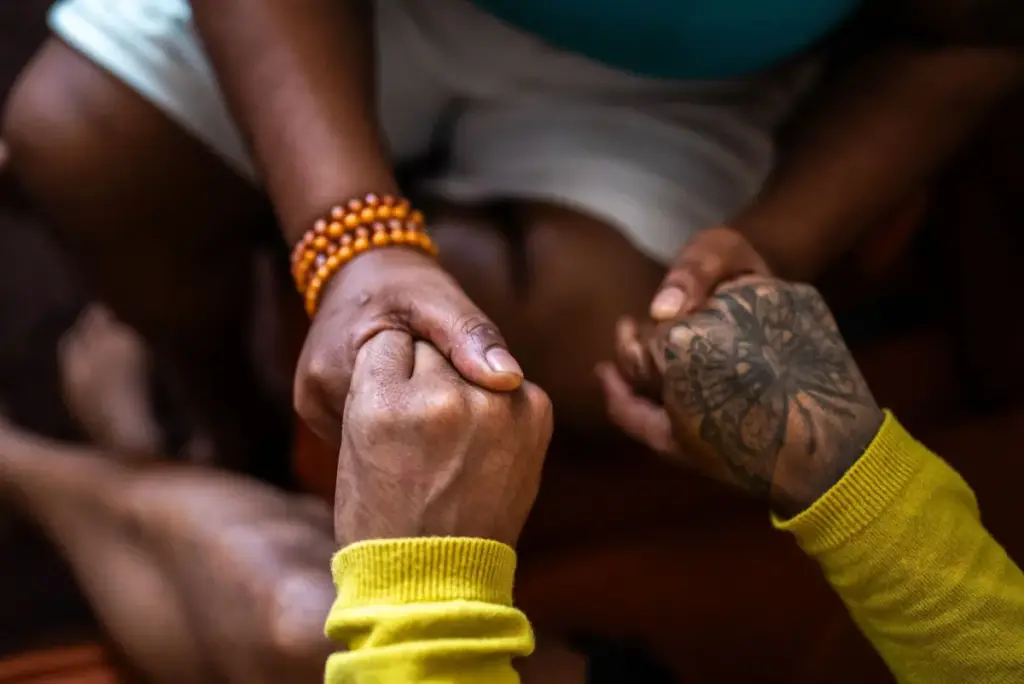
When examining the landscape of breast health for Black women, statistical data rarely offers a hopeful perspective. Medical figures consistently show that Black women are diagnosed with breast cancer at a younger median age—typically 60, compared to 62 for white women—and face a mortality rate that is 38% higher than their white peers. Furthermore, they experience the lowest survival rate across every known stage of the disease, and approximately one in five Black women diagnosed with breast cancer encounter triple-negative breast cancer (TNBC), an aggressive and hard-to-treat form of the illness that disproportionately affects women of color more than any other racial or ethnic demographic.
Yet, these metrics fail to capture the profound human reality of the diagnosis: the middle-of-the-night phone calls, the impromptu head-shaving gatherings, the emotionally trying therapy sessions, and the defining moments when a mother looks at her children or grandchildren and decides they are worth every ounce of the upcoming fight. Black women have always been far more than a data point, a truth most vividly illustrated in the ways they confront, endure, and ultimately rebuild their lives following a breast cancer diagnosis.
Thirteen Black women have stepped forward to share their personal experiences, refusing to be reduced to mere statistics. As individuals with diverse careers, families, humor, faith, and resilience, their encounters with breast cancer have transformed them in ways both devastating and profound. By forging their own paths through grueling treatment regimens and life after recovery, they have built a vital support system encompassing community, purpose, and a hard-won blueprint for survival that they now pass on to every woman who follows them.

"I put my boxing gloves on and fought with everything I had."
Monique Bass, 53, had always maintained a proactive stance regarding her health. As a single mother of twin sons and a grandmother of four, she began scheduling annual mammograms at the age of 40. However, it was a routine self-examination performed while lying in bed at age 47 that altered the trajectory of her life, revealing a suspicious lump.
Over the next three years, Bass underwent three tissue biopsies of the lump, each returning benign results. While medical professionals recommended continued monitoring, Bass pushed back against the watchful waiting approach. Recognizing that the lump was growing and trusting her intimate knowledge of her own body, she insisted on a lumpectomy and subsequent laboratory testing. The diagnosis confirmed stage 1 invasive ductal carcinoma, requiring immediate and aggressive chemotherapy.
Bass received the news while sitting inside a car wash during the height of the COVID-19 pandemic in 2020, compounding her isolation while she simultaneously navigated a divorce. Her treatment regimen included multiple rounds of doxorubicin and paclitaxel, followed by 21 radiation sessions. The loss of her hair proved to be the most emotionally challenging aspect, though she notes it eventually grew back thicker and healthier.
Grounded by her faith, Bass ultimately founded "What’s Behind the Bra?", a New Jersey-based nonprofit organization that distributes comfort care packages to breast cancer patients year-round and hosts a weekly informational podcast.

"I surrounded myself with love and laughter."
Jaqueline Beale, 64, navigated a familiar medical landscape given her family’s extensive history with cancer, which included her mother’s battle with the disease. Consequently, discovering a lump during a self-exam at age 40 did not come as a complete shock. Although initial sonograms and mammograms appeared clear, Beale trusted her instincts and pursued a biopsy.
When the radiologist delivered the stage 1 diagnosis while attempting to hail a taxi in New York City, Beale leaned into her sense of humor to process the blunt news. Throughout her treatment, she deliberately surrounded herself with levity and joy, requesting that her family support her with humor and laughter during her toughest physical moments, transforming a harrowing experience into one shared with warmth and light.
"What once felt like the end became the beginning of something greater."
Annita White, 51, found herself five months overdue for her scheduled mammogram, distracted by her demanding roles as a single mother of two, a higher education administrator, and a doctoral student. When she finally completed the screening, a new mass was detected. The physical sensation during a subsequent technician visit confirmed her fears before the official diagnosis arrived the following day.
The subsequent months involved grueling chemotherapy, bilateral surgery, and the loss of her hair, leaving her feeling deeply vulnerable and stripped of bodily autonomy. Yet, her burgeoning spiritual faith carried her through the darkest moments. Three years later, White is cancer-free, has completed her doctoral degree, and advocates for others as Dr. Nita through the African American Breast Cancer Alliance survivor network.

"The clouds are moving. The sun has decided to show itself."
Marylande Regis, 38, was a registered nurse, realtor, wife, and mother of three who discovered a lump shortly after nursing her nine-month-old infant. Despite an initial dismissal from an on-call provider who attributed the mass to a clogged milk duct due to her young age, Regis advocated for herself, securing an appointment that yielded a diagnosis of aggressive stage 2B, BRCA1-positive breast cancer at age 36.
Her intensive treatment plan spanned roughly 18 months, encompassing chemotherapy, a bilateral mastectomy, radiation, a total hysterectomy, and reconstructive procedures. Supported by her dedicated husband and her mother, who relocated to assist with family care, Regis channeled her experience into daily strength, finding renewed purpose in witnessing her children reach important life milestones.
"Sickness had never been my world."
Judy Fambrough-Billingsley, 75, had lived an exceptionally active life marked by daily walks, swimming, Zumba, and soccer, entirely untouched by serious illness. When she detected multiple lumps after receiving a clean mammogram earlier in the year, the resulting diagnosis introduced her to the unfamiliar world of medical procedures and prescriptions.
Drawing on her formative experiences growing up as the daughter of a prominent Black entrepreneur during the Civil Rights Era—alongside her historical involvement with the NAACP and the Student Nonviolent Coordinating Committee—Fambrough-Billingsley approached her breast cancer treatment with the tenacity of a lifelong community organizer accustomed to fighting within resistant systems.

"I was so used to always being the strong one."
Taylor Johnson was approaching 30 when she discovered a lump on her left breast. After an initial denial of a mammogram due to her age, she insisted on a biopsy, which confirmed a diagnosis of stage 2 triple-negative breast cancer.
Navigating six months of chemotherapy, subsequent surgery, and radiation, Johnson balanced her own physical toll with the emotional responsibility of remaining stable for her five-year-old daughter. Supported by weekly prayer calls, family visits, and her medical team at the Mayo Clinic in Arizona, Johnson discovered a deeper resilience that redefined her understanding of personal strength.
"I wanted to feel supported through it, not just survive it."
Jessica Ncube, 41, spent her career as a licensed clinical social worker and mental health practice co-owner caring for others, frequently neglecting her own emotional receptivity. A routine mammogram detected cancer before any physical symptoms manifested, initiating a medical journey that eventually led to a double mastectomy.
Confronting the emotional complexity of losing a part of her body while simultaneously practicing gratitude, Ncube learned to unlearn the ingrained expectation of stoicism often placed upon Black women, embracing vulnerability and softness as vital components of true resilience.

"Cancer doesn’t define you. You define you."
Ameiko Newman, 40, received her diagnosis unexpectedly following a hospital visit for severe abdominal pain. While undergoing continuous chemotherapy and immunotherapy, Newman channeled her experience into advocacy by founding a business designing stylish chemo scarves tailored particularly for Black women experiencing hair loss.
Maintaining her routine through faith, family, and daily exercise, Newman champions the philosophy that personal identity remains entirely separate from illness, encouraging newly diagnosed women to support others even amidst their own personal battles.
"I shifted to being overly optimistic."
Charlotte Connor, 38, discovered a lump following a breast augmentation at age 30. Despite initial medical reassurance regarding her youth, the lump tripled in size over the course of a year, leading to a diagnosis of stage 2A ductal carcinoma.
Choosing to adopt an unusual mindset of deliberate optimism rather than pessimism, Connor focused her mental energy on post-treatment recovery for the sake of her young daughter, utilizing humor and head-shaving celebrations with loved ones to navigate the darkest phases of chemotherapy.

"We have been through challenges our whole lives. This is just one more."
Donna Culmer discovered a stage 1 cancer on her left side in 1999 following a follow-up screening prompted by a fibrocystic lump. Serving in the Navy as an instructor while raising three children at age 46, Culmer underwent intensive chemotherapy and a mastectomy, supported by her family and church community.
Now 73, Culmer reflects on her journey with a practical perspective shaped by a lifetime of overcoming systemic and personal challenges, advising newly diagnosed patients to remain calm, ask targeted questions, and utilize modern advancements in medical treatment.
"Therapy fortified me to get through cancer."
Patricia Fox was 26 when she woke up with a lump in her right breast. Despite initial medical dismissal attributing the mass to dense tissue and cysts common in young Black women, Fox advocated for a biopsy, which revealed estrogen receptor-positive stage 2A breast cancer.
Facing intense emotional distress during treatment, Fox turned to professional therapy to process her diagnosis and address underlying behavioral patterns. Recognizing the cultural stigma surrounding mental healthcare in the Black community, she has since made it her mission to encourage others to seek support without shame or silence.

"I turned to prayer to remain calm."
Annette Colden, 63, was inspired to maintain regular mammogram screenings following the passing of her sister from breast cancer. After an initial misdiagnosis regarding lumpy breast tissue, a subsequent screening at age 42 revealed stage 0 breast cancer.
Relying on a deep spiritual faith to maintain peace throughout her recovery, Colden dedicated herself to peer support work through the Roswell Park Comprehensive Cancer Center, assisting fellow patients through late-night consultations and practical aid in honor of her late sister’s legacy.
"I quit my life and started a new one as an advocate."
Ricki Fairley, 69, received a stage 3A triple-negative breast cancer diagnosis while passing through airport security for a work trip. Confronted with the aggressive nature of TNBC and the elevated risk faced by Black women, Fairley fundamentally restructured her life, leaving her career, marriage, and home to prioritize her peace and health.
After subsequently beating a recurrence of metastatic breast cancer, Fairley channeled her survival into systemic change by cofounding The Black Breast Cancer Alliance, an organization dedicated to addressing and reducing the stark mortality disparities impacting Black women diagnosed with the disease.