




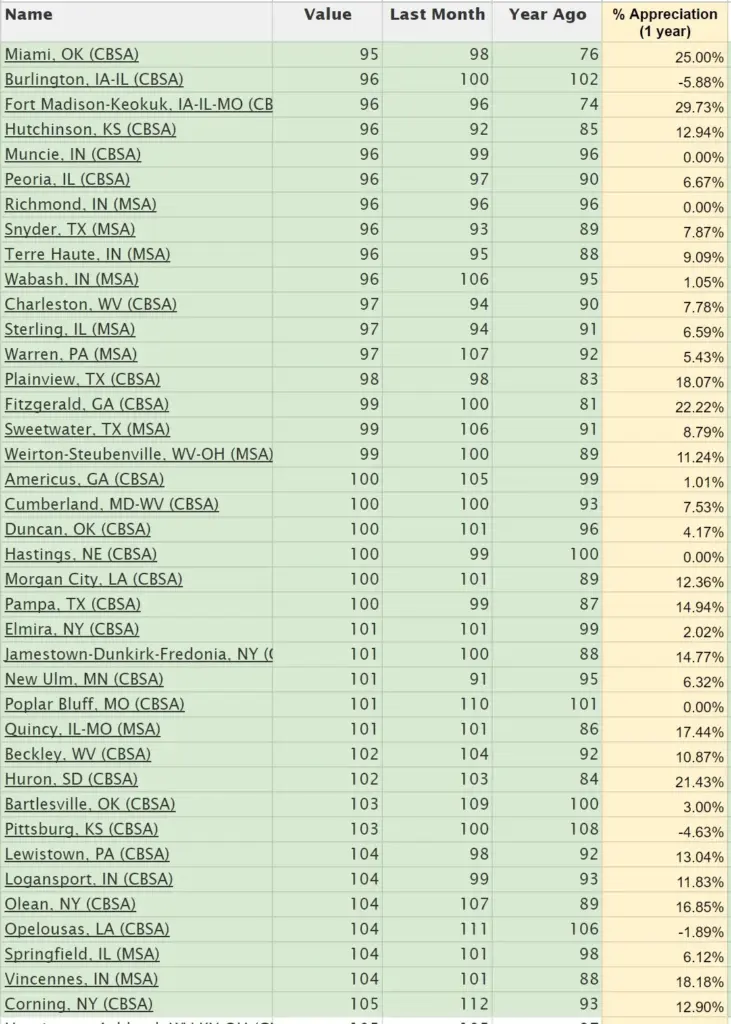
The core tenets of the Financial Independence, Retire Early (FIRE) movement have long faced skepticism, but recent economic shifts have amplified questions about whether the strategy remains viable for younger generations. A recent comment left on financial independence platforms has reignited a broader debate regarding whether classic advice—such as house-hacking, buying fixer-uppers, or capitalizing on high tech-sector salaries from decades past—still holds water in a post-pandemic economy defined by soaring home prices and elevated interest rates.
The reader critique argued that contemporary aspiring savers are largely priced out of the traditional playbook. Pointing to restrictive local zoning laws that prohibit accessory dwelling units, inflated property values, and the absence of six-figure tech salaries for the average worker, the commenter suggested that the established framework feels increasingly disconnected from the financial realities of modern life.
Rather than dismissing the critique, financial commentators have begun evaluating which foundational principles of the movement are genuinely becoming obsolete versus those hindered by traditional excuses. Throughout the evolution of early retirement strategies, critics have repeatedly declared the movement dead during various economic downturns, yet the underlying math of saving and spending has consistently proven adaptable.

Analyzing the Core Pressures: Income vs. Waste
Current financial debates typically center on two primary pressures: the disparity in professional earnings and the dramatic inflation of housing costs over the past four years. While high-earning professions continue to command substantial compensation, ever-increasing income has never been the central focus of sustainable wealth-building strategies.
Empirical observations across decades show that individuals can rapidly exhaust virtually any amount of earnings without accumulating meaningful assets. The existence of high-income professionals—such as software engineers and medical practitioners—who experience financial stress in their later working years serves as a mathematical proof that earnings must be paired with controlled consumption. Accumulating substantial wealth over a multi-decade career requires aligning outlays with actual utility rather than lifestyle inflation.
Consequently, modern financial optimization prioritizes streamlining expenditures and eliminating waste while maintaining or enhancing the quality of daily life. These efficiency skills remain critical regardless of income tier, providing a safety net for average earners while accelerating wealth accumulation for those higher on the pay scale.
The Housing Market Reality and Inflation-Adjusted Data
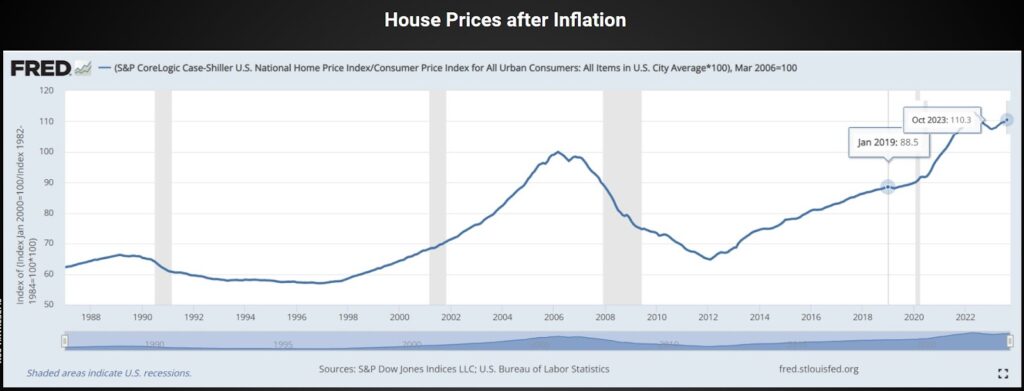
The more pressing concern for contemporary savers centers on residential real estate. Data from federal economic research institutions, including the St. Louis Fed, offers a clearer picture of how home prices have shifted when adjusted for inflation.
Nationwide inflation-adjusted housing data indicates that homes feel roughly twenty-five percent more expensive relative to average wages and general consumer goods compared to early 2019 levels. Interestingly, when viewed against historical peaks from the housing bubble in early 2006, prices have experienced a more modest overall appreciation over an eighteen-year horizon. While housing affordability remains a significant hurdle, broad economic indicators suggest it is a systemic challenge rather than an absolute barrier to financial independence.
However, national averages frequently mask acute regional disparities. In high-demand metropolitan areas and popular secondary cities, property values have surged far beyond general wage growth, pushing housing out of reach for median-income earners in those specific locales.
Rethinking Geographic Constraints and Housing Strategies
Addressing modern housing affordability often requires challenging deeply ingrained cultural assumptions about geographic permanence. Traditional societal norms frequently train individuals to view their birthplace or current place of residence as the only viable location for their lives, ignoring the economic realities of supply and demand.
Residential real estate functions similarly to other manufactured goods, subject to regional market forces. Just as living in proximity to major technology campuses does not entitle a resident to luxury consumer electronics, being born in a high-cost-of-living municipality does not guarantee the ability to purchase property there.
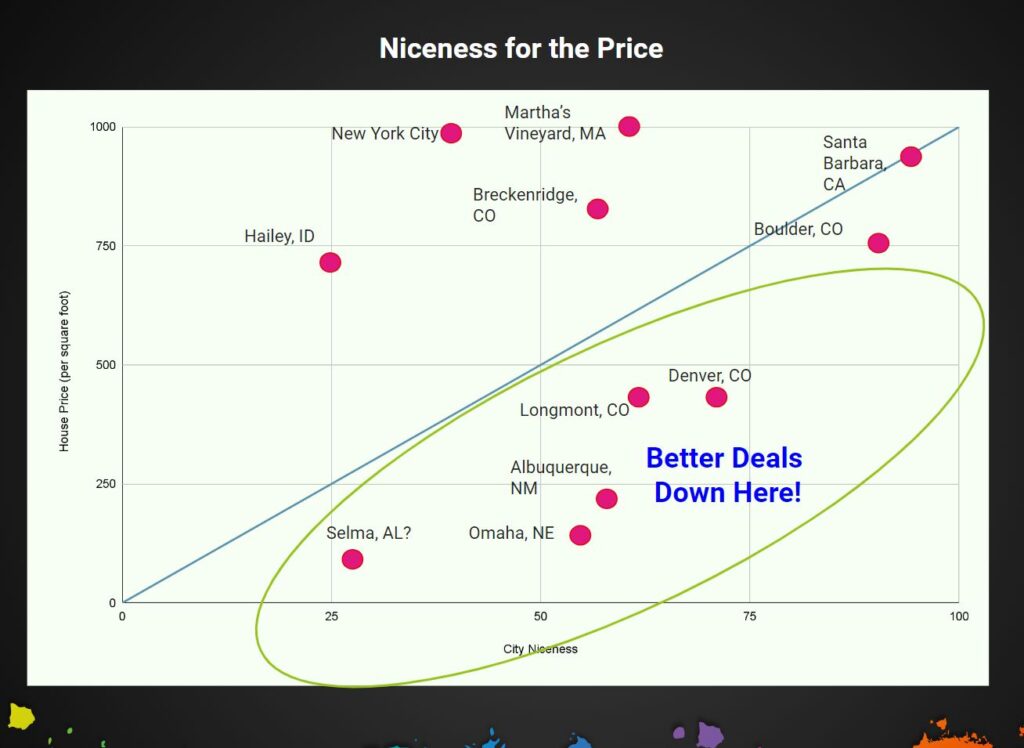
Economic evaluations of metropolitan housing data reveal vast disparities in cost per square foot across different regions. While certain coastal and mountain regions command premium valuations, numerous mid-sized metro areas across the country offer robust economic opportunities, favorable climates, and community amenities at a fraction of the cost. Urban centers across the Midwest and South frequently present housing costs centered around significantly lower price points per square foot compared to high-priced mountain or coastal enclaves.
Expanding the Search for Affordable Living
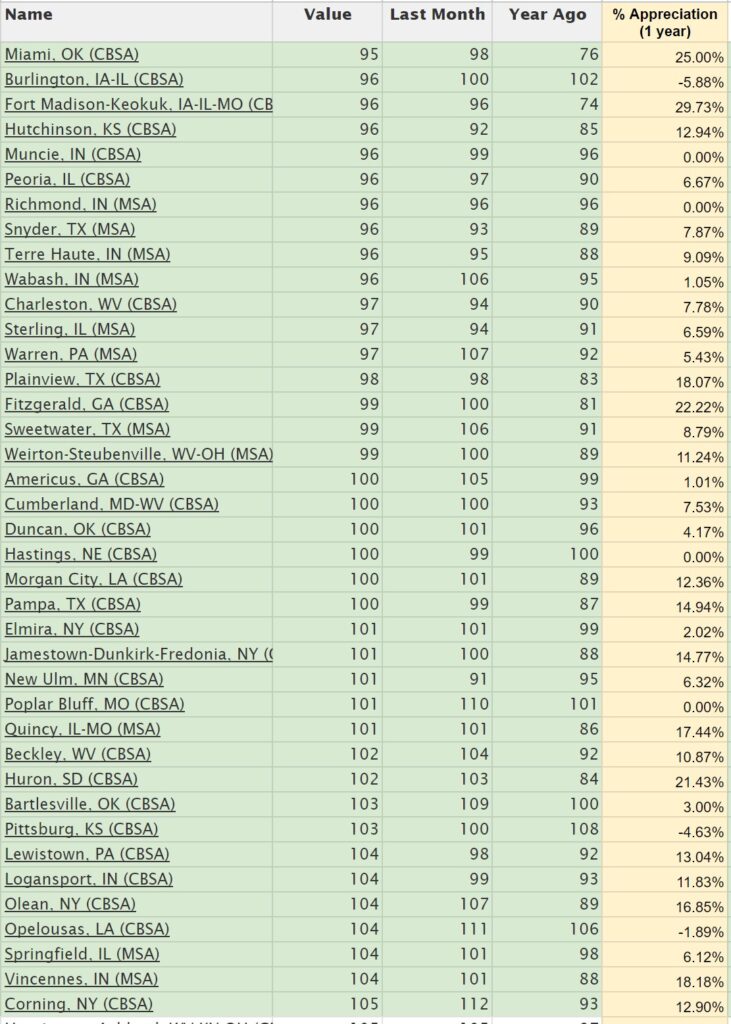
To evaluate these options objectively, digital tools created by financial independence researchers allow prospective movers to filter cities globally based on specific parameters, including climate preferences, population size, and overall monthly living budgets. These platforms highlight mid-sized cities that combine cultural amenities with manageable housing expenses, offering alternatives for individuals unwilling or unable to pay premium prices in overcrowded regions.
Evaluating international regions further broadens the scope of potential living arrangements. Expanding a search to international destinations introduces unique administrative challenges, such as navigating immigration paperwork, foreign licensing, and cross-border logistics. Proponents of these broader lifestyle shifts argue that encountering administrative friction is frequently a sign that individuals need to expand their comfort zones. Moving internationally or relocating domestically ultimately reduces to a series of manageable logistical tasks rather than insurmountable barriers.
Ultimately, physical environment—including access to nature, community culture, and climate—remains a primary driver of overall life satisfaction. While the financial cost of living is a major variable, it is not the sole determinant of a successful lifestyle. By approaching housing and location as active choices rather than fixed constraints, individuals retain the agency to optimize their living standards, reduce unnecessary expenditures, and align their long-term financial goals with sustainable realities.