


For years, the personal finance landscape has been shaped by prominent online figures advocating for extreme frugality, early retirement, and radical lifestyle design. Among the most recognizable pioneers of this movement is the blogger known as Mr. Money Mustache. However, as his net worth has grown over more than a decade of online publishing and smart investing, a familiar refrain has begun to circulate among critics and former followers. Skeptics frequently claim that he has simply gotten too rich and fancy to understand the common person’s plight, often assuming that he no longer practices the very money-saving principles he built his platform on.
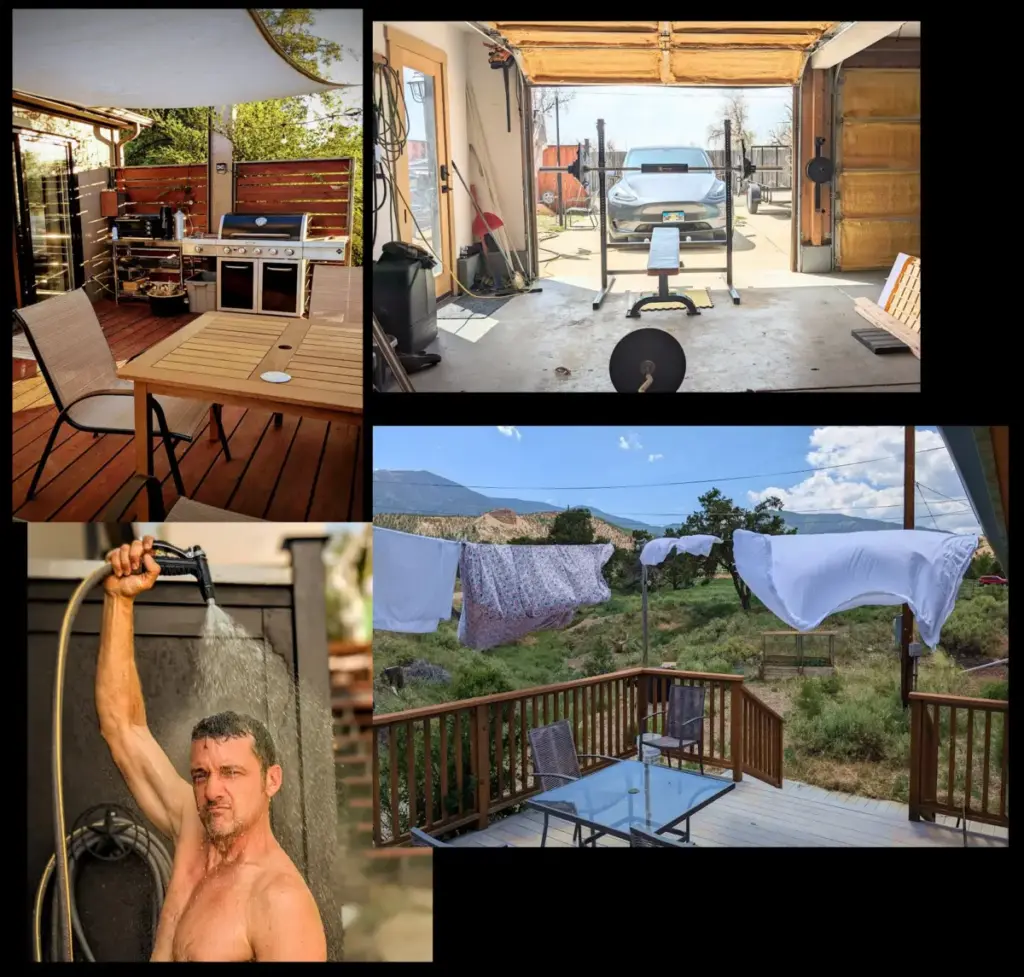
When confronted with these criticisms, the blogger behind the moniker responds with amusement. Publicly detailing one’s life online inevitably invites misunderstanding, but he maintains that critics would quickly abandon their conspiracy theories if they could peer into the daily lives of him and fellow "Mustachians." The reality, he argues, is that the core principles of personal finance have not changed. While his total wealth has increased steadily over the past twelve years—a trend common among long-term readers of his blog—he has felt little need to drastically alter his spending habits. The underlying philosophy was never about deprivation; rather, it was about doing one’s best to live an enjoyable and efficient life from the very beginning.
The core divergence between standard financial advice and Mustachian philosophy highlights why these habits endure long after financial independence is achieved. Standard financial guidance typically encourages individuals to slash spending and make sacrifices until they hit a specific savings percentage, treating everything beyond that benchmark as a matter of personal choice or an opportunity for higher consumption once income rises. In contrast, the Mustachian approach focuses on cultivating a deep love for efficiency, creativity, self-awareness, and continuous self-improvement. This knowledge is leveraged to enhance life quality continually, even as monthly expenses naturally decline over time.
In practice, this philosophy manifests as a series of lifestyle choices driven by personal enjoyment rather than a desperate need to pinch pennies. To contextualize the financial impact of these habits, proponents often evaluate savings across decades, utilizing the financial principle that monthly expenses compound significantly when invested over a ten-year period. Far from being burdensome chores, these everyday practices are framed as hobbies and sources of personal fulfillment.
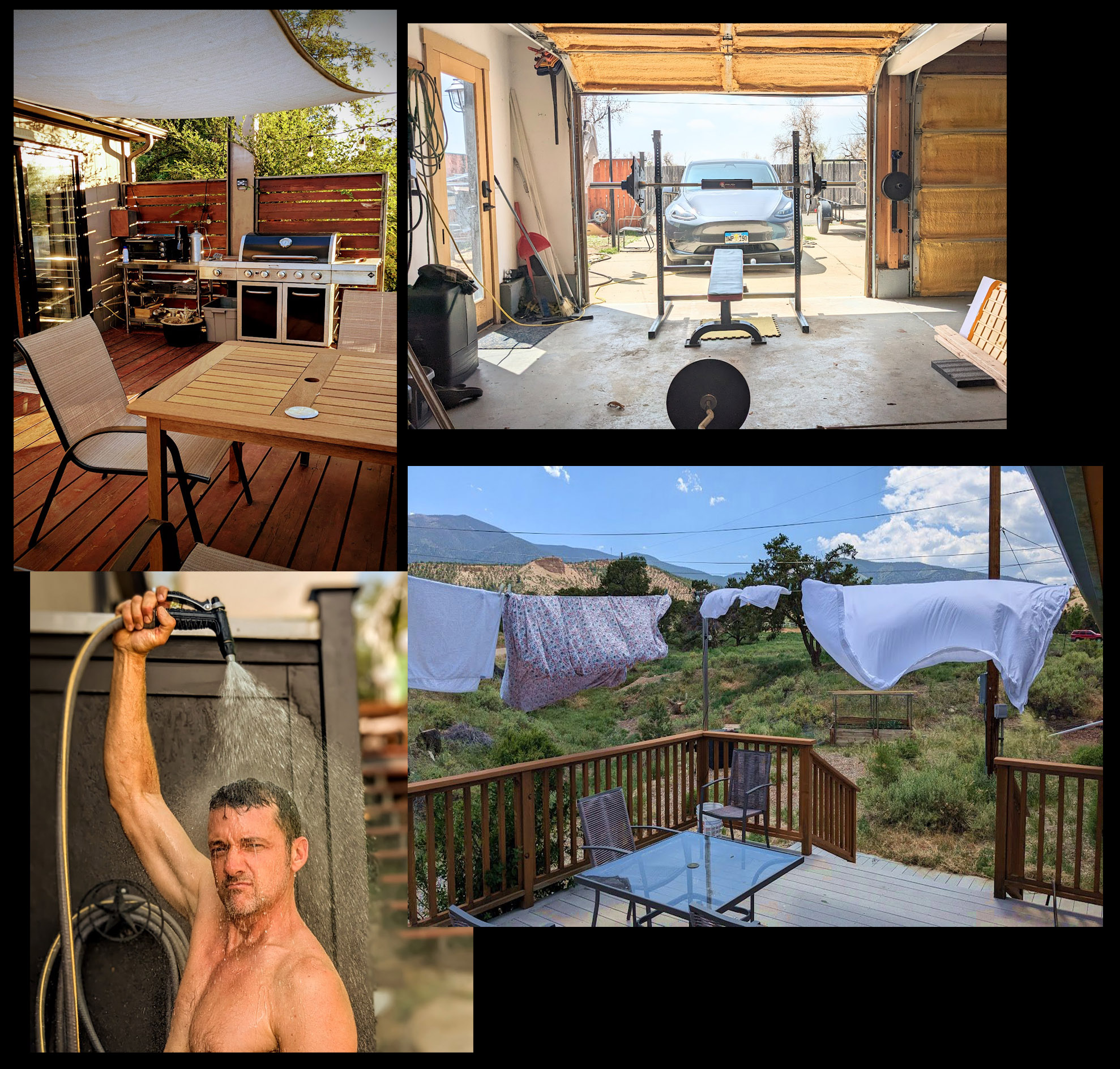
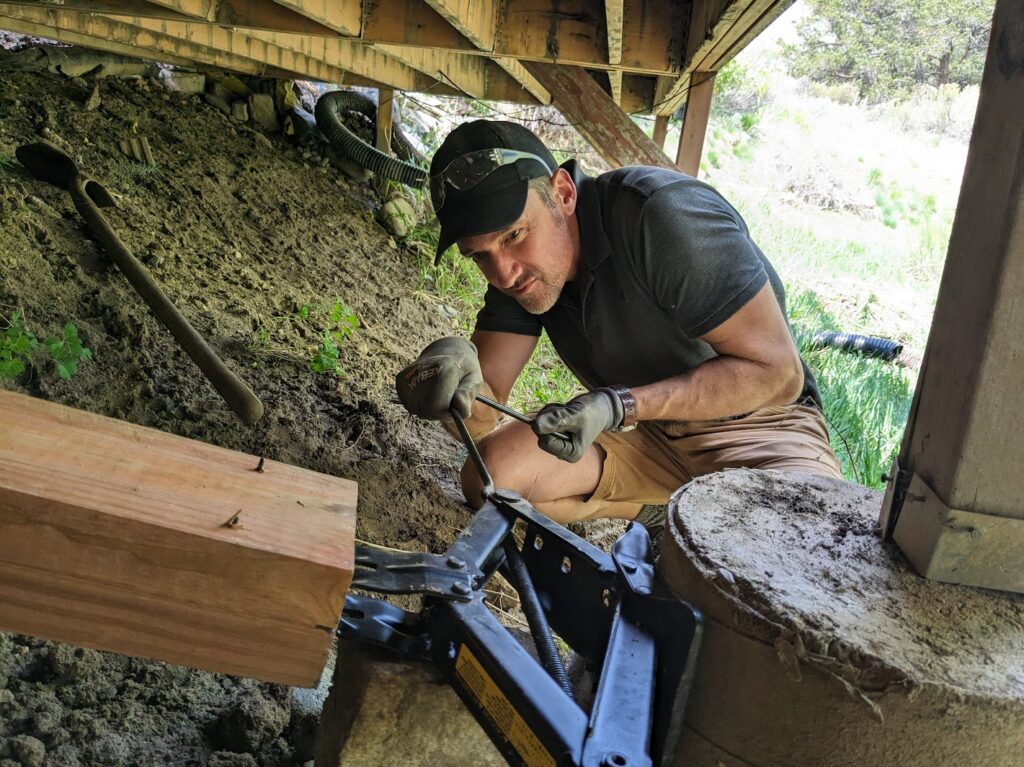
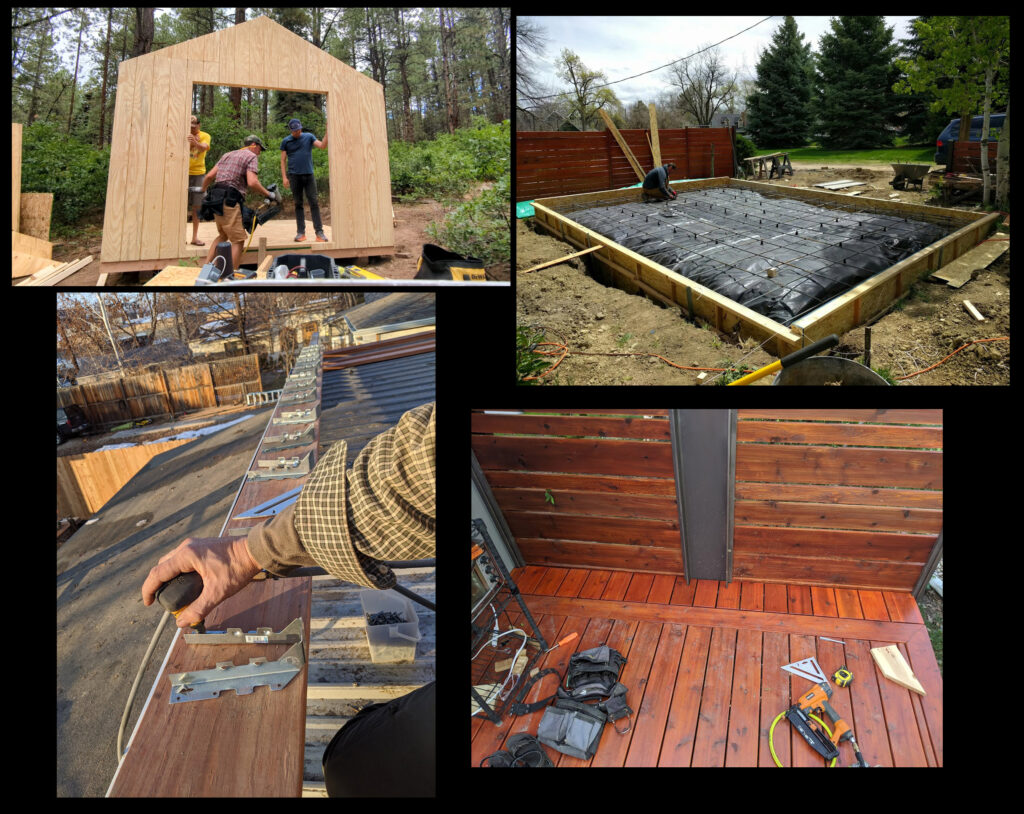
One major pillar of this lifestyle is hands-on property maintenance and home improvement. Believing strongly in self-sufficiency, the philosophy encourages individuals to build the skills necessary to manage the most crucial aspects of their lives without relying heavily on outside contractors or forces beyond their control. For the author, this translates into a genuine passion for redesigning old buildings, solving architectural problems, and sharing those spaces with friends. By transforming ugly, poorly designed structures into functional homes through personal labor rather than hired help, he saves substantial sums while simultaneously teaching others to lose their dependence on external service providers. Estimated over a decade, this hands-on approach to home repair accounts for hundreds of thousands of dollars in preserved wealth.
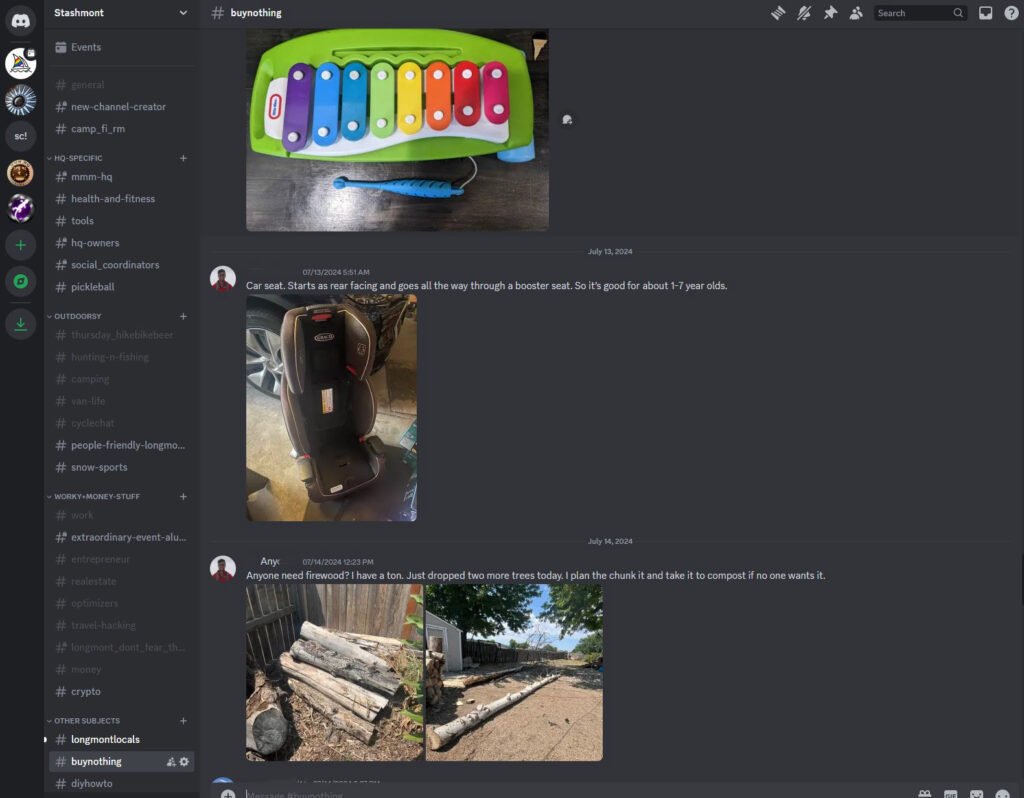
Community sharing and alternative marketplaces form another cornerstone of modern frugal living. While achieving substantial wealth affords the convenience of purchasing brand-new goods delivered directly to the doorstep, the Mustachian philosophy finds greater satisfaction in repurposing, sharing, and acquiring high-quality items from neighbors who no longer need them. Platforms like Craigslist, Facebook Marketplace, and local Buy Nothing groups facilitate this exchange, while private community groups and Discord servers allow local residents to collaborate on major projects and trade goods freely. These community-driven habits yield thousands of dollars in annual savings while simultaneously fostering local friendships and social connections.
Transportation choices also play a central role in maintaining both financial efficiency and physical health. Long known for championing bicycle transportation over car ownership, the author continues to rely on bikes and walking for the vast majority of local trips. While automobiles often cost significant sums per mile to operate due to maintenance, fuel, and rapid depreciation, active transportation drastically reduces these overhead expenses. Beyond the direct financial savings, choosing human-powered transit fundamentally alters an individual’s physical and mental health landscape.
This preference for muscle over motor extends into everyday routines and chores. Whenever a choice arises between automated convenience and physical exertion—such as taking stairs instead of elevators, walking golf courses instead of using carts, or shoveling snow and raking leaves manually—the physically demanding option is typically chosen. Framed as an active investment in long-term health and vitality, this mindset yields massive indirect savings by drastically reducing lifetime medical costs and reliance on illness-related treatments, contributing significantly to overall well-being and productivity.
Energy efficiency within the home represents another area where personal quirks intersect with financial thrift. Driven by a blend of engineering curiosity, carpentry skills, and a penchant for home experimentation, the author frequently modifies his living space to harness passive solar energy and align more closely with the natural seasons. Installing large windows and sliding doors on the southern side of a house allows sunbeams to provide free winter heat, while outdoor cooking, localized showering, and creative home management further reduce utility consumption. Though these measures require physical effort that might seem daunting to some, the intrinsic joy found in operating an energy-efficient living space makes the endeavor deeply rewarding.

Finally, a deliberate preference for local living over constant travel helps curb one of the most significant modern expenses. While travel remains a valuable tool for broadening life experiences, the endless cycle of expensive vacations can lead to fatigue and financial drain. By frequently opting to stay home, savor local amenities, and cultivate neighborhood connections, families can drastically reduce both direct travel expenditures and incidental costs. Choosing local engagement over distant getaways preserves precious time, enhances community ties, and contributes substantially to long-term wealth accumulation.
When tallied together, these daily habits and lifestyle choices compound into hundreds of thousands of dollars over a single decade—an amount that far exceeds the median wealth accumulated by many seniors approaching retirement after decades of traditional employment. For those who have embraced these philosophies, the financial gains are a natural byproduct of living an intentional, efficient, and resourceful life. As these practices continue to resonate within online communities and boot camps alike, the underlying message remains consistent: achieving financial security and personal satisfaction rarely requires extreme sacrifice, but rather a slight shift toward everyday efficiency and self-reliance.