

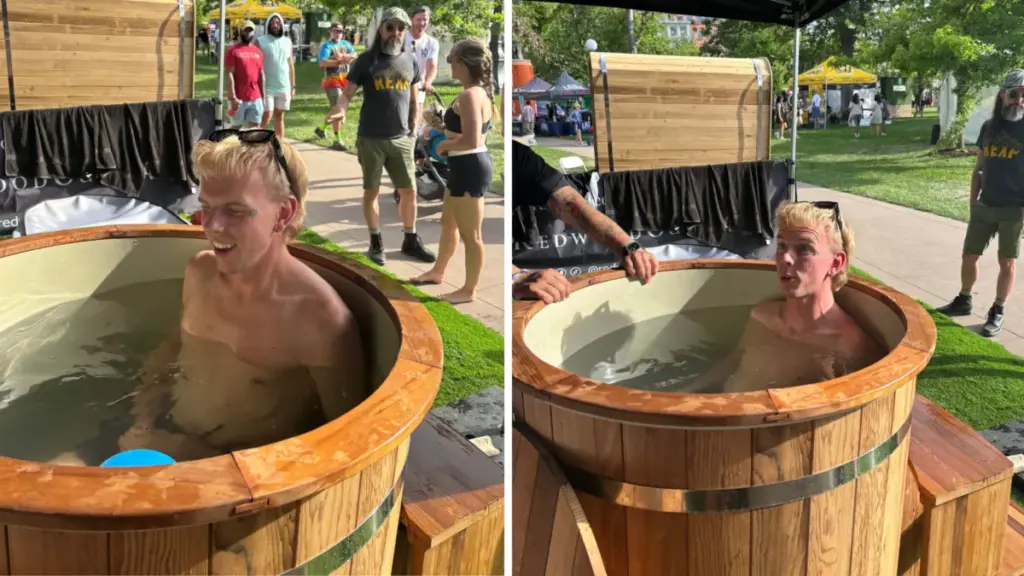
The first 30 seconds are always the worst. An entire body screams to get out, breathing speeds up, shoulders creep toward the ears, and the mind fixates on a single, pressing question: how on earth did immersing oneself in painfully cold water ever seem like a good idea? For runners constantly searching for an edge in recovery, the modern wellness landscape offers a ubiquitous answer: contrast therapy.
Across gyms, spas, boutique hotels, and dedicated wellness resorts, facilities built around cycling between intense heat and freezing water have surged in popularity. Social media feeds are flooded with fitness influencers and endurance athletes touting contrast hydrotherapy as the ultimate secret weapon. The narrative suggests that spending a few minutes in icy water followed by a few minutes in a hot tub or sauna is all that stands between a punishing long run and optimal physical recovery.
As a longtime runner averaging roughly 35 miles a week without a specific race on the horizon, the author of this experiment was naturally interested in efficient recovery, yet deeply skeptical of wellness trends that promise rapid fixes. Countless past remedies had made the body feel better subjectively without necessarily translating to improved running performance. Determined to cut through the digital hype, a decision was made to test contrast therapy consistently over the course of a month to see how it truly impacted both training and daily well-being.
What I Did for a Month
Structuring the month-long trial required maintaining a relatively normal running routine rather than designing a specialized training block around the experiment. With a baseline of about 35 miles a week, contrast therapy was integrated primarily after harder efforts—including long runs, speed workouts, and sessions that left the lower limbs feeling particularly fatigued.
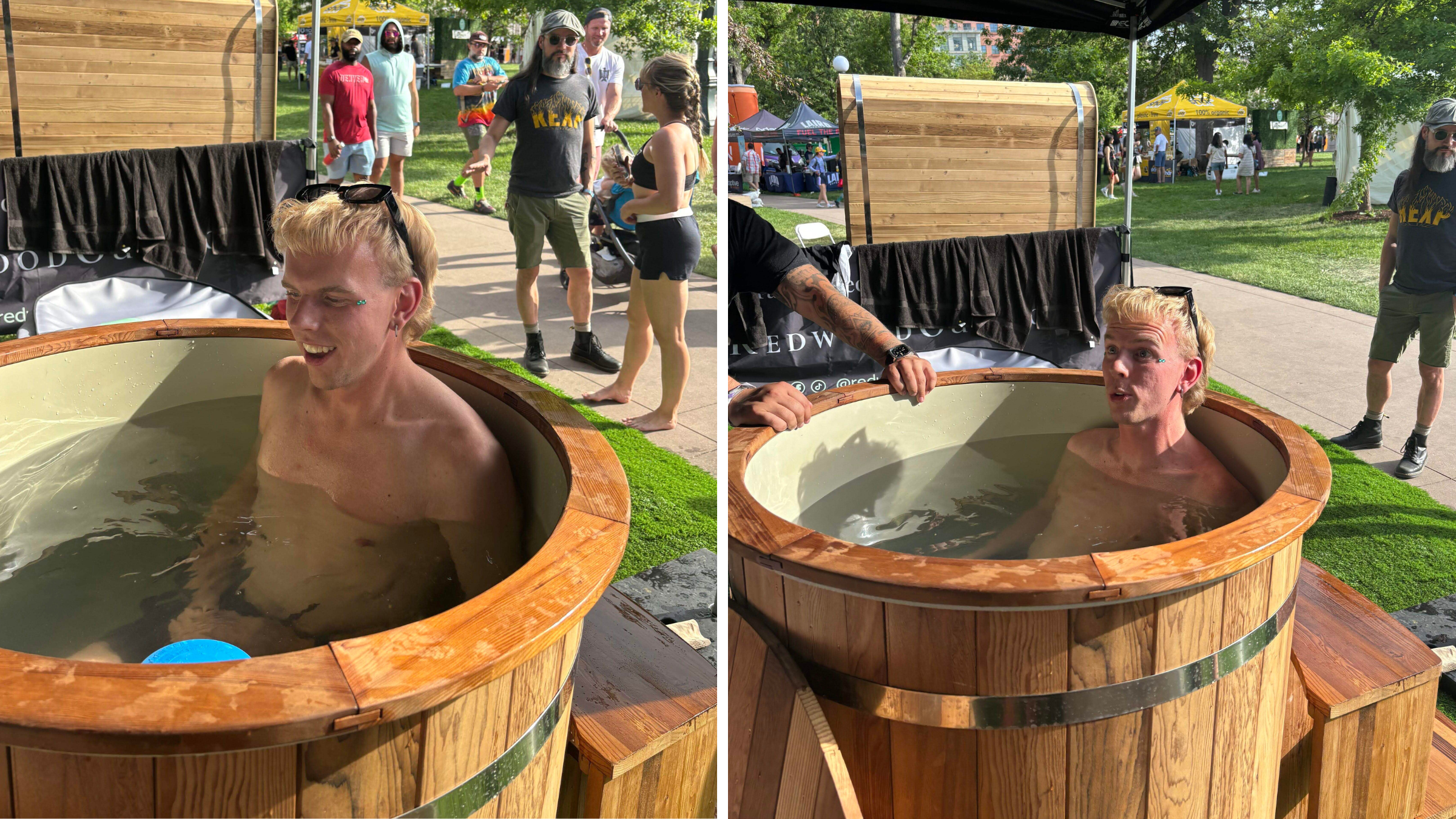
Two to three times a week, the protocol remained consistent: three rounds consisting of ten to 15 minutes of heat exposure, followed immediately by two minutes in cold water. To evaluate the efficacy of the routine, the runner tracked leg soreness and perceived fatigue immediately after the sessions, the following morning, and right before the subsequent run. On comparable running routes, pace and heart rate metrics were also monitored. While these numbers were not expected to definitively prove whether contrast therapy worked, they provided a quantitative baseline to compare against subjective feelings of recovery.
Hot, Cold, Repeat: What Does Contrast Therapy Actually Do?
Despite its massive popularity in contemporary fitness culture, the scientific research surrounding contrast therapy is less definitive than marketing claims might suggest. Existing evidence indicates that alternating between hot and cold environments can indeed reduce muscle soreness and perceived fatigue following strenuous exercise. However, whether feeling physically refreshed actually translates to enhanced performance the next day remains a subject of ongoing debate among sports scientists.
"The benefit is real, but most of it shows up in how recovered a runner feels," explains Dr. Raj Desai, a board-certified physical medicine, rehabilitation, and pain medicine physician at the California-based DISC Sports and Spine Center.
That crucial distinction quickly became the central theme of the monthly experiment. Feeling great immediately after a session did not automatically mean the body’s physiological repair mechanisms had accelerated. Yet, if a protocol successfully lowered muscle soreness, promoted better sleep, and fostered a greater readiness to run, the question remained whether those psychological and subjective benefits carried genuine value, even if they never registered as a faster split time on a GPS watch.
What I Noticed: I Felt Euphoric
The most pronounced and consistent difference following contrast therapy sessions was a significant reduction in muscle soreness paired with a deep sense of relaxation—at times bordering on euphoria. Moving between extreme temperatures created a lingering sense of calm that lasted for the remainder of the day and often carried into the following morning. Sleep quality also noticeably improved, particularly on the nights when a hot-and-cold session was completed. These cumulative benefits quickly transformed a skeptical trial into a ritual that was genuinely anticipated.
However, the promised performance payoff in running metrics failed to materialize. Average training paces and heart rates remained unchanged, and there was no consistent surge in physical energy during subsequent runs. On a few occasions, the runner actually felt more fatigued the day after a session. Ultimately, contrast therapy did not make the legs feel faster or consistently fresher; rather, it simply made the intermediate periods between workouts feel markedly better.
What the Experts Say
Medical professionals emphasize that the utility of contrast therapy largely depends on the specific timing and goals of an athlete. Using cold exposure to bounce back quickly before an upcoming race serves a very different physiological purpose than attempting to maximize long-term training adaptations.
"Cold makes the most sense to me when recovery right now is more important than adaptation later," notes Dr. Tom Ingegno, an integrative health practitioner at Charm City Integrative Health. He points out that this approach is best reserved for back-to-back events, heavy training blocks, or racing in oppressive heat, rather than acting as an automatic reflex after every routine workout.
This cautious approach stems from potential physiological tradeoffs. Regular cold-water immersion immediately following resistance training can blunt muscle hypertrophy and strength gains, though the specific impact on endurance adaptations is less clear. "Feeling recovered and actually being adapted are two different things," cautions Dr. Adam Nessim, an interventional spine and pain medicine physician.
Medical consensus also urges moderation regarding temperature extremes. Dr. Nolan Horner, an orthopedic surgeon, highlights 50 to 59 degrees Fahrenheit as a well-studied and effective range for cold-water immersion, noting a lack of evidence that painfully colder water yields superior results. Conversely, excessive cold carries risks of hypothermia and cardiovascular strain, while prolonged heat exposure can lead to dehydration and hyperthermia. Healthcare providers advise individuals who are pregnant, or those living with heart disease, uncontrolled hypertension, or arrhythmias, to consult a physician before engaging in deliberate hot or cold exposure therapies.
So, Is Hot-and-Cold Therapy Worth It for Runners?
After a month of consistent testing, contrast therapy earned a designated place in the routine, though it still ranks behind fundamental pillars like quality sleep, smart training programming, proper hydration, and nutritious eating. Buying an expensive commercial cold plunge simply because internet trends demand it remains entirely unnecessary.
Nevertheless, the experiment validated the practice on a personal level. While it did not produce faster running times or boundless energy on the road, it successfully mitigated muscle soreness, eased mental tension, and elevated sleep quality. For this runner, the ultimate value lay not in raw athletic performance, but in enhanced comfort between workouts.
Beyond the physical sensations, the ritual itself provided an unexpected psychological sanctuary. Transitioning from intense heat into freezing water demanded absolute presence. It was impossible to check work emails or ruminate over training paces while submerged in an ice bath. For a few uninterrupted minutes, attention narrowed exclusively to the rhythm of breathing. While contrast therapy could not magically erase the physical toll of a hard workout, it delivered a profound mental reset.
Destination-Worthy Places to Take the Plunge
For runners curious to experience contrast hydrotherapy firsthand, several specialized wellness destinations across North America offer immersive environments tailored to hot-and-cold recovery.
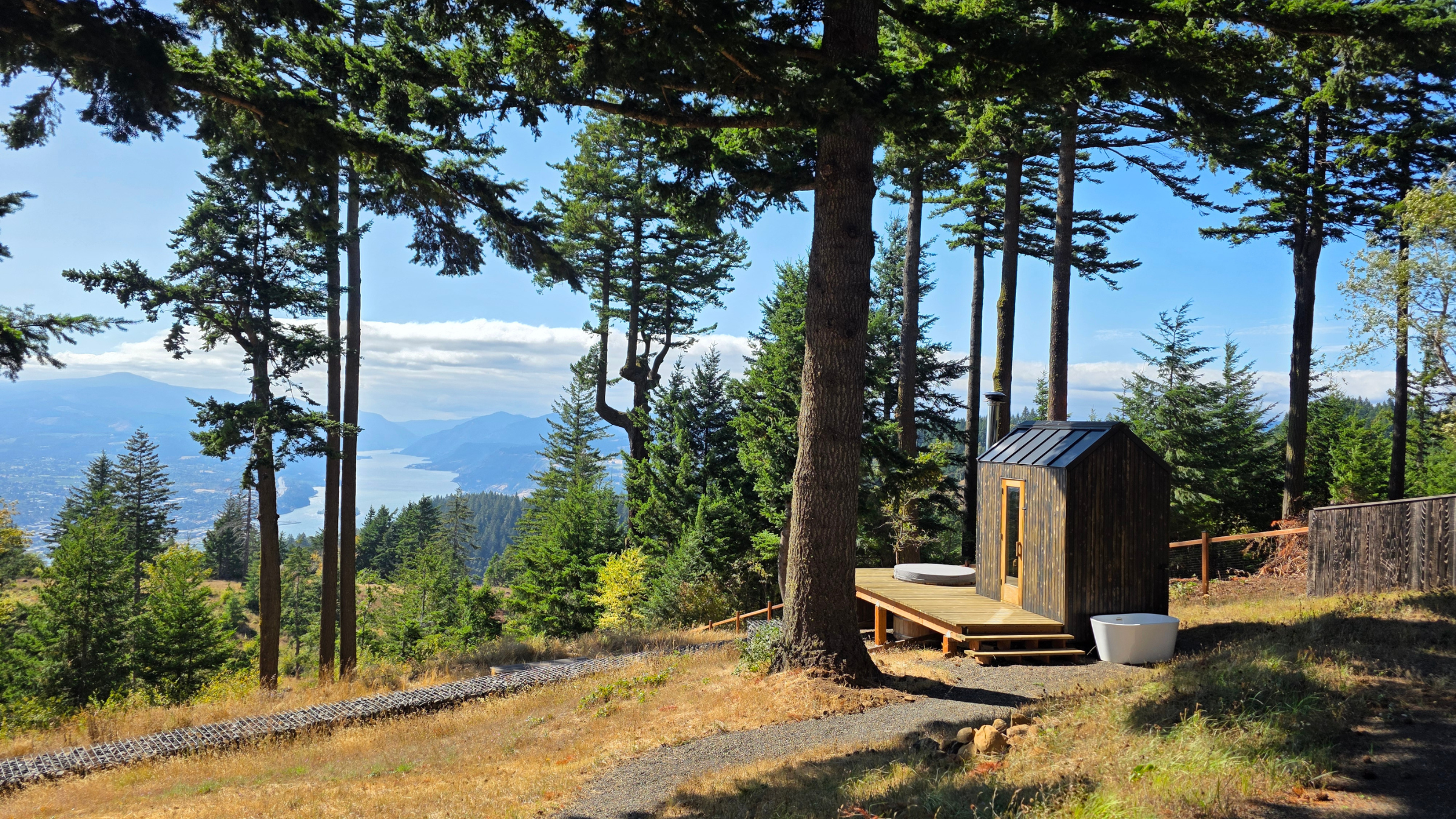
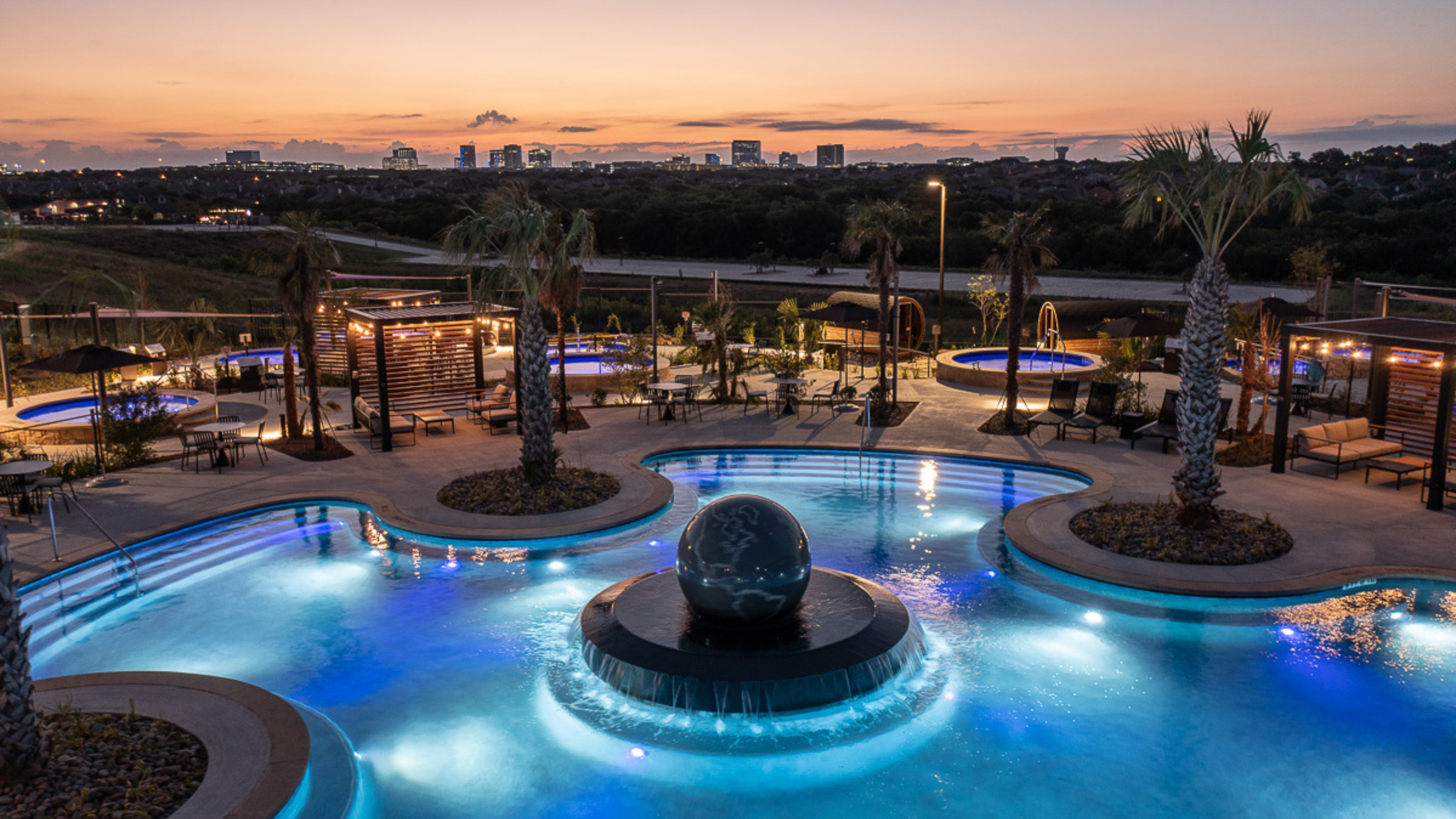
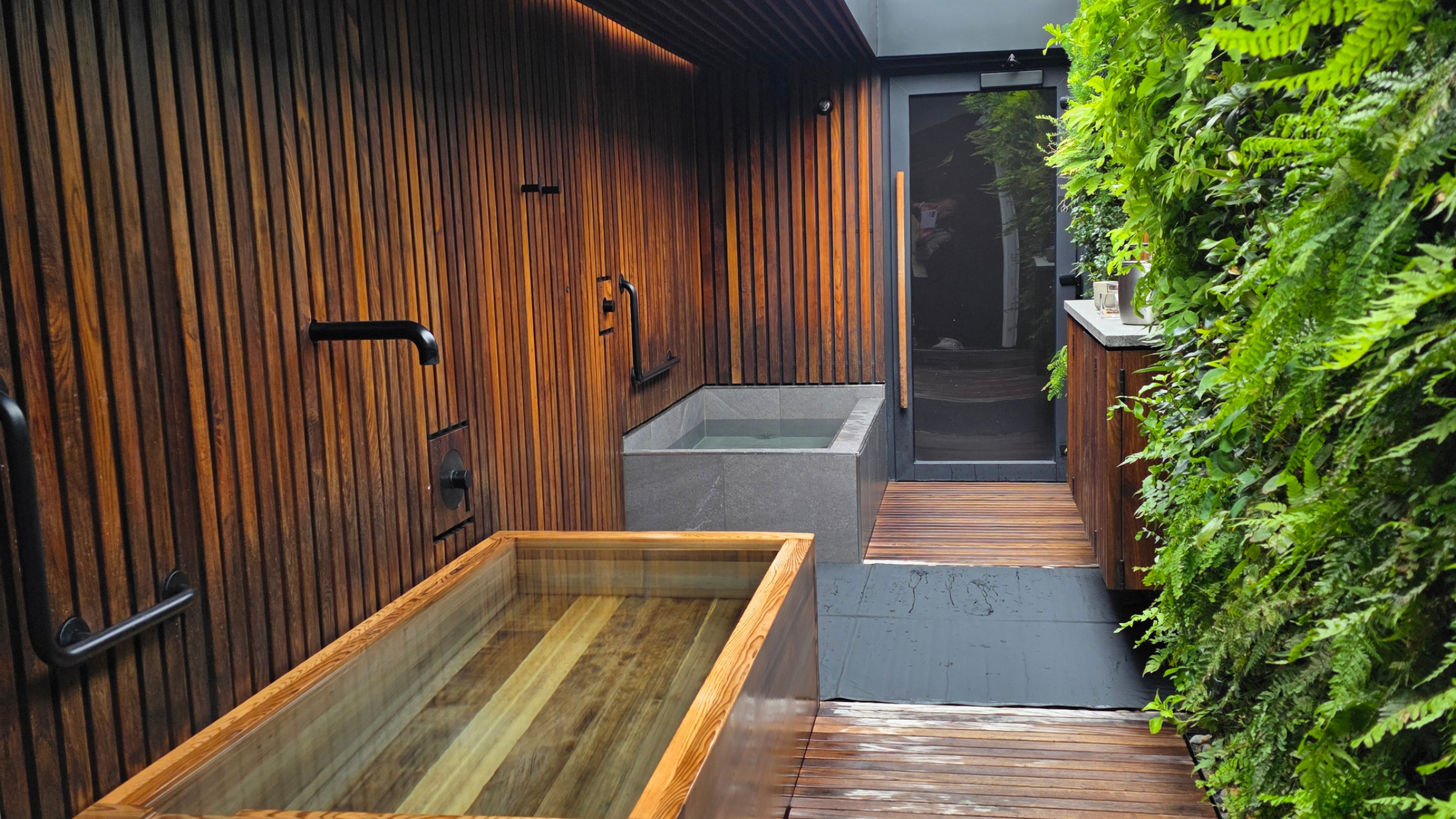
Dry Creek Cabin in White Salmon, Washington, offers a private recovery retreat set above the Columbia River Gorge near Coyote Wall. Featuring a wood-burning sauna, steam shower, hot tub, traditional cedar soaking tub, and a dedicated cold-plunge bathtub, the property allows visitors to utilize local running trails and complete their recovery entirely in solitude without following a rigid communal schedule.
WorldSprings Dallas in The Colony, Texas, presents an expansive property with more than 40 globally inspired mineral pools modeled after thermal traditions from Iceland, Italy, Japan, Korea, Guatemala, Mexico, and the Dead Sea. With water temperatures ranging from the mid-80s to 104 degrees, cold plunges hovering around 55 degrees, and seven distinct sauna styles—including Finnish, Himalayan salt, and red-light options—the facility provides extensive variety for temperature experimentation.
Circle Wellness, with locations in Vancouver’s Granville Island and Seattle’s Fremont neighborhood, caters to those seeking total privacy away from communal bathhouses. Their self-guided circuit transitions individuals or pairs from a cedar soaking tub and WellPod sauna to a cold plunge, concluding on a heated riverstone bed designed for undisturbed rest.
CASCADA in Portland, Oregon, embraces a flexible hydro-thermal circuit located within the city’s Alberta Arts District. Guests can freely alternate among saunas, steam rooms, hot pools, cold plunges, chilled rainfall showers, and crushed ice stations, making it a seamless addition to an active weekend of urban exploration and running.