



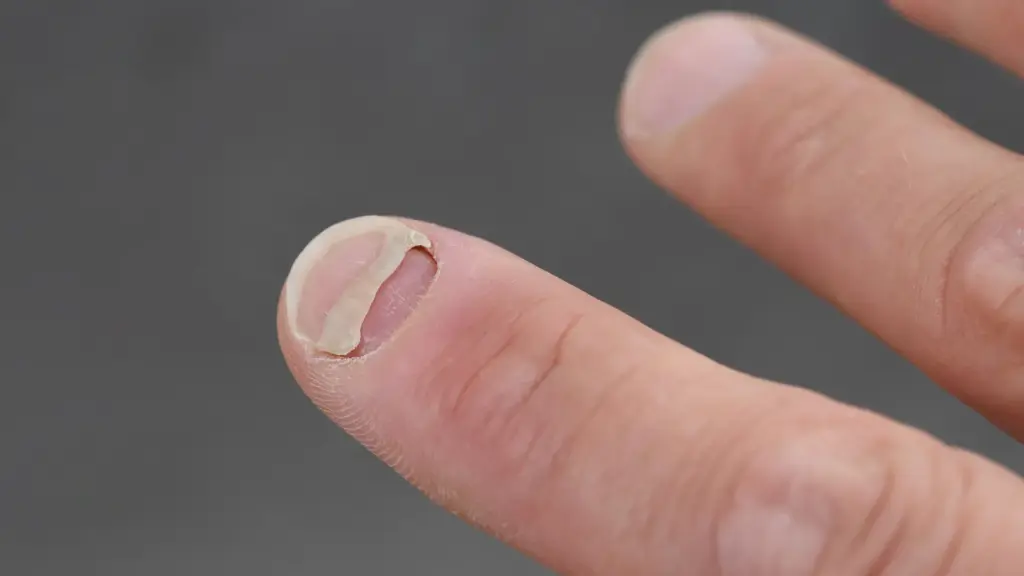
Popular GLP-1 medications widely prescribed for weight loss and type 2 diabetes—including widely recognized brand names such as Ozempic, Wegovy, Mounjaro, Zepbound, Victoza, and Trulicity—have been linked to an unexpected set of physical side effects involving fingernails, hair, and scalp health. According to a multinational study presented at the European Academy of Dermatology and Venereology (EADV) Congress, individuals taking these medications reported a significantly higher incidence of nail detachment, a distressing condition wherein the nail plate physically separates from the underlying nail bed.
The research revealed that an eye-opening 39% of GLP-1 users surveyed experienced nail detachment, compared with just 9% of individuals who had never used the medications. Alongside detachment, nail discoloration proved considerably more common among patients on the therapy. Overall, roughly two-thirds—specifically 66%—of medication users reported experiencing at least one distinct nail disorder during the course of their observations.
These findings stem from what researchers describe as the first controlled study designed to investigate the potential relationship between GLP-1 receptor agonists and human nail health. While millions of patients worldwide rely on these drugs to manage metabolic health, obesity, and chronic blood sugar conditions, the medical community continues to explore the full spectrum of how these powerful medications impact the entire human body beyond metabolic pathways.
Unexpected Nail Problems Among GLP-1 Users
GLP-1 receptor agonists have revolutionized the management of obesity and type 2 diabetes over recent years. By acting on intricate hormone signaling systems that regulate both blood sugar and appetite, these medications have proven remarkably effective as clinical tools for improving overall metabolic health and supporting sustained weight loss.
However, as millions of patients adopt these treatments, scientists are working diligently to understand their potential secondary effects on other parts of the body. Until recently, clinical understanding regarding nail changes during GLP-1 treatment relied primarily on individual reports of possible adverse reactions and anecdotal observations, rather than structured, controlled scientific comparisons.
To bridge this knowledge gap and investigate the connection rigorously, researchers examined a diverse cohort of 575 individuals currently using GLP-1 medications and compared them against a control group of 1,329 individuals who had type 2 diabetes and/or obesity but had never used the drugs. To ensure broad applicability and reduce regional bias, study participants were recruited from multiple countries, including France, the United States, Brazil, and Mexico.
The comparative results revealed a consistent, undeniable pattern across the board. Overall, 66% of GLP-1 users reported suffering from at least one form of nail disorder, compared with 53% of the control group who managed obesity or diabetes without the medications. Nail discoloration showed an especially stark difference, affecting 46% of active drug users compared to just 17% of nonusers.
Meanwhile, instances of nail detachment were even more striking, appearing more than four times as frequently among those taking GLP-1 medications as opposed to the non-medicated control group.
Weight Loss Alone May Not Explain the Nail Changes
One of the most critical questions facing researchers at the outset was whether these sudden nail problems might simply be a secondary consequence of rapid weight loss, rather than a direct pharmacological effect of the medications themselves. Rapid changes in body weight and caloric intake are well known to disrupt nutritional status and other vital physiological processes, which can subsequently influence the health and structural integrity of both nails and hair.
However, after diving deeper into the data, the researchers discovered that weight loss alone did not fully account for the observed discrepancies. Even when the analytical team restricted their evaluation solely to participants who had successfully lost weight, the GLP-1 users continued to report significantly higher rates of nail complications than weight-conscious individuals who had never used the medications.
"Until now, nail changes associated with GLP-1 therapies had essentially been anecdotal," noted study author Dr. Charles Taïeb. "Our findings show a clear association, but they also underline an important point: not everything that happens during GLP-1 treatment is necessarily caused by the treatment itself."
The researchers carefully emphasized that their findings do not definitively prove that GLP-1 drugs directly cause nail disorders. In fact, approximately half of the medication users surveyed noted that they had actually experienced various nail problems even before beginning their drug regimen.
When the research team adjusted their statistical models to account for preexisting skin conditions and underlying nutritional deficiencies among participants, some of the numerical differences between the groups narrowed. Nevertheless, nail detachment and discoloration remained approximately two to three times more common among the GLP-1 user group even after these comprehensive adjustments were made.
Scientists Also Find Higher Rates of Hair Loss and Scalp Problems
The unexpected dermatological findings did not stop at fingernails. A companion study evaluating the exact same multinational cohort of participants identified significant, widespread differences in hair and scalp health among individuals taking GLP-1 medications.
Half of all GLP-1 users reported suffering from unusual hair loss, compared to 34% of the nonusing control group. Reduced hair volume or noticeable decreases in hair density were also substantially more common among drug users, affecting 42% of them compared to just 19% of the control participants.
Furthermore, researchers specifically tracked instances of hair loss that distinctly began after medical treatment started. This post-treatment shedding was reported by 26% of GLP-1 users, compared with 12% of nonusers, making it more than twice as frequent in the medication group. Scalp redness was also found to be roughly three times more common among those taking GLP-1 drugs.
A particularly intriguing finding was that hair loss rarely presented as an isolated symptom. The vast majority of users who reported hair shedding also experienced accompanying scalp symptoms, such as persistent itching, redness, or flaking skin.
These concurrent symptoms raised the strong possibility that local inflammation could be actively contributing to the hair changes, rather than the hair loss being explained entirely by the telogen effluvium typically associated with rapid weight reduction.
"This suggests that what is happening on the scalp may go beyond the classical shedding seen after rapid weight loss and involve an inflammatory component," explained study author Dr. Bruno Halioua. "Scalp inflammation was the rule rather than the exception, which clinicians do not currently look for and which may be treatable. Taken together, our findings suggest that factors beyond weight loss alone may contribute to the hair, scalp and nail changes observed among GLP-1 users."
What the Findings Mean for People Taking GLP-1 Drugs
Despite the relatively high frequency of symptoms reported by patients, the researchers stressed that the study’s conclusions should encourage heightened awareness rather than public alarm or panic.
"These changes are frequent, usually benign, and are not a reason to stop an effective treatment on one’s own initiative," the researchers noted, emphasizing that anyone noticing hair shedding, an itchy or red scalp, or unexpected nail alterations should discuss these symptoms openly with their healthcare provider rather than independently discontinuing their medication therapy.
There are, however, important methodological limitations to keep in mind regarding the research. Both investigations were cross-sectional studies, meaning they captured participants’ self-reported experiences at a single point in time without tracking patients longitudinally to observe exactly how symptoms develop and progress. Additionally, the findings relied primarily on symptoms reported directly by participants rather than standardized clinical physical examinations conducted by physicians.
Consequently, while the studies successfully reveal notable statistical patterns and associations, they cannot definitively prove whether GLP-1 medications directly caused the reported nail, hair, or scalp issues.
To investigate these open questions more thoroughly, the research team is already laying plans for prospective studies that will follow patients from the very beginning of their treatment journeys. These upcoming clinical investigations are intended to incorporate standardized skin, hair, and nail examinations alongside continuous biological monitoring.
The ultimate goal of this continued scientific inquiry is to establish precisely when these physical changes first appear, identify the underlying biological mechanisms driving them, and determine whether the symptoms improve or resolve completely over time.
The research received institutional and financial support from DUCRAY Laboratories, part of the Pierre Fabre Group, a company specializing in the development of dermatological and hair care products designed to help patients manage skin and scalp conditions and improve their overall quality of life.