

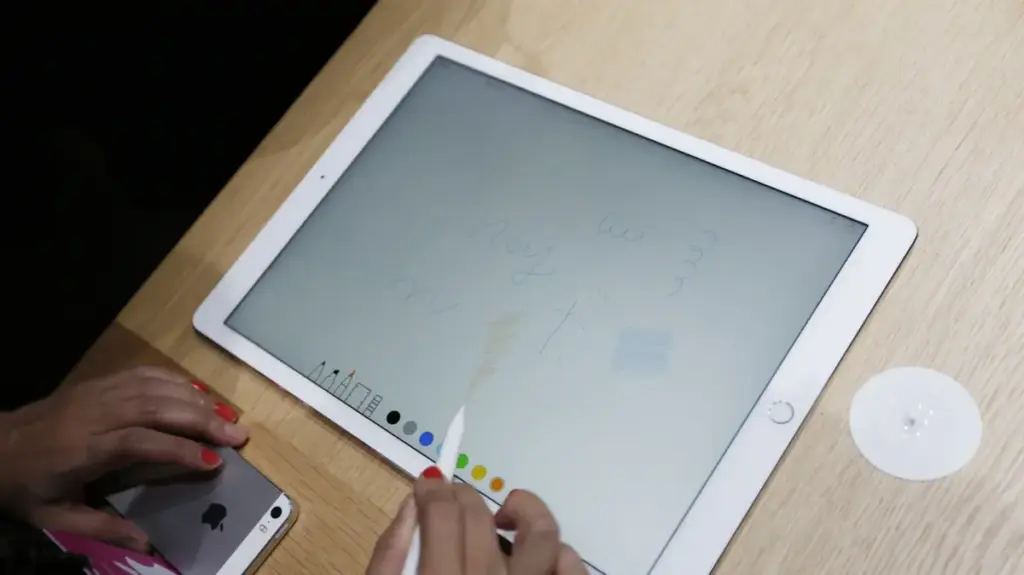
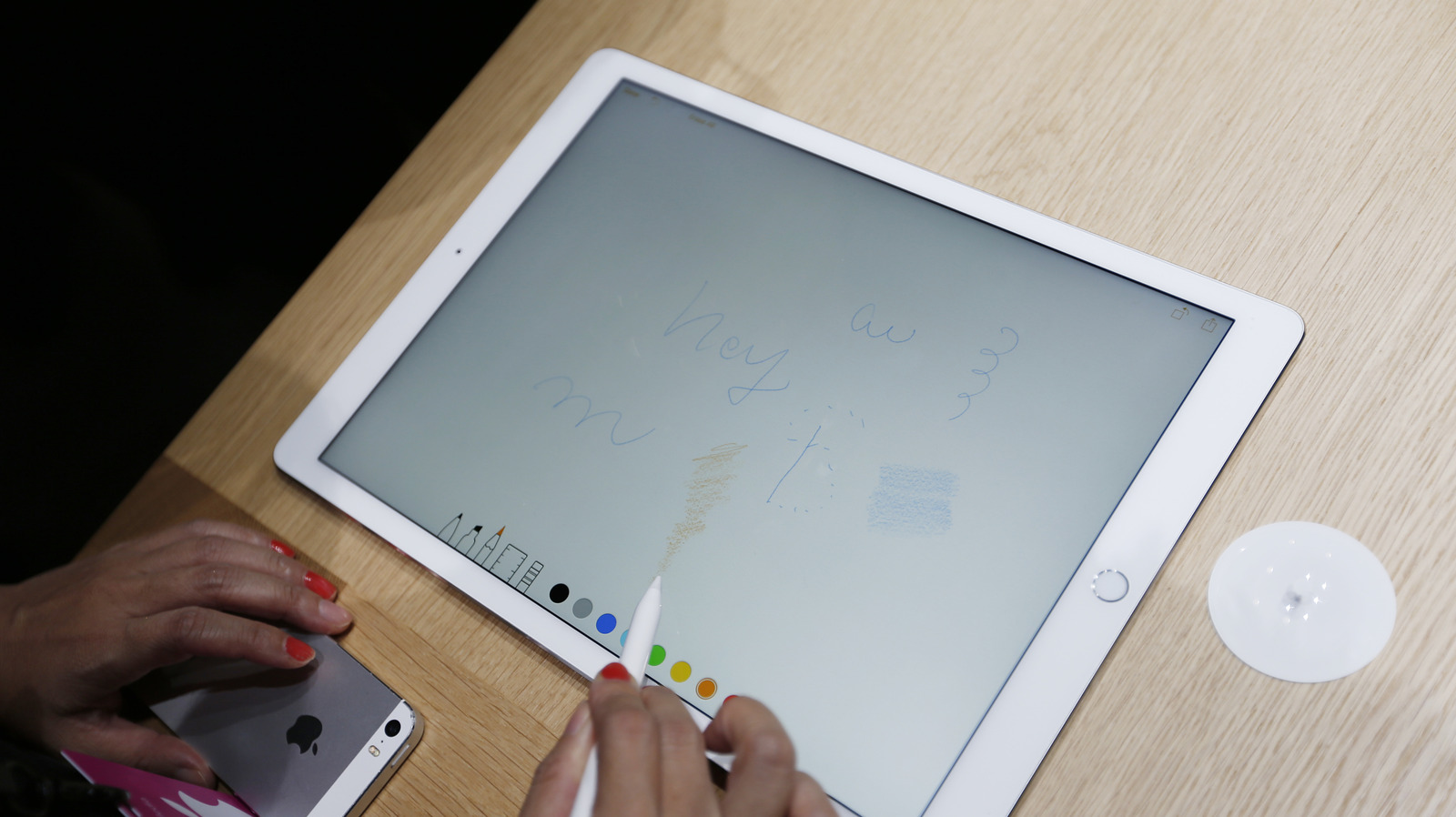
You will never need a pencil sharpener for your Apple Pencil, but that does not mean its components will last forever. As the stylus sees more use across an expanding ecosystem of Apple tablets and compatible devices—such as recent integrations allowing the Apple Pencil to be used with the iPhone Duo—the accessory’s popularity is experiencing a notable surge. However, despite being a digital tool that interfaces exclusively with smooth glass screens, the stylus is still subject to physical wear and tear just like a traditional writing instrument. When using Apple’s signature stylus, users must track specific signs of degradation to stay ahead of physical wear and maintain optimal performance.
The modern market features a diverse lineup of Apple Pencils, ranging from the high-end Apple Pencil Pro to the budget-friendly USB-C model, alongside the legacy first and second-generation styli. Despite the technical variations, pricing differences, and feature gaps separating these generations, the detachable and replaceable tip remains a unifying characteristic across the entire family of Apple input devices. Because these components endure constant friction against glass surfaces during daily writing, sketching, and navigating, recognizing the common indicators of a failing tip is essential for preserving both the hardware and the user experience.
Signs You Need to Replace Your Apple Pencil Tip
While routine drawing with an Apple Pencil will not consume graphite or shorten the body of the utensil itself, the microscopic composition of the tip still degrades over extended periods. A brand-new Apple Pencil tip features an even, perfectly manufactured roundness that glides effortlessly across an iPad or compatible screen. Over time, friction wears this rounded surface down into an uneven, more jagged shape. As the material wears away, usage produces noticeably more resistance, and the tip feels increasingly rough to the touch when inspected closely.
If left unchecked for too long, an Apple Pencil tip will eventually wear down to the point where the internal metal core is exposed. Reaching this stage poses a serious risk to your hardware, as the exposed metal can easily scratch or permanently damage an expensive tablet display. Long before total structural failure occurs, users typically notice an increase in surface friction and intermittent connection issues where the tablet fails to register strokes accurately or drops pressure sensitivity mid-sentence.
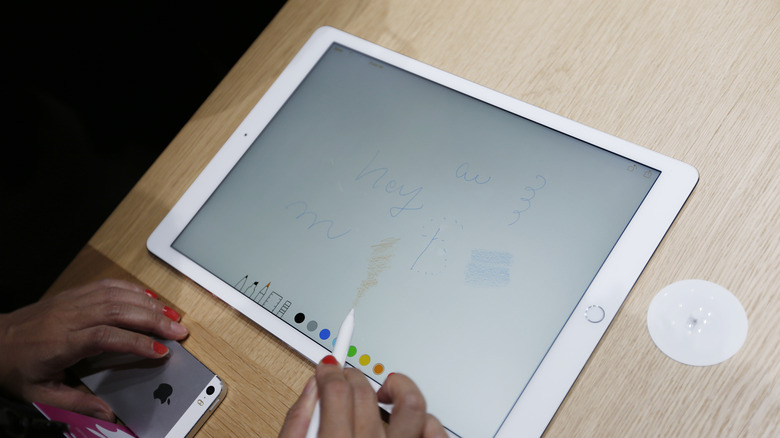
Catching these warning signs early allows users to swap out the degrading component before any permanent damage occurs to the screen. For average users, replacing the tip roughly every two years is a safe standard, though heavy daily users, professional digital artists, and graphic designers may find their tips wearing down significantly faster, sometimes requiring a fresh replacement in under a year.
The Market for Apple Pencil Tips
Despite the functional and structural gaps between different models in the Apple Pencil lineup, all variations maintain a remarkably similar level of baseline durability and battery longevity. The detachable tip remains the primary point of physical vulnerability in this equation, acting as the sacrificial barrier between the hard stylus and the glass display. Fortunately, because Apple designed these tips to be easily removable and swappable, maintaining the device does not require purchasing an entirely new stylus when wear and tear eventually set in.
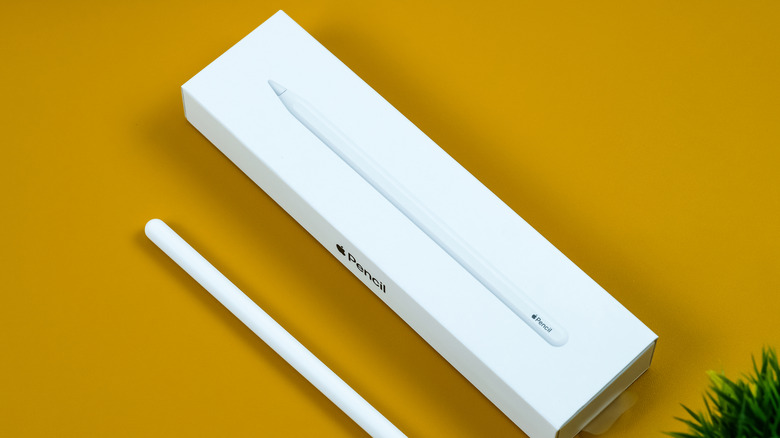
Apple officially supports this maintenance cycle by selling replacement pencil tips in convenient packs of four for $19, with these OEM options remaining fully compatible across all generations and makes of the Apple Pencil. While purchasing official replacements directly from the manufacturer provides a straightforward way to keep the hardware in working order, the modular design has also opened the door to a thriving third-party accessory market. Alternative manufacturers produce specialized tips designed to modify and enhance specific aspects of the writing and drawing experience.
Brands such as PenTips and Delidigi offer alternative tips tailored toward distinct user preferences, emphasizing tactile sensations like increased friction for a paper-like drawing feel or ultra-fine precision for meticulous note-taking. Specialized products like the PenTips Lite cater directly to professional digital artists by offering heightened precision and control, while options like Delidigi’s Fine Point focus on long-lasting durability combined with a traditional ballpoint pen resistance. Whether sticking with standard manufacturer replacements or exploring third-party alternatives, monitoring the physical condition of the tip ensures that the Apple Pencil continues to deliver smooth, accurate performance without threatening the integrity of the screen beneath it.