


Published November 1, 2026 06:02AM
The Nike Alphafly stands as the undisputed flagship marathon super shoe from the company that essentially invented the entire category, cementing its status as arguably the most iconic racing shoe ever brought to market. Its legacy is etched into modern running history: it was strapped to the feet of Eliud Kipchoge in 2019 when he shattered the two-hour barrier, becoming the first human to run a sub-two-hour marathon. It returned to the global spotlight in 2022 when Kipchoge ran his official world record of 2:01:09. The podium in Chicago in 2023 belonged to the Alphafly when Kelvin Kiptum broke Kipchoge’s record, and the dominance continued into 2024 when Ruth Chepngetich clocked an astonishing 2:09:56 to capture the women’s world record. Over the past six years and across three distinct iterations, the Alphafly has consistently propelled elite athletes and competitive everyday runners toward prestigious course records, personal podium finishes, and hard-earned personal records.
Yet, despite this unprecedented streak of competitive success, the Alphafly family has frequently wrestled with maintaining a consistent ride and a reliable, uniform feel across its lineage. The original debut model offered incredible, game-changing bounce, but it was notoriously unstable around sharp corners. The subsequent Alphafly 2 successfully addressed those stability concerns, but many runners and footwear analysts lamented that it had sacrificed too much of the signature bounce that made the first version so exhilarating. Last year, the Alphafly 3 introduced a continuous sole design and repositioned the signature Air Zoom units, successfully injecting the bounce back into the lineup while shedding overall weight.
As a competitive masters athlete and a full-time running coach, maintaining a tightly curated rotation of trusted super shoes is essential, both for personal racing and for guiding clients toward their goals. The Nike Alphafly 3 easily earned a spot in that trusted rotation, whereas the Alphafly 2 did not make the cut. Consequently, when early rumors began swirling regarding the imminent launch of the Alphafly 4, a natural sense of anxiety set in regarding what modifications Nike might introduce and whether the updates would represent a step backward for such a celebrated racing platform.
Having now had the opportunity to log miles in the new Nike Alphafly 4, those initial fears have been put to the test. Every runner wants to know how a legacy shoe transitions into its next generation, and the findings reveal a profoundly altered running experience.
Nike Alphafly 4 At-a-Glance
Weight: 6.6 oz (men’s 8.5; women’s 10)
Stack Height: 39-31 mm
Heel-to-toe Drop: 8 mm
Pros and Cons
- Softer, more cushioned ride, especially in the forefoot
- Air Zoom units are easier to engage at slower paces
- Roomier, more comfortable upper that is easier to put on
- Less snap than the Alphafly 3 at faster paces
Nike Alphafly 4 First Impressions
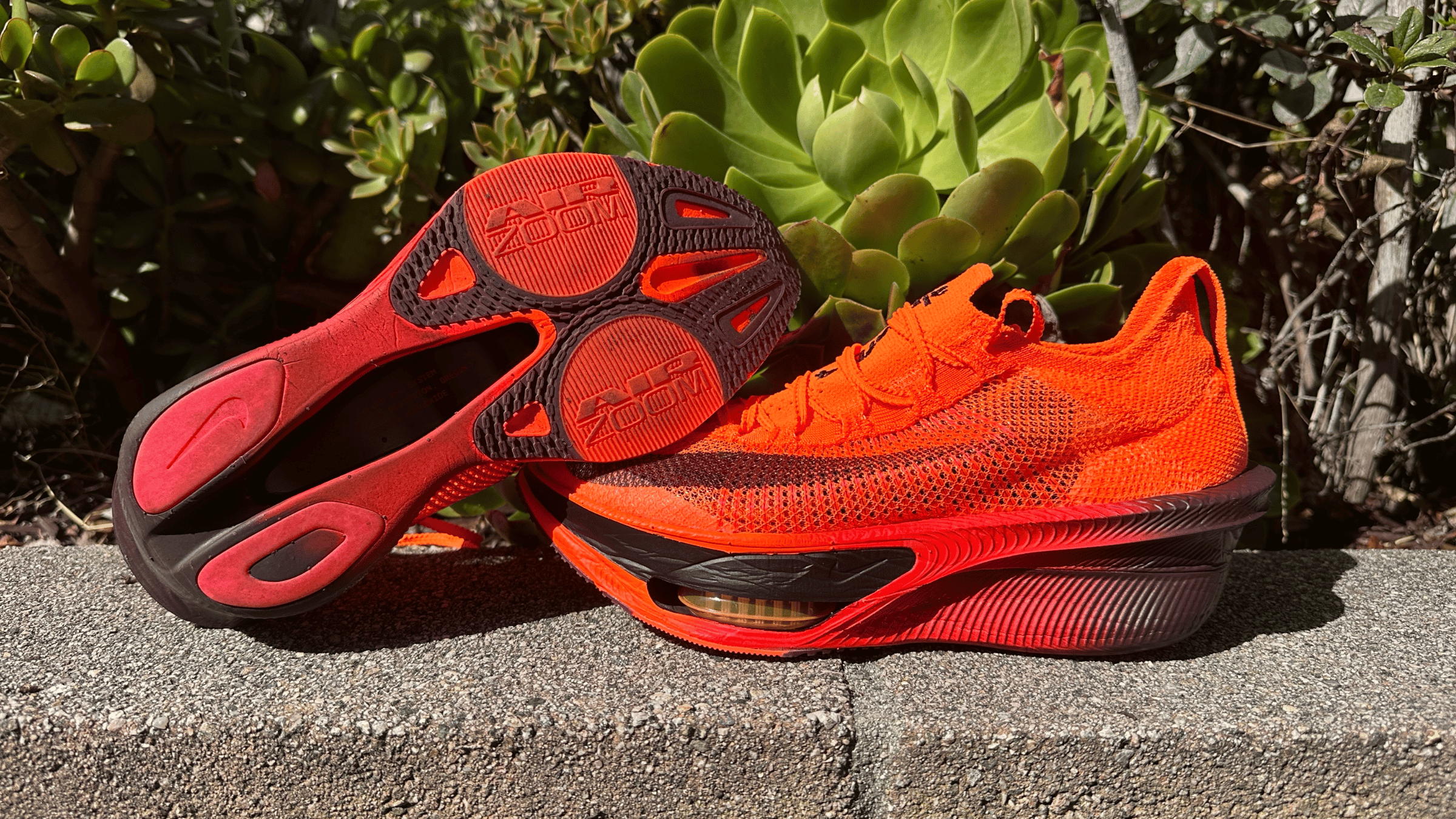
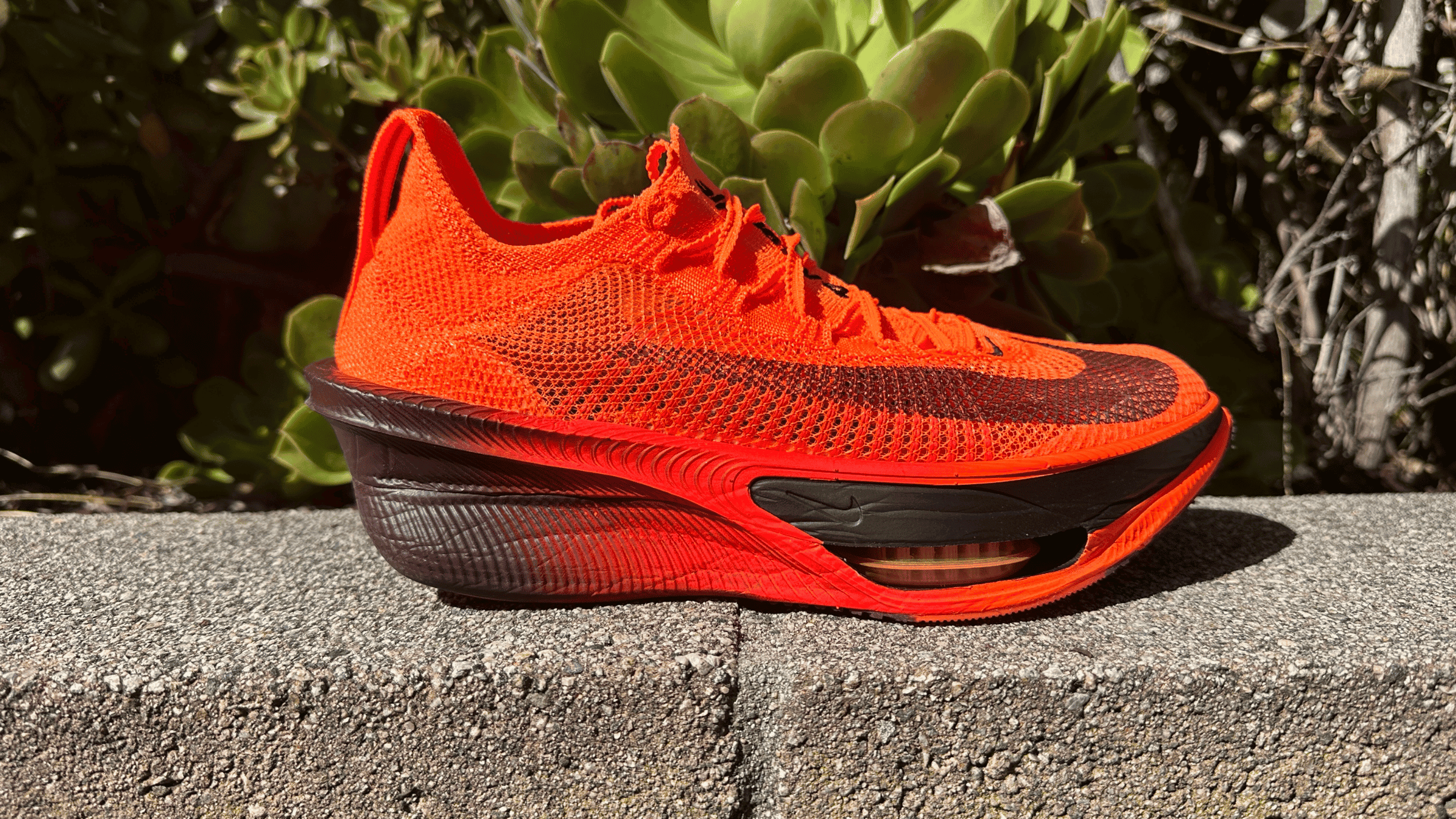
Upon first encountering the Nike Alphafly 4, there was an immediate sense of comfort in seeing its visual continuity with the Alphafly 3. However, beneath that familiar aesthetic, every single component of the shoe has been overhauled, spanning everything from the upper mesh to the intricate outsole geometry. According to Bret Schoolmeester, Nike’s vice president of running footwear product management, this redesign represents the single most significant product improvement in the history of the Alphafly line.
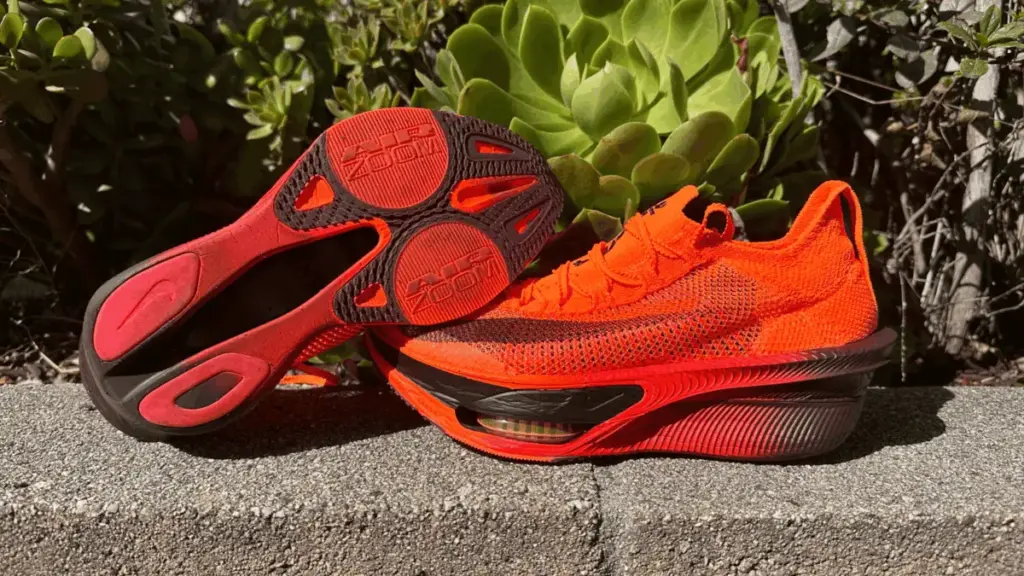
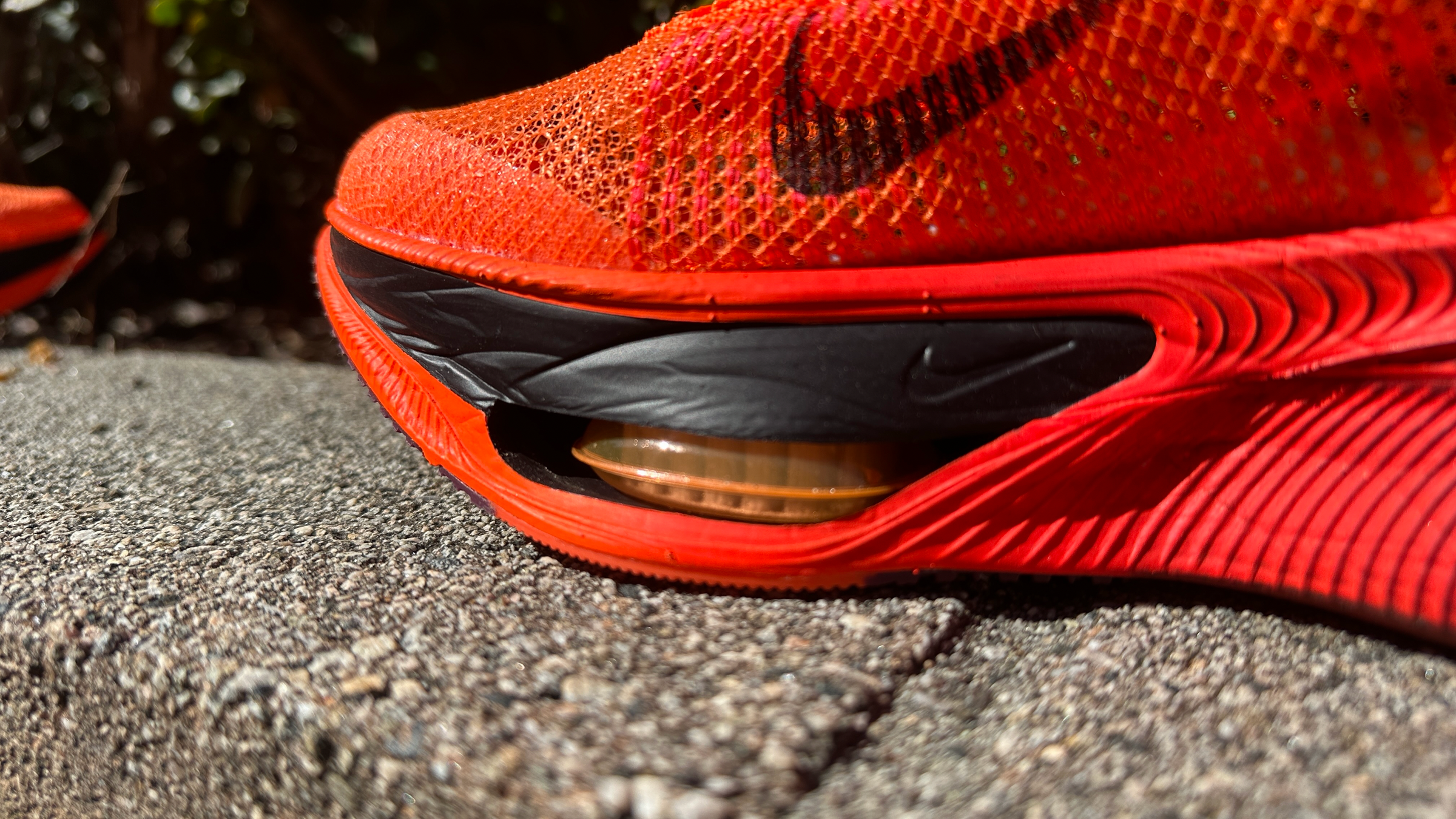
The most monumental structural modification centers on how the forefoot Air Zoom units are sealed. While the Alphafly 3 relied on traditional heat-sealing methods for these air pockets, the Alphafly 4 transitions to a radio frequency welding technique. This modern manufacturing process produces significantly thinner and cleaner seams. Nike reports that this shift alone renders the Air Zoom units approximately 30 percent lighter while simultaneously delivering a softer underfoot sensation.
Complementing these updates, the full-length carbon fiber plate retains its signature scooped geometry, but designers slightly widened the platform to enhance lateral stability. Resting directly above this plate, Nike introduces a brand-new iteration of its proprietary foam called ZoomX LT. While this foam utilizes the exact same chemical ingredients as standard ZoomX, it undergoes a completely different processing method. Schoolmeester notes that this specialized treatment reduces overall weight while amplifying the material’s energy return capabilities.
When putting the Alphafly 4 through its paces on the road, the underfoot experience immediately stands out as drastically different from the Alphafly 3. The overall sensation is notably softer and more heavily cushioned, particularly under the forefoot. Even during a casual warm-up walk, enough pressure is generated to easily compress and engage the revamped Air Zoom units. Rather than labeling this shift strictly as better or worse, it is simply much gentler on the body.
The Alphafly 3, by contrast, operates on a high-responsiveness philosophy where the runner must supply significant force to reap the energetic reward; the harder you push, the more explosive the return. The Alphafly 4 lowers the barrier of entry, requiring less force to activate the cushioning system, though it trades away some of that aggressive, instantaneous snap at top speeds. During testing, the shoe felt remarkably comfortable and forgiving at slower recovery and aerobic paces. However, when the workout demanded pushing into 10K pace or faster, the shoe lacked that fierce, explosive pop off the tarmac that defined its predecessor.
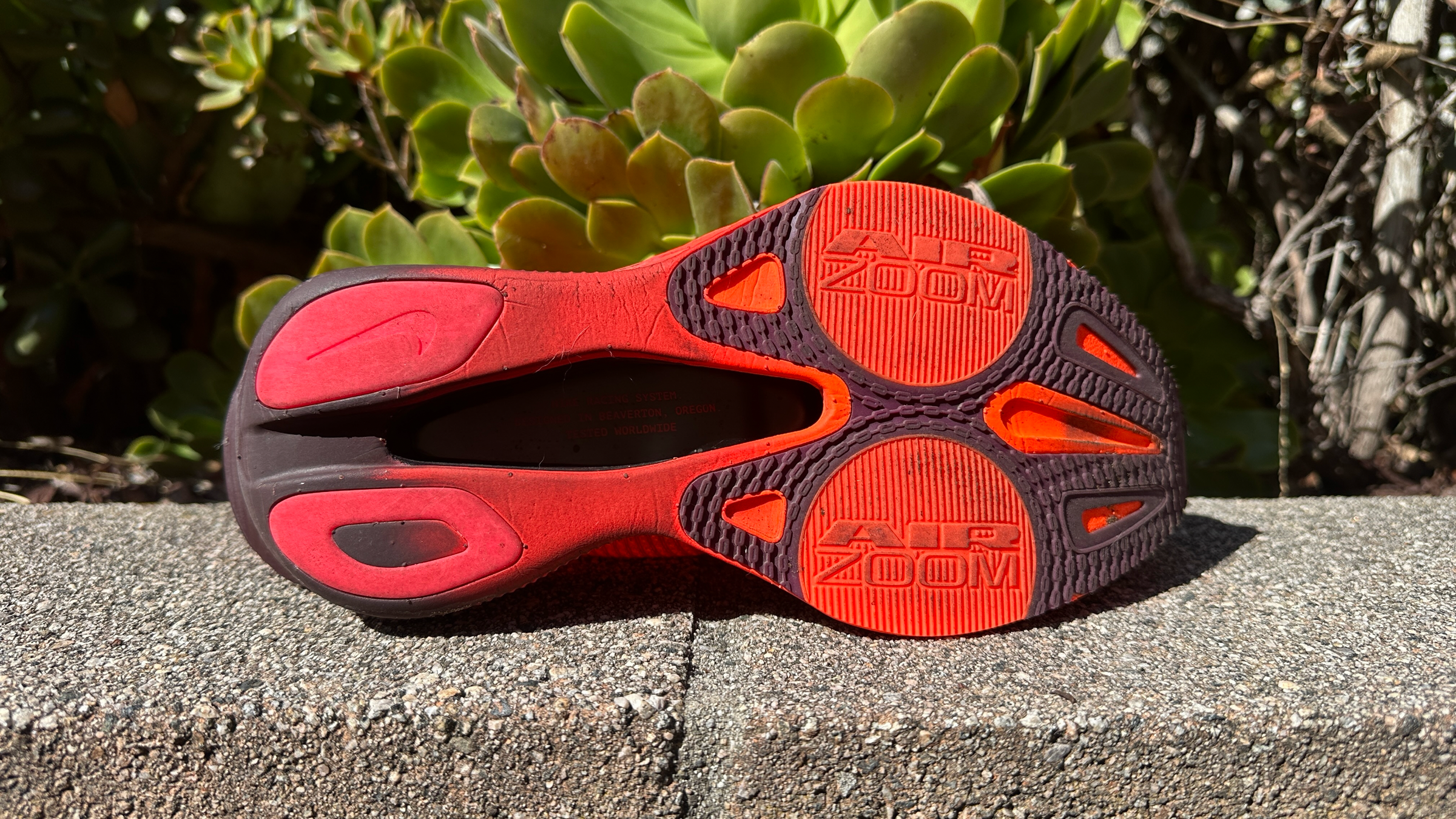
Even though continuous testing over a full 26.2-mile marathon distance was not part of this initial evaluation, technical intuition suggests that the softer ride of the Alphafly 4 will prove exceptionally valuable during the grueling later stages of a marathon. When physical fatigue inevitably degrades running form in the final miles, the prioritization of deep cushioning over aggressive propulsion often becomes the deciding factor in maintaining forward momentum. These strategic adjustments further distance the Alphafly from its firmer, hyper-responsive sibling, the Vaporfly 4—a racing flat that remains strictly recommended for distances up to 10Ks for the vast majority of runners.
Another major breakthrough in the Alphafly 4 lies in the execution of the upper. The Alphafly 3 was notorious for its restrictive, tight fit that made entry a frustrating struggle for many runners. Furthermore, as feet naturally swell over the course of marathon efforts, that tight upper frequently turned painful. The new AtomKnit upper addresses these complaints directly by offering a much softer, more accommodating wrap that slips onto the foot with ease. The expanded volume within the toe box provides ample room for natural toe splay, combining to create a vastly more comfortable environment over long durations.
Nike Alphafly 4: Who It’s For
Normally, evaluating a major product update yields a binary conclusion regarding whether a shoe represents a clear step forward or backward from its predecessor. Yet the Alphafly 4 defies such simple categorization, leaving evaluators thoughtfully weighing its distinct character. Additional mileage over various training blocks may ultimately provide a definitive verdict, but the current reality is that both the predecessor and the newcomer are exceptional racing shoes—they simply cater to different preferences and racing scenarios.
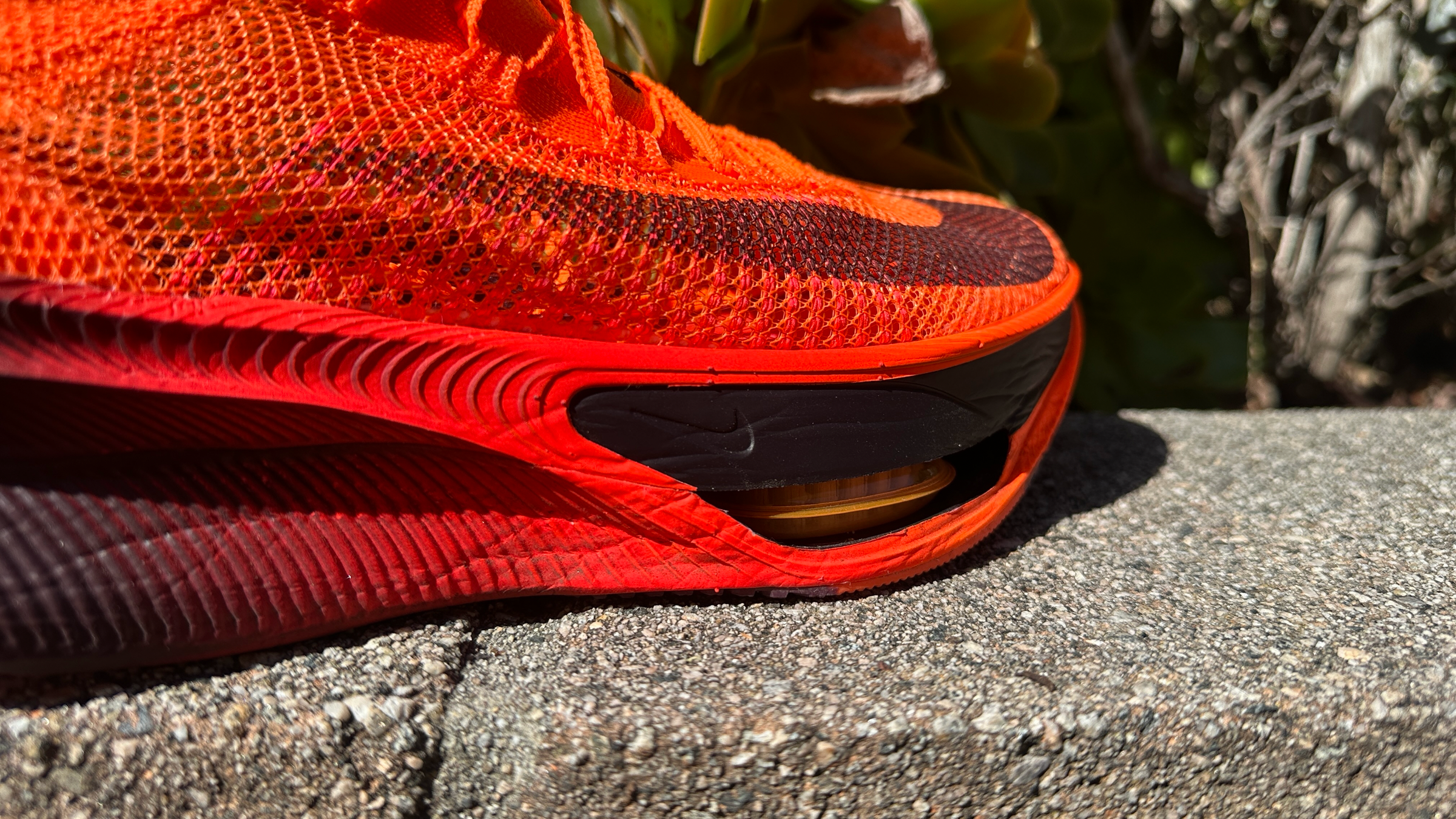
For the standard marathon distance, the Alphafly 4 is likely the superior choice for a broad spectrum of runners. The refined fit and more forgiving upper drastically improve long-term comfort, while the lighter, softer platform delivers greater cushioning and rebound at sustainable, everyday racing paces. Conversely, for shorter, high-intensity events such as a half marathon or a fast 10K, competitors may still gravitate toward a platform that is unapologetically responsive, snappy, and less squishy, ensuring every ounce of energy is funneled directly into forward speed.