



From the International Space Station, where NASA astronauts rely on on-demand additive manufacturing to produce critical tools and replacement parts in orbit, the applications of 3D printing have steadily expanded into consumer households. Here on Earth, enthusiasts across a wide range of disciplines are discovering that a desktop 3D printer can fabricate specialized components and accessories at a fraction of retail store prices. Yet for hobbyists weighing an initial investment, the central question remains whether the technology genuinely justifies its upfront hardware and material costs.
Additive manufacturing operates by translating computer-aided design, or CAD, models—either sourced from online repositories or custom-built by the user—into physical three-dimensional objects layer by layer. Entry-level consumer hardware, such as the Creality Ender-3 V3 SE, typically starts around $170, while more sophisticated systems can easily scale to $700 or higher depending on their capabilities. The most prevalent consumer machines rely on filament, predominantly polylactic acid, or PLA, which generally sells for approximately $20 per kilogram. By calculating the combined cost of the printer and raw materials, hobbyists can quickly determine whether producing their own specialized items offers genuine savings compared to commercial alternatives. For those hesitant to purchase equipment outright, public libraries, community maker spaces, and online fabrication services provide alternative avenues for accessing the technology.
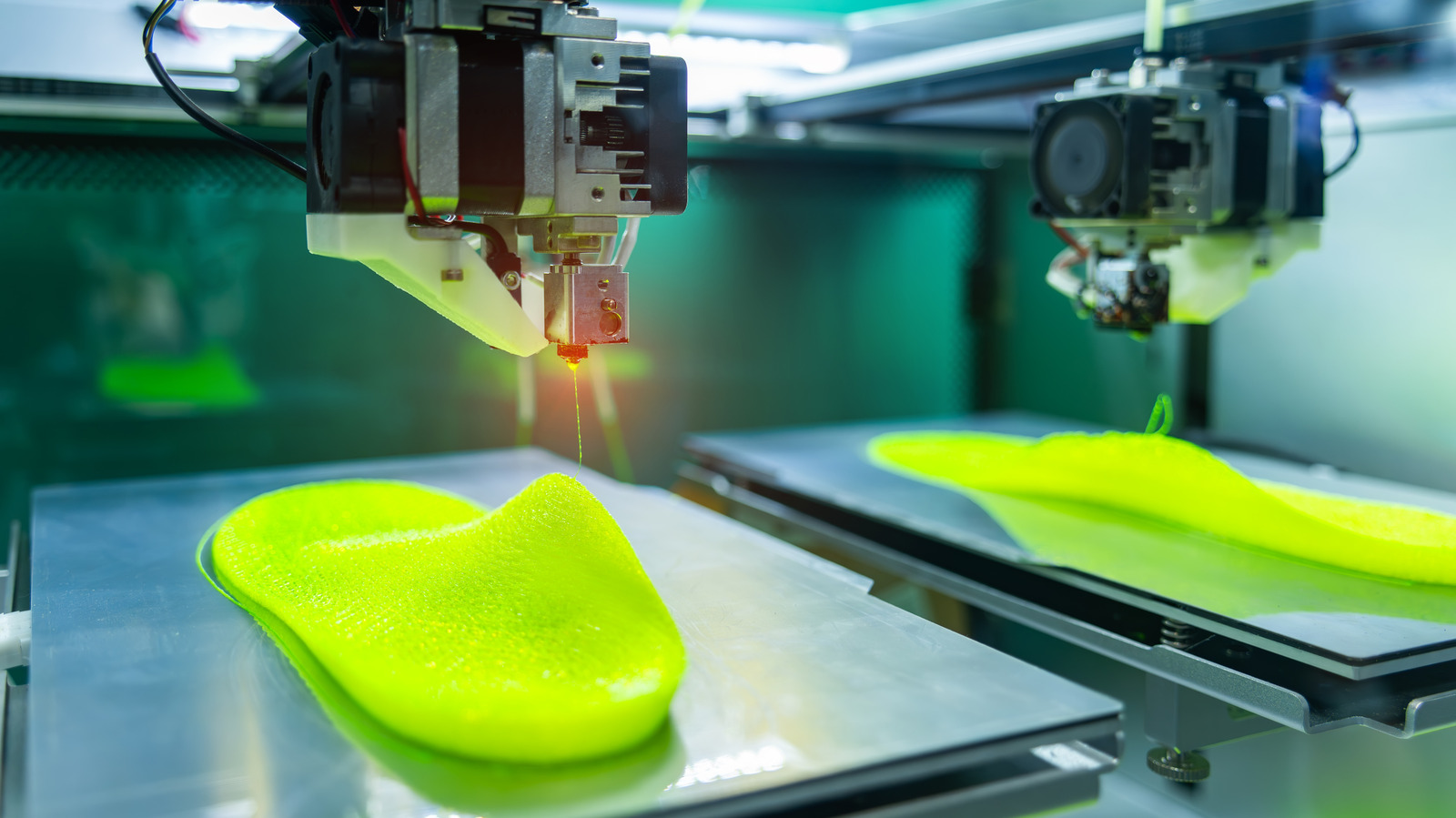
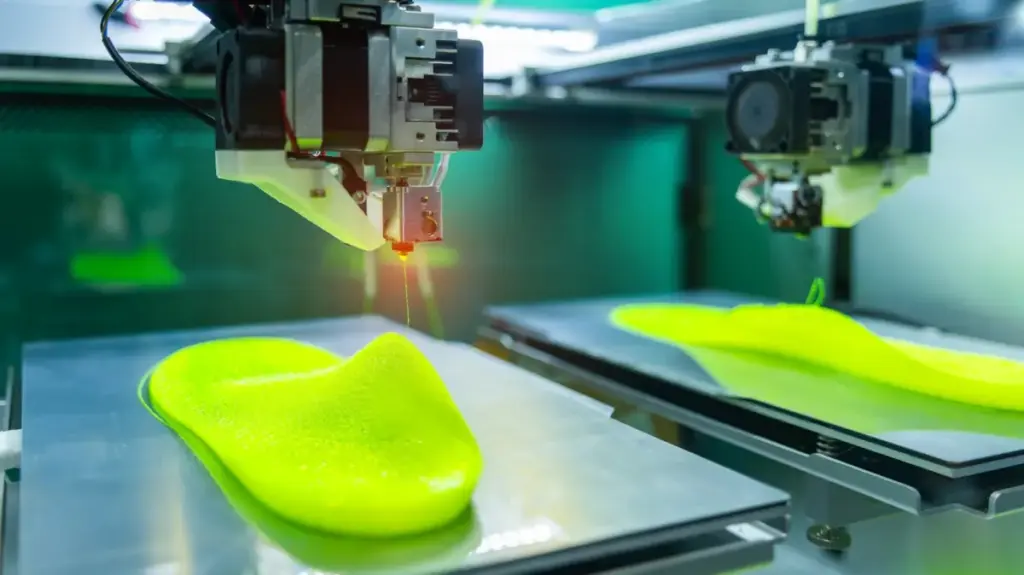
The vast majority of home devices utilize fused deposition modeling, or FDM, a process where plastic filament is pushed through a heated extrusion nozzle to build structures. Conversely, more advanced and costly systems employ resin-based stereolithography, known as SLA, or digital light processing, known as DLP, alongside polymer powder technologies like selective laser sintering, or SLS. While FDM printers serve as reliable workhorses for many common hobby needs, enthusiasts focusing on miniatures and items requiring ultra-fine geometric detail frequently opt for resin systems. Analyzing how these manufacturing methods integrate into popular pastimes reveals distinct areas where hobbyists can realize meaningful financial savings.
Replacement Parts for Drones
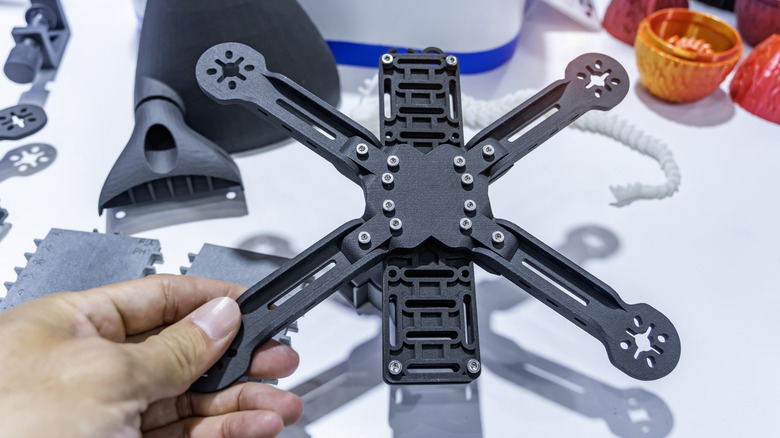
Drone piloting and remote-controlled vehicle operation rank among the most equipment-intensive pastimes, often requiring frequent repairs after unexpected collisions. Enthusiasts operating these vehicles are increasingly turning to additive manufacturing to produce spare chassis components, camera mounts, antenna guards, and arm protectors. Online 3D modeling communities host entire sections dedicated entirely to remote-controlled aircraft components, making it simple to locate pre-tested designs.
Industry experts caution, however, that operators should avoid printing flight-critical components, such as propellers, until specific material formulations, designs, and structural strengths have been thoroughly validated. Nevertheless, for the myriad secondary parts that frequently break during a crash landing, fabricating replacements at home can eliminate the recurring expense of purchasing proprietary components from manufacturers. Much like astronauts aboard the International Space Station, hobbyists can bypass traditional shipping delays and retail markups, ensuring their equipment returns to operation quickly and economically.
3D Printing for Gardeners and Gearheads
Maintaining a productive garden or managing vehicle repairs often involves acquiring a steady stream of specialized, disposable, or replacement parts. Whether operating as an avid horticulturist or a weekend automotive mechanic, enthusiasts frequently encounter hardware that is either sold exclusively in unnecessarily large quantities or priced at a premium due to its niche market appeal.
In the garage, additive manufacturing provides practical solutions for hard-to-find interior car trim pieces, broken control knobs, customized tool organizers, specialized wrenches, and multi-axis vises. Meanwhile, gardeners can fabricate custom plant markers, sturdy plastic clips, specialized planters, soil dibbers, and bird feeders on demand. The convenience of designing or downloading the exact tool required for a specific maintenance task helps eliminate the frustration, time, and financial overhead typically associated with sourcing specialized hardware through traditional retail channels.
Print Your Way to a Smarter Home
The ability to fabricate custom enclosures and mounts makes additive manufacturing particularly valuable for home automation projects. Beyond standard organizational accessories such as cable management systems, shelving units for central hubs, and wall brackets, the technology enables homeowners to pursue imaginative automation concepts tailored to their specific living spaces.

For instance, households utilizing near-field communication, or NFC, stickers to control smart home appliances can transition from utilitarian adhesive tags to distinct physical buttons and custom housings. Users can design decorative elements like guest Wi-Fi connection plaques activated by a simple tap, or fabricate custom desktop control interfaces. For those seeking advanced automation control panels, printing a dedicated chassis for a Home Assistant touch screen offers a cost-effective alternative to commercial hardware options, while universal tablet wall mounts can be produced to fit virtually any device configuration.
3D Printing for Photography and Videography
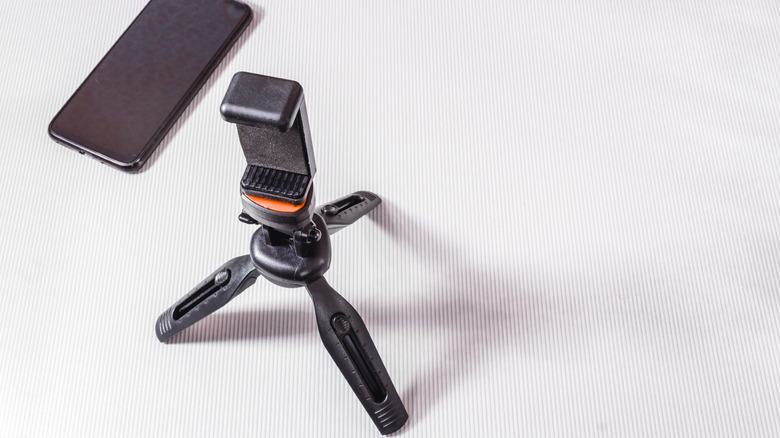
Photography and videography enthusiasts frequently encounter steep retail markups for seemingly basic equipment, including branded lens caps, specialized cable clamps, and proprietary battery holders. Additive manufacturing fundamentally alters this dynamic by allowing creators to produce universal lens caps, mechanical V-lock battery plates, custom microphone mounts, lighting brackets, selfie handles, and portable tabletop tripods for a fraction of standard retail costs.

Beyond replicating standard gear, the technology allows creators to modify existing CAD files or draft entirely new designs for single-use custom tools tailored to unique shooting environments. Whether mounting a camera in an unconventional position or organizing studio accessories, the flexibility to prototype and manufacture problem-solving equipment on demand provides a distinct financial and creative advantage for visual artists.
Dungeons, Dragons, and Railroads
Tabletop gaming, miniature wargaming, and scale model railroading represent another major arena where additive manufacturing offers substantial cost savings. Enthusiasts of Dungeons & Dragons and historical tabletop simulations routinely utilize desktop printers to fabricate expansive terrains, buildings, fantasy monsters, and custom character miniatures. Dedicated repositories such as MyMiniFactory demonstrate a thriving ecosystem of digital models designed specifically for gaming communities.
While historical wargaming often benefits from the ultra-high resolution of resin printers to capture intricate uniform details, FDM printers excel at producing durable scenery, dice towers, and organizational trays that ensure game components remain organized and secure.
Despite the clear potential for cost reduction across these varied pastimes, prospective buyers must carefully evaluate their projected usage frequency, technical proficiency, and ongoing material expenses before purchasing equipment. Furthermore, proper ventilation is essential, as desktop printing requires adequate airflow, making living rooms and bedrooms unsuitable locations for continuous operation. For those considering the transition, exploring community maker spaces or utilizing an existing printer belonging to a fellow enthusiast remains the most prudent initial step to determine whether the technology aligns with their personal hobby requirements.