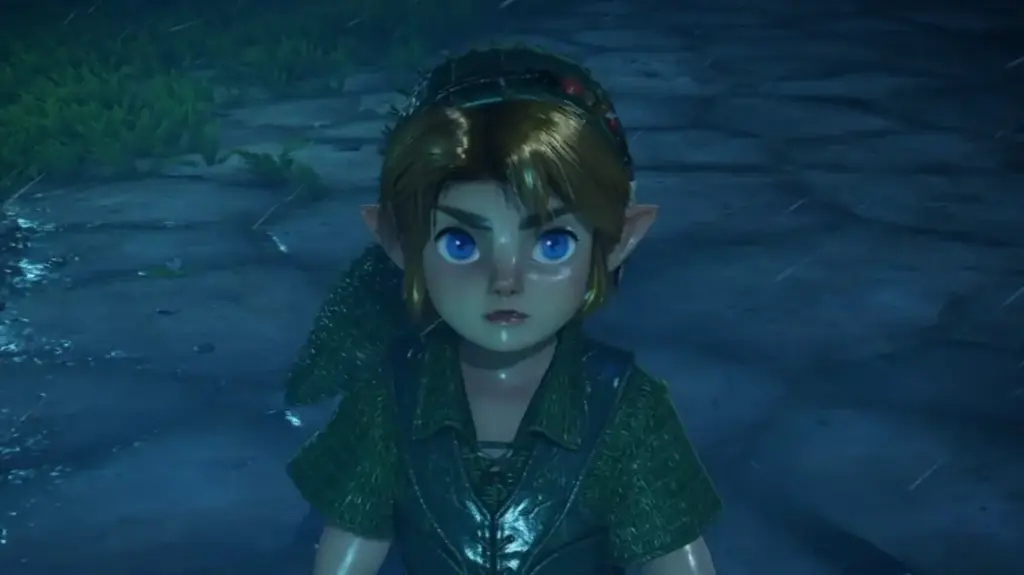
The recent Zelda Direct, celebrating the franchise’s landmark 40th anniversary, finally treated eager fans to their first look at gameplay footage for the highly anticipated The Legend of Zelda: Ocarina of Time remake. While the long-awaited reveal immediately stirred a wave of profound nostalgia for the 1998 Nintendo 64 original, the updated visual direction quickly divided the fanbase. In particular, the newly unveiled character designs—most notably the fresh rendition of the iconic hero, Link—have sparked widespread debate across social media and gaming forums regarding their distinct aesthetic choices.
Weighing in on the ongoing discussion on social media, veteran Nintendo developer Takaya Imamura suggested that the character models might reflect a deeply personal influence: legendary game designer Shigeru Miyamoto’s lifelong fascination with puppetry.
"What I felt upon seeing this character model [of Link] is that Miyamoto-san’s love of puppet dramas (ningyogeki) is strongly reflected here too!" Imamura shared in a post on X (formerly Twitter).
Imamura’s perspective carries considerable weight within the industry. Having spent over three decades at Nintendo, he is best known for his pivotal work on the Star Fox and F-Zero franchises, alongside serving as the art director for The Legend of Zelda: Majora’s Mask, the direct sequel to Ocarina of Time.
While Imamura later clarified in a follow-up post that he was merely offering his own speculation regarding the creative inspiration behind the remake’s visual style, the connection to Miyamoto’s known artistic preferences is hard to ignore. Miyamoto’s affinity for puppet theater and marionettes has been well-documented over the years, with puppet-inspired aesthetics and actual physical collaborations appearing across various Nintendo franchises and promotional campaigns.
Examining the potential roots of the Ocarina of Time remake’s character models points toward a rich history of traditional and televised puppet entertainment. Beyond Japan’s traditional bunraku puppet theater, Japanese broadcasters have produced numerous television series featuring puppets, particularly throughout the 1960s and 1970s. Archives from Japan’s national broadcaster, NHK, highlight an extensive history of ningyogeki programming stretching from the mid-20th century to the present day, with various other networks frequently adopting similar styles. Japan also regularly imported international puppet productions, most notably Gerry Anderson’s British sci-fi series Thunderbirds, which cultivated an enduring fanbase and left a lasting imprint on generations of creators.

Link’s newly updated look appears to channel the whimsy and classic charm associated with these televised puppet shows, aligning neatly with the timeless nature of the source material. However, many observant commenters quickly noted that the remake’s sharp-nosed, large-eyed characters also bear a striking resemblance to more recent Japanese puppet television adaptations. Specifically, comparisons have been drawn to NHK’s The New Three Musketeers (Shin Sanjushi, which aired from 2009 to 2010) and a 2014 puppet adaptation of Sherlock Holmes. The physical dolls used for The Three Musketeers were crafted by the renowned Japanese puppet-making firm Studio Nova—the same studio responsible for creating the physical models that served as references for the character designs in Dragon Quest 7 Reimagined.
As online discussions surrounding the Ocarina of Time remake intensified, fans began drawing comparisons to various other classic puppet and fantasy media. The oversized, glossy eyes and prominent facial features have reminded numerous viewers of fantasy classics like Jim Henson’s 1982 film The Dark Crystal and its subsequent streaming prequel series.
For longtime Nintendo enthusiasts, Miyamoto’s enduring fondness for puppets is a familiar creative signature. The original characters in the Star Fox series, for instance, bear a strong stylistic resemblance to classic Muppets, a connection that was made literal when actual puppets were utilized for the television advertising campaign promoting the very first game in 1993.
That puppetry influence took center stage during Nintendo’s memorable digital presentation at E3 2015. In a unique collaboration with The Jim Henson Company, Nintendo transformed several of its top executives into custom-made Muppet-style puppets. Shigeru Miyamoto, then-Nintendo of America President Reggie Fils-Aimé, and the late Nintendo President Satoru Iwata were all recreated as fabric-and-foam iterations of themselves to introduce the company’s software lineup.
Reflecting on that collaboration in an interview with IGN at the time, Fils-Aimé discussed how Miyamoto’s personal history informed the stunt. "One of the things that he shared was that in his youth, he used to make puppets," Fils-Aimé said. "So that led to a series of brainstorms and it led to our little collaboration with Henson studios and creating the Nintendo muppets. It was a very fun collaboration."
Revisiting a masterwork as revered as The Legend of Zelda: Ocarina of Time always carries the delicate task of balancing modern innovations with the expectations of a passionate global community. Whether the new marionette-inspired character models represent a charming evolution for the kingdom of Hyrule or an unexpected stylistic departure, the debate demonstrates just how deeply invested players remain in the foundational entries of the franchise.