
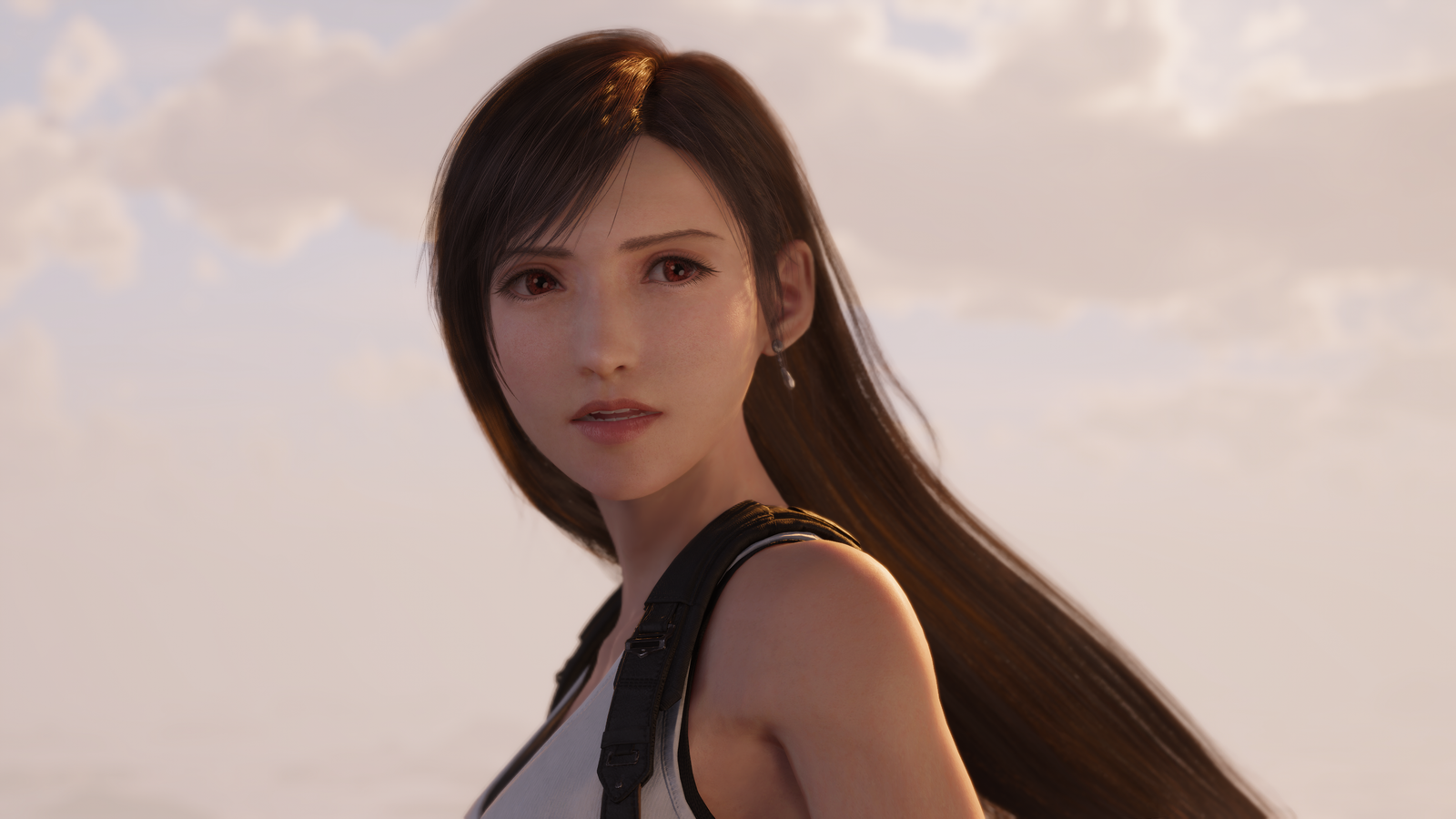
The journey that began over seven years ago with the release of the first installment in Square Enix’s ambitious Final Fantasy 7 remake trilogy is finally approaching its conclusion. At Gamescom 2026, an exclusive 45-minute hands-on preview offered a comprehensive look at Final Fantasy 7 Revelation, the third and final chapter of the reimagined classic. While 45 minutes is hardly enough time to fully unpack a game of this scale, the experience left a lasting impression, showcasing how the title takes the foundation laid by its predecessor, Rebirth, and transforms it into a jaw-dropping feat of modern game design.
FF7 Revelation is Redefining ‘Open World’
Final Fantasy 7 Revelation picks up the narrative threads immediately following the dramatic events of Rebirth. Aerith is gone, the party has welcomed new faces like Cid Highwind and Vincent Valentine into the fold, and the overarching mission is set: the squad is headed toward the remote ninja nation of Wutai. Crucially, this chapter of the journey introduces the airship, an iconic element of the original 1997 release that fundamentally changes how players interact with the game world.
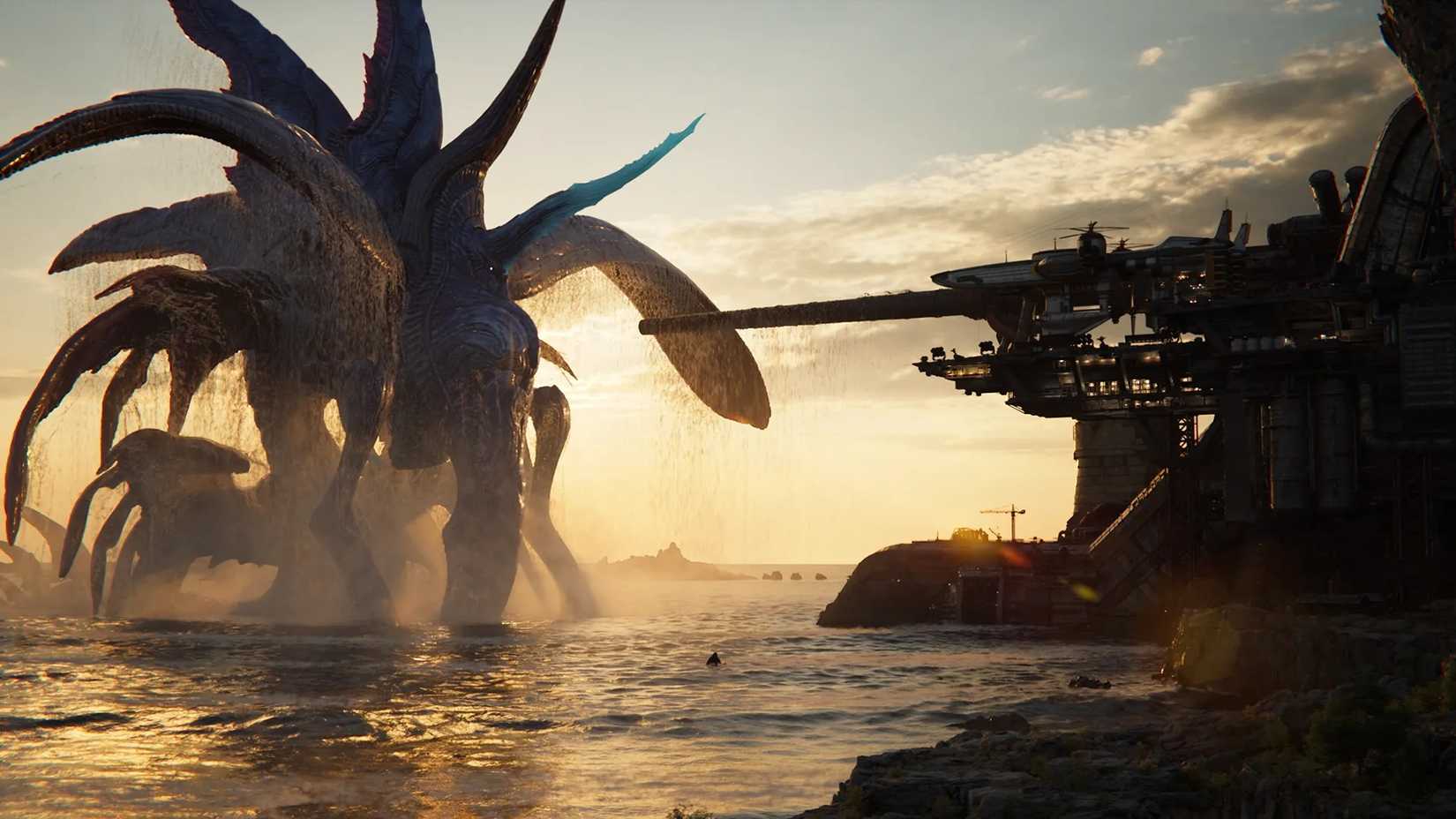
The demo dropped into the action a few hours into the campaign at the start of chapter four, titled "House of Cards." Aboard Cid’s airship, the Highwind, the party faces a new planetary threat in the form of colossal, kaiju-like creatures known as Weapons, which have begun emerging across the globe. Barret, true to form, loudly voices his protective fury over any danger posed to his daughter Marlene, regardless of the 300-foot-tall monsters lurking outside.
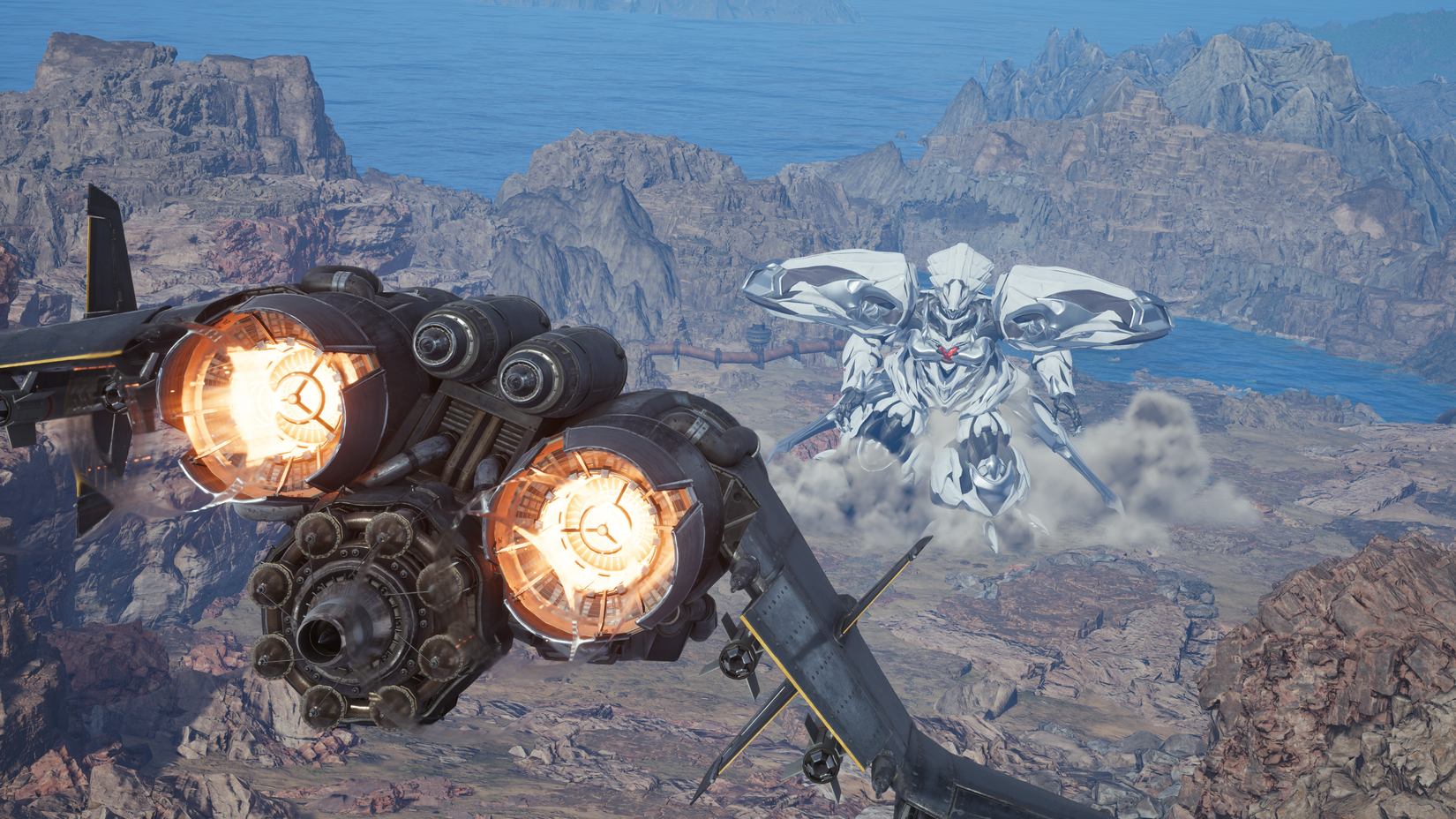
The real technical wizardry of Revelation becomes apparent the moment you take control of the airship. Players can pilot the vessel to virtually any location across the entire world map, park it, disembark, and dive out of the hangar before deploying a parachute to float gently down to the surface. Crucially, this transition happens completely seamlessly. Every single environment explored extensively in Rebirth—including Mideel, the Grasslands, Junon, Gongaga, Costa del Sol, and the Gold Saucer—remains fully intact, right down to the familiar scooters parked along the streets of Costa del Sol. Wutai serves as a new region specifically added for this third installment, though entering it during chapter four temporarily locks the player into the primary narrative mission.
Video game sequels rarely reuse environments, let alone every single environment from a massive predecessor. The immediate effect on the game’s worldbuilding is profound, fostering a genuine sense that the player is traversing a cohesive, living planet rather than moving through a series of discrete, compartmentalized levels. Much like rotating the perspective in Fez or breaking atmosphere for the first time in No Man’s Sky, the transition delivers a rare moment of technical wizardry that elevates the entire experience.
Combat Innovations and New Party Members
Beyond its seamless open-world traversal, Revelation maintains the high standards established by the previous two entries in the trilogy, blending high-end production values with a narrative tone that balances dire stakes with moments of levity. The combat system continues to merge real-time action mechanics with pause-time tactical menus, keeping the core gameplay loop as engaging as ever.

To shake up a combat system that has evolved over seven years, Square Enix has introduced several notable additions. Chief among them is the Function-Integrated Tactical Suitwear system, or FITS. This mechanic allows players to switch between four distinct costumes on the fly: Warrior, Knight, Black Mage, and Summoner. Each outfit brings its own unique movesets and stat advantages, enabling players to dynamically alter their party composition mid-battle and opening up deep strategic possibilities for advanced encounters.
The inclusion of Cid Highwind and Vincent Valentine also expands the party’s tactical toolkit. Cid fights using a staff that deals steady physical damage, though his kit features a high-risk playstyle that requires careful health management. Vincent, meanwhile, functions as an offensive powerhouse. During combat, he can transform into the Galian Beast, a towering wolf-like creature capable of tearing through enemy groups with immense force. Even at the high-level state of the demo, where characters hovered around level 45, the devastating potential of Vincent’s transformations pointed toward thrilling combat encounters.
By chapter four, players gain the ability to locate and confront the various Weapons scattered across the world map. Upon entering a region for the first time, the returning character MAI identifies the location of that area’s specific Weapon for tracking. MAI also floods the screen with pop-up notifications detailing regional side activities, including materia hunts, combat challenges, minigames, and dedicated side-quest chains. For instance, a side quest assigned by the theme-park manager Dio at the Gold Saucer tasks the party with tracking down rogue droids essential to running the park’s expanded minigame attractions.
Opting to bypass some of these side activities to focus on the main narrative path leads the player directly to Wutai. The region is depicted as a breathtaking amalgamation of Edo-era architecture nestled into cliff sides amid dense jungles, serving as the homecoming for Yuffie. Exploration of Wutai introduces numerous optional attractions, including an altar dedicated to Hades, an optional summon from the late stages of the original game who was absent from Final Fantasy 7 Rebirth.
Of course, the preview also highlighted the return of Queen’s Blood, the tactical card game introduced in Rebirth. Revelation features a significantly expanded version of the minigame, though players will be required to build their decks completely from scratch. While Queen’s Blood was tied to Cloud’s storyline in the previous game, Square Enix confirmed that the card game shifts to a Red XIII storyline in the final installment, complete with dedicated decks suited to his character arc.
As the capstone to an unprecedented multiyear project, Revelation leans fully into an ethos of scale—more party members, deeper customization, expanded minigames, and a sprawling world to explore. While Rebirth faced occasional critiques from players regarding open-world bloat, Square Enix is pushing all its creative levers forward for the trilogy’s conclusion. Thirty years after the original 1997 release set the standard for expansive role-playing games, the completed vision of Final Fantasy 7 is poised to make its mark once again.
Final Fantasy 7 Revelation is scheduled to launch on April 8, 2027, for PlayStation 5, Windows PC, and Xbox Series X.