


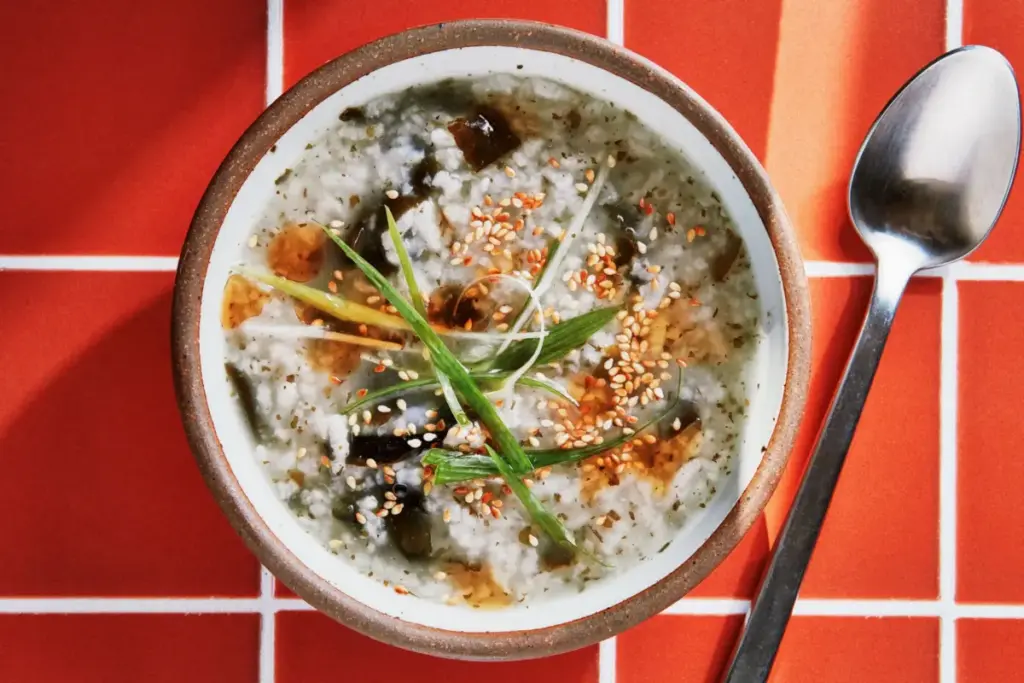
In the hazy, exhausting weeks immediately following the birth of her first daughter, cookbook author Trinity Mouzon Wofford found daily solace in a simple, deeply comforting bowl of Japanese-style rice porridge known as okayu. For Wofford, much like for many families across different cultures who turn to warm, easily digestible grains during times of physical recovery, this gentle dish became a foundational ritual of the early postpartum period. It was not merely a matter of sustenance, but a reliable culinary anchor that offered warmth from the inside out when the demands of new motherhood left little energy for complex meal preparation.
This culinary tradition highlights a universal truth about the postpartum phase—often referred to in lifestyle and parenting journalism as the fourth trimester—which is that the body requires profound physical replenishment. As part of an ongoing editorial exploration into the dietary traditions that sustain parents during this delicate transition, writers and editors frequently ask a fundamental question: What meal truly nourished you after welcoming your baby? For Wofford, the author of the cookbook Eating at Home, the answer is this unassuming yet transformative rice porridge, a dish designed to soothe both the digestive system and the spirit during a time of immense bodily change.
Okayu belongs to a vast global family of rice porridges, sharing conceptual similarities with Chinese congee and Korean juk, yet it maintains its own distinct place within Japanese home cooking. Characterized by its high water-to-rice ratio and long simmering time, the dish breaks down the grain until it reaches a velvety, soft consistency that demands very little effort from the digestive tract. In the context of the postpartum period, when internal organs are shifting back into place and digestive fire can often feel depleted from labor and delivery, foods that are warm, soft, and nutrient-dense are traditionally prized across many healing traditions. For Wofford, turning to okayu every morning during those initial weeks after childbirth was an intuitive choice rooted in the desire for a clean, uncomplicated meal that required minimal cognitive load to prepare yet delivered maximum comfort.
While the dish is remarkably humble, achieving its signature velvety texture involves a few deliberate culinary techniques that elevate a simple pot of boiled rice into something truly soothing. According to culinary traditions and professional kitchen practices, achieving the smoothest possible porridge begins well before the pot ever touches the heat. If time permits, letting the raw rice soak in cold water beforehand serves a dual purpose: it softens the grain significantly and can aid in the overall digestive process by breaking down complex starches before cooking begins.
The preparation method requires a modest amount of patience rather than intricate skill. To properly soak the rice, the washed grains are placed into a bowl and submerged in cold water, ensuring there is about an inch of liquid covering the top. This soaking process can be maintained for anywhere from thirty minutes up to four hours, depending on how much time the cook has available in their schedule. Once the soaking window has passed, any excess water is drained away before the cooking process officially begins. This small act of preparation ensures that the rice absorbs liquid evenly and breaks down into the desired creamy consistency rather than remaining stubbornly firm.
Beyond the rice itself, traditional variations of okayu often incorporate carefully selected ingredients that add subtle layers of flavor and nourishment without overwhelming a sensitive palate. Among these is wakame seaweed, an ingredient that many people will instantly recognize from bowls of miso soup served at Japanese restaurants or prepared at home. Dried wakame can typically be found easily in the aisles of well-stocked Asian grocery stores, sold in small, dry packages that expand exponentially once they come into contact with liquid. When incorporated into the simmering porridge, the seaweed imparts a gentle, briny depth and subtle umami that enriches the broth, providing a delicate taste of the sea that complements the neutral backdrop of the rice.
The inclusion of wakame also speaks to the broader nutritional wisdom often embedded in traditional postpartum diets. Seaweeds are frequently valued in various global culinary frameworks for their mineral content, offering elements like iodine, calcium, and magnesium that support overall vitality. In the context of a nourishing breakfast porridge, the addition of wakame transforms the dish from a simple carbohydrate into a more rounded, deeply satisfying meal that feels restorative on multiple levels. It provides a whisper of complexity to a recipe that is otherwise defined by its minimalism and ease of digestion.
For Wofford, sharing this recipe as part of her broader body of work, including her cookbook Eating at Home, reflects a philosophy of food that prioritizes emotional well-being alongside physical nourishment. Her culinary perspective emphasizes that home cooking does not need to be overly complicated or demanding to be deeply rewarding. During the fourth trimester, when parents are navigating the steep learning curve of newborn care, sleep deprivation, and physical healing, the kitchen can often feel like an intimidating space rather than a sanctuary. By championing recipes like okayu—dishes that require humble ingredients, straightforward techniques, and offer immediate physical comfort—Wofford highlights the importance of returning to the basics.
The tradition of relying on rice porridge during transitional life moments is not unique to a single household or even a single culture, but it takes on a deeply personal resonance when woven into the daily routine of early parenthood. For Wofford’s family, okayu has evolved into a generational touchstone, a dish that they reach for instinctively whenever anyone requires a simple, nourishing meal that warms from the inside out. Whether it is consumed in the quiet, predawn hours of a newborn’s feeding schedule or prepared on a chilly morning when the body simply craves simplicity, the porridge serves as a reminder of the power of uncomplicated food.
As discussions around postpartum care continue to evolve, there is a growing appreciation for the wisdom of traditional practices that center maternal recovery and gentle nourishment. By opening up the conversation about what parents actually eat and lean on during those vulnerable first months, culinary storytelling bridges the gap between private domestic life and shared human experience. Trinity Mouzon Wofford’s recollection of her morning bowls of okayu stands as an invitation for readers to consider their own culinary anchors—the foods and rituals that provide a sense of groundedness, safety, and comfort when navigating life’s most profound transitions.