

By Staff Reporters
WASHINGTON — In the realm of personal finance, few figures command as polarizing or dedicated a following as the blogger known as Mr. Money Mustache. For over a decade, his platform has championed a lifestyle of radical self-sufficiency, frugality, and the pursuit of early retirement through mindful efficiency. However, as his net worth has grown alongside his readership, critics have increasingly taken to online forums to suggest that his affluent status has divorced him from the realities of the common person. Detractors frequently argue that the financial guru no longer practices the money-saving doctrines he so passionately preaches.
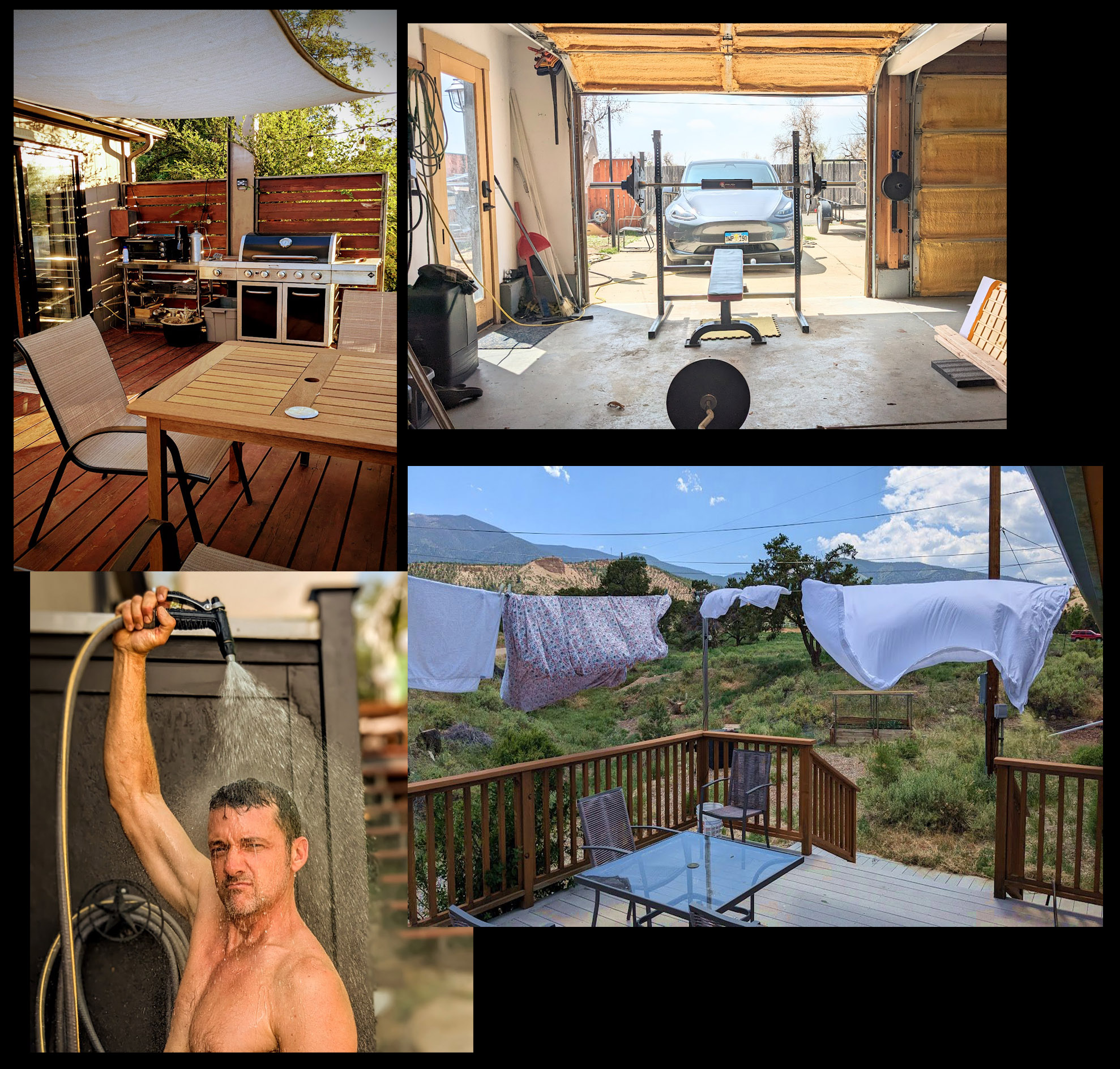
Yet, for the man behind the moniker, such critiques are met with amusement rather than defensiveness. While acknowledging that sharing personal life details online inevitably invites misunderstanding, he maintains that a close inspection of his daily routine—and the lives of fellow adherents, known as "Mustachians"—would dismantle the narrative that his principles are mere theory. According to the veteran blogger, very little has fundamentally changed regarding the basics of his financial philosophy. Much like many of his long-term readers whose net worths have steadily increased over the past twelve years, he has felt little compulsion to alter his spending habits. The core reason, he explains, is simple: he was already doing his best to live an inherently enjoyable life from the outset.
The philosophical divide between mainstream financial advice and Mustachianism largely explains this persistent adherence to frugality. Standard financial guidance typically advises individuals to slash spending and make short-term sacrifices until they hit a specific savings percentage, after which discretionary spending becomes purely a matter of personal choice. Under that traditional framework, a higher income often serves as a license to reduce those sacrifices, paving the way for a more lavish lifestyle.

In contrast, the Mustachian approach focuses on cultivating a deep-seated appreciation for efficiency, creativity, self-awareness, and continuous self-improvement. Adherents use this knowledge to enhance their quality of life across the board, finding that their monthly expense rates naturally decline over time as a byproduct of better living.
To illustrate how this philosophy manifests in daily practice, the blogger points to several contemporary examples from his own life—habits rooted in personal enjoyment that coincidentally yield substantial financial savings. Utilizing a metric he calls the "rule of 172"—multiplying a monthly expense by 172 to estimate how the funds would compound over a decade if invested—he breaks down the long-term impact of these everyday choices.
Fixing Our Own Spaces and Fostering Community
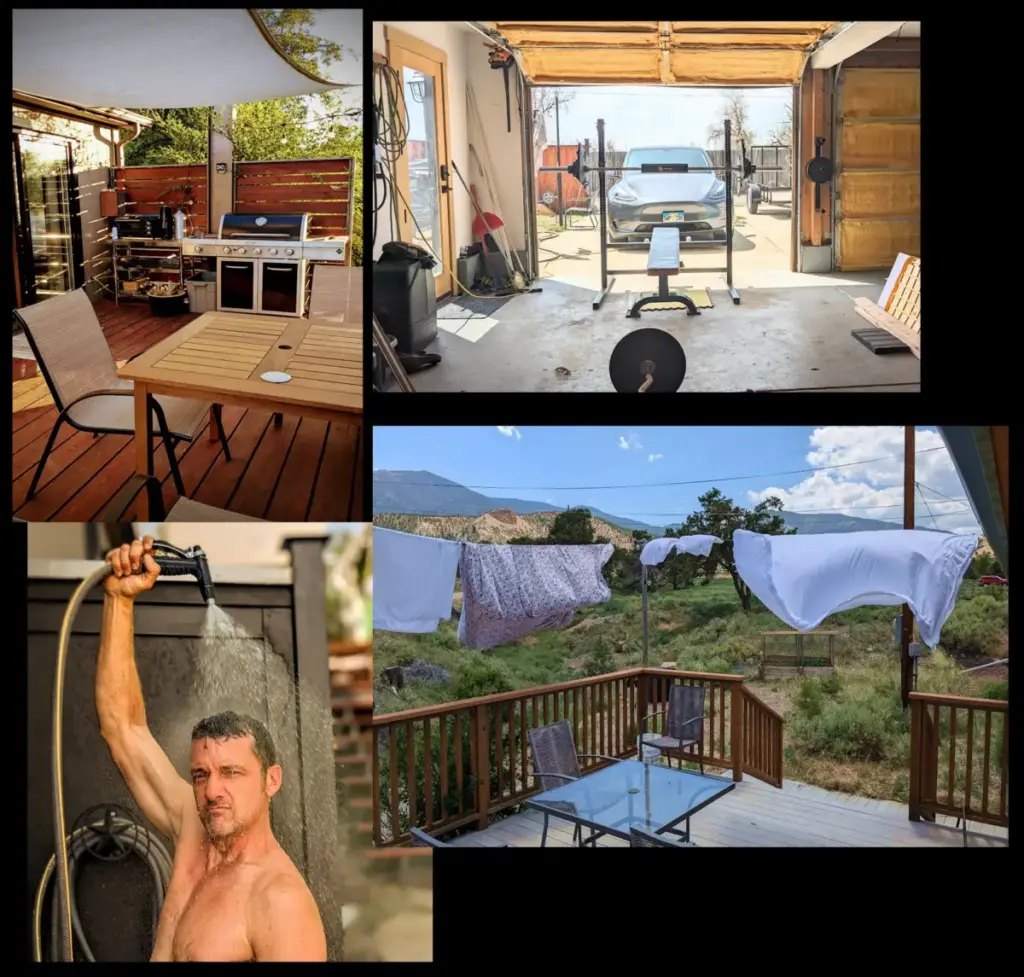
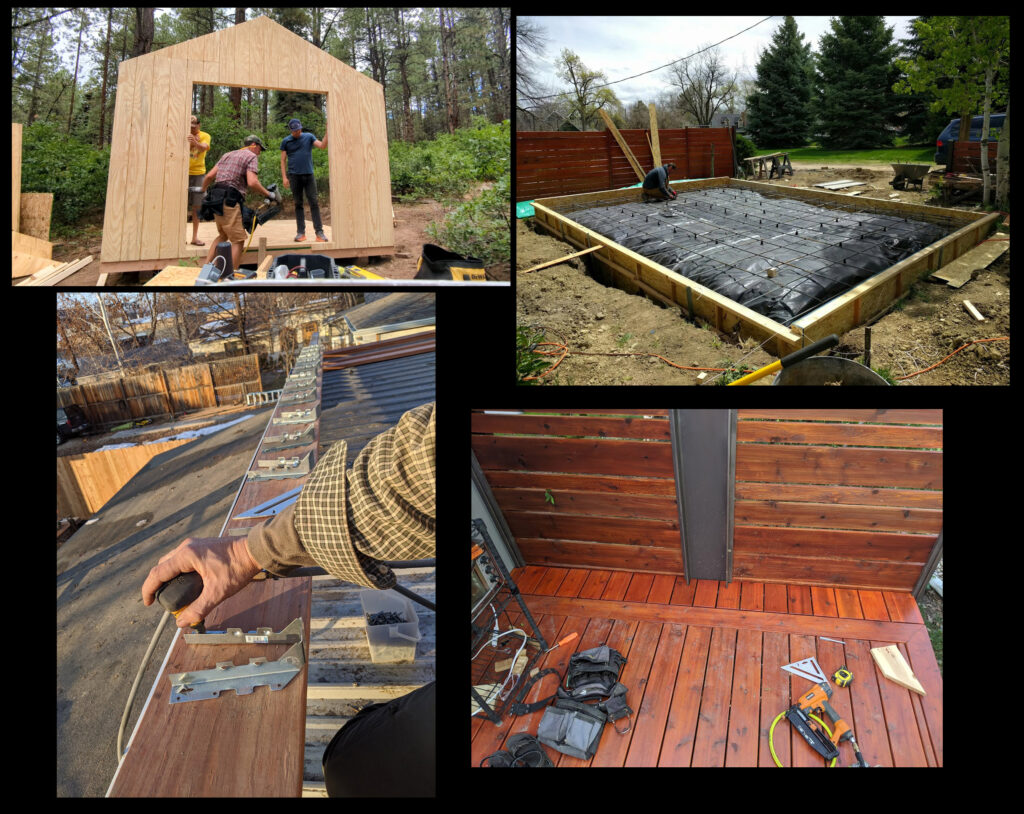
A central pillar of this lifestyle is the pursuit of self-sufficiency, encapsulated by the idea of becoming a producer of the things one most enjoys consuming. For the blogger, this translates into a passion for architecture and home improvement. Finding most houses poorly designed upon purchase, he channels his free time into redesigning and repairing properties, both for himself and for friends, thereby eliminating the heavy costs associated with outside contractors. This hands-on approach to home maintenance saves an estimated $20,000 per year, compounding to roughly $287,000 per decade.
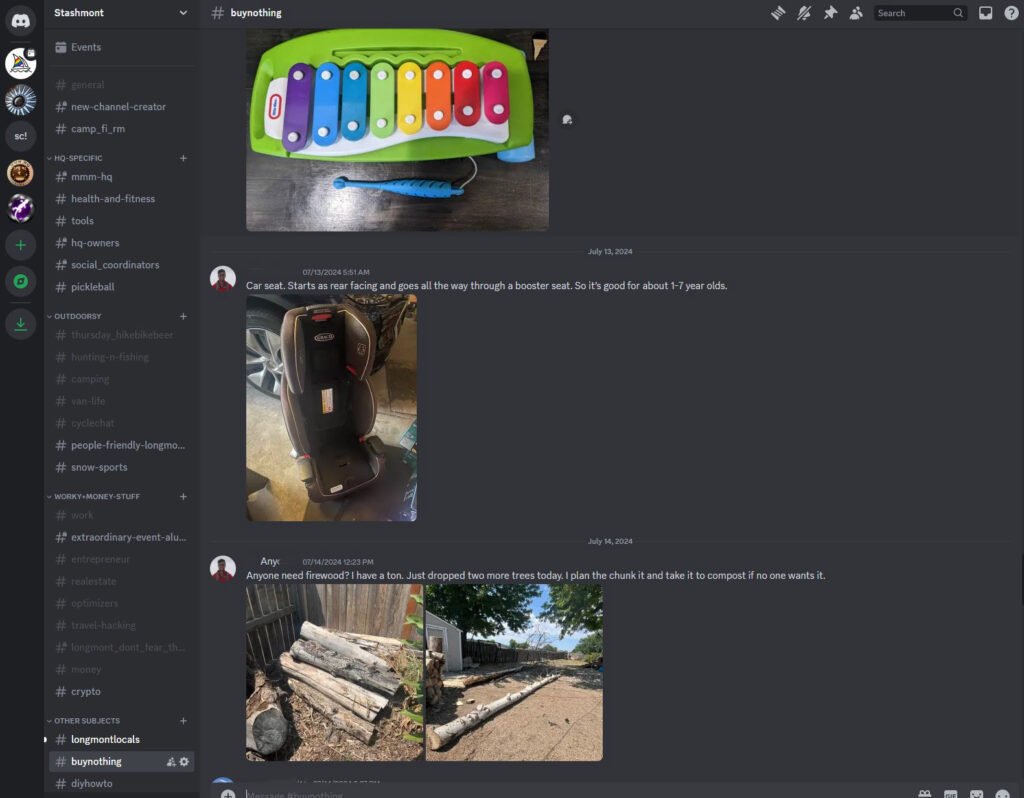
Beyond the physical structure of the home, this philosophy extends into community sharing and resourcefulness. While financial success affords the convenience of purchasing brand-new items delivered instantly to one’s doorstep, Mustachians often find greater satisfaction in repurposing, sharing, and buying secondhand items from neighbors who no longer need them. Utilizing platforms like Craigslist, Facebook Marketplace, and local Buy Nothing groups, alongside private community Discord servers dedicated to local trade and DIY advice, creates a robust social network while keeping unnecessary consumption at bay. These habits collectively generate an estimated savings of about $42,000 per decade.
Prioritizing Muscle and Active Transportation
Transportation choices represent another major divergence from conventional modern living. Maintaining that active transportation is superior for both the wallet and the soul, the blogger continues to rely on bicycles and walking for the vast majority of local trips. While owning a car remains a high-cost endeavor—with standard operating expenses easily exceeding fifty cents per mile due largely to depreciation and maintenance—choosing a bicycle-centric lifestyle within a walkable city center dramatically reduces those overhead costs, saving an estimated $14,000 per decade.
More importantly, opting for active transportation ties directly into a broader philosophy of favoring muscle over motor. Whether choosing stairs over elevators, walking a golf course instead of riding in a cart, moving heavy furniture independently, or shoveling snow by hand rather than using a machine, the guiding question remains simple: does this choice promote greater health and fitness or less? By remaining physically active through daily chores and movement, adherents bypass the sedentary lifestyle common in modern society. While exact calculations are difficult, the blogger estimates that maintaining robust personal health conservatively saves upwards of $10,000 annually in potential healthcare costs, compounding to an impressive $140,000 per decade.

Energy Efficiency and Local Living
Energy management within the household further bridges the gap between environmental consciousness, fiscal prudence, and personal entertainment. Describing his living space as an "energy efficiency playground," the blogger channels his inner engineer and carpenter to implement passive solar heating, utilizing strategically placed windows and sliding doors to capture natural warmth during the winter months. By treating household energy reduction as a series of creative engineering experiments rather than an oppressive chore, he maintains utility bills significantly below regional averages, yielding an estimated savings of $30,000 per decade.
Similarly, a deliberate preference for local living over constant travel reshapes the financial and social landscape. During peak travel seasons when many families spend heavily on distant vacations, choosing to stay home, host guests, and enjoy local surroundings fosters deeper community ties and reduces stress. Replacing just two weeks of family travel with local engagement saves significant direct and incidental costs, amounting to an estimated wealth increase of $143,000 per decade when accounting for health and local friendships.

When aggregated, these everyday habits compound to an estimated $656,000 every decade—a sum that more than doubles the median wealth accumulated by most American seniors approaching retirement after forty years in the traditional workforce. For the pioneer of the Mustachian movement, these figures prove that lasting financial freedom does not require extreme deprivation, but rather a slight, mindful adjustment toward greater efficiency and everyday joy.