



For millions of households, running tap water through a kitchen pitcher or a refrigerator dispenser is a daily ritual performed with a reassuring sense of finality. The assumption is straightforward: once the water passes through the filter, the boxes are securely checked. The unpleasant taste of chlorine is gone, mystery particles are trapped, and microplastics are safely removed. Yet, a growing body of environmental data and consumer health insights suggests that this everyday peace of mind may be built on a false sense of security, as not all water filtration systems are created equal.
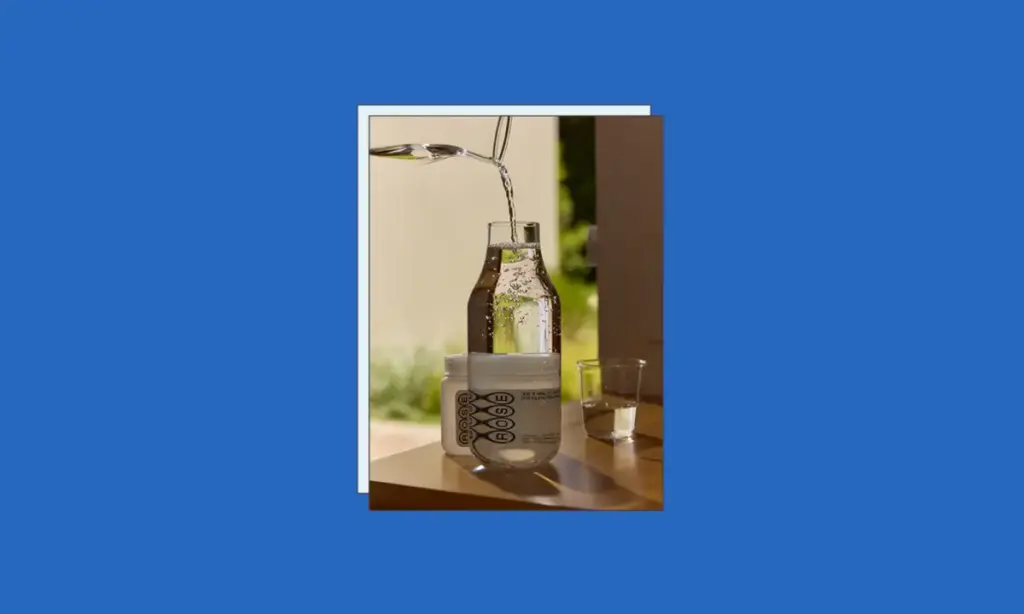
Depending on the specific design, age, and certification of the filter being used, a range of potentially harmful contaminants—including lead, per- and polyfluoroalkyl substances (PFAS), arsenic, and various agricultural pesticides—may still bypass the barrier and make their way directly into the drinking glass. To help consumers pierce through the assumptions and understand the true composition of their drinking water even after filtration, a new exposure-health startup called ROSE Water has officially launched its flagship at-home testing kit.
Why Having a Filter Doesn’t Mean You’re Covered
The misunderstanding often begins with what water filters are actually designed to accomplish. Filtration systems are certified to perform very specific jobs rather than eradicate every potentially harmful contaminant present in municipal or well water supplies. According to the NSF, an organization that develops independent standards for public health and safety certification of filtration systems, systems certified under NSF/ANSI 42 focus primarily on aesthetic improvements. This means they are engineered to improve the taste, smell, and appearance of water, rather than to reduce chemical contaminants that pose direct health risks.

For consumers seeking genuine protection against health-related hazards, filtration systems must carry certifications under much stricter standards, such as NSF/ANSI 53 or NSF/ANSI 58, which governs reverse osmosis systems. Even under these rigorous standards, the specific substances a filter is certified to reduce can vary widely from one model to another.
In practical terms, this means that just because tap water tastes cleaner or lacks a chemical odor does not mean it is free of dangerous contaminants like lead, arsenic, or "forever chemicals." Without a clear understanding of what a specific filter is certified to remove, households may not be getting the level of protection they assume they have paid for.
What’s Actually at Stake
The risks associated with unchecked drinking water contaminants are substantial and well-documented by public health agencies. According to the United States Environmental Protection Agency (EPA), there is no safe level of lead exposure, which is the foundational reason why the agency’s health-based goal for lead in drinking water is set at zero. Despite this regulatory benchmark, a comprehensive study published in recent years found that roughly 25 percent of tap water sources tested across various regions exceeded 1 part per billion of lead, which is the stricter reference level recommended by the American Academy of Pediatrics to protect developing children.

Equally concerning are PFAS, widely referred to as "forever chemicals" due to their remarkable persistence in the environment and the human body. These synthetic chemicals have been linked by health researchers to elevated cholesterol levels, liver damage, thyroid disease, and various reproductive health concerns. Their footprint is exceptionally widespread. One prominent scientific study estimated that between 71 million and 95 million people in the United States may rely on groundwater sources containing detectable levels of PFAS.
Introducing ROSE, the Exposure-Health Startup
Co-founded by Eli Bronner and Henry Ellis, ROSE enters the consumer health landscape positioning itself as a pioneer in exposure health. The enterprise is backed by a dedicated scientific advisory board comprising leading experts in environmental health, toxicology, epidemiology, and chemistry.
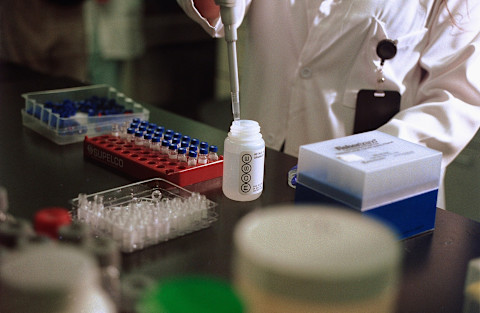
The company’s core offering is a $399 at-home water test designed to analyze a single tap water sample for more than 100 distinct contaminants, including PFAS, various pesticides, heavy metals, and volatile organic compounds. Rather than relying on simple color-change strips, consumer samples are processed within an ISO-certified laboratory using advanced analytical methodologies that the company reports exceed standard EPA performance criteria. For households with complex plumbing or multiple water sources, a two-tap bundle is also available to evaluate different points of use within the home.

The philosophy guiding the startup centers on a straightforward triad: "Test. Treat. Track." Instead of relying on guesswork regarding what a water filter needs to intercept, consumers can pinpoint exact contaminants, implement targeted treatment solutions, and subsequently retest their water to verify whether the adjustments successfully resolved the issue.
How the Test Actually Works
Despite utilizing clinical-grade laboratory analysis, the testing protocol designed for consumers is streamlined to be straightforward. The process begins the night before sample collection by freezing an included ice pack. The water sample itself is collected the following morning, ideally after the tap has remained entirely unused for approximately eight hours to capture standing pipe water accurately. The entire collection procedure takes roughly seven minutes.
Following collection, the sample is dropped off at a shipping carrier on the same day—preferably between Monday and Wednesday to prevent any potential weekend transit delays that could compromise the sample. Laboratory findings are subsequently delivered via email, accompanied by customer support from the ROSE team to help interpret the data and answer technical questions regarding the results.

Turning Results Into an Actionable Plan
Having precise knowledge of what contaminants are present in drinking water fundamentally changes how consumers approach filtration. For instance, if ROSE laboratory results detect the presence of lead or specific PFAS compounds, homeowners can deliberately shop for replacement systems or upgrades certified under NSF/ANSI 53 or 58 standards specifically engineered to reduce those exact hazards.
In other instances, testing may reveal that an existing filter is performing adequately, but that the replacement cycle has simply lapsed. Regular retesting serves as a practical diagnostic tool to determine whether manufacturer-recommended replacement schedules align with the realities of local water chemistry, as standard timelines are typically based on broad averages rather than specific household conditions.
The introduction of the water test represents only the initial phase for the startup. The enterprise has outlined broader plans to expand into biomarker-based exposure testing, with subsequent developments anticipated for air quality, mold analysis, and broader body-based testing as part of an evolving exposure-health platform.
Ultimately, the launch of the ROSE Water Test highlights a vital nuance in modern domestic life: visual clarity and pleasant taste are not reliable indicators of purity. By providing accessible, laboratory-grade analysis of tap water, the service aims to remove the guesswork from home filtration, giving households the empirical data needed to verify whether their daily water consumption is truly protected.