


When it comes to Black women’s breast health, official healthcare statistics rarely tell a hopeful or comprehensive story. Medical data consistently shows that Black women are diagnosed with breast cancer at a younger median age—typically 60, compared with 62 for white women—and face a mortality rate that is 38% higher than their white counterparts. Furthermore, they experience the lowest survival rate across every known stage of the disease. Approximately one in five Black women diagnosed with breast cancer faces triple-negative breast cancer (TNBC), an aggressive and hard-to-treat form of the illness that outpaces diagnoses in any other racial or ethnic group.
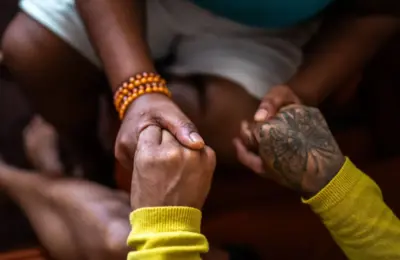
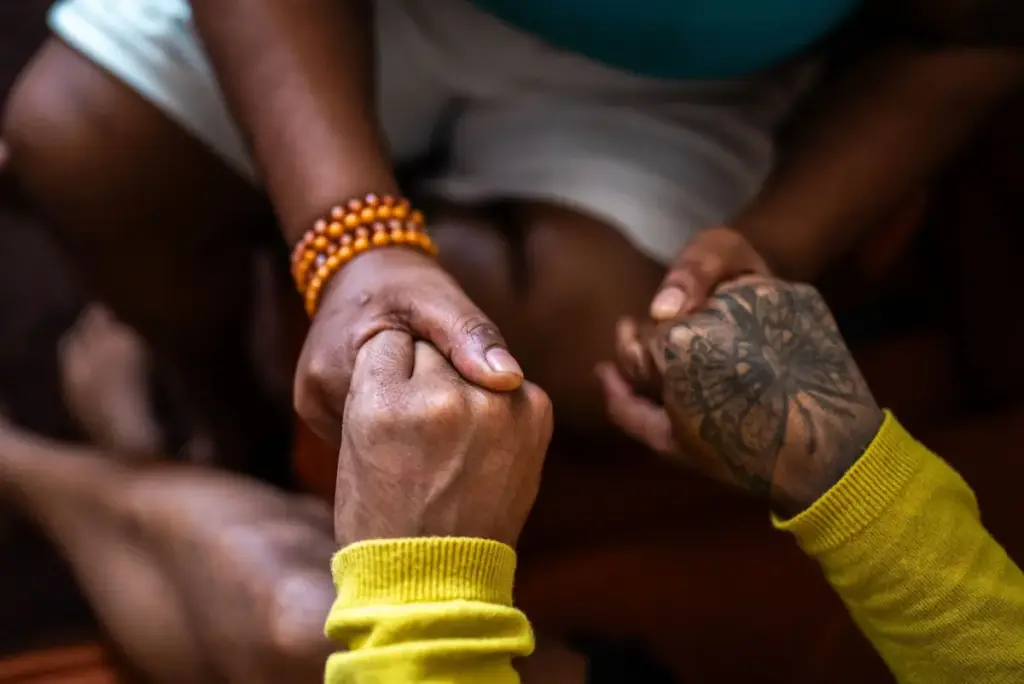
Yet, healthcare metrics and demographic spreadsheets will never capture the human element of the diagnosis: the middle-of-the-night phone calls, the emotional head-shaving gatherings, the therapy sessions that broke open deeply held grief, or the powerful moment a mother looks at her children and decides they are reason enough to keep fighting. Black women have always been more than a data point, and nowhere is that more evident than in the resilience, survival, and reinvention they demonstrate after navigating a breast cancer diagnosis.
Thirteen Black women have stepped forward to share experiences that refuse to be reduced to mere statistics. They are individuals with thriving careers, demanding family responsibilities, rich humor, unwavering faith, justified rage, and profound joy. Their encounters with breast cancer changed them in ways that were both devastating and transformative. By finding their own unique paths through treatment and beyond, they have constructed a legacy that metrics cannot quantify: a profound sense of community, renewed purpose, and a hard-won blueprint for survival that they are actively passing down to every generation of women who will follow them.
- "I put my boxing gloves on and fought with everything I had."
Monique Bass, 53, had always maintained a proactive approach to her personal health. As a single mother of twin sons and a grandmother of four, she initiated annual mammograms early, beginning at age 40. However, it was a self-examination conducted while lying in bed at age 47 that altered the trajectory of her life. She discovered a lump that felt structurally wrong.

What followed were three separate tissue biopsies of the lump over a span of three years, each of which returned benign results. While medical professionals advised continued monitoring, Bass pushed back against the standard wait-and-see protocol. The mass was steadily growing, and she understood her own body well enough to recognize that something was fundamentally wrong. She insisted on a surgical procedure to remove the lump, known as a lumpectomy, and demanded comprehensive testing. The definitive diagnosis revealed stage 1 invasive ductal carcinoma, an aggressive form of cancer that necessitated immediate chemotherapy.
Bass received the life-altering phone call while sitting in a car wash. Remembering the moment, she describes feeling as though she had stepped into another dimension. Never in her life did she expect to hear a physician utter the words telling her she had cancer. The timing compounded the difficulty, occurring in 2020 at the height of the COVID-19 pandemic, forcing her to navigate much of her medical journey in isolation. Layering the emotional burden further, she was simultaneously undergoing a divorce. Her rigorous treatment regimen included four rounds of doxorubicin, four rounds of paclitaxel, and 21 distinct radiation sessions. Losing her hair proved to be one of the most difficult psychological hurdles, though she notes the silver lining was that it eventually grew back even more vibrantly than before.
Throughout the ordeal, her spiritual foundation anchored her. Although not deeply religious in a traditional sense, she maintained a firm belief in a higher power watching over her. On the other side of successful treatment, Bass founded "What’s Behind the Bra?", a New Jersey-based nonprofit organization dedicated to distributing comfort care packages to breast cancer patients year-round, alongside hosting a weekly support podcast under the same name.
- "I surrounded myself with love and laughter."
Jaqueline Beale, 64, grew up in a family intimately familiar with cancer, including her mother, who had previously battled the disease. Because of this familial history, discovering a lump during a routine self-examination at age 40 did not come as an absolute shock. Although subsequent diagnostic sonograms and mammograms initially returned clear results, Beale recognized that something remained amiss and proactively pursued a biopsy.
When the radiologist called with the definitive results—indicating stage 1 breast cancer, meaning the abnormal cells had not yet spread beyond their original site—she could hear ambient street noise in the background. The physician casually noted that he was in New York trying to hail a cab, but wanted to inform her of the breast cancer diagnosis and advise her to find a specialist immediately. Despite the blunt delivery, Beale found a strange humor in the surreal nature of the interaction, a sense of levity she maintained throughout her treatment.

She made a deliberate choice to immerse herself in laughter and affection, informing her family that while she knew they loved her, she required sustained humor to weather the storm. She recalls a particularly memorable elevator ride following a debilitating chemotherapy session. When a fellow passenger asked if she was all right, her sister casually replied that Beale was fine and merely had "a little bit of cancer." While the bystander looked visibly horrified, Beale burst into laughter, knowing her family understood precisely what kind of emotional release she required.
- "What once felt like the end became the beginning of something greater."
Annita White, 51, was five months overdue for her scheduled mammogram. Balancing the demands of being a single mother to two boys, a higher education administrator, and a first-year doctoral student, she consistently found more pressing priorities. When she finally completed the screening, she anticipated the standard notification letter confirming normal results. Instead, she received an urgent call regarding a newly developed mass.
Before official biopsy results confirmed her fears, a technician noted the unusual hardness of the mass, and White felt the diagnosis intuitively. When official confirmation arrived the following day, she collapsed onto the floor in tears of desperation, overwhelmed by the immediate fear that she could not endure the road ahead.
The subsequent medical journey proved grueling across every metric: chemotherapy, the physical toll of losing her breasts, and the loss of her thick, long hair. Losing her hair left her feeling uniquely vulnerable and insecure, while the surgical interventions reinforced a painful sensation that her body was no longer her own. Beneath the physical suffering lay a deep-seated fear of running out of time—fearing she would not live to see her sons grow into men or meet future grandchildren.
Her personal faith, which she had quietly wrestled with for years while asking God to make His presence known in her life, met her directly in her darkest hour. Three years post-treatment, White is cancer-free, her hair has returned, and she has successfully completed her Ph.D. Now known professionally as Dr. Nita, she serves as a member of the African American Breast Cancer Alliance survivor network, sharing her testimony to uplift others. Reflecting on her transformation, she notes that what once felt like a terminal end ultimately marked the beginning of a greater chapter.

- "The clouds are moving. The sun has decided to show itself."
Marylande Regis, 38, had lived in her newly purchased Georgia home for only four months when her life shifted dramatically. Working as a registered nurse and a real estate agent while raising three children alongside her husband, she had recently stopped breastfeeding her nine-month-old infant when she detected a lump. Because the baby had never latched comfortably on that particular side, Regis contacted an on-call medical provider who dismissed the concern as a likely clogged milk duct, assuring her she was too young for serious illness.
Unwilling to accept the dismissal, Regis followed up with a second message insisting something was wrong. Another OB-GYN reviewed the communication and urged her to schedule an immediate in-person evaluation. Within two weeks, she received a diagnosis of aggressive stage 2B, BRCA1-positive breast cancer at age 36. Over the subsequent fortnight, the initial tumor and single impacted lymph node multiplied to three tumors and four impacted lymph nodes.
Relieved that she had trusted her instincts and allowed self-advocacy to override fear, Regis embarked on a rigorous treatment protocol spanning approximately 18 months. Her care plan involved six months of chemotherapy, a bilateral mastectomy, six weeks of radiation, a total hysterectomy to eliminate estrogen production, and subsequent reconstructive surgery. Experiencing the loss of friends and a cousin to the disease during her own treatment strained her spiritual and emotional resilience. To prepare practically, she wrote essential correspondence and drafted her own obituary, balancing relentless optimism with stark realism.
The most challenging aspect of the ordeal was relinquishing control. Accustomed to acting as her family’s primary coordinator for everything from vacations to medical schedules, asking for help felt entirely foreign. However, when she informed her parents, her mother moved in and remained a permanent fixture of support. Her husband, Kory, attended every appointment and stood by her side through simultaneous job losses. Drawing strength from her heritage as the daughter of Haitian immigrants, Regis views her survival as a victory for her entire family, allowing her to be fully present for her autistic son’s milestones and her older children’s educational pursuits.
- "Sickness had never been my world."
Judy Fambrough-Billingsley, 75, had lived a life entirely untouched by serious illness. A naturalized American citizen born in Germany, she maintained an exceptionally active lifestyle, walking three miles daily, swimming laps throughout the summer, attending Zumba classes, and playing soccer for three decades. Never smoking, drinking, or requiring daily medication, robust health was not a goal she consciously pursued, but rather her default state of being.

When she first detected a lump—followed by the appearance of another six months later—she initially dismissed them, especially given a clean mammogram earlier that year. However, as the masses continued to grow and multiply, she returned to her physician for diagnostic testing, resulting in an unexpected cancer diagnosis.
Confronting prescription bottles, hospital procedures, and unfamiliar clinical environments introduced her to a medicalized reality she had never previously inhabited. Yet, the resilience carrying her through the diagnosis was forged long before the illness. Growing up during the Civil Rights Era as the daughter of a prominent Black entrepreneur, her family maintained lifelong memberships in the NAACP. Fambrough-Billingsley served as president of the NAACP Youth Council and actively participated in the Student Nonviolent Coordinating Committee, instilling in her a lifelong refusal to surrender when confronting unaccommodating systems.
- "I was so used to always being the strong one."
Taylor Johnson was approaching her 30th birthday when she discovered a lump on her left breast. Working as a content creator and maintaining an active lifestyle, she consulted her primary care physician, who initially encountered resistance from healthcare administrators who denied her a mammogram due to her young age. Pushing past the institutional barrier, Johnson secured a direct biopsy instead, yielding a diagnosis of stage 2 triple-negative breast cancer.
Processing the diagnosis required a profound mental pause, followed by tears of realization. Undertaking a treatment plan consisting of six months of chemotherapy followed by surgery and radiation, Johnson quickly learned that maintaining her emotional composure was critical not only for her own well-being but for her five-year-old daughter, who closely observed her reactions. Having always identified as the pillar of strength within her household, the experience rigorously tested her emotional stamina. Supported by weekly prayer circles, family visits, and an attentive medical team at the Mayo Clinic in Arizona, Johnson completed chemotherapy with a renewed appreciation for her own inner resilience.
- "I wanted to feel supported through it, not just survive it."
Jessica Ncube, 41, spent her career and personal life caring for others as a licensed clinical social worker, mental health practice co-owner, and mother. Her diagnosis emerged quietly via routine mammography, reinforcing the vital importance of preventative screenings in the absence of physical symptoms.

Faced with unclear margins following an initial lumpectomy, Ncube elected to undergo a double mastectomy with reconstruction. Navigating the simultaneous emotional landscapes of deep gratitude and grief proved challenging for a professional accustomed to projecting strength. Recognizing the cultural expectation placed upon Black women to embody unyielding resilience, Ncube consciously worked to balance her inherent strength with emotional softness, learning to accept support, rest, and grace from her community.
- "Cancer doesn’t define you. You define you."
Ameiko Newman, 40, discovered her diagnosis under emergency circumstances after being hospitalized for severe abdominal pain. At a time when her life felt directionless and stressful, the cancer diagnosis paradoxically provided her with a renewed sense of purpose and resolve.
Currently undergoing weekly chemotherapy and immunotherapy treatments, Newman maintains a positive outlook anchored by daily prayer and church attendance. In the midst of her own survival battle, she discovered a broader mission: supporting other patients. She rebranded her business to design specialized headwear and scarves tailored for chemotherapy patients, prioritizing style and comfort for Black women undergoing hair loss.
- "I shifted to being overly optimistic."
Charlotte Connor, 38, discovered a lump shortly after undergoing a breast augmentation procedure at age 30. Initial medical consultations minimized her concerns due to her youth, and although she underwent mammograms and ultrasounds, an MRI was not performed. Within a year, the unmonitored mass tripled in size, leading to a definitive diagnosis of stage 2A ductal carcinoma.
Maintaining remarkable composure upon receiving her diagnosis, Connor consciously rejected despair in favor of intentional optimism. Visualizing her post-treatment life and the restaurants she planned to visit helped anchor her through the physical nausea of chemotherapy. She notes that maintaining this positive perspective was vital for her young daughter, who observed and mirrored her coping mechanisms.

- "We have been through challenges our whole lives. This is just one more."
Donna Culmer received a clean mammogram in 1999, only to discover a stone-sized fibrocystic lump a few months later. While that specific mass proved benign, secondary diagnostic imaging revealed a small, non-palpable stage 1 cancer on her left side. At age 46, serving as a military instructor and trainer working alongside the U.S. Marines while raising three children alongside her Marine husband, the diagnosis arrived with no convenient timing.
Enduring four months of exhausting chemotherapy and a subsequent mastectomy, Culmer relied heavily on her support system. Her father drove her to every appointment, and her church community brought services directly to her home. Now 73, she reflects that the generational resilience developed by Black women throughout history serves as an effective shield when confronting medical crises.
- "Therapy fortified me to get through cancer."
Patricia Fox, 38, was just 26 years old when she woke up with a golf ball-sized lump in her right breast. Initial visits to her OB-GYN yielded dismissive responses attributing the mass to dense breast tissue and likely cysts typical of young Black women. Trusting her intuition, she insisted on a biopsy, which confirmed estrogen receptor-positive stage 2A breast cancer.
Although initial optimism sustained her, the cumulative stress of treatment eventually triggered an emotional crisis. Seeking professional mental health support proved transformative. Through therapy, Fox learned to process her diagnosis and address underlying behavioral patterns and relational dynamics that did not serve her well. Recognizing that mental health care remains culturally stigmatized in many communities, she has made it her mission to encourage others to abandon silent suffering.
- "I turned to prayer to remain calm."
Annette Colden, 63, navigated her own breast cancer screening journey following the terminal illness and passing of her sister, who had extracted a promise from Colden to maintain vigilant mammogram schedules. Following initial normal screenings, a subsequent scan revealed an abnormality that physicians initially dismissed as non-cancerous lumpy tissue.

Trusting an internal warning sign that mirrored her late sister’s experience, Colden pursued further evaluation, leading to a stage 0 diagnosis at age 42. Leaning heavily on her religious faith and framing her spirituality as a partnership where divine guidance led the way, she maintained deep inner peace. Following her recovery, she dedicated her time to supporting fellow patients through the Roswell Park Comprehensive Cancer Center, echoing the community-focused vision of her late sister.
- "I quit my life and started a new one as an advocate."
Ricki Fairley, 69, received a life-altering phone call while standing in an airport security line for a work trip. Diagnostic testing revealed stage 3A triple-negative breast cancer, an aggressive form of the disease characterized by limited targeted therapy options and high recurrence rates.
The diagnosis prompted an immediate life evaluation. During her first year of treatment—which included a double mastectomy, aggressive chemotherapy, and radiation—Fairley made the radical decision to resign from her job, initiate a divorce, sell her home, and launch her own company. Believing that chronic stress contributed to her illness, she restructured her life around non-negotiable peace. When a subsequent metastatic recurrence presented a grim prognosis under initial medical care, she successfully sought out a specialist well-versed in modern TNBC research. Having overcome cancer twice, Fairley co-founded The Black Breast Cancer Alliance to actively work toward closing racial mortality gaps in healthcare.