


With the recent wave of social media trends putting a spotlight on fiber—often dubbed "fibermaxxing"—people around the world are increasingly prioritizing this chronically neglected nutrient. Yet, as the trend gains momentum, one persistent issue continues to surface across dinner tables and online forums alike: the uncomfortable side effects. As vital as it is to hit your daily nutritional goals, your body does not always make the process easy. Because dietary fiber is notoriously difficult for the human digestive system to break down on its own, it must be handed off entirely to the bacteria residing in the colon, which is ultimately the point of consuming it. However, introducing too much fiber too quickly can easily backfire, resulting in a barrage of painful, awkward, and inconvenient digestive symptoms, including severe bloating, embarrassing gas, and sharp stomach cramps.
Despite these common hurdles, gastrointestinal distress is by no means a valid reason to abandon your pursuit of a higher-fiber diet. Experts emphasize that the long-term benefits far outweigh the temporary discomfort if approached correctly. Even with fiber becoming an increasingly popular health and wellness trend, people still greatly underestimate its true importance and the vast number of ways it benefits the human body. Most individuals are already familiar with fiber’s primary superpower: its remarkable ability to keep you feeling full for longer periods, stave off stubborn constipation, and support an overall healthy gut microbiome. But nutritional scientists note that fiber wears plenty of other essential hats as well. It plays a critical role in lowering "bad" LDL cholesterol levels, stabilizing blood sugar spikes throughout the day, and significantly reducing your long-term risk for a wide variety of chronic diseases. In fact, overlooking fiber is widely considered by nutritional experts to be one of the most common and damaging mistakes people make in their daily diets.
If you feel deeply apprehensive at the thought of enduring constant stomach discomfort in your quest to correct a fiber deficiency, health professionals say your concerns are entirely valid. It is a daily complaint that gastroenterologists hear routinely from patients trying to clean up their eating habits. Patients frequently report that they intentionally increased their daily fiber intake, only to find themselves overwhelmingly bloated and plagued by abdominal cramps. Fortunately, nutrition and medical specialists point out that there is an effective strategy to curtail these disagreeable side effects so you can comfortably continue your nutritional journey. Experts refer to this gradual adaptation method as "fiber training."
What Exactly Is Fiber Training?
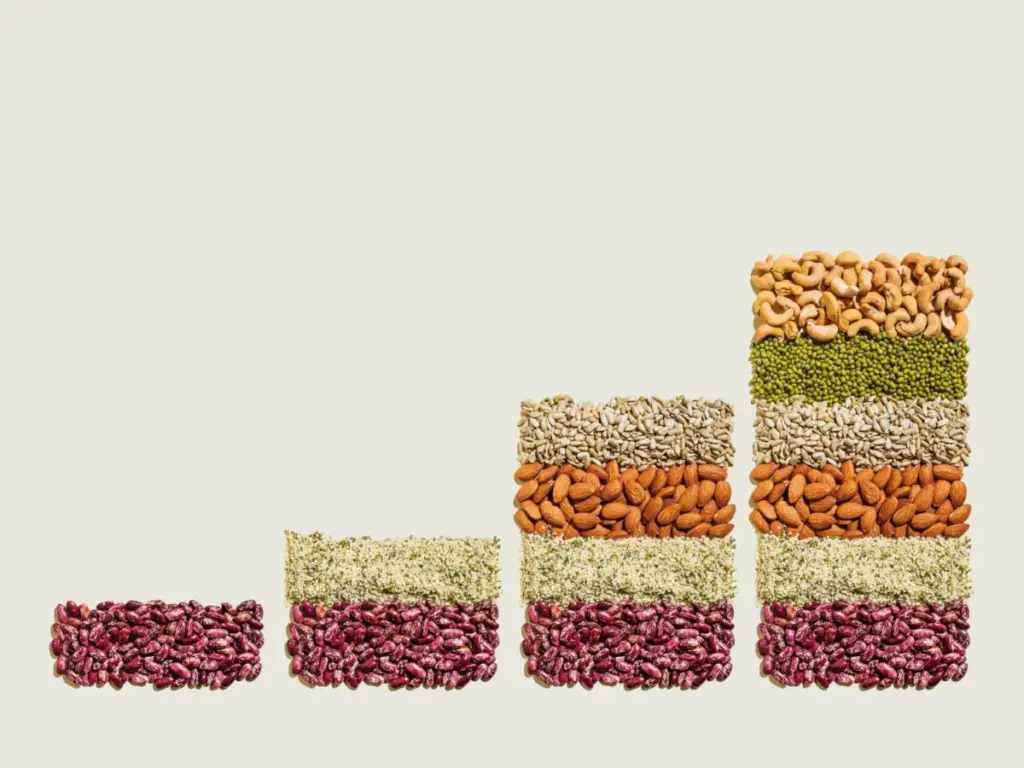
Fiber training is precisely what it sounds like: a deliberate, methodical process of training your digestive system to handle and process fiber more efficiently. The core principle relies on slow, consistent increases in fiber consumption to help the body build up its internal tolerance while simultaneously minimizing potential gastrointestinal symptoms.
To better understand the concept, experts often draw analogies to physical fitness and athletic conditioning. In much the same way that a sensible person would not suddenly wake up and attempt to run a marathon tomorrow if they have never even run a single mile before, individuals need to gradually work their way up to a high-fiber diet rather than diving in headfirst. Medical professionals frequently compare the approach to a proper weightlifting regimen. Rather than walking into a gym and attempting to lift heavy weights right off the bat, athletes must adjust their loads slowly. You start off with a lighter weight, and only when that becomes manageable do you incrementally step up to heavier resistance over time.
This gradual method of fiber training is especially critical if an individual is already experiencing constipation at the outset of their dietary changes, which is remarkably common. Even though fiber is celebrated for its ability to prevent and alleviate constipation when managed correctly, suddenly introducing a massive amount of fiber to an already sluggish system can actually exacerbate the existing issue by completely overwhelming the gut. When a massive influx of fiber is added to a system that is already backed up, it creates a severe bottleneck akin to a major traffic jam on a highway. Trying to force an overwhelming volume of material through a restricted pathway inevitably leads to a standstill.
How to Start Fiber Training
Understanding that fiber training entails a steady, measured increase in intake is the first step, but putting the concept into practice requires practical context regarding how much fiber an individual actually needs on a daily basis. Per federal nutritional guidelines outlined in official dietary recommendations, women in various age groups have specific daily targets. Women between the ages of 19 and 30 should generally aim for roughly 28 grams of fiber daily, while those between 31 and 50 should target around 25 grams. For women aged 51 and older, the recommended baseline drops to approximately 22 grams daily, though many health experts argue that even higher amounts can be beneficial depending on individual health profiles. These official parameters provide a helpful benchmark for anyone who might be unsure where to begin their dietary overhaul.
While the ideal rate of increasing fiber can vary significantly from person to person based on individual health needs and existing digestive conditions, most people benefit from adding roughly three to five grams of fiber at a time. With those parameters in mind, individuals can select specific whole foods that naturally fit into that precise fiber bracket. Options include a medium apple, which contains about four grams of fiber; a half-cup of cooked chickpeas, offering around five grams; a single tablespoon of chia seeds, providing roughly five grams; or two tablespoons of ground flaxseed, which delivers about four grams.
The strategy involves incorporating one of these specific servings into your daily routine and maintaining that exact level consistently until you feel confident that your body has fully adjusted. Signs of adjustment include the complete absence of any new or worsening bloating, excessive gas, or other gastrointestinal side effects. This adaptation phase typically takes anywhere from five to seven days for the average person. However, because every human digestive system is entirely unique, experts stress that there is no need to worry if you personally require more or less time to acclimate. Listening closely to your body and individualizing the rate at which you increase your intake is paramount. Following your body’s signals and taking things slowly ensures a much smoother transition.
Once your system has comfortably adjusted to that initial addition, you can safely tack on another similar dose—such as introducing a second apple, a full cup of chickpeas, two tablespoons of chia seeds, or four tablespoons of ground flaxseed into your weekly meal planning. By continuing to increase your fiber intake in these small, manageable increments and maintaining a slow pace, you can steadily bridge the gap until you finally reach your personal daily fiber goal. For instance, an individual starting from scratch who needs to reach a daily target of 25 grams can expect to get there through a series of measured steps over several weeks, avoiding the shock to the system that typically causes sudden distress.
Some Fiber Training Tips to Keep in Mind
Individuals who suffer from chronic constipation may want to tailor their fiber training approach by intentionally selecting foods that are low in fermentable oligosaccharides, disaccharides, monosaccharides, and polyols, collectively known as FODMAPs. These specific types of fermentable carbohydrates are known to be particularly harsh on sensitive stomachs and can easily aggravate gastrointestinal symptoms. Because increasing fiber intake when your system is already backed up can easily backfire, choosing low-FODMAP fiber sources provides a much safer route for sensitive individuals than jumping straight into high-FODMAP alternatives. Fresh kiwis, which contain roughly four grams of fiber in a standard two-fruit serving, are highlighted by nutrition experts as an exceptionally strong option for this exact demographic, noting that kiwis have even been specifically studied and utilized as a natural dietary treatment for constipation.
Similarly, experts note that incorporating a gentle, over-the-counter fiber supplement made from psyllium husk can offer many of the same physiological benefits while remaining considerably less irritating to a troubled or sensitive digestive tract. Another crucial tip for anyone managing constipation alongside their increased fiber intake is to ensure they are drinking plenty of fluids throughout the day. Because dietary fiber fundamentally requires adequate water to work its natural stool-softening magic, consuming insufficient fluids can leave bowel movements hard, dry, and difficult to pass, thereby exacerbating the very problem you are trying to solve.
No matter which specific fiber sources you ultimately decide to integrate into your daily meals, adopting a slow-and-steady approach remains the most reliable way to ease the transition toward a higher-fiber diet. When someone who is unaccustomed to dietary fiber suddenly consumes a high volume overnight, the colon simply lacks the microbial adaptation required to manage that load efficiently. But by leveling up your intake little by little, you can successfully enhance your overall digestive fitness and completely sidestep the awkward, uncomfortable stage that deters so many people from pursuing better long-term health.