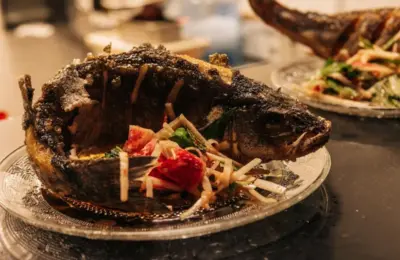



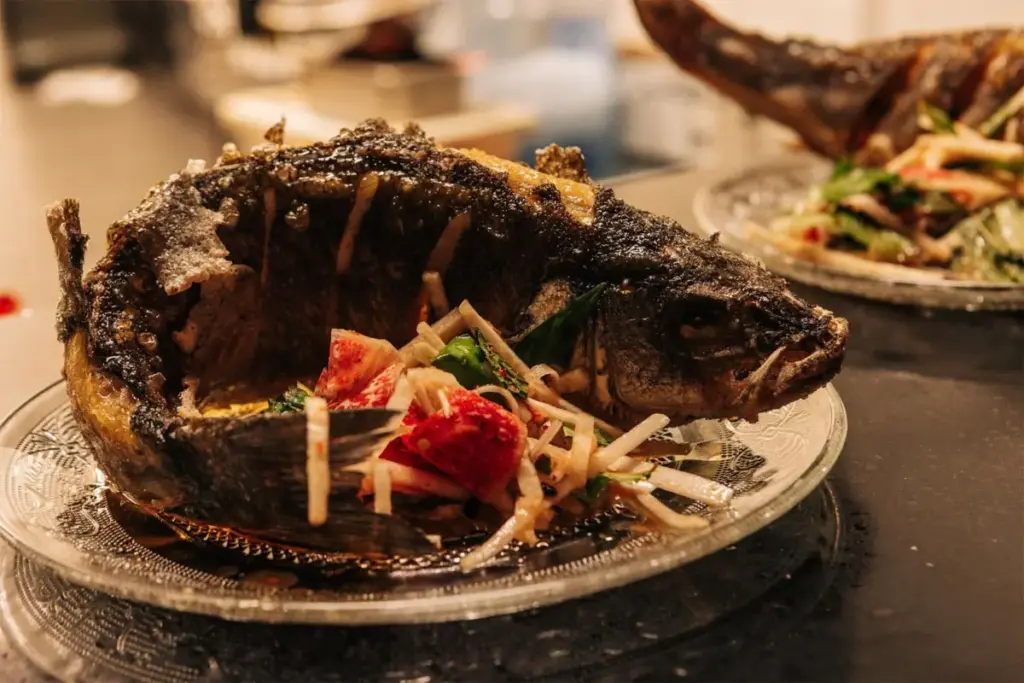
When Chanita Chayaluk decided to open her restaurant and wine bar Taan in Chicago, her vision was clear: she hoped to showcase Thai food in a different light. Reflecting on the culinary landscape of her adopted city, she noted that the first major wave of Thai immigration arrived in the 1970s, leaving behind a legacy where a significant portion of the Thai food available still feels rooted in that era. When Taan opened in September, its menu broke away from expected tropes, offering dishes such as miang—a traditional Northern Thai dish made with fermented tea leaves—and a whole, deep-fried fish smothered in a savory-sweet fish-sauce caramel.
Yet, introducing a nuanced, culturally authentic menu came with an unexpected hurdle unique to the local dining culture. Operating a restaurant in Chicago, Chayaluk quickly realized, involves navigating deep-seated regional tendencies. People in the area lean heavily into what is colloquially known as "Midwest nice," an innate desire to overaccommodate and appease the masses. In the early days of service at Taan, this cultural trait manifested as a relentless stream of guest requests for substitutions and dietary modifications.
These frequent adjustments began to take a toll. With a small kitchen and a lean staff, accommodating individual preferences for every order slowed down service and speed. This friction affected not just the kitchen workflow, but the overall guest experience in ways that Chayaluk found concerning. It reached a point where the operation began to feel less like an intentional, culturally grounded dining destination and more like a fast-casual assembly line. The breaking point arrived definitively when a diner ordered the green curry mussels, but asked for them without the mussels.
Faced with the erosion of culinary integrity, Chayaluk took a firm stand. She implemented a limited substitution policy at Taan, taking to Instagram to explain the rationale behind the boundary. She emphasized that foundational ingredients like fish sauce and shrimp paste are the very fabric that defines Thai cuisine, and therefore, could not be removed from any dishes that inherently include them.
This clash between uncompromising culinary traditions and modern dining expectations is part of a broader, increasingly tense tug-of-war across the hospitality industry. A decade or so ago, the culture of menu substitution was generally frowned upon and widely derided as bad dining etiquette. Recently, however, restaurant operators report that custom-order culture has bubbled back up into the mainstream, and this time it is operating in full force.
A swirl of distinct factors has driven the industry to this juncture. The proliferation of lunch-slop bowl spots and fast-casual assembly lines has primed modern consumers to expect a granular, highly detailed level of customization with every single order they place. Meanwhile, the cultural footprint of movements like the one popularized by the book Unreasonable Hospitality has pushed an intensified version of the "customer is always right" mentality. Compounding this pressure is the modern ecosystem of social media influencers entering the food-review space, where a restaurant choosing not to honor a specific dietary preference or modification is instantly ripe for a viral, unforgiving online takedown.
Couple all of that relentless cultural pressure with the stark economic reality that it is extraordinarily difficult to keep an independent restaurant afloat in the current financial climate, and the results are unsurprising. Several operators have felt compelled to give in, either yielding to hyper-specific guest requests or fundamentally altering their menus altogether—a phenomenon mirrored in recent trends like the great de-spicification of menus in cities across the country.
At the same time, a growing contingent of independent restaurants is choosing to stand their ground. Establishments like Taan in Chicago and Ha’s Snack Bar in New York—which proudly announces in its Instagram bio that everything on its menu contains fish sauce—are refusing to dilute their culinary vision to satisfy every individual whim.
A similar narrative has unfolded at Lom Wong in Phoenix, Arizona, where substitution and modification requests ramped up significantly after the restaurant received major national attention. Chef Yotaka "Sunny" Martin was recognized by the James Beard Awards last year, and the restaurant earned a Michelin Bib Gourmand designation in August. Following those accolades, co-owner and chef Alex Martin noted a shift in the dining room dynamic. They began welcoming a larger volume of guests than they were traditionally used to, many of whom felt entitled to pick dishes apart, ask for modifications, or express confusion over the restaurant’s service style.
Some diners struggled to understand why Lom Wong did not course its meal in a traditional European fashion. According to Alex Martin, there remains a pervasive European distinction of what an award-winning restaurant is supposed to look like, leading people to erroneously equate culinary recognition with a formal, white-tablecloth dining experience. The restaurant’s response, however, was unequivocal: that is simply not who they have ever been, nor is it what their restaurant will ever become.
Like Taan, Lom Wong turned to social media to set clear, upfront expectations for its clientele. They publicly communicated that the restaurant would not make substitutions simply to make a dish more familiar to Western palates, and that certain characteristics of the food—such as beef containing intentional gristle or fish being served whole—are deliberate culinary choices. Alex Martin credits his co-owner and chef as the driving force behind this philosophy, noting that Sunny serves as their guiding light of cultural context. Whenever modification requests arise, the kitchen evaluates whether changing an element of a dish compromises its fundamental integrity. While the restaurant is willing to make minor adjustments—such as serving a mango salad with shrimp on the side—they firmly draw the line at removing essential components like beef or shrimp paste from dishes that necessitate them.
Chayaluk has adopted a remarkably similar approach at Taan. To accommodate diners with genuine dietary restrictions without altering the core menu, the restaurant always ensures there is a robust vegan, gluten-free option available—currently a fried rice dish that Chayaluk describes as a catchall for those who cannot consume other items on the menu. Crucially, she ensures that the dish is crafted with the same level of care and culinary ambition as everything else coming out of the kitchen. They make sure that the dish is really, really good and substantial, noting that it is designed to be a complete meal rather than a mere appetizer or an afterthought.
Behind these policies is a shared ethos that the staff at both restaurants are actively encouraged to uphold. Both Chayaluk and Martin emphasize that establishing these boundaries is just as much about protecting their kitchen and front-of-house staff’s peace of mind as it is about ensuring quality control for the guests. While setting these firm limits has occasionally triggered minor pushback, the strategy of communicating expectations clearly at the start of the meal—and beforehand, via transparent social media messaging—has for the most part been received well by the dining public.
When navigating delicate customer interactions, the approach relies on kindness and clarity rather than confrontation. The philosophy practiced at Lom Wong, for instance, involves politely explaining to guests that the staff deeply respects their individual preferences, but gently reminding them that those preferences belong solely to the diner. From there, servers guide guests toward dishes already featured on the menu that naturally align with their tastes, preserving both the integrity of the food and the harmony of the dining room.