

Walking down the confectionery aisle at a local grocery or neighborhood convenience store can often feel like an exercise in sensory overload. Shelves groan under the weight of a seemingly endless array of sweet treats, featuring a massive plethora of iconic American candies that have defined generations of sweet-toothed consumers. Faced with this dizzying wall of sugar, chocolate, and brightly colored packaging, one writer recently decided to undertake a formidable culinary experiment: track down, taste, and rank 22 of the most recognizable and enduring candies available across the United States.
After all, what could be more culturally American than pitting popular national brands against one another in a high-stakes, sugar-fueled competition to determine the absolute best of the best?
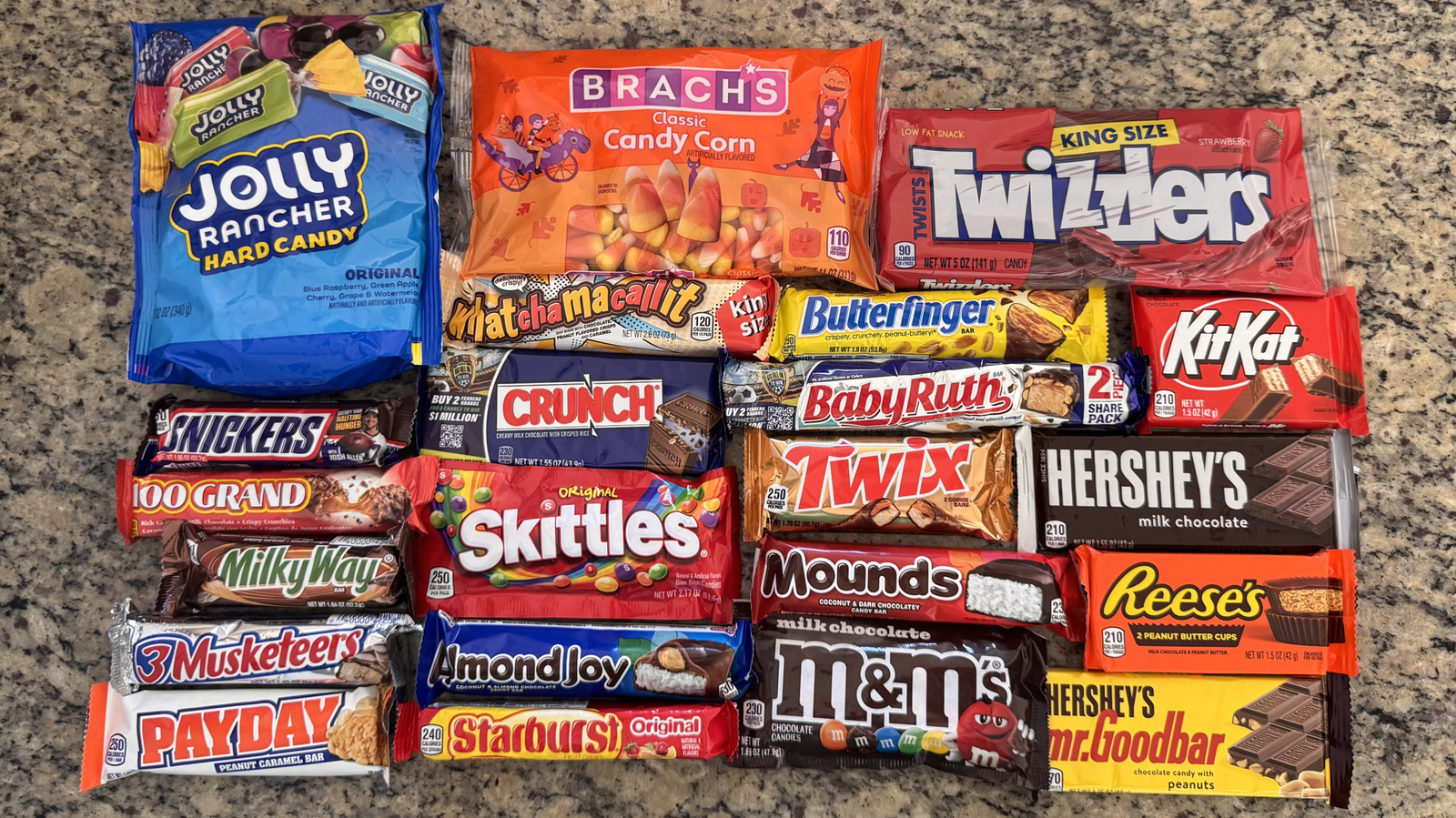
When defining what constitutes an "iconic American candy," the parameters required a careful approach. The classification did not strictly demand that a product was originally invented on U.S. soil, though the resulting roster is indeed heavily composed of confections dreamt up and first sold by American creators. Instead, the selection criteria relied upon two foundational prerequisites: the candy had to have been readily available to consumers in the United States for multiple decades, and it had to be stocked in virtually every corner of the country, from gas station kiosks to major supermarket chains.
After sampling 22 indisputably iconic American confections—and subsequently recovering from a formidable sugar-induced coma—the tasting evaluation judged each item based strictly on its core flavor profile and textural experience. Naturally, none of the contenders could be classified as genuinely bad; sub-par products rarely manage to achieve long-term iconic status in the fiercely competitive commercial marketplace. However, when stacked head-to-head, some confections proved undeniably superior to others. The results offer a fascinating look at how these titans of the American candy industry measure up against one another.
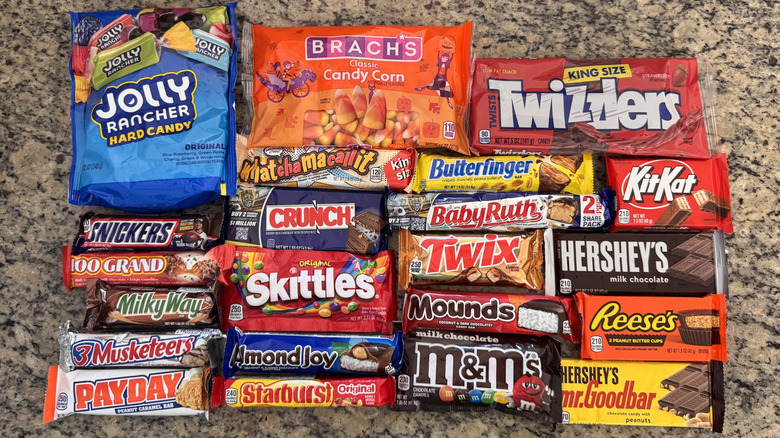
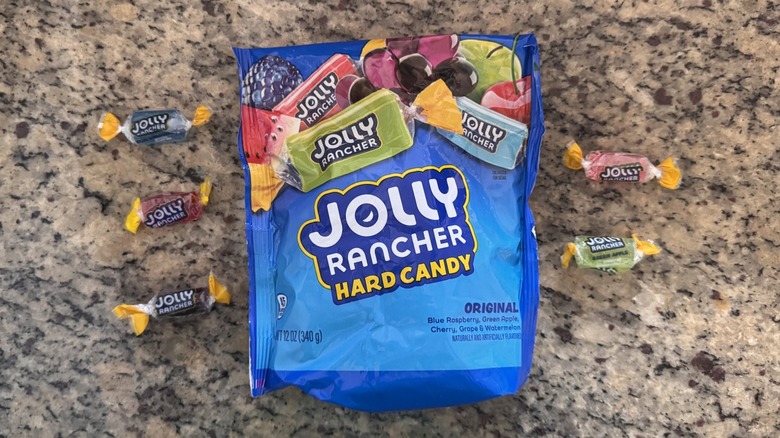
22. Jolly Ranchers
Kicking off the bottom of the list with an admitted bias, the reviewer noted a personal preference for chocolate-centric desserts over fruit-based confections. Having considered fruit-flavored candy a childhood nightmare, hard candies like Jolly Ranchers faced a steep uphill climb from the start. While acknowledging that these hard candies at least offer actual fruit flavor profiles rather than a generic sweet taste, the physical structure poses a drawback. The pieces are far too hard for quick consumption and tend to become stubbornly stuck in the teeth. Regardless of which specific flavor variant is unwrapped, this hard candy landed firmly in last place.
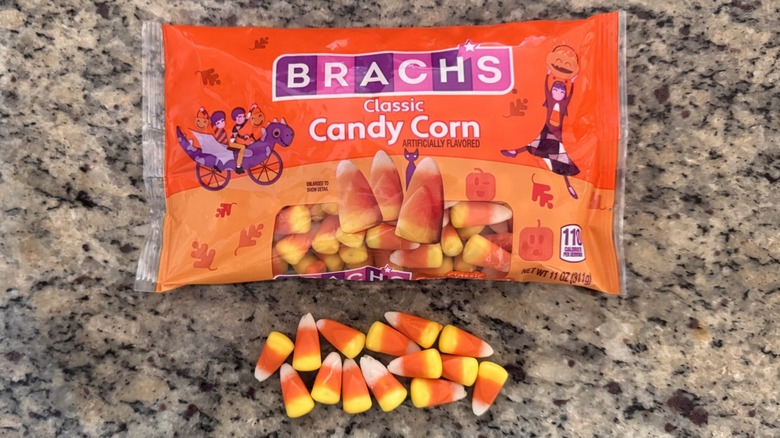
21. Candy Corn
Candy corn occupies a unique historical niche as the only non-name-brand item on the roster, boasting orange, white, and yellow faux-kernel designs rooted deep in American confection history. Having abstained from the seasonal treat for at least a decade, the reviewer found the experience surprisingly tolerable—they were not overly saccharine and avoided becoming excessively sticky upon chewing. Yet, the distinct wax-like texture and the one-dimensional, overly sweet flavor profile ultimately hampered its overall score. While it managed to edge out Jolly Ranchers, candy corn could climb no higher.
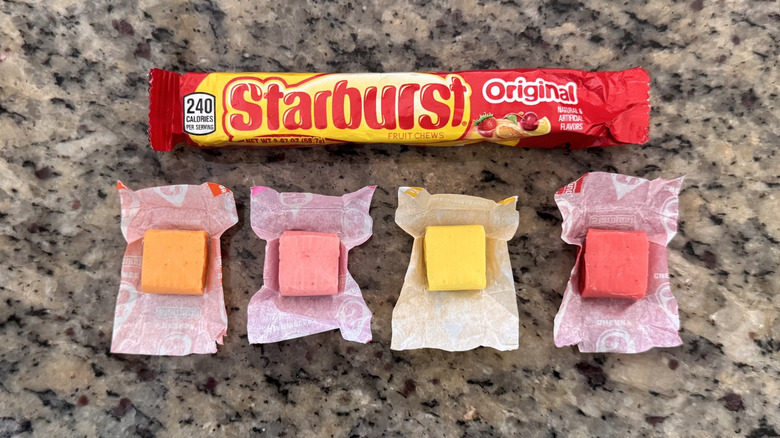
20. Starburst
Starburst could easily have plummeted to the very bottom, as the fruit chews were personally enjoyed less than any other entry in the lineup. The square confections landed near the lower tier primarily due to their intense stickiness, which threatened to leave a lingering residue for hours without the intervention of a toothpick. While the standard four flavors—strawberry, orange, cherry, and lemon—are acceptable, they lean heavily into artificial territory despite the "natural" label on the wrapper. Beating out hard candies and candy corn was about the only positive attribute found in the experience.
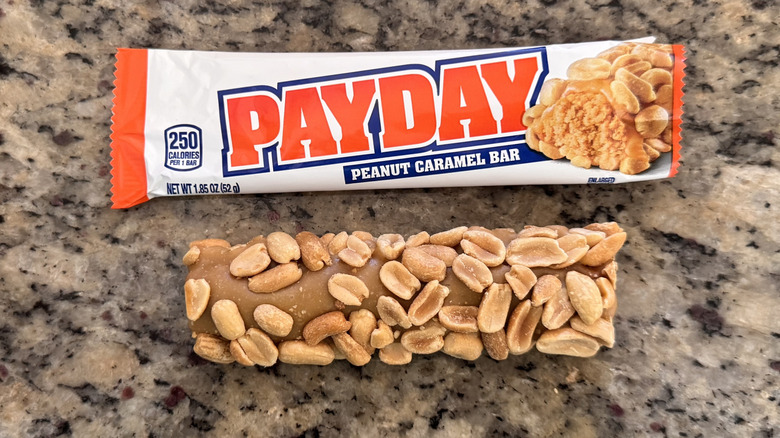
19. Payday
Expectations were modest for the Payday bar, and the confection did little to exceed them. While peanuts and caramel make for a classic combination in the candy world, the complete absence of chocolate remains a noticeable hurdle. On the positive side, the peanuts boast a pleasant consistency—neither overly hard nor too soft—and the caramel softens relatively quickly during consumption. Still, the bar left a lingering sense of unfulfillment, as if a crucial ingredient was missing. It remains preferable to the lower-ranked entries, but it is not a snack the reviewer would actively seek out.
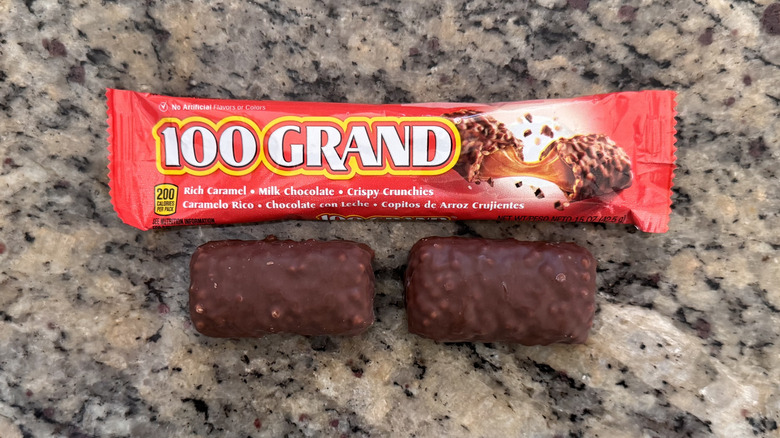
18. 100 Grand
Fortunately, the price tag of a 100 Grand bar does not reflect its literal name, as the candy bar is certainly not worth six figures. Still, the underlying disappointment remains. Composed of rice crisps and caramel wrapped in chocolate, the concept is fundamentally sound. However, the chocolate itself lacks the refined quality offered by major industry competitors like Hershey or Mars, and the inner caramel layer demands a bit too much chewing time before it softens. It easily surpasses the lower-tier fruit and hard candies, but it cannot justify a higher placement.
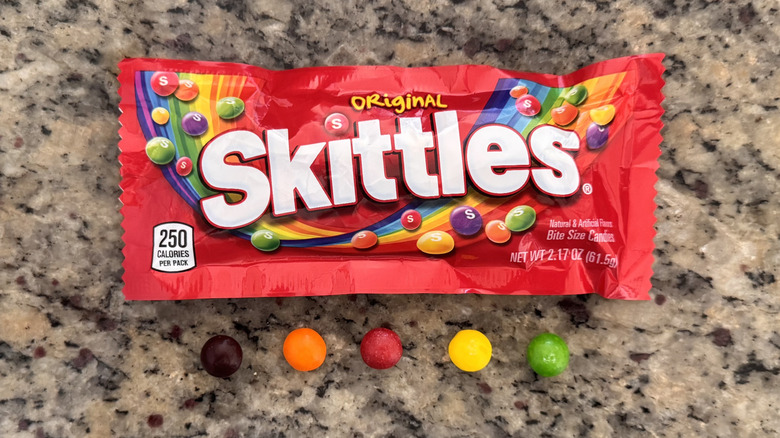
17. Skittles
Skittles delivered a pleasant surprise, outperforming expectations for a fruit-based treat that once reigned as America’s most-loved candy of the 1980s. Though it could not crack the upper half of the list due to its fruit-only nature, the five distinct flavors—strawberry, grape, lime, lemon, and orange—proved uniquely tasty and distinguishable from one another. Furthermore, the chewing texture was far less aggressively sticky than anticipated, elevating it to the second-best non-chocolate candy on the roster.
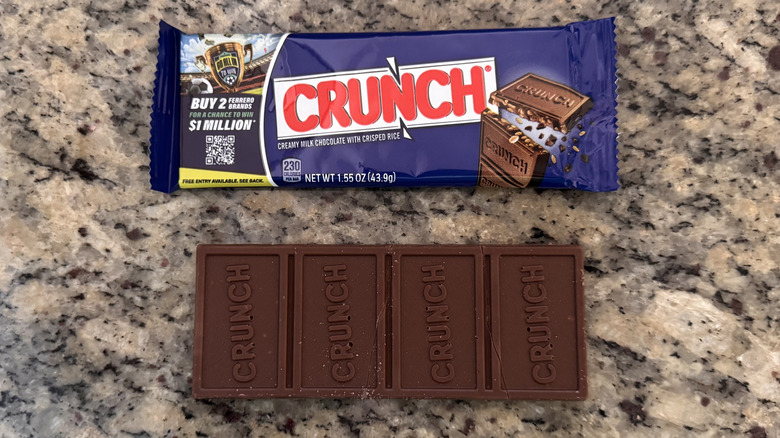
16. Crunch Bar
Nostalgic consumers may recall when Nestlé Crunch bars featured a single, bold "CRUNCH" embossed across the front, rather than the modern four-piece layout with smaller lettering. While corporate design changes had no bearing on the rankings, the classic bar landed firmly in the lower-middle tier. While it remains a crunchy alternative to a plain chocolate bar, the chocolate exterior feels somewhat underwhelming. It fails to melt in the luxurious, delectable manner characteristic of higher-ranking chocolate confections.
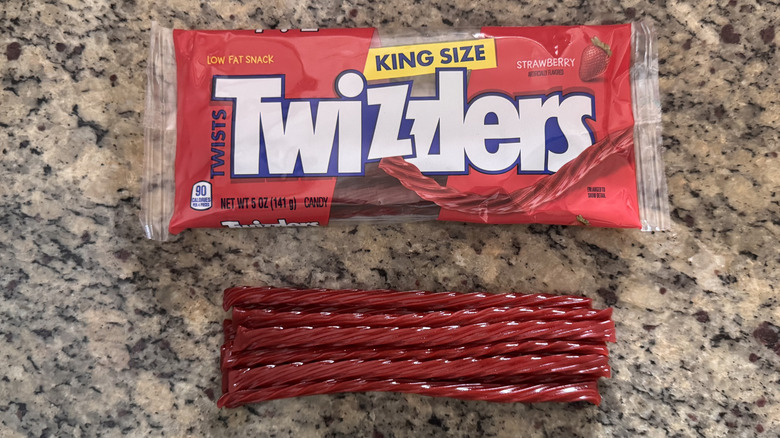
15. Twizzlers
As a personal favorite of the reviewer’s spouse, Twizzlers carried high expectations to avoid a dismal ranking. Although chocolate is absent, this strawberry-flavored, licorice-style treat proved genuinely superior in flavor and texture to every other non-chocolate entry on the list. The chewy treat displayed a remarkably low tendency to stick to teeth during consumption, earning the highest spot among fruit-based entries purely on its own culinary merit.
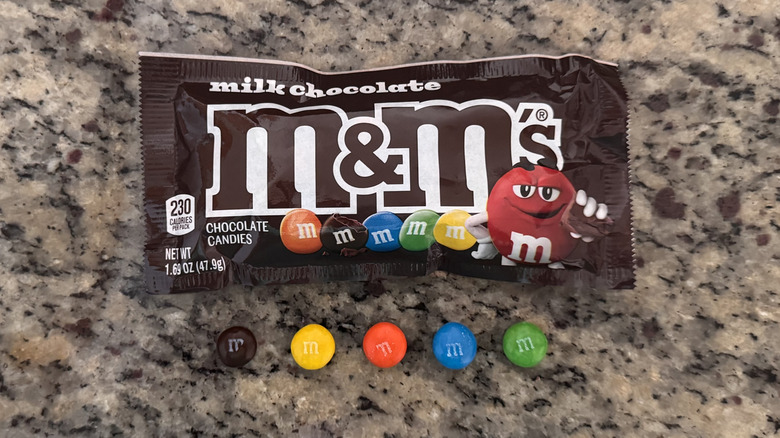
14. M&M’s
Few confections on the list proved less creatively inspiring than classic M&M’s. While the shell-covered chocolates are far from unpalatable and would gladly be chosen over any lower-ranked item, they ultimately represent a rather straightforward and predictable treat. This safe reliability likely stems from the brand’s historical origins as a portable, durable snack for soldiers during World War II, but against stiff modern competition, the plain milk chocolate drops feel a bit too ordinary.
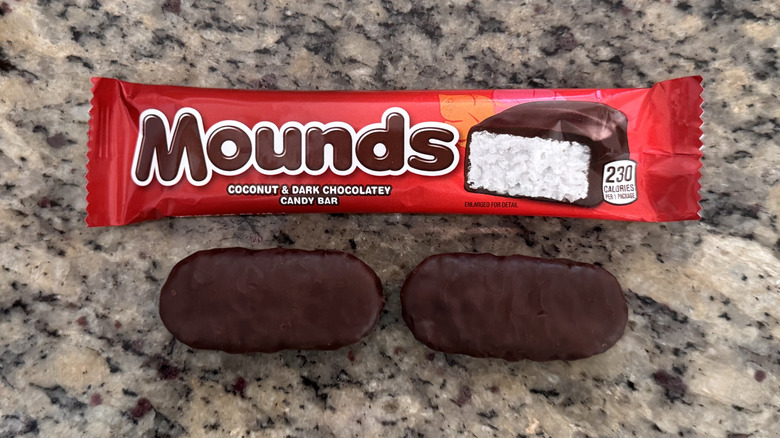
13. Mounds
From this point forward in the rankings, the competition becomes a game of fine margins, as any of the remaining contenders could mount a credible defense for the top spot. As a dedicated enthusiast of coconut macaroons, the reviewer has always appreciated the luscious coconut filling of a Mounds bar. The outer layer of dark chocolate provides a sophisticated, balanced counterpoint to the sweet interior. However, as an avowed fan of milk chocolate and textural contrast, the dark-chocolate-and-coconut combination falls just short of the top dozen.
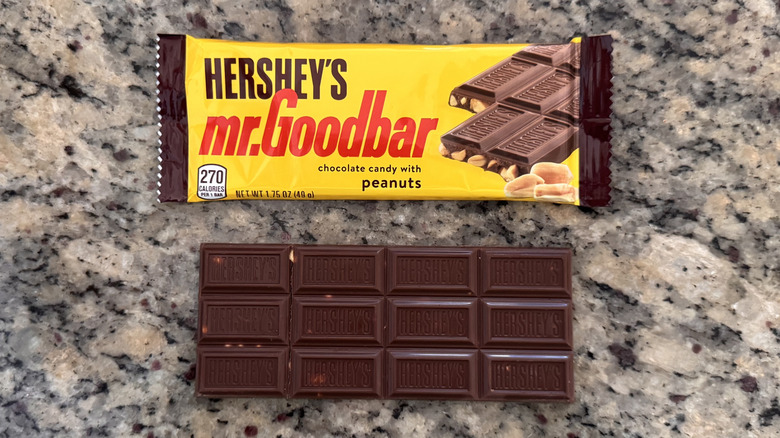
12. Mr. Goodbar
A single Mr. Goodbar packs an immense quantity of peanuts into its frame. These nuts are genuinely flavorful and create a creamy, savory contrast when encased within the milk chocolate coating. There is very little to criticize here beyond a minor absence of culinary excitement—it functions essentially as a nut-heavy variation of a standard Hershey’s bar. It is reliable and satisfying for peanut lovers, placing it squarely in the middle of the pack.
11. KitKat
Eating a KitKat remains an enjoyable endeavor, yet modern iterations carry a subtle structural shift compared to decades past. The chocolate and interior wafers appear less thoroughly melded than remembered from childhood, and the overall ratio leans slightly too heavy on the chocolate side. It remains a pleasant staple that will undoubtedly be consumed in vast quantities in the future, but fierce competition blocked its path into the top ten.
10. 3 Musketeers
Despite a stated preference for candies featuring textural contrast and embedded mix-ins, 3 Musketeers succeeds purely on the strength of its whipped nougat. The delectable outer chocolate layer combines seamlessly with the chocolate-tinted nougat to create a wonderfully melty mouthfeel. While the lack of a crunchy or chewy element prevents it from climbing higher, its smooth execution easily secures a spot in the top ten.
9. Twix
A quintessential high school cafeteria staple, Twix balances its core components with a measured amount of chocolate that avoids overwhelming the cookie and caramel within. The caramel is flavorful and softens rapidly alongside the baked biscuit. However, the cookie component itself leans slightly bland—likely by design, so as not to overshadow the other ingredients—which ultimately anchors the bar in ninth place.
8. Baby Ruth
The Baby Ruth bar featured what might have been the absolute best-tasting caramel encountered during the entire tasting process, maintaining a soft, consistent texture that provided a wonderful foil for the peanuts. While the chocolate-to-peanut ratio tilts heavily toward a massive volume of nuts, this abundance was hardly a flaw. Nevertheless, in a tight race among top-tier contenders, this slight imbalance keeps it from climbing further up the leaderboard.
7. Whatchamacallit
Holding the title of the reviewer’s personal all-time favorite candy bar, the Whatchamacallit nevertheless landed in seventh place due to strict journalistic integrity. The peanut-flavored crisps, touch of caramel, and thin coating of delectable chocolate are intensely appealing, but the heavy proportion of crispy rice keeps it just a fraction shy of objective perfection.
6. Almond Joy
Demonstrating how subtle structural improvements can elevate a concept, the Almond Joy takes the foundational appeal of the Mounds bar and introduces a crunchy almond and a switch to milk chocolate. The choice of whole almonds rather than peanuts pairs exceptionally well with the coconut filling, cementing the bar firmly in the upper tiers of iconic American confections.
5. Milky Way
Connoisseurs recognize that a Milky Way is essentially a Snickers bar stripped of its peanuts. Far from being an inferior product, the resulting combination of rich chocolate, soft caramel, and fluffy nougat achieves a near-flawless execution. While the absence of a crunchy textural counterpoint prevents it from claiming the crown, it remains an out-of-this-world treat.
4. Hershey’s Bar
While the tasting methodology favored confections with multiple ingredients and complex textures, the Hershey’s milk chocolate bar shatters all conventional rules. As the most iconic and widely mass-produced plain milk chocolate item in American history, its creamy, quick-melting profile stands entirely on its own. No other plain chocolate candy could realistically challenge its position near the top.
3. Butterfinger
The "crispity, crunchity, peanut butter-y" interior of a Butterfinger offers one of the most mechanically and flavorfully satisfying experiences in the candy world. Its toffee-like peanut butter core is intensely delicious, easily surviving the minor inconvenience of clinging to dental work. That characteristic stickiness is the sole factor keeping it from taking the silver or gold medal.
2. Snickers
Determining the boundary between first and second place proved exceptionally difficult, as both represent the absolute pinnacle of candy craftsmanship. Snickers ultimately claimed the runner-up spot simply because it packs so many stellar elements—caramel, nougat, peanuts, and milk chocolate—that it borders on complex. It is a masterclass in bar construction, taking a well-deserved silver medal.
1. Reese’s Peanut Butter Cups
For a food pairing as universally foolproof as chocolate and peanut butter, the ultimate champion was perhaps never truly in doubt. Produced by Hershey with a proprietary peanut butter filling that strikes an ideal balance between smooth and slightly grainy, Reese’s Peanut Butter Cups claim the undisputed throne as the best of the best among iconic American candies.
Methodology
The project began with the compilation of a comprehensive list of confections widely recognized as cultural staples within the United States. While preference was given to products originally launched domestically, the primary benchmark required that each item had maintained a continuous presence across every state for decades, readily available as single-serve impulse items in supermarkets and convenience stores alike.
After finalizing a roster of 22 items, acquisitions were made across multiple retail outlets, including major chains and local convenience stores. With the exception of multi-piece bags like Jolly Ranchers and candy corn, every product was purchased in its standard, single-serve consumer format to evaluate it in its most common presentation. The final rankings were determined by weighing flavor harmony, individual ingredient quality, and the overall textural experience against personal preference, which naturally favored chocolate-based confections in the upper tiers.