

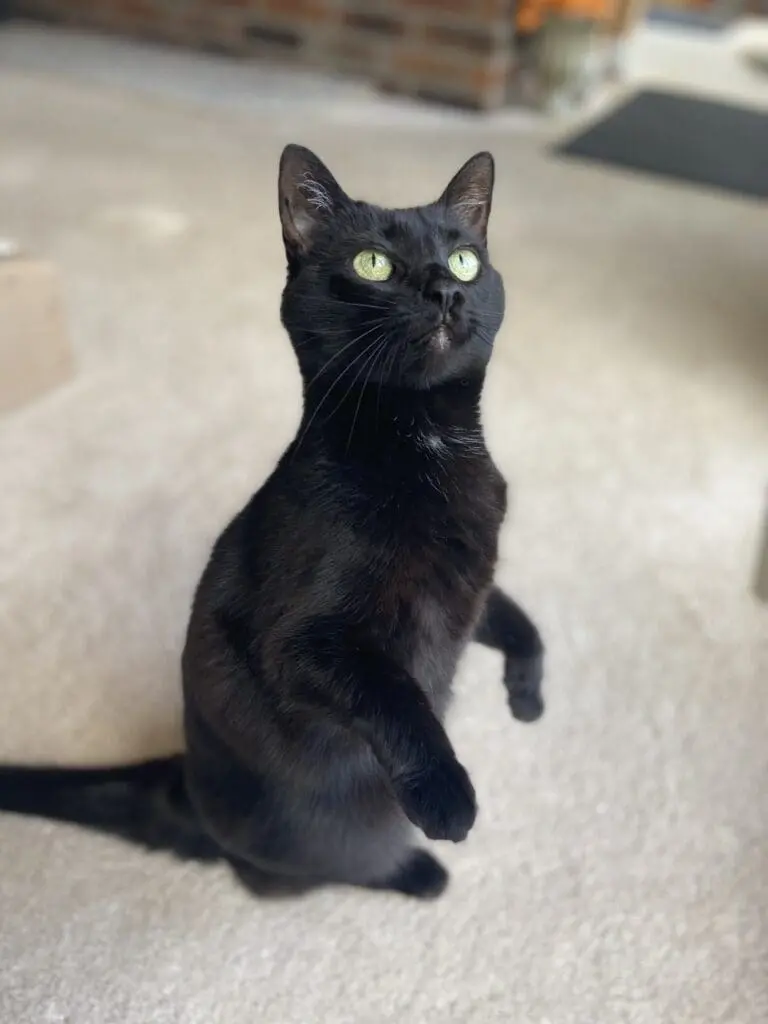
Veterinary advancements and improved commercial nutrition have steadily pushed the life expectancy of domestic felines to historic highs. Cats routinely reach their late teens, and many thrive well past the two-decade mark—with documented cases extending to 24 years and beyond. Yet as the feline population ages, animal behaviorists and veterinary professionals warn that longevity alone does not guarantee a high quality of life. A significant portion of senior cats experience a gradual, unnoticed decline, retreating into isolation and physical discomfort because subtle symptoms of pain are routinely misinterpreted as benign aspects of getting old.
According to noted feline behavior expert Pam Johnson-Bennett, the widespread assumption that aging cats naturally become sedentary and detached often obscures preventable physical suffering. While some felines preserve their youthfulness and high energy well into advanced age, others endure joint pain, cognitive fatigue, and sensory deterioration in silence. Addressing these realities requires a fundamental shift in how pet owners structure daily routines, veterinary oversight, and the physical home environment.
By moving beyond standard basic care and paying close attention to often-overlooked behavioral and physical needs, owners can ensure their aging companions spend their final years in comfort, active engagement, and dignity.
The Silent Crisis of Untreated Pain and Preventative Veterinary Care
The most pervasive obstacle to proper senior cat care is the quiet nature of feline distress. Unlike dogs, which frequently vocalize, limp, or show overt signs of discomfort, cats have evolved to conceal weakness and physical vulnerability. When chronic pain sets in, an older cat typically reacts by withdrawing, sleeping longer hours, and ceasing engagement with family members or toys.
Families frequently explain away this withdrawal as an inevitable milestone of old age. In reality, such passivity often indicates untreated musculoskeletal pain, such as osteoarthritis, or internal medical issues that require intervention. Dismissing these behavioral warnings prevents animals from receiving targeted veterinary therapies and environmental adaptations that could restore their comfort and quality of life.
Maintaining consistent clinical care becomes increasingly critical during these later stages. Many owners inadvertently neglect routine veterinary visits during a cat’s senior phase, often deterred by the severe stress associated with crating and transporting an older, fragile pet. Experts caution that bypassing these assessments poses significant health risks. Catching systemic diseases, organ dysfunction, and degenerative joint conditions early dramatically improves the prognosis and broadens the available management options.

For senior felines, the standard annual checkup is no longer sufficient. Veterinary protocols recommend examinations at least twice a year. These biannual reviews provide clinicians with the baseline metrics needed to detect subtle metabolic or behavioral shifts, adjust pain management protocols, and ensure that chronic conditions do not progress unnoticed.
Supporting Cognitive Function and Mental Stimulation
As cats enter their geriatric years, preserving cognitive function requires dedicated, daily effort. Feline cognitive health relies heavily on utilizing the complex mental processes associated with the predatory sequence. Even when an older cat lacks the stamina for vigorous hunting, the neurological drive to plan, observe, and capture remains intact.
Interactive play sessions serve as a primary vehicle for mental exercise. Engaging a cat in simulated hunting activates problem-solving abilities and maintains alertness. Beyond standard interactive toys, enrichment tools such as puzzle feeders and indoor foraging setups offer meaningful cognitive stimulation.
Puzzle feeders require an animal to manipulate an object, navigate obstacles, or open compartments to access kibble or treats. When introducing these tools to an older cat, owners must ensure the challenge level is appropriate. Starting with the simplest mechanics prevents frustration, which can cause an elderly cat to abandon the activity entirely. The goal is positive reinforcement and guaranteed success: working for food should stimulate curiosity and reward effort without causing stress.
Structured learning exercises, including basic clicker training, provide another avenue for neurological engagement. Short training sessions focused on gentle cues—such as touching a target stick with the nose or offering a paw for a high-five—encourage mental flexibility and reinforce the human-animal bond. These sessions should remain brief, upbeat, and tailored strictly to the cat’s individual physical and cognitive bandwidth.
Preserving Joint Mobility Through Adapted Play
Physical inactivity accelerates muscle wasting and joint stiffness, creating a cycle where moving becomes increasingly painful. Maintaining a degree of daily physical activity is essential to keeping joints lubricated and preserving basic mobility.

However, exercise routines must be adapted to respect the physical constraints of an aging musculoskeletal system. Senior cats should not be expected to perform the acrobatic leaps, aerial flips, or rapid sprints characteristic of their youth. Play routines must be deliberately recalibrated to low-impact, deliberate movements.
This adjustment often requires modifying the types of toys used. Aerial wand attachments designed to mimic flying birds or erratic flying insects demand high jumping and hard landings that place undue stress on arthritic hips and spines. Replacing these with toys that simulate ground-dwelling prey—such as mice, crawling insects, or snakes—allows senior cats to stalk, track, and pounce at ground level.
Rather than engaging in long, exhausting play sessions, owners should aim for brief, gentle interactions multiple times a day. Slow, deliberate movement keeps blood circulating and muscles functioning without overtaxing a frail frame.
Modifying the Home Environment for Senior Comfort
Even subtle architectural barriers inside a home can cause distress, confusion, and physical pain for an aging cat. Proactive environmental modifications are vital to help older pets maintain access to their favorite resources and preserve their sense of autonomy.
Access to Elevated Resting Spots
Cats are hardwired to seek security and stimulation in high perches, especially near windows where they can watch outdoor wildlife. When jumping becomes impossible or agonizing, cats lose access to these comforting vantage points. Installing secure ramps, stepped platforms, or intermediary steps allows felines to walk safely to their preferred resting spots without straining their joints.
Ergonomic Feeding Stations
Standard food and water bowls placed flat on the floor force an older cat to crouch awkwardly and crane its neck downward. Elevating these bowls to chest height alleviates neck and spinal strain, facilitating easier swallowing and making mealtime comfortable.

Expanded Scratching Solutions
Scratching remains an essential feline behavior used to maintain claw health, mark territory, and stretch the back and shoulder muscles. If spinal arthritis prevents a cat from reaching up along a traditional vertical post, owners should install horizontal scratch pads and textured mats throughout the living area, ensuring the animal can stretch without discomfort.
Redesigning the Litter Box Setup
Litter box accessibility is one of the most critical factors in preventing inappropriate elimination and distress. As bladder control decreases and physical mobility slows, older cats require more litter boxes placed strategically across multiple floors and living areas.
Furthermore, traditional litter boxes often feature high entrance walls that are painful or impossible for an arthritic cat to step over. Boxes with low-entry cutouts or wide ramps allow easy entry. Alternatively, high-sided storage containers with a low-profile doorway cut into one end can contain litter scatter while accommodating restricted movement.
Safeguards for Sensory Impairment
Failing vision and hearing frequently accompany feline advanced age. Installing motion-activated nightlights helps cats with reduced night vision navigate corridors, access resources, and avoid obstacles in the dark.
For cats experiencing total blindness, consistency in the home environment is paramount. Rearranging furniture disrupts the mental map an impaired cat relies on to navigate safely. Keeping living spaces free of floor clutter prevents accidental collisions.
Additionally, placing textured mats in front of potential drop-offs—such as staircases or sunken rooms—provides a tactile warning system under the cat’s paws. Safety gates should also be positioned at staircases and hazardous areas to protect older cats from accidental falls.

Daily Management in the Golden Years
Beyond mobility and environmental adjustments, geriatric care demands close management of routine daily maintenance. Aging cats frequently experience changes in nutritional absorption, requiring veterinary-approved dietary adjustments to preserve lean muscle mass and support organ function. Chronic conditions often necessitate daily medication regimens that must be managed with care.
Personal hygiene is another area where older cats require hands-on support. Due to spinal inflexibility and oral disease, many seniors struggle to groom themselves effectively, leading to matted coats, skin infections, and discomfort. Regular, gentle brushing removes loose hair and stimulates skin health. Owners must also inspect and gently clean the perineal area if an older cat can no longer maintain its own hygiene after using the litter box.
Temperature regulation likewise deteriorates with age. Older felines carry less body fat and muscle, making them highly vulnerable to drafty rooms, air conditioning, and winter cold. Providing heated beds, warm resting zones, and ensuring cool retreats during summer heat waves protects them from thermal stress.
Senior cats represent a deeply rewarding phase of pet ownership, characterized by long-established bonds and mutual devotion. When provided with attentive veterinary care, cognitive enrichment, and a thoughtfully structured home environment, elderly cats can navigate their golden years with comfort, dignity, and contentment. Pet owners observing changes in their cat’s mobility, temperament, or habits should contact a qualified veterinarian to establish an individualized senior health plan.