


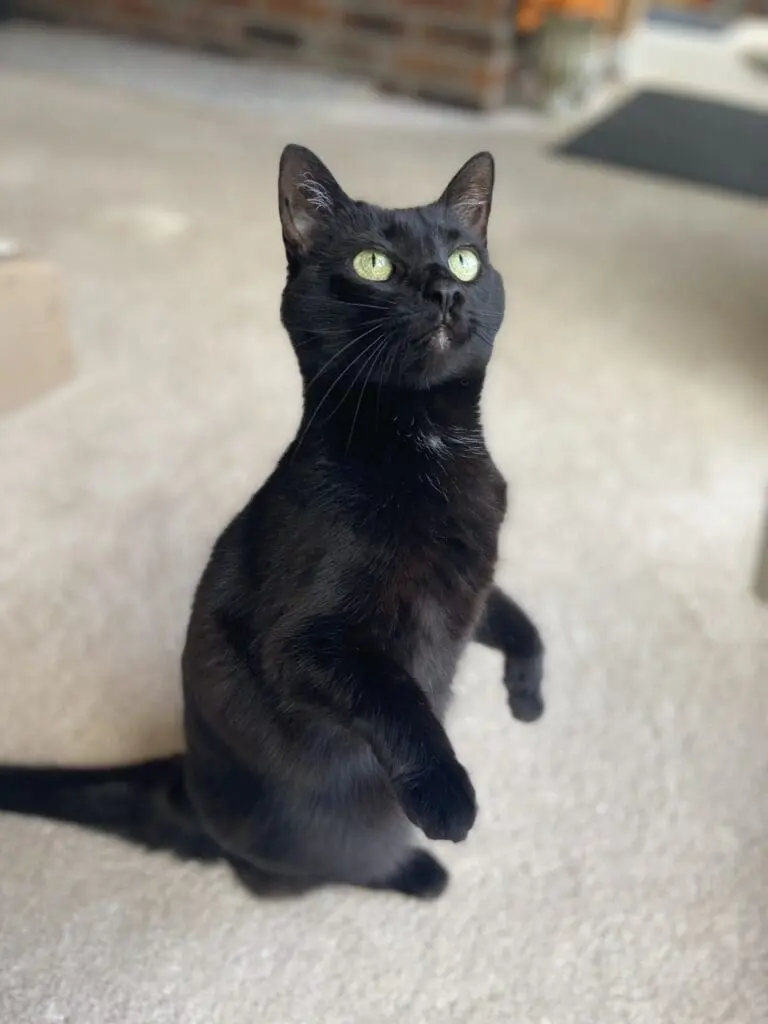
Advances in modern veterinary medicine and growing pet owner awareness regarding high-quality feline nutrition have transformed the aging process for domestic cats. Today, felines are routinely surviving well into their late teens, and in notable instances, into their twenties. Yet animal behavior specialists and veterinary professionals emphasize that longevity alone does not guarantee well-being. As cats advance in age, their healthcare requirements change substantially, demanding proactive environmental adaptations, mental stimulation, and targeted mobility routines that frequently slip past even the most attentive pet parents.
Renowned feline behavior specialist and author Pam Johnson-Bennett notes that while some cats maintain an outward appearance of youth and vitality well into their twilight years—such as cats in her own household that lived long, robust lives, including one reaching the age of 24—many others gradually withdraw from daily life. For these aging companions, senior life can easily devolve into quiet isolation, inactivity, chronic pain, and an apparent lack of interest in beloved routines.
A common pitfall among households is attributing these behavioral declines strictly to normal old age. In practice, however, a sudden or progressive loss of interest often points to underlying physical pain or chronic discomfort. Veterinary practitioners note that much of this suffering can be diagnosed, managed, and substantially mitigated through timely clinical examinations and thoughtful adjustments around the home.
Skipping routine veterinary appointments remains an ongoing challenge in senior feline care, particularly because transporting older cats can prove stressful for both animals and guardians. Nevertheless, regular visits become vastly more critical as cats enter advanced stages of life. Consistent veterinary evaluations facilitate early detection of chronic conditions, significantly increasing the likelihood of successful management while sparing the animal needless distress. For aging cats, professionals strongly recommend moving from an annual schedule to twice-yearly clinical checkups.
Alongside regular clinical oversight, Johnson-Bennett highlights three fundamental, yet routinely neglected, areas of day-to-day management that are essential to preserving a senior cat’s quality of life.

Supporting Cognitive Health and Mental Stimulation
Mental stimulation is an indispensable component of senior cat wellness that is often overshadowed by physical medical needs. Maintaining cognitive function requires regular engagement, as domestic cats retain their natural predatory instincts and mental drive regardless of physical age.
When cats are deprived of appropriate cognitive challenges, mental decline can accelerate. Feline experts recommend integrating interactive play sessions that allow aging cats to employ the strategic thinking and focus required for a stealthy, calculated hunt. In the wild, hunting requires calculated decision-making, observation, and precision; in a domestic setting, that mental engagement must be replicated through deliberate, guided activities.
Enrichment can take numerous forms, including structured indoor treasure hunts and puzzle feeders. Puzzle toys encourage natural foraging behaviors by requiring cats to manipulate components to access small food rewards. Animal behaviorists suggest that owners unfamiliar with puzzle feeders begin with the simplest options available before advancing in difficulty. Because the purpose of puzzle feeding is to deliver mental exercise rather than stress, the interaction should challenge the cat without creating frustration. Every session should end with a positive reward and a sense of accomplishment.
Clicker training represents another effective method for preserving cognitive agility. These brief training sessions should remain lighthearted, positive, and tailored strictly to the cat’s current mental and physical bandwidth. Rather than demanding complex behaviors, handlers can focus on low-impact, straightforward interactions—such as touching a nose to a target or offering a gentle high-five. Because pet guardians understand their own animals best, the complexity of such activities should always reflect the specific animal’s willingness and stamina.
Sustaining Mobility Through Low-Impact Activity
Preserving mobility is vital for keeping an older cat’s joints functioning and minimizing stiffness. While interactive play remains a pillar of everyday feline life, the dynamics of that play must be modified to suit physical limitations, arthritis, or reduced stamina.

Senior cats do not need to perform acrobatic leaps or vigorous mid-air flips to reap the rewards of physical activity. Even slower, deliberate, low-key movement delivers significant health advantages by lubricating joints and maintaining lean muscle mass. As long as the animal is moving comfortably, the exercise achieves its intended purpose.
To accommodate changing physical capacities, owners often need to reevaluate the types of toys they offer. Older felines often lose the inclination to chase simulated aerial targets, such as feathery toys waved high above the floor. Instead, their interest frequently shifts toward ground-based play that mimics crawling insects, scampering mice, or snakes moving across the carpet.
Engaging a senior cat with ground-level toys satisfies predatory instincts without placing unnatural strain on fragile hips, shoulders, or spinal joints. Experts advise against exhausting older cats; instead, guardians should weave short, gentle play sessions into the daily routine multiple times each day.
Adjusting the Household Environment
Physical decline in senior cats can often be counterbalanced by making practical, supportive modifications to the living environment. When aging joints make standard movements painful, cats may gradually abandon essential activities or favorite resting areas unless their surroundings are adapted to accommodate their evolving needs.
Access to favored high vantage points remains deeply meaningful to felines. If jumping onto a window ledge or sofa causes discomfort, owners can install ramps or pet stairs. These adjustments allow senior cats to reach elevated perches safely, maintaining their ability to look outside and observe outdoor wildlife. Similarly, standard food and water bowls placed flat on the floor can exacerbate cervical spine and neck strain; switching to raised, ergonomically designed dishes allows the cat to eat and drink without bowing uncomfortably.

Scratching behaviors also shift with age. Scratching serves a dual purpose: it conditions claws and provides a comprehensive stretch for the back and leg muscles. Senior cats may struggle to reach up vertical posts, leading some to cease scratching altogether. Increasing the number of scratching options throughout the home and introducing horizontal scratchers alongside traditional upright scratching posts ensures that older felines can comfortably maintain their stretching and grooming routines.
Litter box logistics require particular attention. Reduced bladder control often accompanies old age, meaning households may need to increase the overall number of boxes and distribute them across multiple locations so the animal does not have to travel far. Furthermore, high plastic rims can present an insurmountable barrier to an arthritic cat. Litter boxes with low-entry designs—or high-sided boxes with a single low cut-out entrance—allow easy entry while containing litter scatter.
Sensory decline introduces another set of environmental demands. For cats experiencing vision loss, installing motion-activated nightlights helps illuminate pathways to essentials like litter boxes, food, and water. When an animal loses its eyesight completely, pet guardians must keep household furniture in consistent locations, allowing the cat to navigate using an established mental map of the interior.
Family members should ensure floors remain clear of clutter and loose belongings that could cause trips or disorientation. To improve safety around drop-offs and stairs, owners can place textured rugs or mats in front of steps to serve as sensory tactile warnings. Additionally, installing safety gates can prevent accidental falls down staircases and protect vulnerable animals from navigating perilous areas unassisted.
A Crucial Stage in the Life Cycle
The later years represent a distinctive phase of companionship, providing an opportunity for felines to enjoy a tranquil retirement supported by the deep bonds built with their owners over time. Ensuring that happiness and daily comfort remain central to a senior cat’s routine requires constant attentiveness.

Beyond mental enrichment, measured exercise, and home modifications, aging cats often develop highly personalized needs. These can encompass veterinary-guided dietary updates, regular administration of prescribed medications, and supplemental grooming care. Aging cats frequently struggle to groom their backs or keep clean after using the litter box, necessitating gentle assistance from their owners through daily brushing and targeted hygiene care.
Furthermore, because senior animals frequently experience impaired thermoregulation, owners must actively protect them from seasonal temperature shifts, ensuring the home is warm throughout the winter months and comfortably cool during the heat of summer.
While clinical therapies and daily medications form an obvious foundation for managing aging felines, prioritizing mental engagement, gentle physical exercise, and thoughtful environmental accommodations proves just as vital to supporting their long-term health and emotional well-being.
Professional Guidance and Support
Comprehensive resources regarding feline training, stress reduction, and behavioral management throughout all life stages can be found in the instructional books published by Pam Johnson-Bennett. Because individual health profiles vary widely among senior pets, owners noticing changes in their cat’s movement, personality, or daily habits should consult a licensed veterinarian. Environmental and behavioral enhancements are intended to support, rather than replace, dedicated veterinary medical care.